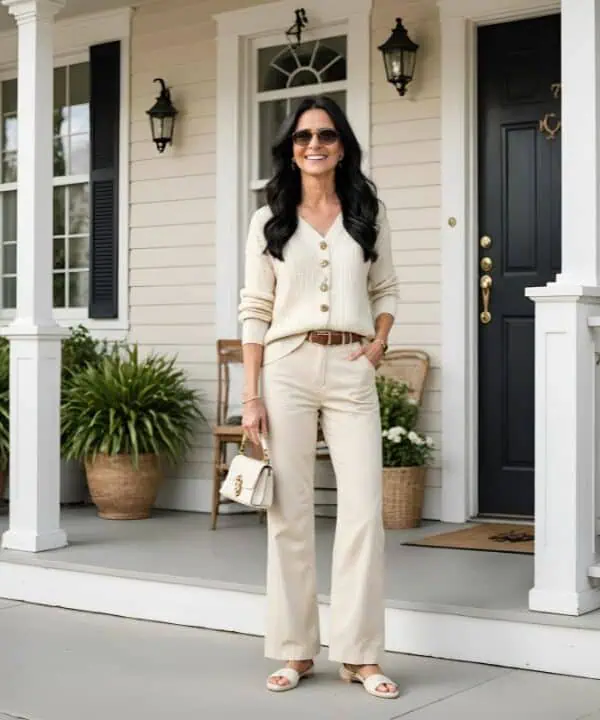
For many women, the habit of saving favorite clothes for special occasions begins early and quietly persists into midlife. Pieces remain unworn in wardrobes, waiting for events that rarely come or feel “important enough.” After 50, this pattern often shifts naturally as priorities change toward presence, comfort, and self expression in everyday life. Style becomes less about external approval and more about personal satisfaction. Letting go of “saving for best” is not frivolous it reflects valuing current life rather than postponing enjoyment.
Table of Contents
1. Everyday Life Is Already Worth Dressing For
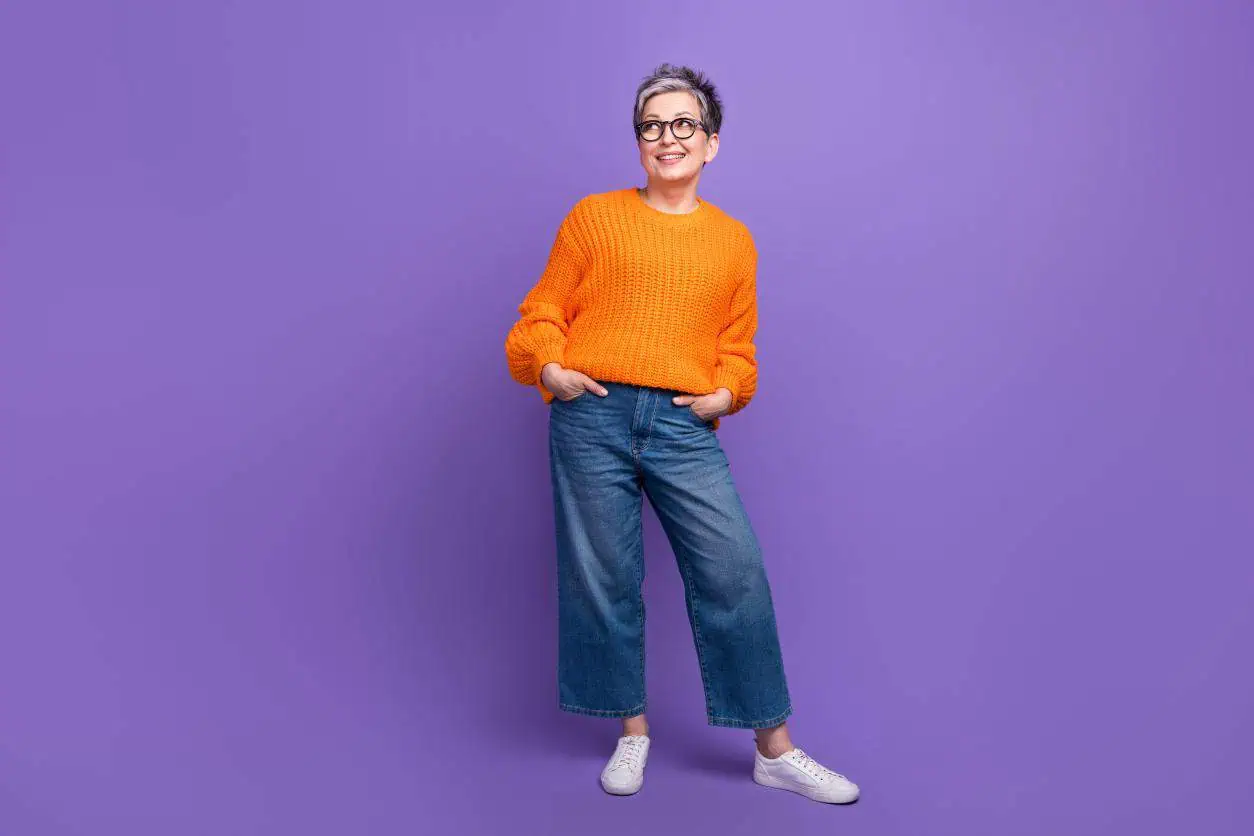
Many women grow up associating special clothing with formal events, celebrations, or milestones. Yet midlife often brings the realization that daily life itself holds meaning lunches, errands, creative work, travel, family time, and personal rituals. When favorite clothes are reserved only for rare occasions, most of life is experienced in less-loved garments. Wearing pieces you enjoy more frequently shifts how you feel in ordinary moments. Confidence increases because clothing reflects identity rather than obligation. This change also reframes self-worth: you no longer need an external event to justify feeling well dressed. Over time, everyday dressing becomes intentional and satisfying rather than purely functional.
2. Unworn Clothes Carry Emotional Weight
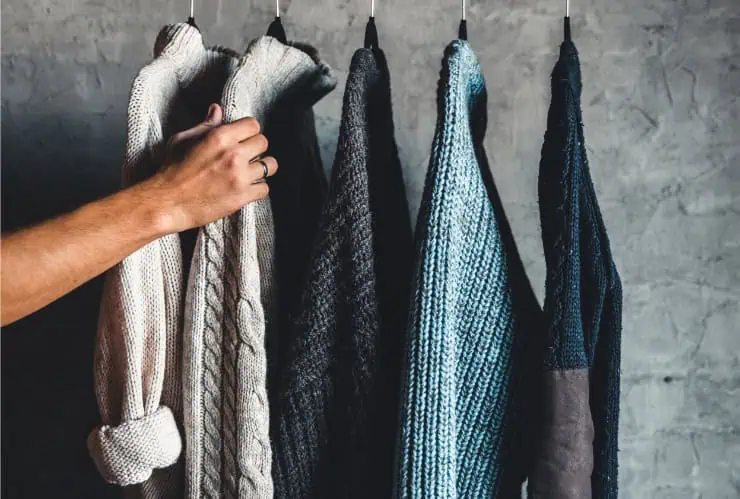
Closets filled with saved garments often create subtle psychological pressure. Items waiting for the “right moment” can trigger guilt, indecision, or the sense that life should look different than it does. Midlife clarity frequently reveals that postponed wearing equals postponed enjoyment. Clothing is meant to be experienced, not archived. When pieces remain unused, they represent missed opportunities for expression and pleasure. Wearing them releases that weight and transforms the wardrobe from storage into active support. Many women report feeling lighter and more aligned after integrating saved items into regular rotation. The closet becomes a living resource rather than a museum of potential.
3. Personal Style Evolves Through Use, Not Preservation
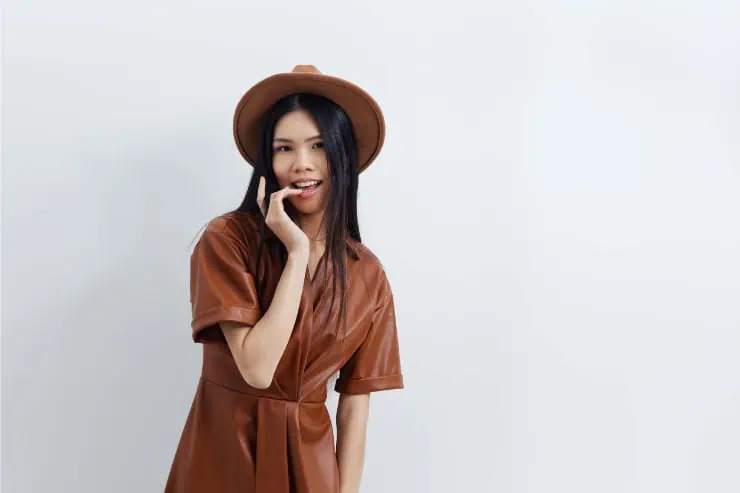
Style maturity develops through wearing, observing, and adjusting not protecting garments from use. When favorite pieces stay unworn, style stagnates because experimentation stops. Incorporating special items into daily outfits accelerates refinement: you discover new pairings, silhouettes, and proportions that suit your current life. Midlife wardrobes benefit from flexibility rather than rigidity. Wearing pieces often reveals what truly works for comfort, movement, and confidence. This active relationship with clothing strengthens personal style more than occasional “best” outfits ever could. The result is coherence across everyday looks rather than a split between ordinary and special dressing.
4. Waiting for “Perfect Occasions” Often Means Waiting Forever

Many saved garments remain unworn because the imagined occasion never appears or expectations feel too high. Midlife perspective often brings awareness that time is finite and experiences matter more than preservation. Clothing has a lifespan; fabrics age, fits change, and trends shift regardless of use. Wearing pieces now ensures they fulfill their purpose while they still suit you. This shift replaces scarcity thinking with abundance thinking: there is no need to ration beauty. Special items become integrated into real life rather than hypothetical scenarios. Women frequently discover that occasions feel more meaningful when they dress well for them, not the other way around.
5. Visible Self Respect Replaces Deferred Self Reward

Saving clothes for later subtly implies that the present self is less deserving than a future version. Letting go of that habit affirms self-respect in the current moment. Midlife often strengthens identity and reduces external validation needs, making this shift natural. Wearing loved clothing regularly communicates care toward oneself, not indulgence. Others often perceive this as ease and confidence rather than effort. Dressing well for everyday life also reinforces internal narratives of worth and presence. Over time, style becomes a form of daily self-recognition rather than an occasional reward. This psychological shift is often more powerful than the clothing itself.
6. Clothes Fulfill Their Purpose Only When Worn

Garments are designed to move, soften, and adapt to the wearer’s life. When preserved indefinitely, they cannot serve their function. Midlife practicality often reframes clothing as tools for living beautifully rather than objects to protect. Wearing items allows them to gain character and personal history memories attach to use, not storage. Many women find deeper satisfaction in pieces that accompany experiences than in pristine but unused ones. Integrating saved clothes also maximizes wardrobe value, reducing the need for constant acquisition. Ultimately, clothing achieves meaning through presence in life. Letting go of saving restores that intended relationship.