Looking well rested often has less to do with makeup or expensive treatments and more to do with small, consistent skin habits. When skin appears calm, hydrated, and even-toned, the whole face looks fresher without needing heavy coverage or complex routines. Many people unintentionally overcorrect signs of fatigue with excess product, which can emphasize texture and dullness instead of improving it. Subtle care, gentle techniques, and strategic hydration create the kind of natural brightness associated with good sleep and overall well-being.
Table of Contents
1. Prioritize Evening Hydration, Not Just Morning Moisture
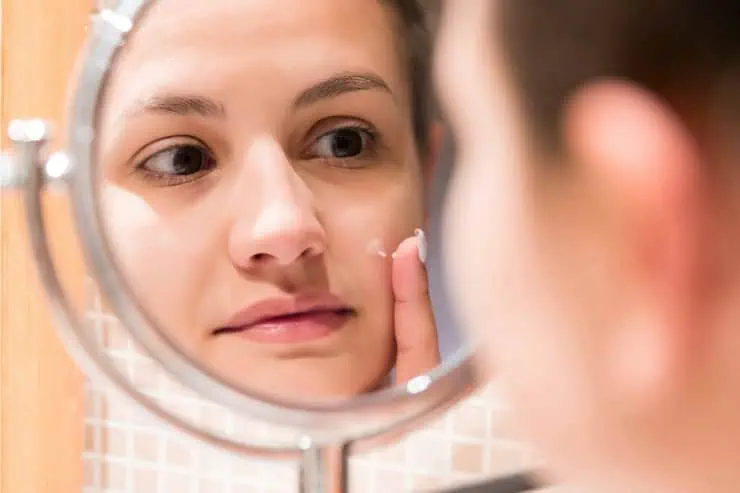
Most people focus on moisturizing before leaving the house, but overnight hydration has a bigger visible impact. Skin naturally repairs and loses water during sleep, so applying nourishing products in the evening helps maintain plumpness by morning. Lightweight hydrating serums or creams allow the barrier to recover without heaviness. When skin holds moisture overnight, fine lines look softer and tone appears more even, reducing the need for corrective makeup. This habit also prevents the morning cycle of layering multiple products to compensate for dryness.
2. Use Gentle Cleansing to Preserve Natural Glow
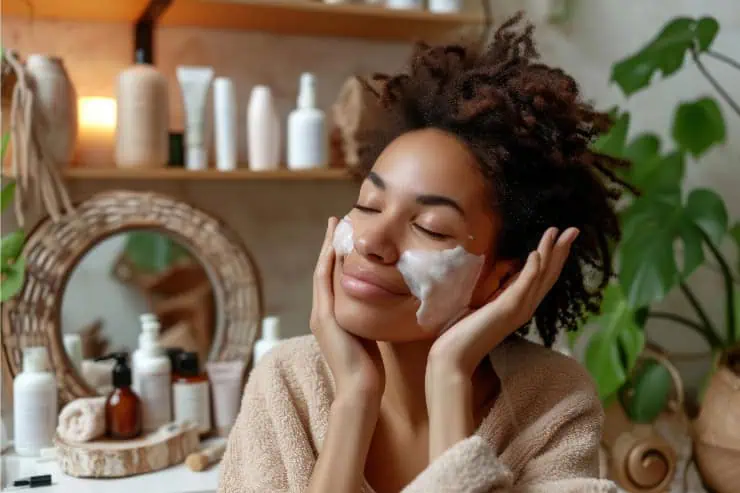
Over cleansing or harsh formulas can strip oils that keep skin reflective and comfortable. When the barrier is disrupted, the complexion often looks dull or slightly inflamed, which reads as fatigue. Gentle cleansing maintains clarity without removing protective lipids. Cream, milk, or low-foam cleansers remove debris while leaving skin supple. This balance helps light reflect more evenly across the surface, creating natural radiance. Many people assume squeaky clean equals healthy, but overly dry skin often appears older and more tired. Preserving softness through mild cleansing keeps the face looking calm and refreshed even without makeup, reinforcing that rested skin begins with barrier stability rather than aggressive purification.
3. Support Circulation With Simple Facial Movement
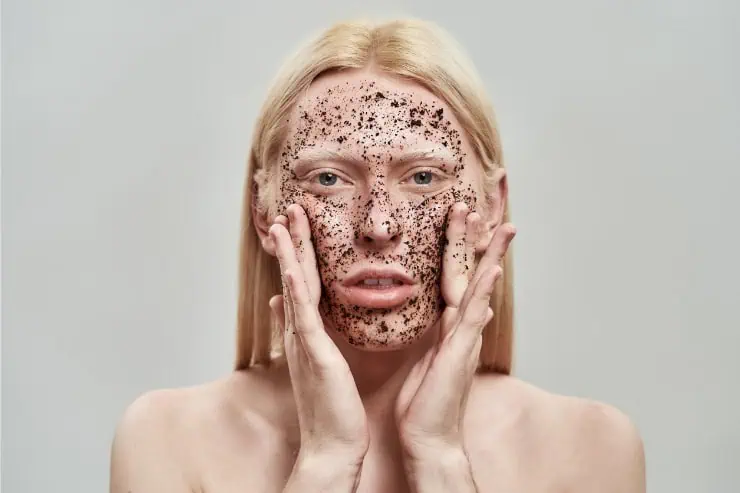
A tired appearance frequently comes from stagnation fluid retention, reduced circulation, or muscle tension. Light facial massage during skincare application can stimulate micro circulation and encourage lymphatic flow. Using fingertips to sweep outward along cheeks, jawline, and temples helps reduce puffiness and revive color. This technique takes seconds yet often produces immediate visual change: brighter tone and less swelling around the eyes. Importantly, pressure should remain gentle to avoid irritation. Consistent daily movement keeps tissues supple and prevents the heavy look associated with fatigue.
4. Maintain Soft Light Reflection Instead of Matte Perfection

Rested skin reflects light softly, not flatly. Heavy mattifying products or excessive powder remove this effect, creating a dry or mask-like surface. Even those with oilier skin benefit from allowing some natural sheen in key areas such as cheekbones or temples. Hydrating formulas, minimal powder placement, and avoiding over-blotting help maintain gentle luminosity. This kind of reflection mimics healthy hydration and makes features appear smoother. Many people chase matte longevity to reduce shine, but a completely matte face often reads more tired than slightly luminous skin. Preserving controlled glow keeps the complexion looking alive and dimensional rather than over-corrected or cosmetic.
5. Keep Tone Even With Consistent, Mild Care

Uneven tone redness, shadows, or dull patches signals fatigue more strongly than fine lines. Gradual, mild brightening habits can improve this without harsh treatments. Consistent sun protection, gentle exfoliation at appropriate intervals, and barrier-supporting hydration help maintain clarity. When tone looks even, less coverage is needed, and the skin appears naturally rested. Over-exfoliation or strong actives often backfire, causing irritation that increases redness and sensitivity. Slow, steady care produces a calmer surface that reflects light evenly. The goal is quiet correction rather than dramatic resurfacing.