If choosing an outfit feels overwhelming, you’re not alone. Many women especially over 50 feel frustrated by full closets and “nothing to wear” moments. As a stylist, I’ve worked with countless clients who hate getting dressed because their wardrobes are chaotic, cluttered, or simply no longer reflect who they are. The good news? You don’t need a huge closet or a fashion obsession to feel confident in your clothes. You just need a smart system. Here’s exactly how I organize a wardrobe for clients who want less stress, more clarity, and effortless style without overthinking every outfit.
Table of Contents
1. Start with a Full Closet Edit

Before you buy anything or rearrange shelves, you have to clear the clutter. I guide clients through every piece in their wardrobe, asking: Do you wear it? Does it fit now? Do you love how you feel in it? If the answer’s no, it goes. This isn’t about being ruthless it’s about being honest. Letting go of pieces that no longer serve you makes space for what does. Once the closet is cleared, what’s left is more focused, functional, and inspiring. And suddenly, the “what do I wear?” panic starts to fade.
2. Group Clothes by Category First

Once we’ve edited, I organize by category tops with tops, pants with pants, dresses with dresses. This helps clients quickly scan what they have and build outfits without digging. I avoid organizing solely by color at first it’s better to see functional groups together. Within each category, I might arrange by sleeve length or formality, depending on your lifestyle. This structure alone can cut decision time in half. When your wardrobe is grouped intuitively, it feels more like a personal boutique and less like a chaotic thrift store.
3. Create a “Go-To” Section
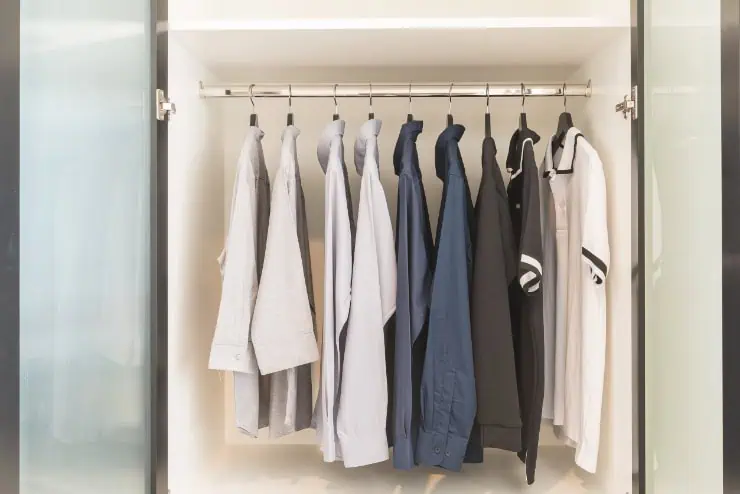
One of my secret weapons is the “go-to” zone a small section where we hang 7–10 outfits the client loves to wear. These are the no-fuss, flattering combinations that work for everyday life. We build them from what’s already in the closet. This becomes a grab-and-go rack, like your own curated capsule. I encourage clients to rotate seasonally and refresh it monthly. When getting dressed feels draining, this zone is a lifesaver. It’s not about fashion it’s about ease, comfort, and consistency.
4. Use Uniform Hangers (It Matters)

Switching to uniform hangers might seem trivial, but it makes a huge impact. Mismatched hangers visually clutter the closet and make it harder to spot what you need. I recommend thin, velvet or wooden hangers for most pieces they save space and look sleek. This small change gives your wardrobe an instant upgrade, making it feel more like a curated space. It’s also easier to maintain organization when hangers don’t tangle or break. When your closet feels calm, getting dressed becomes less of a battle.
5. Sort by Lifestyle, Not Occasion

Instead of dividing clothes into “work,” “casual,” and “dressy” categories, I group by how clients actually live. If most of your week is spent running errands, volunteering, or at home, those clothes should be the most accessible. It doesn’t make sense to bury your most-worn outfits under old officewear. This shift helps align your wardrobe with your real life, not just imagined scenarios. Your closet should support your daily routine, not just your someday events.
6. Remove the “Maybe Someday” Pile

Many women hang on to clothes they hope will fit again, or that they’ll wear “when the right event comes up.” I move those items out of daily rotation and into a separate box or bin labeled clearly. This frees up visual and emotional space in your closet. You can still revisit them, but they’re not in your way every morning. Clients say this one step instantly lowers stress. Your closet should reflect who you are now, not who you used to be, or who you might be someday.
7. Build Simple Outfit Formulas
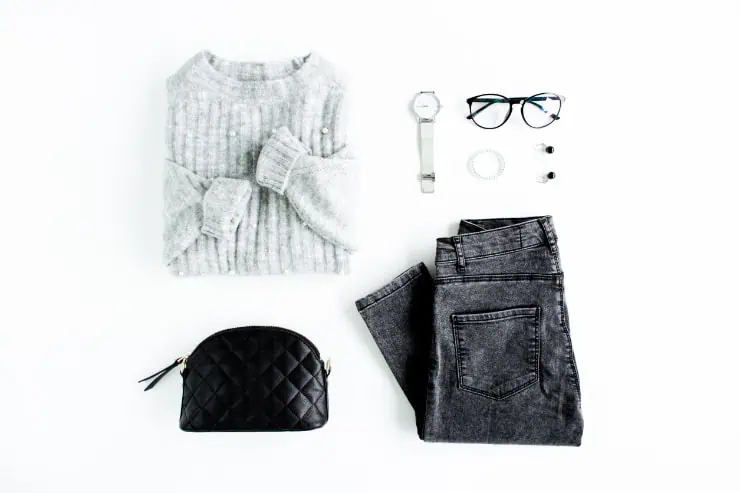
Once the closet is organized, I help clients build 3–5 easy outfit formulas that suit their shape, style, and routine. Examples: “slim pant + tunic + flat,” or “midi dress + cardigan + bootie.” These formulas act like templates, allowing you to mix and match without starting from scratch each morning. When you know what works, you don’t have to overthink. It also helps guide future shopping decisions, ensuring you buy pieces that plug into your formulas instead of random one-offs.