A sweater can look expensive or cheap long before anyone asks where it’s from. In fact, most people make that judgment almost instantly often within five seconds. The difference rarely comes down to brand names or price tags. Instead, it’s about proportion, fabric behavior, and finishing details that signal quality (or the lack of it). Stylish women learn to read these cues instinctively, which is why they can spot a poor knit from across a room. Knowing how to identify a cheap looking sweater saves money, elevates your wardrobe, and prevents outfits from feeling unintentionally dated or sloppy. Here’s how to tell at a glance whether a sweater will elevate your look or quietly undermine it.
Table of Contents
1. The Fabric Looks Flat or Shiny
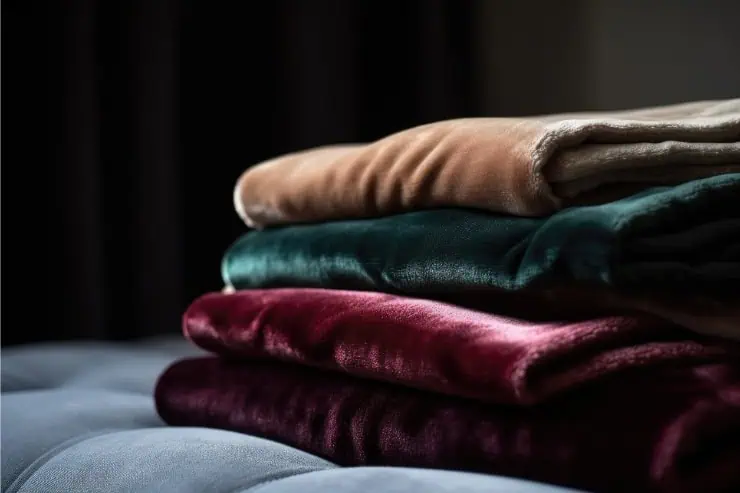
One of the fastest giveaways of a cheap sweater is how the fabric reflects light. Low quality synthetic knits often appear overly shiny or plasticky, especially under indoor lighting. Instead of absorbing light softly, they reflect it harshly, creating a flat, artificial appearance. Quality sweaters whether wool, cashmere, alpaca, or high grade blends have depth. The surface looks matte or softly dimensional, even from a distance. If the knit looks slick, squeaky, or uniformly glossy, it’s a strong indicator of low-quality fibers that won’t age well.
2. The Shape Collapses or Pulls

Cheap sweaters often lack structural integrity. Even when brand new, they may sag at the shoulders, collapse at the neckline, or cling awkwardly to the body. This happens when the yarn lacks resilience or the knit is too loose to hold its shape. In contrast, a well-made sweater maintains clean lines shoulders sit correctly, hems hang evenly, and the body skims rather than clings. If the sweater already looks tired, stretched, or misshapen on the hanger or model, it will only get worse with wear.
3. The Neckline Tells the Truth
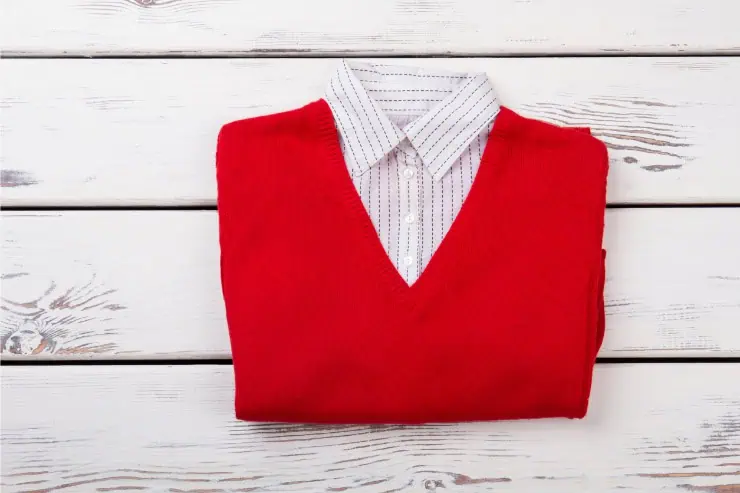
The neckline is one of the most revealing areas of a sweater. Cheap knits often have thin, floppy, or poorly reinforced necklines that ripple, curl, or stretch out quickly. Crew necks may gape, V-necks may twist, and turtlenecks may collapse instead of standing cleanly. A quality sweater has a neckline that looks intentional slightly structured, evenly stitched, and proportionate to the body of the garment. If the neckline already looks stressed or uneven, it’s a red flag you can spot instantly.
4. The Knit Gauge Looks Loose or Inconsistent
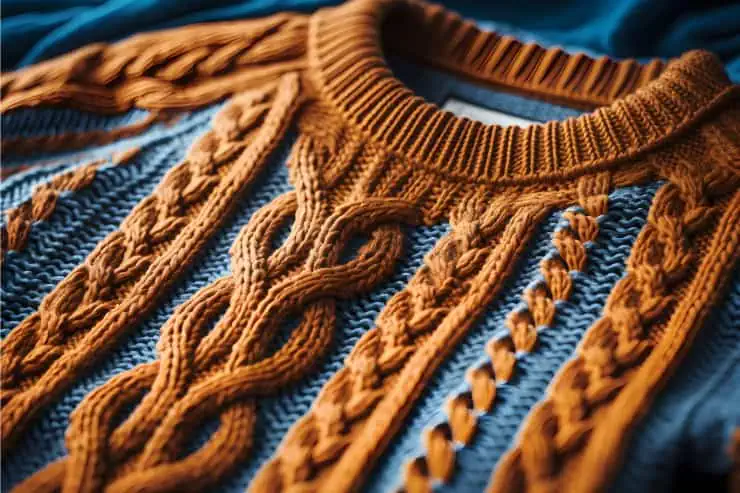
Knit gauge the tightness and consistency of the stitches plays a major role in how expensive a sweater appears. Cheap sweaters often use loose or uneven knitting to cut costs, which results in visible gaps, twisting stitches, or thin areas. These sweaters may look flimsy or overly casual, even when styled carefully. Higher-quality sweaters use a tighter, more uniform knit that creates visual weight and polish. If you can easily see through the knit or notice irregular stitching at a glance, the sweater will likely read cheap.
5. The Details Feel Rushed

Buttons, ribbing, hems, and cuffs reveal a lot in seconds. Cheap sweaters often have narrow ribbing that curls, uneven hems, or flimsy buttons that feel like an afterthought. Seams may look bulky or poorly aligned. Quality sweaters, on the other hand, have balanced proportions ribbing that lies flat, cuffs that hold their shape, and finishing that feels deliberate. Even without touching the garment, rushed details are visible. When the finishing looks careless, the entire sweater reads disposable rather than refined.