Skirts are one of the most revealing garments in a wardrobe not because of how much skin they show, but because of where they hit the leg. Stylists consistently say that length placement affects proportion more than almost any other detail. A skirt can be modest and modern or conservative and aging depending entirely on its length. Many women choose skirt lengths out of habit, comfort, or outdated rules, unaware that small changes can dramatically shift how an outfit reads. “Matronly” isn’t about age it’s about imbalance. These nine skirt lengths are the ones stylists most often flag as unintentionally aging.
Table of Contents
1. Mid Calf Length That Hits the Widest Part of the Leg

This is one of the most common and least flattering skirt lengths. When a skirt ends exactly at mid calf, it visually cuts the leg at its widest point, shortening the silhouette and adding heaviness. Stylists often see this length chosen for modesty or comfort, but it rarely serves proportion. Even on slim frames, mid-calf hems create a stumpy, grounded effect that reads dated. The problem isn’t coverage it’s placement. This length removes vertical flow and emphasizes width rather than length, which is why it’s frequently described as matronly rather than elegant.
2. Below the Knee Pencil Skirts with No Slit
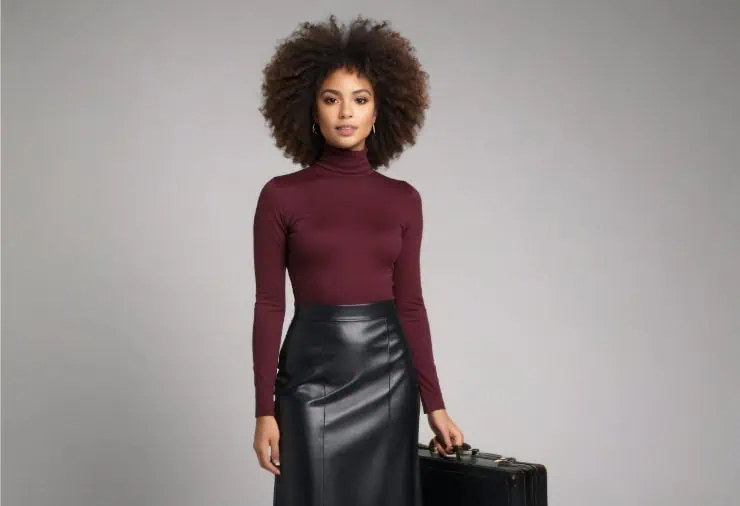
Pencil skirts that fall just below the knee and lack a slit were once considered the gold standard of “ladylike” dressing. Today, stylists say they often feel rigid and restrictive. Without movement, the skirt reads severe and outdated, especially when paired with sensible shoes. This length can make walking look stiff and uncomfortable, which subconsciously ages the wearer. Modern tailoring prioritizes ease and flow. When pencil skirts are too long and too tight without ventilation, they signal rules instead of confidence one of the clearest markers of matronly style.
3. Maxi Skirts That Drag Too Close to the Ground

Maxi skirts can be chic, but only when the length is precise. Stylists say overly long maxis that nearly skim the floor often look heavy and careless rather than relaxed. When fabric pools or hides the feet completely, the body loses shape and definition. This creates a “floating” effect that feels dated rather than intentional. Many women choose this length for comfort or coverage, but excessive length often reads as avoidance, not elegance. A modern maxi should feel light and purposeful not weighed down by excess fabric.
4. Knee Length Skirts with Stiff, Heavy Fabric
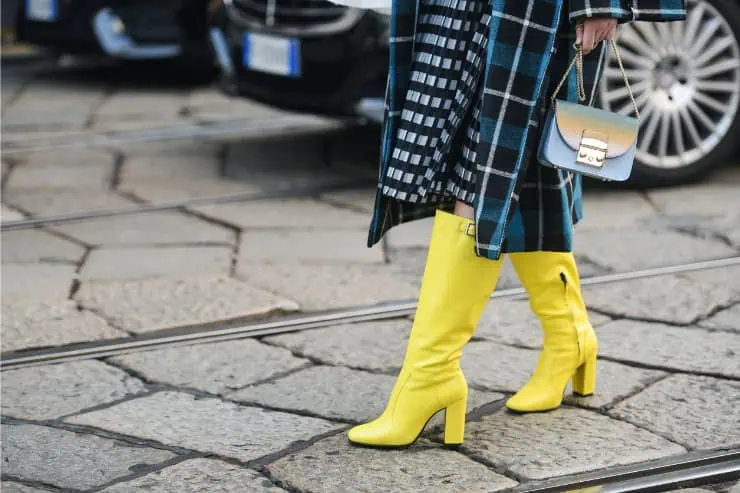
Knee length skirts aren’t inherently aging, but when combined with thick, rigid fabrics, they quickly become matronly. Stylists note that heavy tweeds, thick poly blends, or overly structured materials at the knee create a boxy, immobile look. This combination emphasizes stiffness over style. The issue isn’t the knee it’s the lack of movement. Modern skirts, even at classic lengths, need softness or stretch to feel current. When skirts appear armor-like, they project caution rather than confidence.
5. Tea Length Skirts with Excess Volume
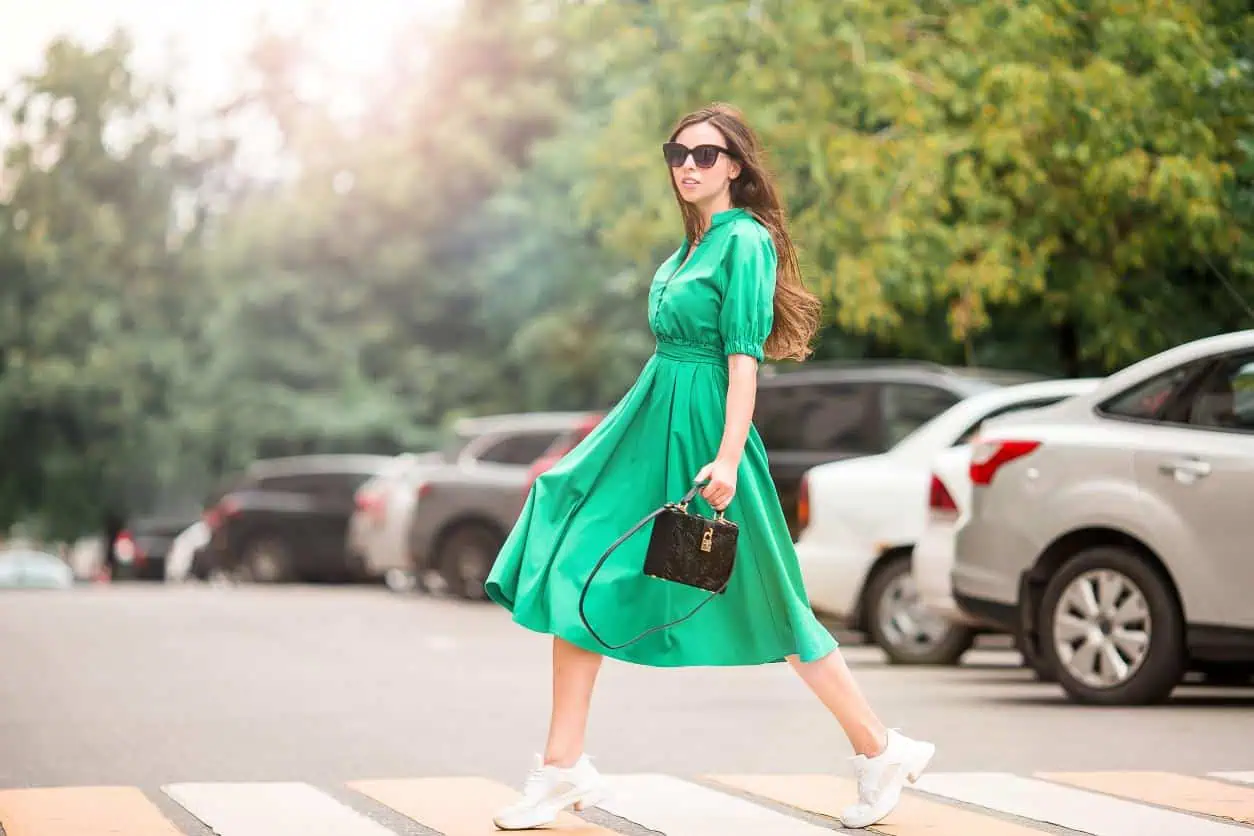
Tea length skirts falling between knee and ankle can be elegant, but excess volume at this length is risky. Stylists often see full, gathered tea length skirts overwhelm the frame, especially when paired with conservative tops. The result is a silhouette that feels costume like or dated. This length already interrupts the leg line, adding volume amplifies the problem. Instead of graceful, the outfit reads heavy and old-fashioned. Without careful styling and proportion, tea-length skirts easily tip into matronly territory.
6. Skirts That Stop Exactly at the Knee Cap
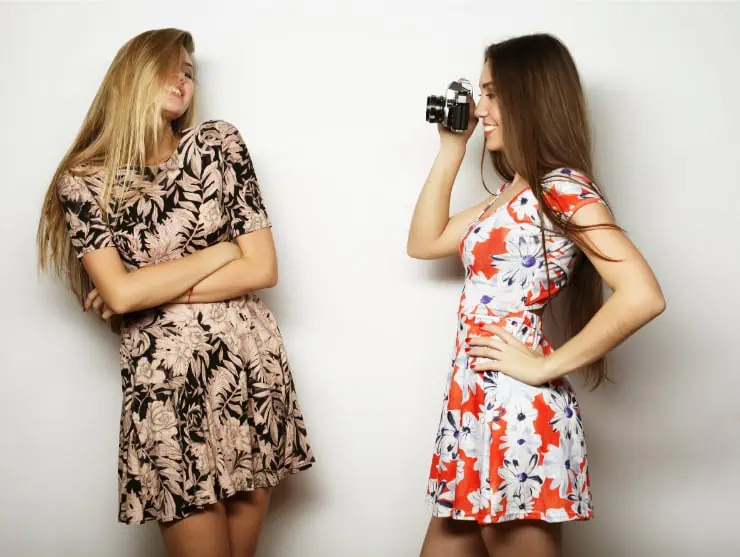
A skirt that ends precisely at the knee cap often creates an awkward visual break. Stylists explain that this exact placement draws attention to the knee itself rather than the leg as a whole. The effect is abrupt and unflattering, especially when paired with flats. This length can feel overly cautious neither modern nor intentionally classic. Moving the hem slightly above or below the knee creates flow and balance. Precision at the wrong point often reads as dated correctness rather than style.
7. Midi Skirts with No Shape or Structure
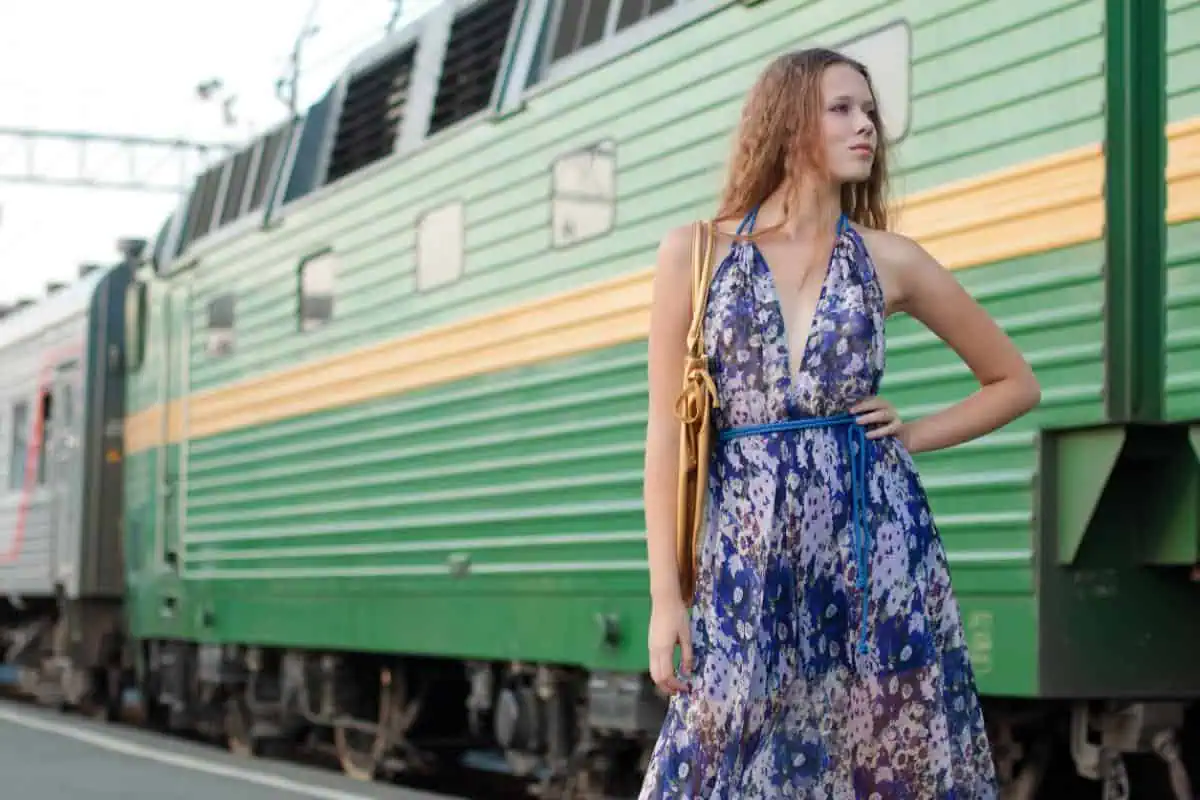
Midi skirts are everywhere but shapeless versions are a major culprit in matronly dressing. Stylists frequently see straight, elastic-waist midis worn without any tailoring or intention. These skirts cling in the wrong places and sag in others, offering no visual structure. Instead of modern ease, they suggest resignation. A midi should either skim with purpose or hold shape intentionally. When it does neither, it drains energy from the outfit and ages the wearer instantly.
8. Asymmetrical Hemlines Done Incorrectly
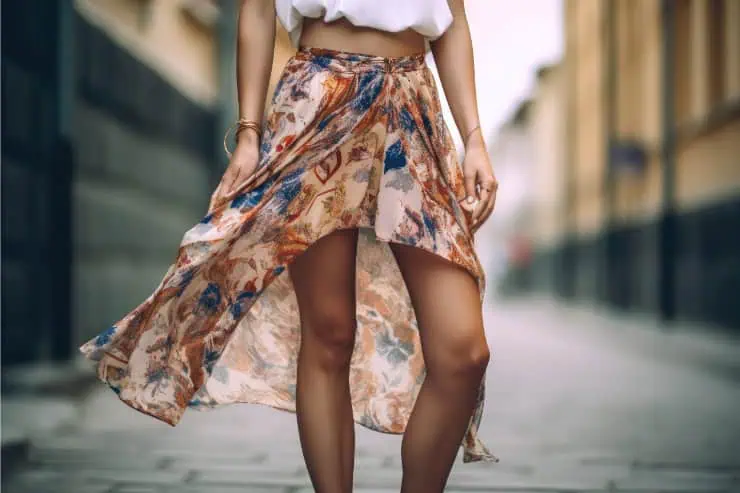
Asymmetry can look modern or extremely dated. Stylists say poorly designed asymmetrical hems, especially those popular in the early 2000s, now read matronly rather than edgy. Uneven lengths that lack balance or intention confuse the eye and disrupt proportion. When asymmetry feels random rather than architectural, it looks like an old trend resurfacing instead of a current design choice. Modern asymmetry is clean and deliberate. Anything else risks looking like a relic.
9. Any Skirt Length Chosen Out of Fear

The most matronly skirt length of all isn’t a measurement it’s a mindset. Stylists say skirts chosen primarily to “hide,” “be safe,” or “not draw attention” often end up aging the wearer regardless of length. Fear-based dressing leads to overly cautious hems that lack confidence. Style thrives on intention, not avoidance. When women choose skirt lengths that reflect comfort and self-assurance, the outfit comes alive. Matronly style disappears the moment fear does.