Skincare needs change significantly after 60. Skin becomes thinner, drier, slower to regenerate, and more sensitive to overuse. Yet many women continue using products designed for younger, oilier, or acne prone skin because they’ve always worked “well enough.” Dermatologists emphasize that wasting money isn’t about price it’s about misalignment. Products that once delivered visible benefits may now do very little or even work against mature skin. This article highlights nine skincare categories dermatologists often say are no longer worth the investment after 60, along with the reasoning behind why they fall short at this stage of life.
Table of Contents
1. Harsh Physical Exfoliating Scrubs
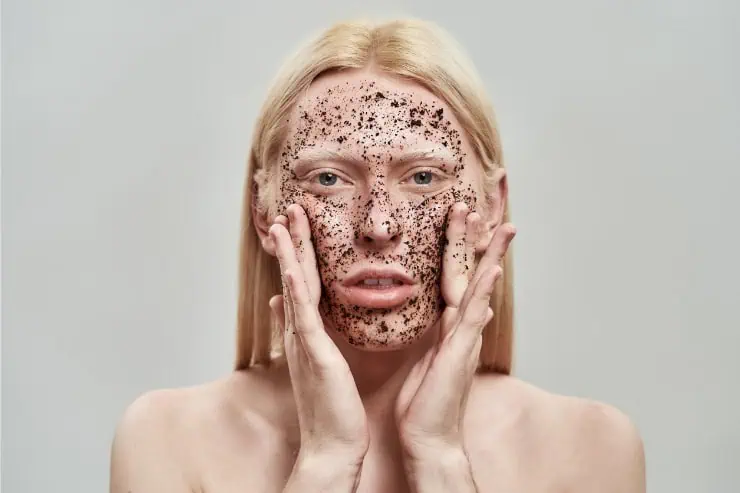
Dermatologists widely agree that gritty exfoliating scrubs do more harm than good after 60. Mature skin is thinner and more fragile, making it prone to micro-tears that aren’t always visible but weaken the skin barrier over time. While scrubs promise smoothness and brightness, they often cause irritation, redness, and increased sensitivity instead. Skin renewal naturally slows with age, meaning aggressive exfoliation doesn’t speed results it delays healing. Dermatologists recommend gentler chemical exfoliants used sparingly or focusing on hydration and barrier repair instead. Scrubs may feel satisfying, but the long-term payoff for mature skin is minimal.
2. Alcohol Heavy Toners

Many traditional toners rely on alcohol to “tighten” pores and remove oil. After 60, this function becomes largely unnecessary and counterproductive. Dermatologists note that mature skin produces less oil, so alcohol-based toners often strip away essential moisture, worsening dryness and fine lines. The temporary tight feeling can be mistaken for effectiveness, but it actually signals dehydration. Over time, repeated use weakens the skin’s protective barrier and increases sensitivity. Modern skincare no longer requires harsh toning steps. For mature skin, hydrating essences or barrier-supporting mists provide far greater benefit than alcohol-heavy toners.
3. Anti Acne Spot Treatments
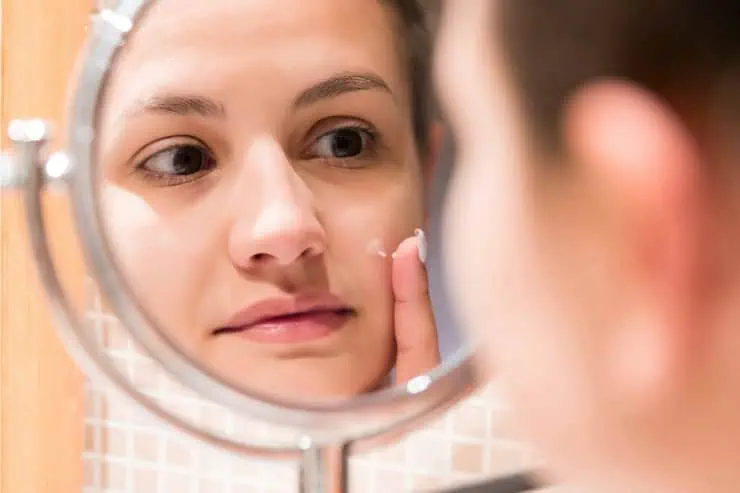
Unless acne is still an active concern, traditional spot treatments are often a waste of money after 60. Dermatologists explain that many acne formulas contain benzoyl peroxide or salicylic acid in concentrations designed for youthful, resilient skin. On mature skin, these ingredients can cause excessive dryness, peeling, and irritation without delivering meaningful results. Occasional breakouts at this age are more often hormone- or stress-related and respond better to gentle balancing products. Using harsh spot treatments can disrupt skin comfort and healing. Targeted calming treatments are usually a better investment.
4. Overly Fragranced Skincare Products
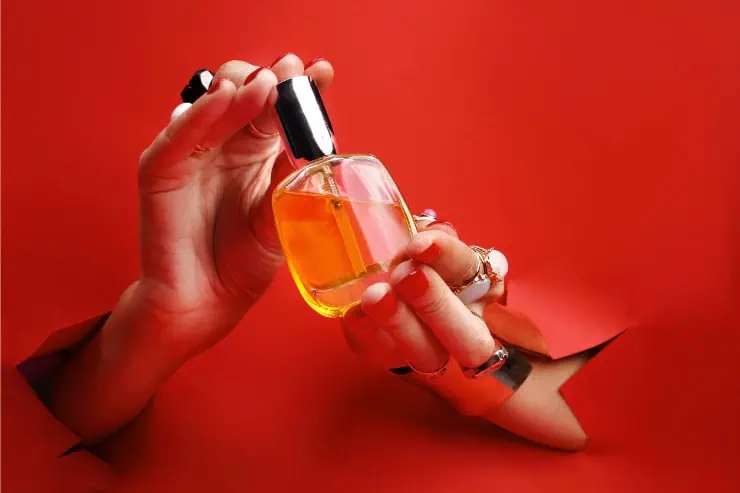
Fragrance is one of the most common irritants dermatologists flag for mature skin. While scented creams may feel luxurious, fragrance offers no skincare benefit and often triggers sensitivity as skin ages. After 60, the skin barrier is less efficient at defending against irritants, making reactions more likely over time even to products previously tolerated. Dermatologists emphasize that irritation doesn’t always show up as redness; it can appear as dullness, rough texture, or increased dryness. Paying extra for fragrance is essentially paying for a risk factor, not a benefit.
5. Sheet Masks With Short Term Effects
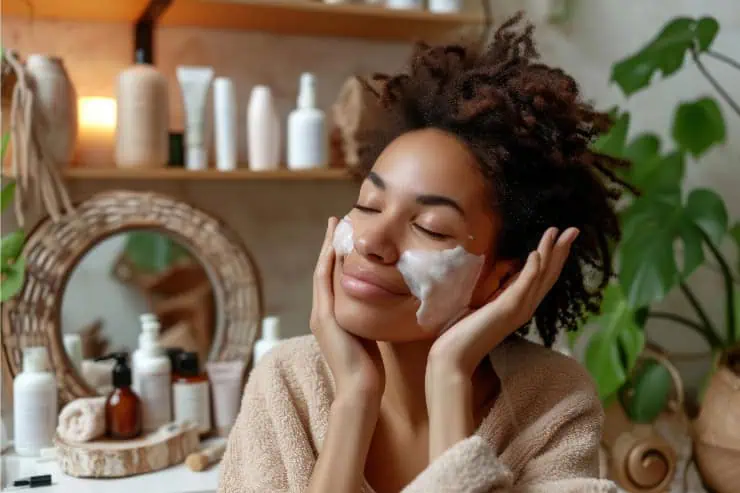
Sheet masks are popular for instant glow, but dermatologists consider them poor long term investments for mature skin. While they deliver a temporary boost of hydration, the effects fade quickly and don’t support structural skin changes. After 60, skin benefits more from consistent barrier repair than one-off treatments. Sheet masks also encourage overuse of actives in a short period, which can irritate sensitive skin. Dermatologists recommend investing instead in daily moisturizers with ceramides, lipids, and humectants that deliver cumulative improvement rather than fleeting results.
6. Eye Creams That Only Offer Moisture
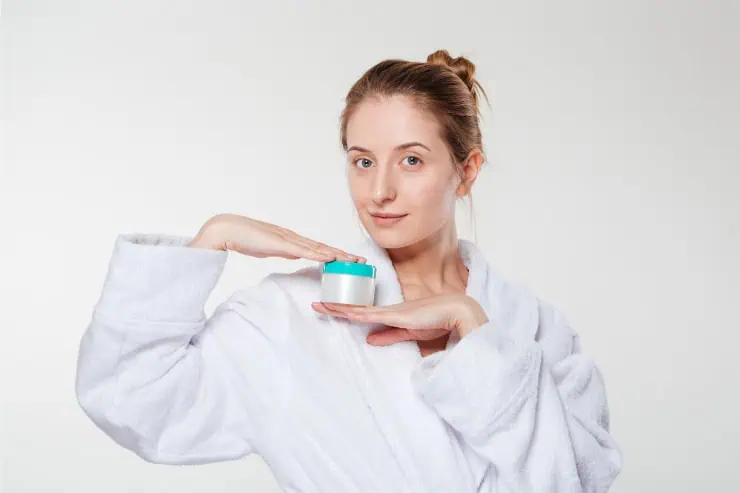
Many eye creams marketed to older women provide nothing beyond basic hydration often at a premium price. Dermatologists note that unless an eye cream includes targeted ingredients like peptides or retinoids (used carefully), it performs no differently than a well-formulated face moisturizer. Thin under-eye skin after 60 needs support, not just softness. Paying extra for packaging and marketing doesn’t improve outcomes. In many cases, a gentle, fragrance-free facial moisturizer works just as well, making simple eye creams a questionable investment.
7. Pore Minimizing Products
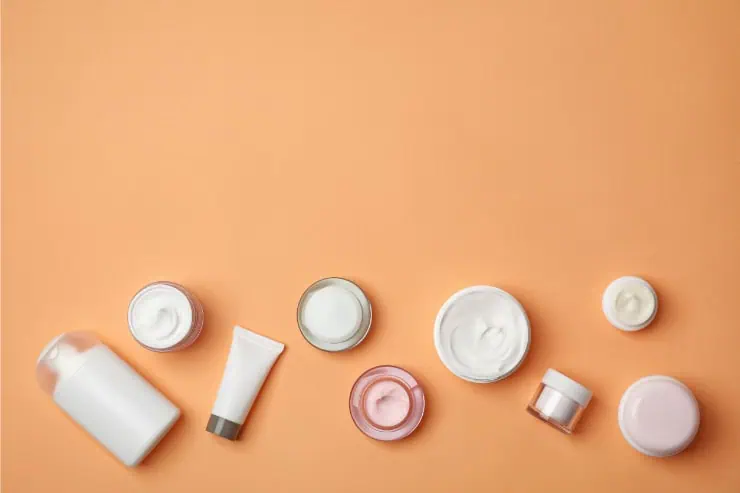
Pore minimizing serums and primers are largely ineffective after 60, according to dermatologists. Pores don’t shrink permanently, and mature skin concerns shift away from oil control toward elasticity and hydration. Many pore products rely on silicone-heavy formulas that temporarily blur texture but don’t improve skin health. Dermatologists emphasize that visible pores at this age are often a result of collagen loss, not congestion. Addressing skin structure with hydration and sun protection offers more benefit than chasing pore size with cosmetic quick fixes.
8. High Strength Retinol Without Medical Guidance
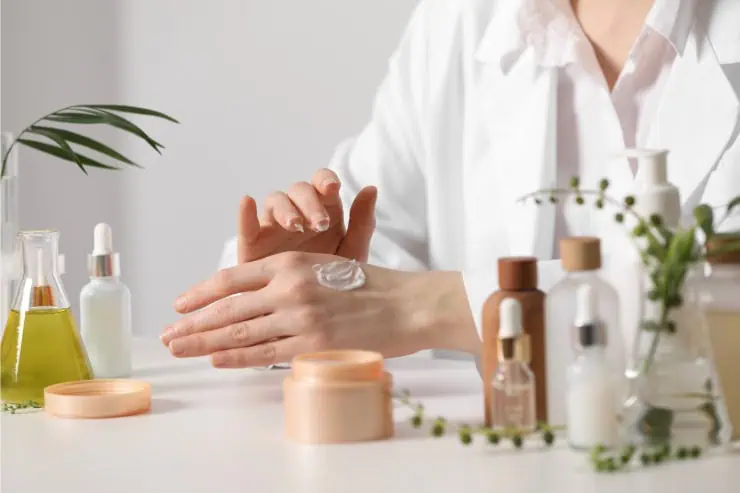
Retinol remains valuable, but high-strength over the counter versions can be a waste of money or even harmful after 60 if used incorrectly. Dermatologists stress that mature skin requires careful dosing, spacing, and formulation. Strong retinol products often cause peeling, irritation, and inflammation that outweigh benefits. Without professional guidance, many women overuse these products hoping for faster results. Lower-strength retinoids used consistently or prescription options monitored by a dermatologist deliver better outcomes. Paying more for stronger isn’t always smarter.
9. Trend Driven “Miracle” Serums

Dermatologists caution against constantly rotating trendy serums promising dramatic transformation. Mature skin thrives on consistency, not experimentation. Many viral products contain overlapping actives that overload sensitive skin and disrupt the barrier. While marketing suggests innovation, dermatologists emphasize that proven ingredients used correctly matter more than novelty. Chasing trends often leads to wasted money and confused skin. After 60, fewer well-chosen products deliver better results than constantly adding the “next big thing.”