Stylists often say that outerwear is the loudest item in a winter wardrobe. You can be wearing modern jeans, great boots, and a beautiful knit but if your coat creates the wrong shape, the entire look collapses into what many professionals quietly call the “instant grandma” silhouette. This has nothing to do with age and everything to do with proportion, structure, and outdated design logic. Many of these outerwear pieces were created for a different era of styling, footwear, and lifestyle. When worn today without adjustment, they soften the body, shorten the frame, and signal habit rather than intention.
Table of Contents
1. The Boxy Hip Length Puffer
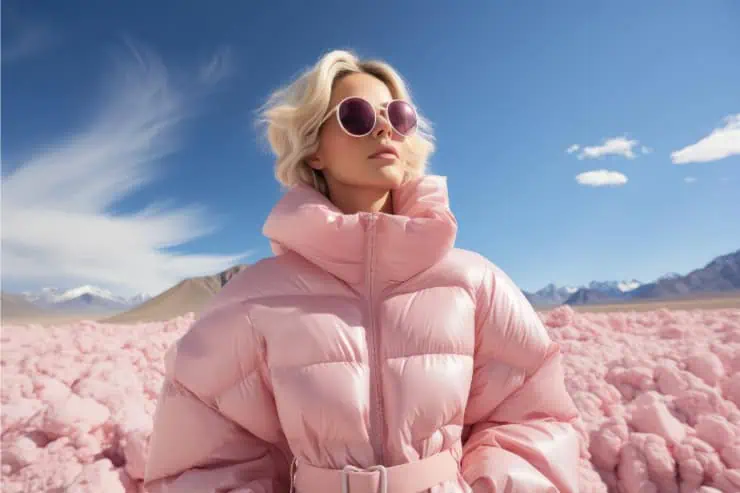
The hip-length puffer with straight sides and no shaping is one of the most common offenders. It cuts the body exactly at its widest point, eliminating any vertical line and creating a square, compressed silhouette. Stylists note that this shape overwhelms the torso while shortening the legs, especially when paired with practical shoes. The issue isn’t puffers themselves it’s proportion. This length and shape were designed for function, not visual balance. Without a defined hem, waist, or intentional contrast, the body disappears inside the jacket, producing an instantly dated, overly sensible profile.
2. The Soft, Collarless Wool Coat
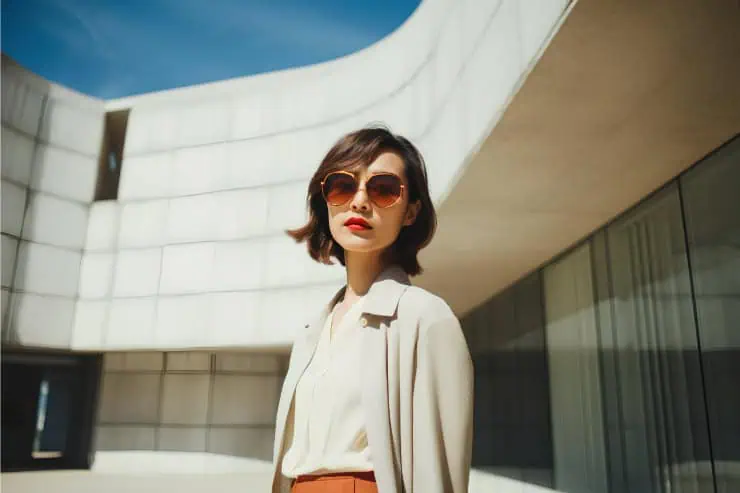
Collarless wool coats often look elegant on a hanger but fall flat on the body. Without lapels or structure at the neckline, the coat collapses inward, softening the shoulders and upper chest. Stylists associate this silhouette with conservative dressing because it avoids visual authority. The lack of sharp lines removes contrast, making the outfit feel polite rather than powerful. Over time, this shape has become linked with aging wardrobes because it prioritizes comfort and neutrality over presence.
3. The Mid Thigh Quilted Jacket
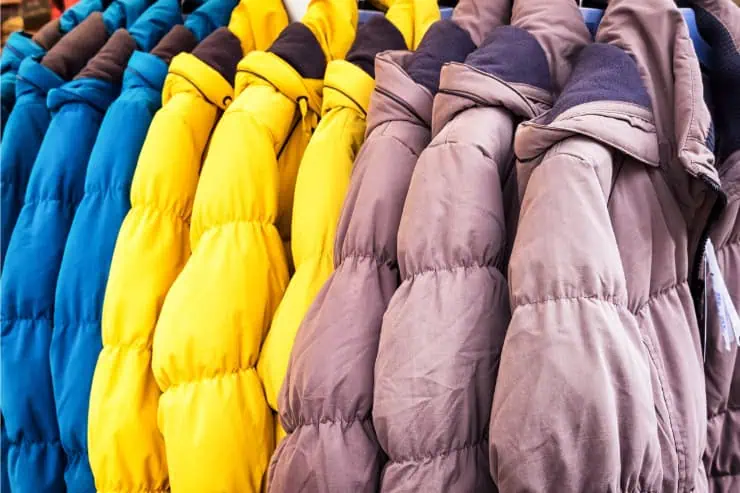
Quilted jackets that hit mid-thigh often land in no-man’s-land. Too long to feel sporty, too short to feel elegant, they create an awkward proportion that visually widens the hips and thighs. The quilting adds texture and bulk right where most people don’t want emphasis. Stylists point out that this length disrupts the vertical line and often pairs poorly with modern footwear. The result is a silhouette that feels practical, cautious, and unmistakably dated.
4. The Rounded Cocoon Coat
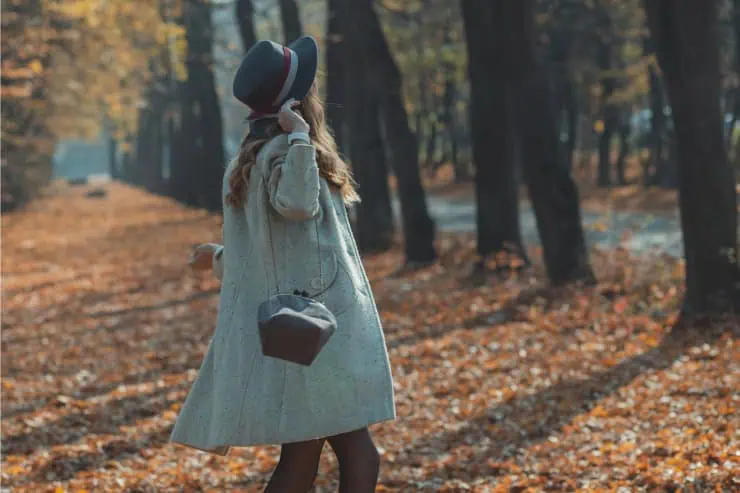
Cocoon coats are designed to curve inward, but when the fabric is too soft or the volume uncontrolled, the shape becomes engulfing. Instead of intentional volume, the coat swallows the frame. Stylists note that cocoon silhouettes without sharp tailoring remove all body reference points, which creates a lumped, matronly effect. This style worked when paired with slim trousers and heels, but today it often feels heavy and nostalgic.
5. The Dated Faux Fur Trim Coat

Coats with thick faux fur trim especially at the hood or cuffs are strongly associated with older winter styles. The trim adds bulk and visual noise, pulling focus away from the face and body. Stylists note that faux fur used this way reads as decorative rather than intentional, creating a costume-like effect. Modern luxury outerwear favors clean lines and restrained texture; excessive trim signals a past era of dressing.
6. The Shapeless Swing Coat
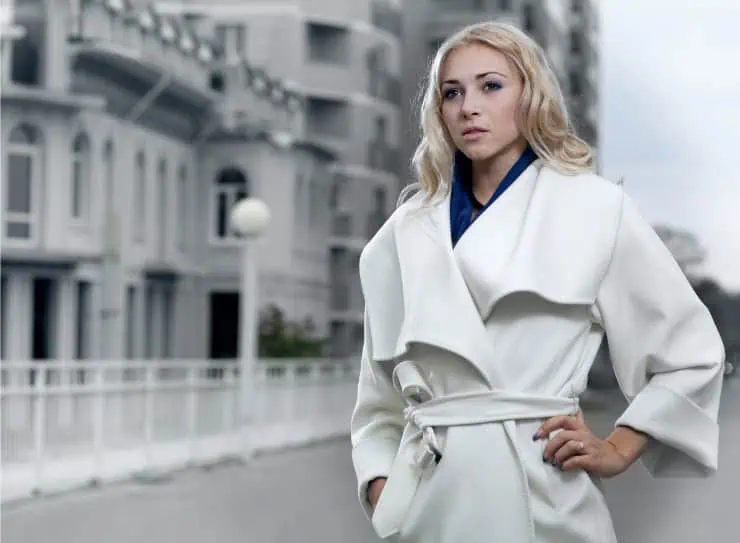
Swing coats prioritize movement and ease, but without structure they create excessive volume through the torso. Stylists often describe this shape as aging because it erases posture and proportion. The fabric floats away from the body, making the wearer look swallowed rather than styled. Without tailoring or strong accessories, the swing coat creates a gentle, grandmotherly silhouette rooted in comfort over clarity.
7. The Traditional Double Breasted Peacoat
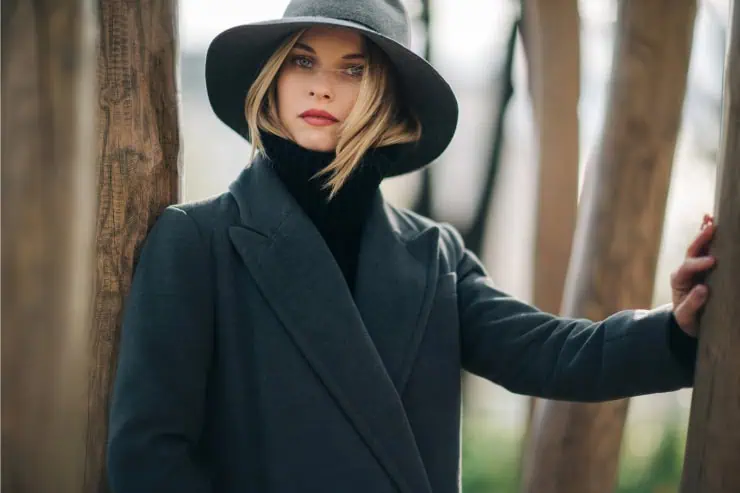
Classic peacoats with wide lapels and heavy buttons can feel overly rigid and conservative when worn unchanged. The double-breasted closure adds width to the torso, and the short length often cuts the body awkwardly. Stylists don’t reject peacoats outright but they note that traditional versions, especially in stiff fabrics, feel stuck in a past decade. Without modern proportions, they read as uniform-like and dated.
8. The Ultra Padded Long Puffer
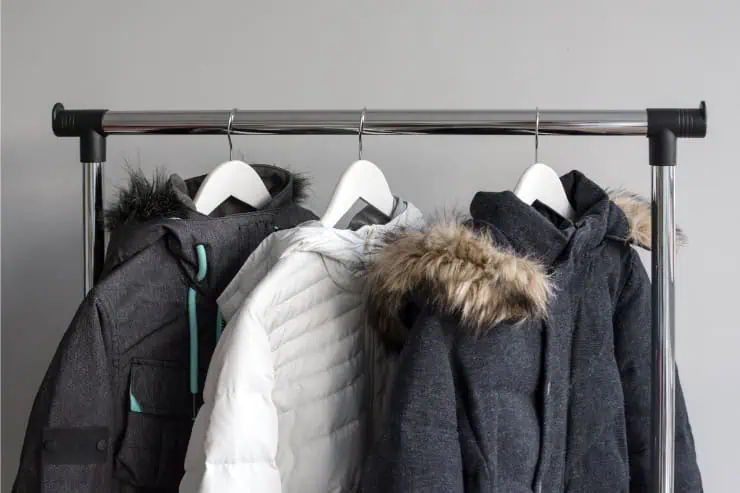
Long puffers provide warmth, but excessive padding creates an all-over bulk that eliminates shape. Stylists say the problem isn’t length it’s density. When padding is too thick from shoulders to hem, the coat becomes the silhouette. Movement is restricted, lines disappear, and the wearer looks encased. Without strategic quilting or contrast, ultra-padded long puffers produce a heavy, matronly profile.