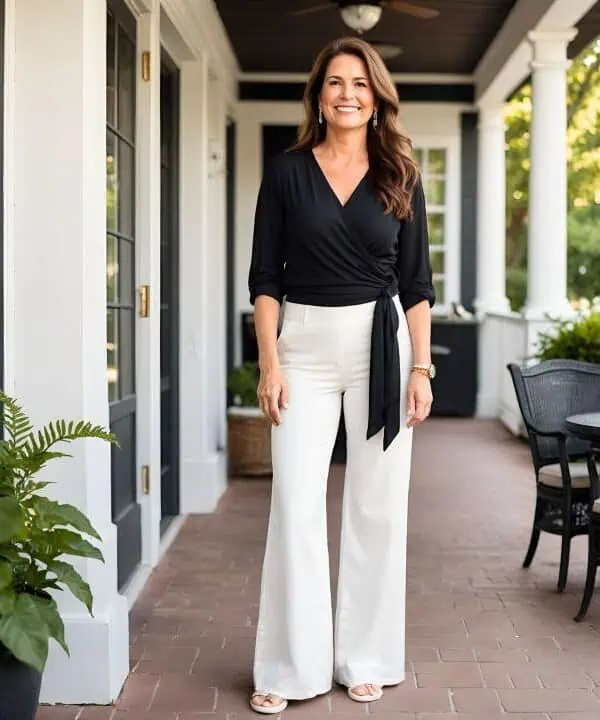
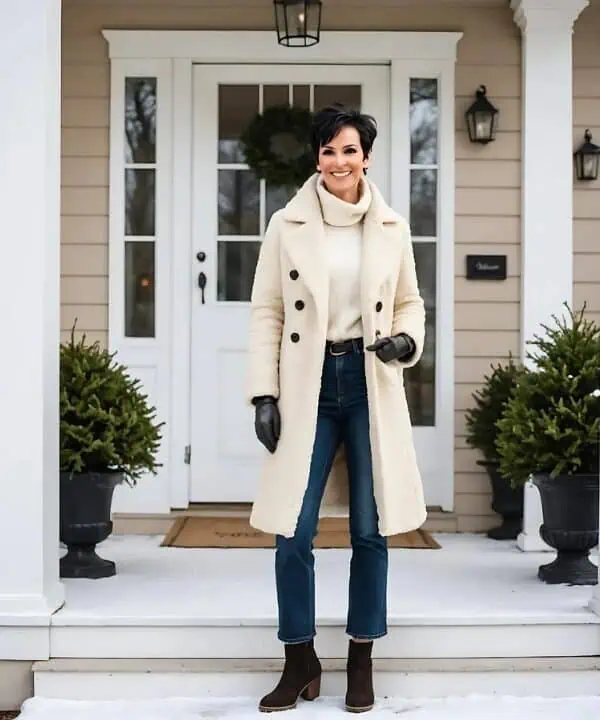
The marshmallow effect happens when warmth overtakes shape. It’s that overly padded, overly bundled look where layers stack without intention, turning even stylish pieces into one indistinct mass. This isn’t about body size or age it’s about proportion, compression, and visual hierarchy. Winter dressing is particularly tricky because we instinctively add more without reassessing balance. Each extra layer may make sense on its own, but together they can erase structure, shorten the silhouette, and create unnecessary volume. The most stylish winter outfits aren’t the warmest-looking ones they’re the most controlled.
Table of Contents
1. Wearing Bulky Knits Under Bulky Coats
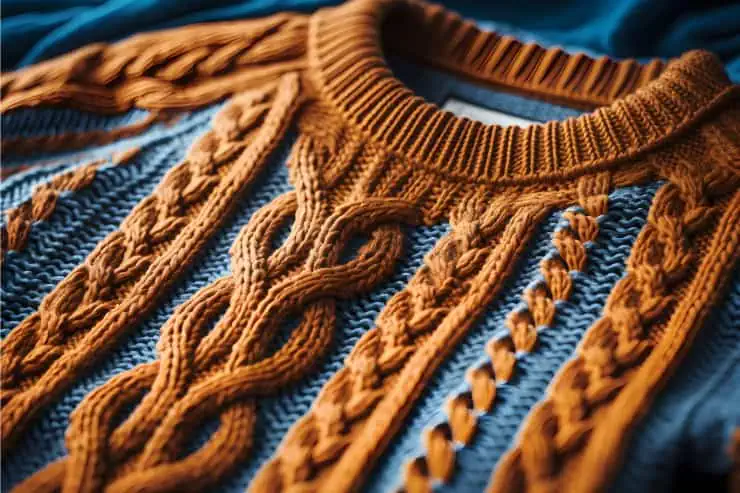
Layering a chunky sweater under an equally bulky coat is one of the most common winter mistakes and one of the most visually damaging. When both layers carry volume, they compete rather than complement. The torso and arms lose all definition, creating a rounded, inflated shape instead of a streamlined silhouette. Even high-quality pieces can look clumsy when stacked this way. The issue isn’t warmth, it’s redundancy: you’re doubling insulation where one strong outer layer would suffice. Visually, the body disappears entirely, replaced by fabric mass.
2. Letting Every Layer Hit the Same Length
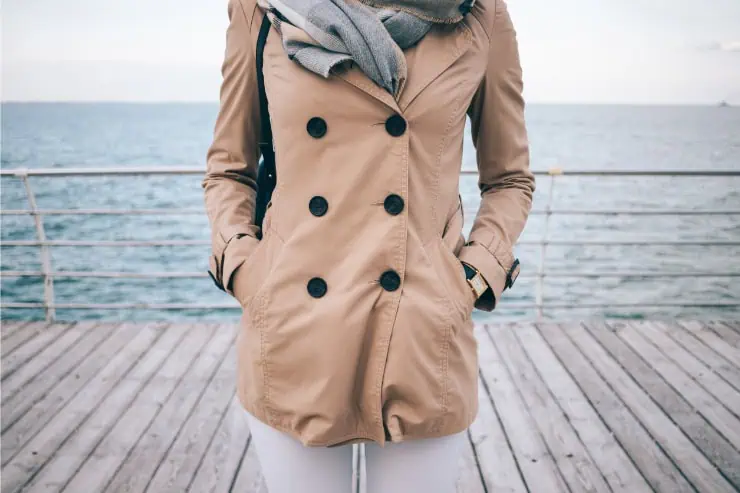
When your base layer, sweater, coat, and even scarf all end around the same point on the body, the silhouette becomes blocky and compressed. The eye has no vertical path to follow, so the outfit reads as one solid chunk rather than a layered look. This is especially common with hip-length knits under hip length coats, creating a square outline. Even slim pieces can look bulky when their hems align too closely. Staggered lengths create rhythm and intention short under long, fitted under oversized. Without variation, layers visually stack instead of flowing, contributing directly to the marshmallow effect.
3. Overusing Puffer Jackets Without Balance
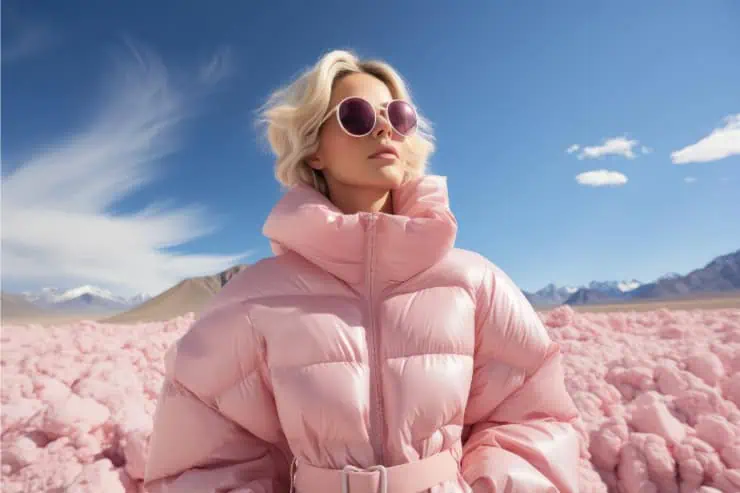
Puffer jackets are designed for insulation, which means they naturally add volume. When worn without balance, they dominate the entire outfit. Pairing a puffer with thick sweaters, wide-leg pants, and chunky boots creates bulk from top to bottom. The result is warmth at the expense of proportion. Puffers work best when contrasted with sleeker elements streamlined trousers, slim knits, or sharp accessories. Without those counterpoints, the jacket becomes the silhouette rather than part of it. The marshmallow effect appears when padding replaces structure and no other element reins it in.
4. Adding Scarves as Bulk Instead of Structure

Scarves are often treated as an afterthought, but oversized or heavily wrapped scarves can add significant volume to the upper body. When layered over thick coats, they push bulk upward toward the face, erasing the neckline and shoulder line. This creates a top-heavy, crowded appearance. Scarves should guide the eye vertically or add contrast not pile on mass. Too much fabric around the neck shortens the visual line of the torso and contributes to a swollen silhouette. Strategic draping matters more than size.
5. Ignoring Compression Layers
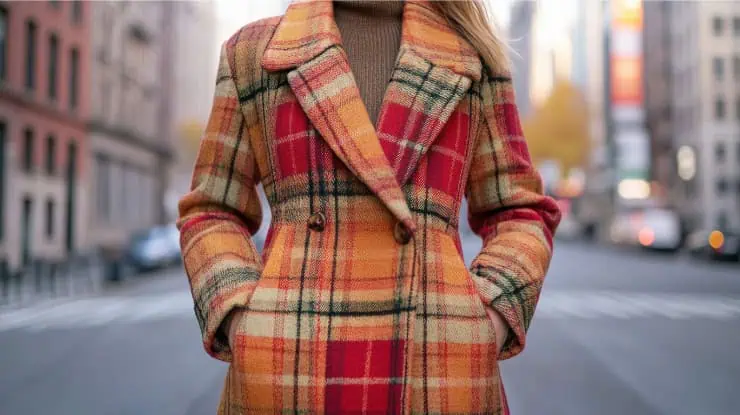
Skipping slim, insulating base layers forces all warmth to come from visible outer layers. This leads to piling on thicker sweaters and heavier coats, which quickly creates bulk. Compression layers thermal tops, fine merino, or technical fabrics trap heat without adding volume. They allow outer layers to stay streamlined and intentional. Without them, outfits rely on excess fabric for warmth, which inevitably creates the marshmallow effect. Invisible layers are one of the most effective tools for maintaining shape in winter.
6. Choosing Soft, Collapsing Fabrics Only
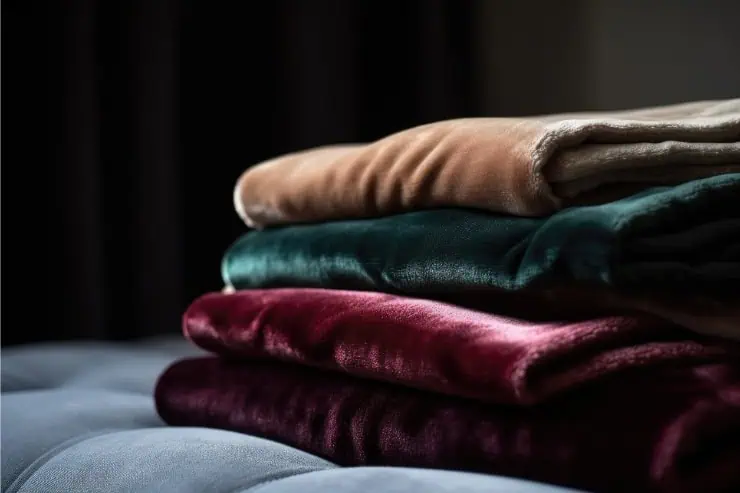
Head-to-toe softness may feel cozy, but visually it collapses the silhouette. Fabrics like fleece, brushed knits, and padded nylon absorb shape instead of holding it. When every layer is soft, there are no edges or lines to define the body. The outfit loses clarity and becomes amorphous. Winter outfits need at least one element with structure a tailored coat, a firm boot, or a defined bag. Structure gives softness something to lean against. Without it, layers melt into each other, creating bulk without intention.
7. Layering Too Many Similar Neutrals
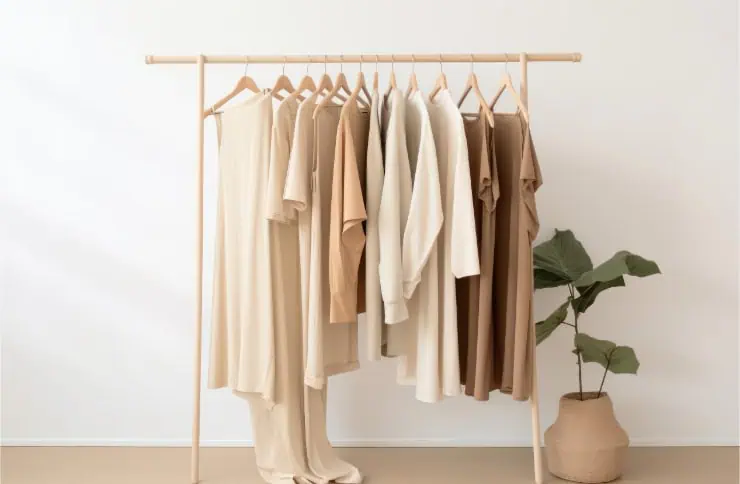
Wearing multiple layers in the same muted tone especially beige, grey, or cream can cause the outfit to blur into one indistinct mass. Without color contrast or texture variation, layers visually merge rather than separate. This amplifies the appearance of bulk because the eye can’t distinguish where one garment ends and another begins. Contrast doesn’t require bright colors; it requires differentiation. Mixing tones, textures, or finishes creates visual breaks that prevent the marshmallow effect.
8. Letting Sleeves Stack and Bunch

Long sleeves layered under long sleeves often create bunching at the wrists and forearms. This buildup of fabric adds visual weight to the arms and disrupts clean lines. It can make even slim layers look bulky and uncomfortable. Intentional sleeve management choosing fitted underlayers, rolling cuffs, or tailoring sleeve lengths keeps proportions sharp. Messy sleeves signal excess rather than ease. Clean wrists restore lightness to heavy winter outfits.
9. Wearing Chunky Shoes with Chunky Layers
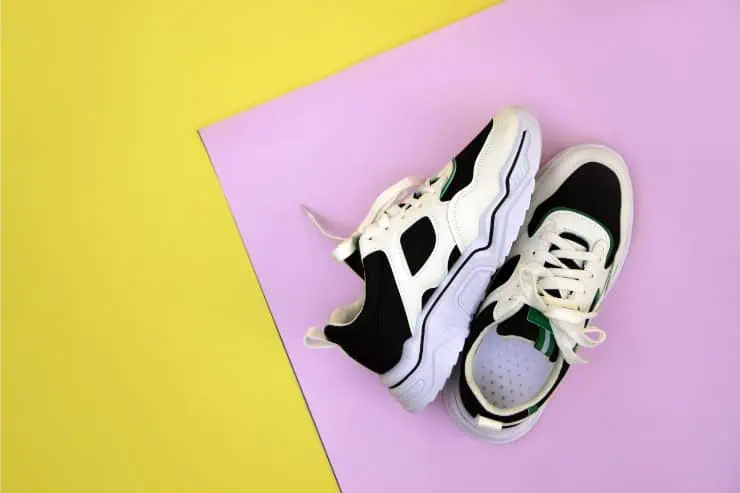
Chunky shoes already add visual weight at the bottom of the outfit. When paired with bulky coats, thick knits, and padded pants, the silhouette becomes grounded and squat. The weight accumulates everywhere, leaving no contrast. Chunky footwear works best when balanced with sleeker layers above. Without that balance, the outfit feels heavy from head to toe. The marshmallow effect thrives when there’s no relief point in the silhouette.
10. Treating Warmth as the Only Goal
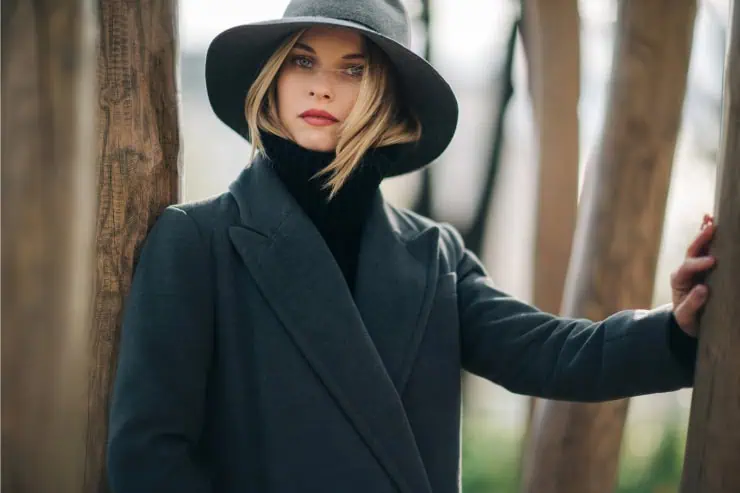
When warmth becomes the sole objective, shape is usually the first thing sacrificed. The marshmallow effect is rarely caused by one bad piece it’s caused by abandoning intention. Every added layer should earn its place by contributing to proportion, contrast, or structure. Stylish winter dressing considers warmth, movement, and silhouette together. When intention replaces accumulation, outfits feel cozy without looking bulky or overwhelmed.