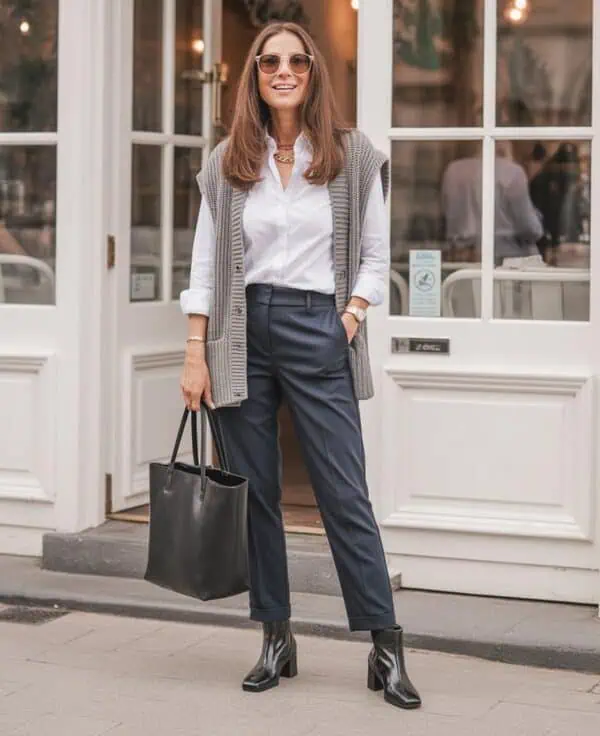
Fashion advice can often feel overwhelming, contradictory, or unrealistic for everyday life. Trends change quickly, influencers promote endless shopping, and many style rules seem designed for runways rather than real people with budgets, routines, and varying body types. However, there are a few timeless guidelines that genuinely make getting dressed simpler and more successful. These rules aren’t about perfection or rigid standards they’re about helping you feel comfortable, confident, and put together with minimal effort. By focusing on fit, balance, and thoughtful choices, you can build outfits that work for your lifestyle and flatter your personal style. Here are seven fashion rules that truly help in real life.
Table of Contents
1. Fit Matters More Than Size
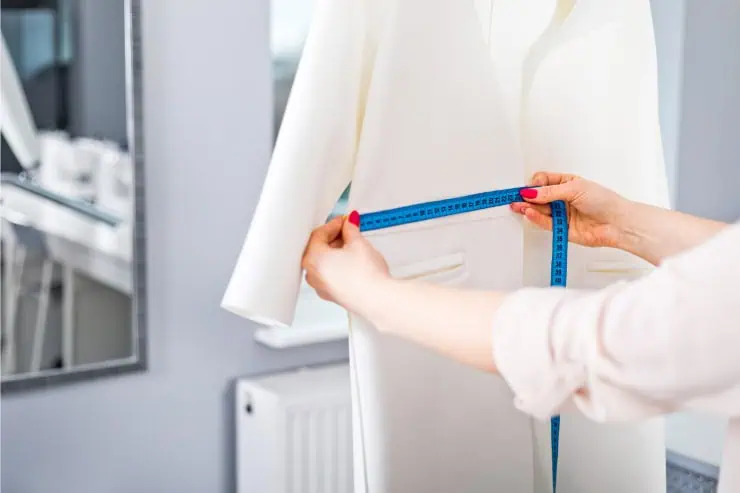
One of the most valuable fashion rules is prioritizing fit over the number on the tag. Clothing that fits well instantly looks more flattering, polished, and expensive, regardless of brand. Many women hold onto a specific size as a goal, but wearing items that are too tight or too loose can make outfits uncomfortable and unshapely. Tailoring pieces like trousers, blazers, or dresses can transform how they look and feel, often for a small cost. Accepting that sizes vary widely between brands removes unnecessary stress and allows you to focus on what truly matters: comfort, movement, and the way the garment complements your body shape. Choosing fit over size leads to a more confident and effortless appearance.
2. Balance Your Silhouette

Creating a balanced silhouette is a simple rule that has a major impact on how outfits look. When one part of your outfit is voluminous, pairing it with something more fitted helps maintain proportion. For example, wide-leg pants look best with a slimmer top, while oversized sweaters pair well with streamlined bottoms. This balance prevents outfits from appearing bulky or shapeless and highlights your natural shape in a flattering way. Understanding silhouette rather than following fleeting trends gives you more control over your style. It allows you to build outfits that feel intentional and visually appealing, making getting dressed easier and more consistent.
3. Invest in Versatile Basics
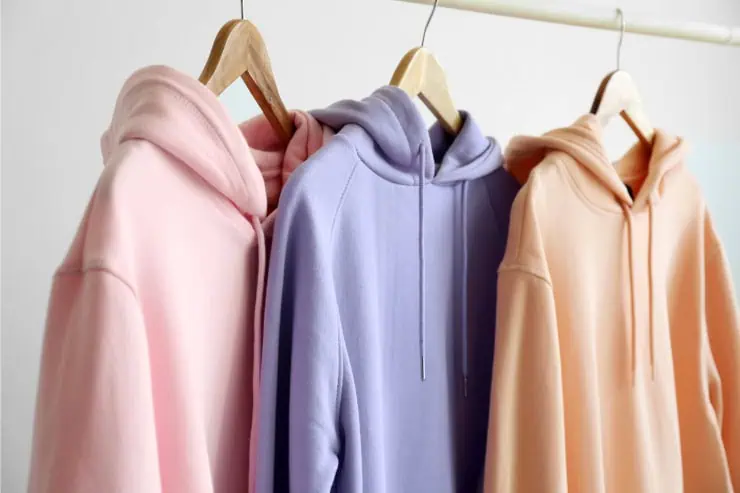
Having a foundation of reliable basics makes everyday styling much simpler. Versatile items like well-fitting jeans, neutral sweaters, classic coats, and comfortable shoes serve as building blocks for countless outfits. They reduce decision fatigue and ensure you always have something to wear. Investing in quality basics means they last longer, look better, and feel more comfortable than fast-fashion alternatives. You don’t need a huge wardrobe just thoughtful pieces that mix and match easily. With strong basics, adding accessories or seasonal items becomes effortless, helping you create stylish looks without constant shopping or trend chasing.
4. Accessories Make a Difference

Accessories are one of the easiest ways to elevate an outfit with minimal effort. A simple look like jeans and a tee can instantly feel polished with a scarf, statement earrings, or a structured bag. Accessories also allow you to express personal style without replacing your entire wardrobe. They can shift an outfit from casual to dressy or add color and interest when your clothing is neutral. Even small details, such as belts or delicate jewelry, create a more intentional appearance. By incorporating accessories thoughtfully, you can transform basic pieces into stylish combinations and feel more put together in daily life.
5. Plan Outfits for Your Lifestyle

A common frustration in fashion comes from owning clothes that don’t match your actual routine. It’s easy to buy items for imagined occasions, but the pieces you wear most should reflect your real life whether that’s work, errands, parenting, or social events. Building a wardrobe around your daily needs ensures that what you own is practical and useful. When your clothes suit your activities, getting dressed becomes quicker and more enjoyable. You feel comfortable and appropriate without sacrificing style. This rule encourages intentional shopping and helps prevent clutter from unworn items.
6. Stick to a Color Palette
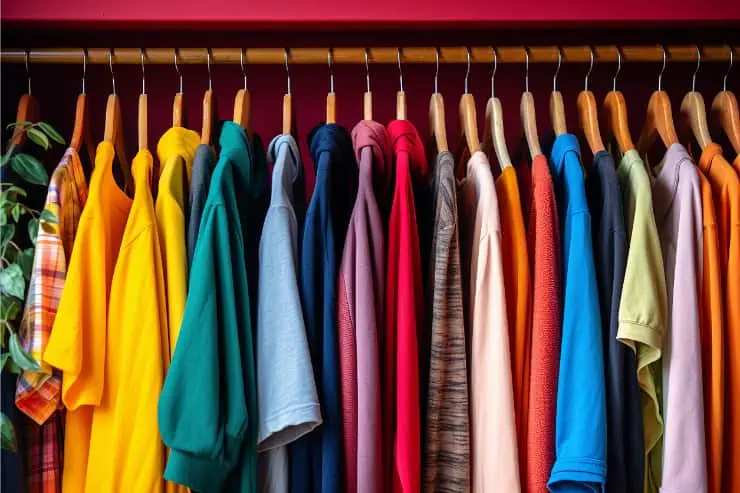
Choosing a consistent color palette makes outfit coordination effortless. When your wardrobe shares complementary tones, more pieces work together, reducing frustration and increasing outfit options. A cohesive palette doesn’t mean limiting yourself to neutrals it simply means selecting colors that flatter you and mix well. This approach streamlines shopping and creates a more polished look overall. It also helps avoid impulse purchases of items that don’t match anything else you own. With a thoughtful palette, your wardrobe becomes more versatile, making styling quicker and more cohesive every day.
7. Comfort Is Non-Negotiable

No matter how stylish an outfit is, if it feels uncomfortable, it will negatively impact your confidence and mood. Shoes that hurt, fabrics that itch, or restrictive fits can make you self-conscious and distracted. Prioritizing comfort doesn’t mean sacrificing style it means choosing pieces that allow you to move, breathe, and feel good throughout the day. When you’re comfortable, your posture improves, your expression relaxes, and your confidence naturally increases. Clothing should enhance your life, not hinder it. Embracing comfort as a key rule leads to a wardrobe you genuinely enjoy wearing.