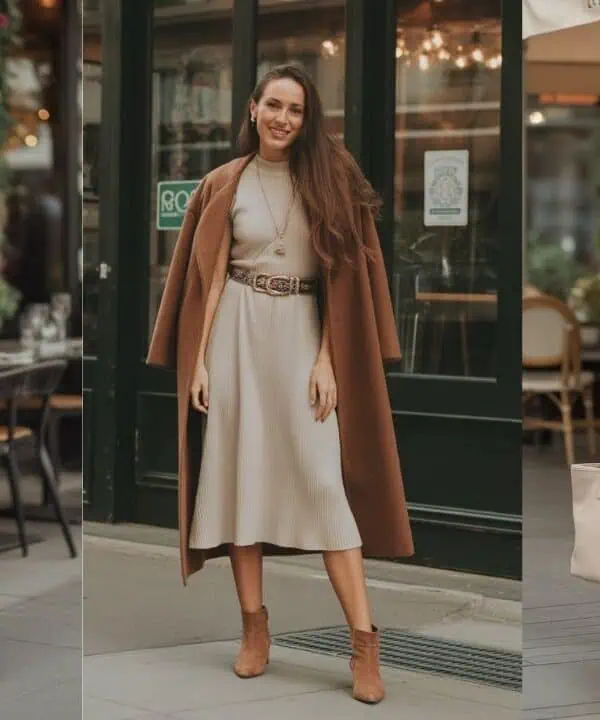
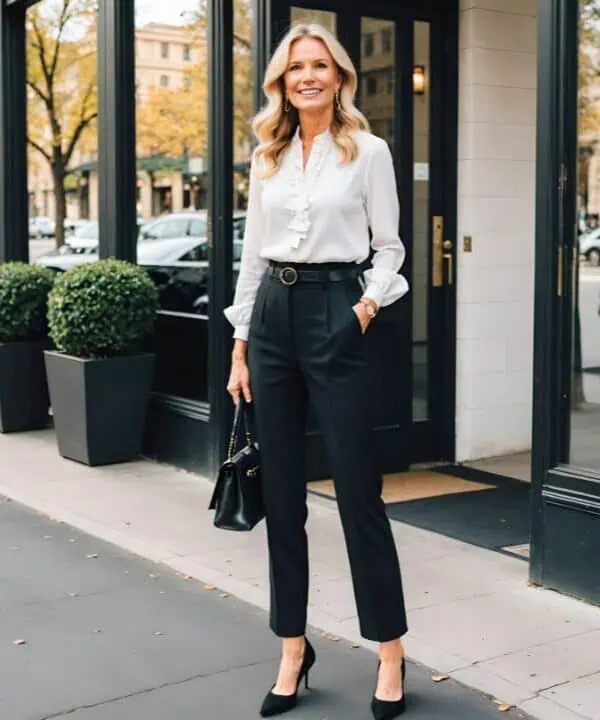
When Gen Z critiques “boomer fashion,” they’re rarely talking about age they’re talking about habits. Stylists say many of the behaviors younger generations react to aren’t about trends, but about rigidity, over polishing, and outdated assumptions about what looks “appropriate.” Gen Z values authenticity, comfort with intention, and visual ease. That doesn’t mean dressing sloppy or chasing youth. It means letting go of rules that no longer align with how modern style works. These seven fashion habits consistently come up as signals of dated thinking not because they’re unfashionable, but because they feel disconnected from how people actually dress today.
Table of Contents
1. Over Matching Everything on Purpose
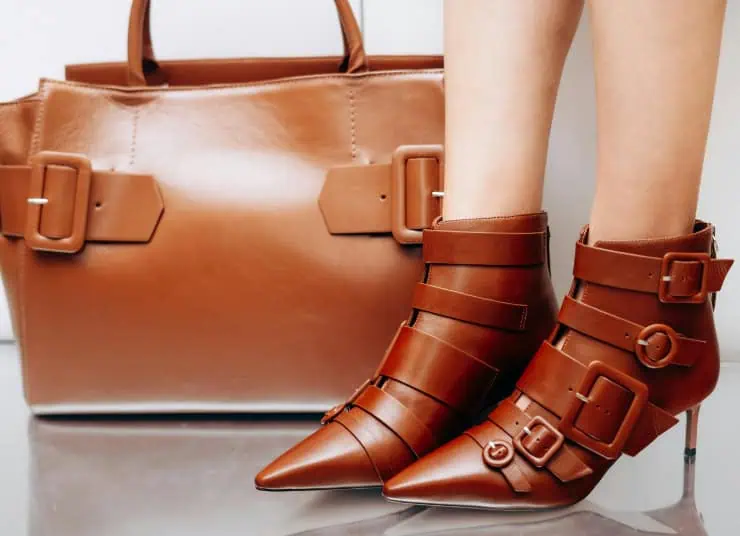
Perfectly matched shoes, bags, belts, and jewelry immediately read as outdated to Gen Z. Stylists explain that this level of coordination feels forced rather than intentional. Younger generations prefer outfits that look assembled organically, with contrast and individuality. When everything matches exactly, it signals a rule based approach to dressing rather than personal expression. Modern style favors balance over uniformity colors relate, not replicate. Letting pieces stand on their own creates visual interest and ease. Over matching doesn’t look polished anymore; it looks cautious.
2. Dressing “Correctly” Instead of Authentically

Gen Z strongly rejects the idea of dressing to meet external approval. Stylists say outfits chosen to look “appropriate,” “respectable,” or “age appropriate” often feel stiff and disconnected from the wearer. Younger generations prioritize comfort, self expression, and alignment with personal identity. When outfits look like uniforms rather than choices, they read as dated. Dressing authentically doesn’t mean ignoring context it means prioritizing how clothes feel and function. Style today values confidence over conformity.
3. Clinging to Outdated Fit Rules

Rules like “nothing oversized,” “always define the waist,” or “baggy looks sloppy” are seen as relics by Gen Z. Stylists note that modern silhouettes intentionally play with volume and proportion. When older dressing habits insist on tight fits everywhere, outfits feel restrictive and dated. Gen Z understands that shape comes from balance, not cling. Relaxed fits paired with structure feel current. Refusing to adapt fit preferences often signals fear of change rather than style confidence.
4. Overly Polished, ‘Done’ Looks for Everyday Life

Gen Z gravitates toward effortlessness. Stylists say overly styled hair, heavy makeup, and formal outfits for casual settings feel out of place today. When everything looks perfectly pressed and coordinated, it can feel costume like. Modern style allows softness wrinkles in linen, natural hair texture, lived in shoes. This doesn’t mean sloppy; it means relaxed intention. Over polishing reads as insecurity, not elegance. Ease is the new sophistication.
5. Ignoring Comfort as a Style Priority

Older fashion habits often treat comfort as secondary or worse, a compromise. Gen Z doesn’t accept discomfort as a requirement for looking good. Stylists emphasize that modern style integrates comfort into design: stretch, movement, breathable fabrics. When outfits clearly prioritize appearance over physical ease, they feel outdated. Comfort first doesn’t mean athletic wear everywhere; it means clothes that support real life. Ignoring comfort signals an old-school mindset that style must hurt.
6. Wearing Logos as Proof of Status
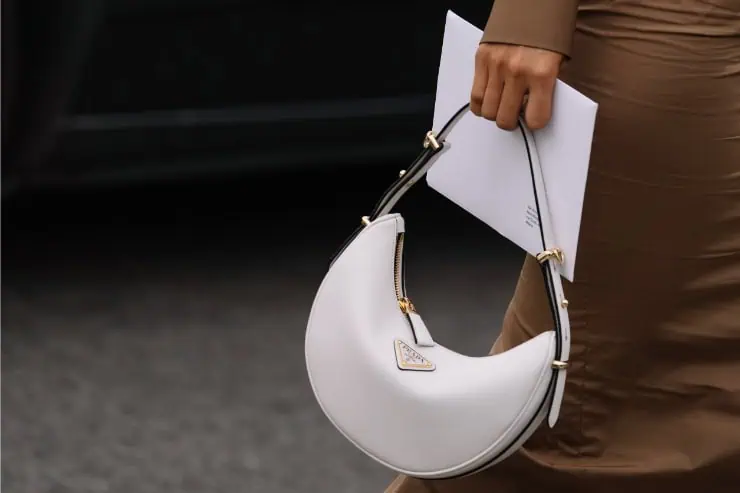
Gen Z is far less impressed by visible luxury logos. Stylists say obvious branding often reads as insecurity rather than success. Younger generations value subtlety, thrifted finds, and personal combinations over price tags. Wearing logos to signal status feels out of step with today’s fashion culture. Style credibility now comes from creativity and confidence, not labels. Quiet design, good fit, and intentional choices speak louder than branding ever could.
7. Refusing to Update Even Small Details
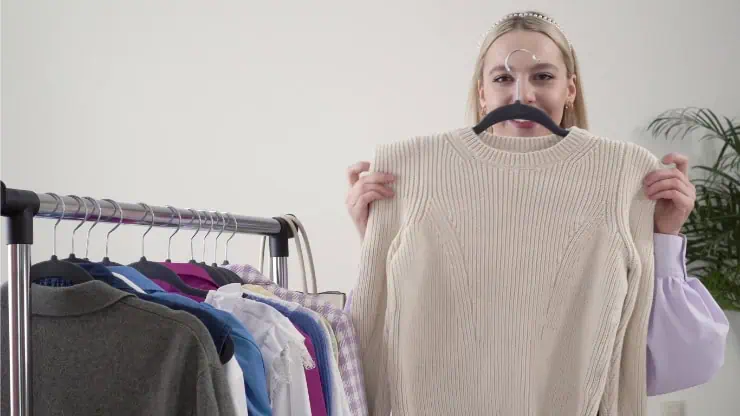
Gen Z notices stagnation more than age. Stylists say shoes, glasses, hairstyles, and proportions that haven’t changed in decades instantly date an outfit. You don’t need to follow trends but you do need awareness. Small updates keep a look relevant without reinventing everything. Refusing to adjust anything signals resistance, not timelessness. Modern style evolves slowly. Staying visually current shows engagement with the present, not an attempt to look younger.