Designer labels don’t automatically guarantee style, polish, or longevity. Stylists consistently see women invest heavily in so called “status” pieces expecting instant sophistication only to end up with items that visually cheapen an outfit. The problem isn’t luxury itself; it’s branding driven design that prioritizes logos, hype, or trend appeal over proportion, material, and timelessness. When a piece screams for attention instead of quietly elevating an outfit, it often reads insecure rather than refined. True style isn’t about proving you can afford something it’s about choosing pieces that look intentional, balanced, and wearable long term.
Table of Contents
1. Loud Logo Bags That Do All the Talking
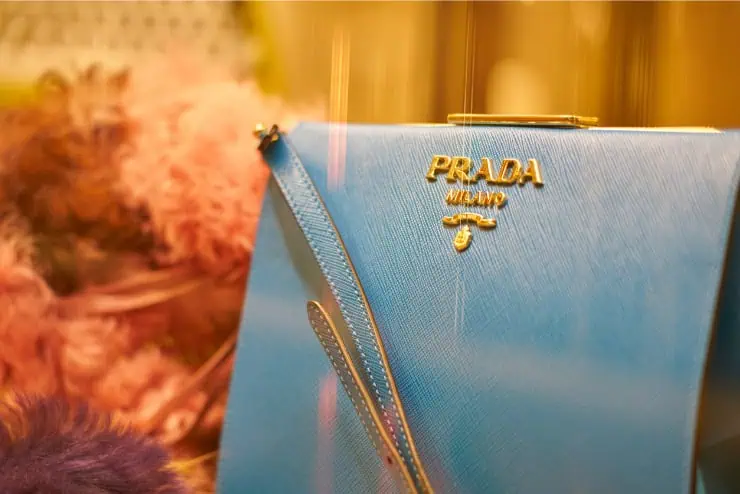
Oversized logos and heavily branded handbags are one of the biggest luxury missteps stylists notice. While these bags are expensive, they often dominate an outfit instead of complementing it. When the logo becomes the focal point, the bag stops feeling like a design choice and starts feeling like a billboard. Stylists say this kind of branding can cheapen a look because it relies on recognition rather than quality or form. Over time, logo-heavy bags date quickly, locking the wearer into a specific trend era. Truly elegant bags let craftsmanship, proportion, and material speak for themselves.
2. Trendy Designer Sneakers Worn Past Their Moment
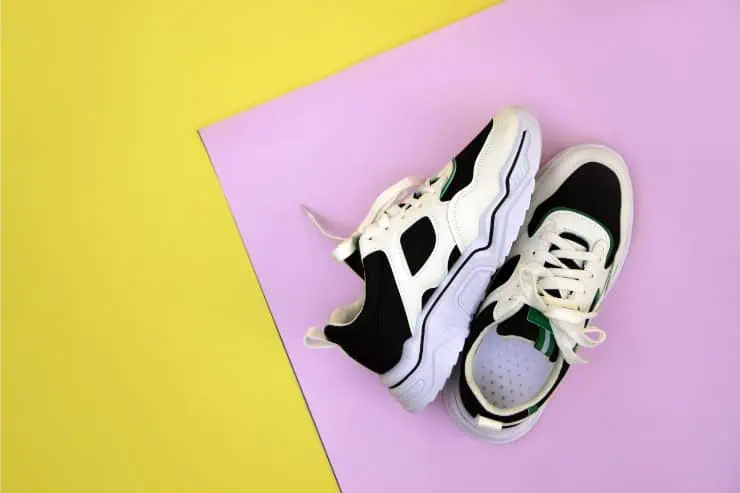
Designer sneakers tied to a specific trend cycle often look tired long before they wear out. Stylists point out that many luxury sneakers rely on exaggerated soles, excessive detailing, or novelty colorways that quickly feel outdated. While they may feel exciting at purchase, they rarely integrate seamlessly into a polished wardrobe. When worn long after their peak popularity, they can make outfits feel dated rather than current. Comfort doesn’t require hype. Clean, streamlined sneakers designer or not tend to look more intentional and timeless. The problem isn’t sneakers; it’s trend dependency.
3. Ultra Thin Designer Belts With Prominent Hardware
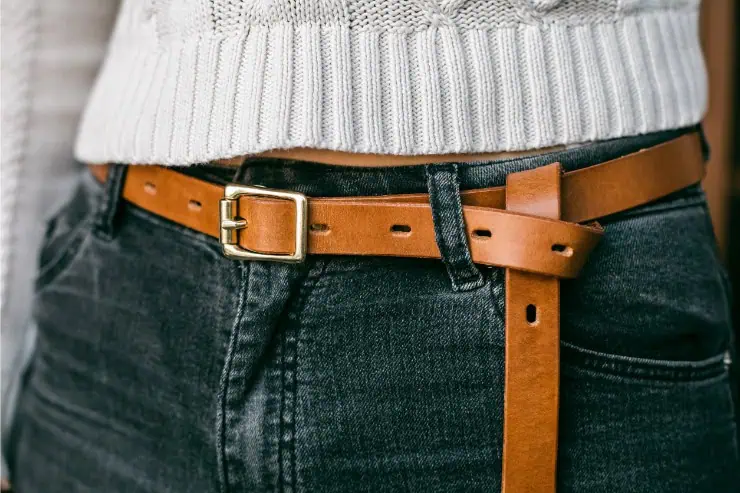
Stylists often caution against investing in designer belts that are overly thin with oversized, shiny hardware. These belts tend to warp, crease, and visually cheapen outfits over time. While the logo buckle may feel luxurious initially, it can overpower outfits and disrupt proportion especially on mature figures. These belts also struggle to anchor modern silhouettes, which favor balance and subtlety. A well made, minimally branded belt often looks far more refined than a flashy designer option. When hardware becomes the star, the outfit loses cohesion.
4. Statement Sunglasses That Wear You Instead

Designer sunglasses are a common impulse buy, but overly dramatic frames often read gimmicky rather than chic. Stylists say exaggerated shapes, thick logos on temples, or trend driven silhouettes can overpower the face and feel costume like. While subtle statement frames can work, many “status” sunglasses are designed for impact rather than longevity. Once the trend fades, they instantly date the wearer. Timeless sunglasses enhance facial structure without screaming for attention. When eyewear becomes the focal point, it often cheapens the overall look instead of elevating it.
5. Over Embellished Designer Shoes
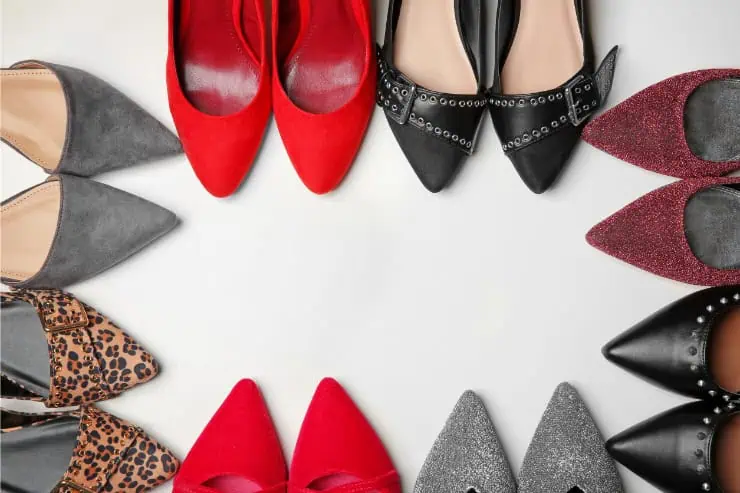
Shoes covered in studs, crystals, bows, or excessive branding are frequently flagged by stylists as luxury items that don’t age well. While craftsmanship may be high, visual clutter often makes these shoes feel impractical and dated. They struggle to integrate into everyday outfits and quickly feel out of sync with modern minimal styling. The more decoration a shoe has, the less versatile it becomes. Clean lines, balanced proportions, and thoughtful materials consistently look more expensive regardless of brand.
6. Designer T Shirts With Large Logos or Slogans
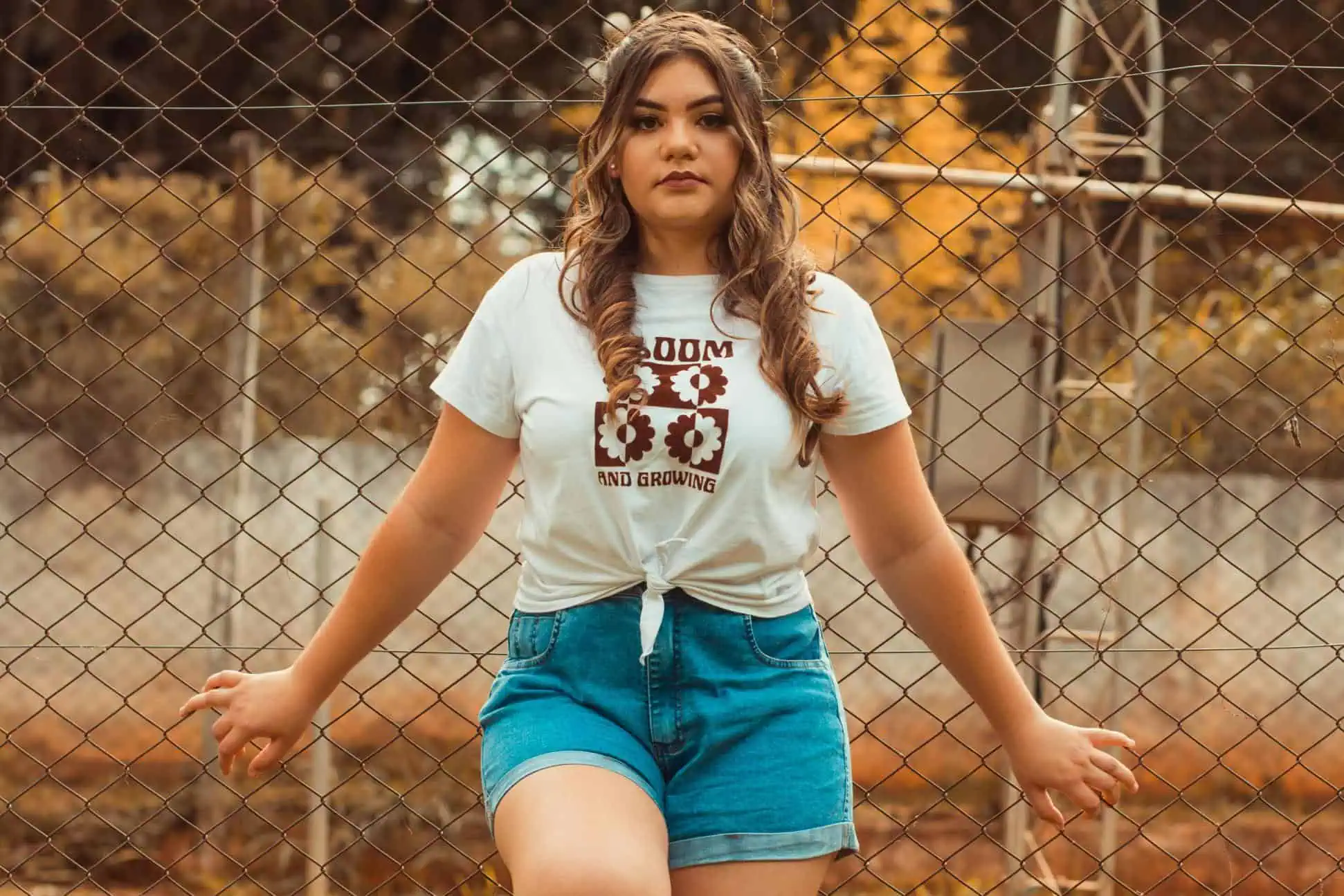
Luxury logo tees are one of the most overpriced and least flattering status purchases. Stylists say these items rarely justify their cost and often look no better than fast-fashion alternatives. Large logos or slogans can cheapen an outfit by making it feel casual without intention. These tees also offer limited versatility and tend to lose shape quickly. True luxury shows in fabric quality, cut, and drape not branding. A beautifully made, logo-free top often reads far more refined than a heavily branded designer tee.
7. Mini Trend Bags That Sacrifice Function for Hype
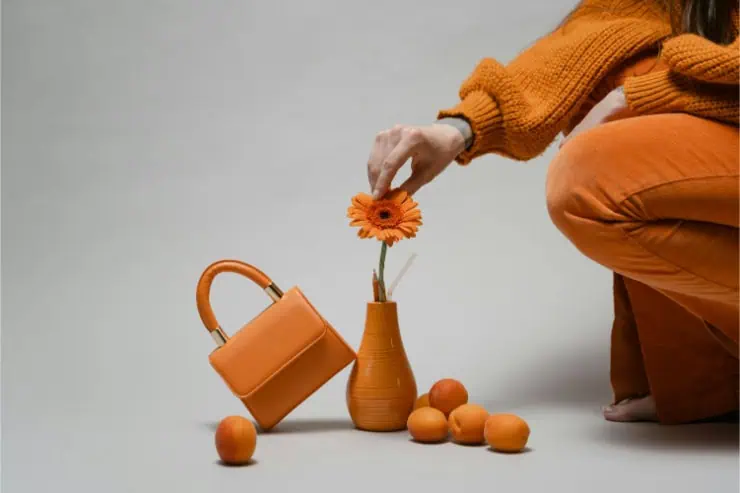
Tiny designer bags that barely hold essentials are often purchased for status rather than usability. Stylists note that these bags disrupt outfit balance, especially when paired with practical, real life clothing. They can feel performative rather than intentional. When an accessory exists solely to signal luxury, it often cheapens the look. Bags should enhance lifestyle and proportion. Overly trendy mini bags age quickly and rarely earn long term wardrobe value. Functionality is a form of elegance.