Style is a form of self-expression, but it’s a fine line between looking confidently put together and appearing as though you’ve put in too much effort. While dressing well can boost confidence and leave a strong impression, some fashion choices can make that impression feel forced. These “trying too hard” moments often happen when we pile on trends, go overboard with coordination, or focus too heavily on brand labels. The good news? Each of these pitfalls can be avoided by aiming for balance, subtlety, and authenticity. Below, we’ll explore six common style moves that can cross the line and how to spot them before you step out the door.
Table of Contents
1. Over-accessorizing
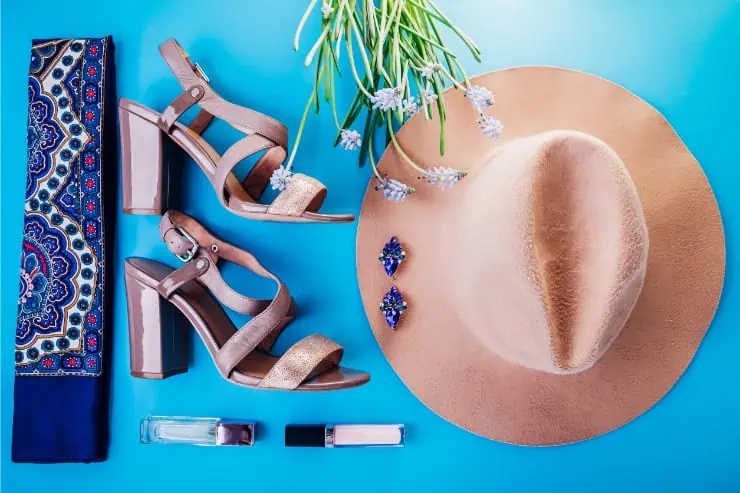
Accessories can be the perfect finishing touch to an outfit a bold watch, a sleek necklace, a stylish hat. But when every part of you is adorned, the impact of each piece is diminished. Layering multiple necklaces, stacking bracelets up to your elbows, and pairing them with oversized sunglasses, a hat, and statement shoes creates competition rather than harmony. Instead of elevating your look, over-accessorizing can overwhelm the eye, making it hard for others to focus on you rather than your belongings. The rule of thumb? Before you head out, remove one accessory. This simple step often transforms an outfit from cluttered to chic.
2. Over-branding
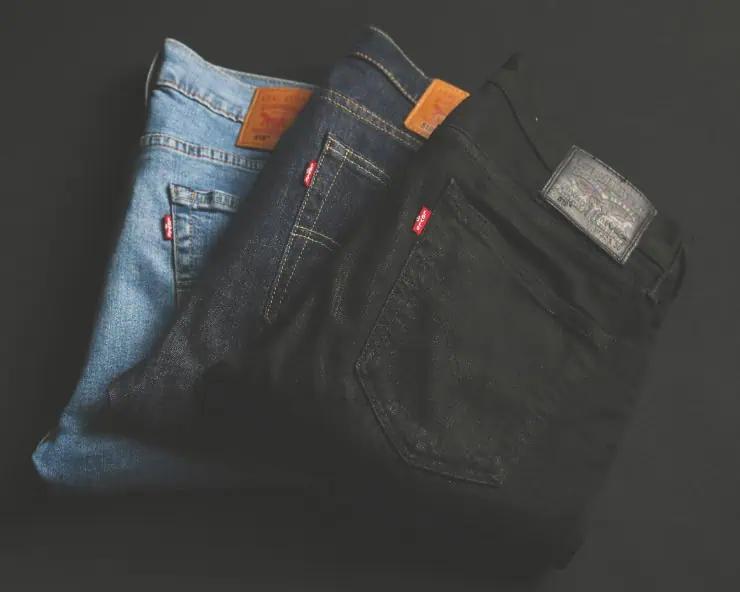
Logos can be stylish when used sparingly a Gucci belt here, a Prada bag there but wearing head-to-toe designer labels can look less like personal style and more like a fashion show sponsorship. When multiple large logos are visible at once, the focus shifts from your creativity to the brand names you’re wearing. It can also unintentionally give off a “look how much I spent” vibe, which rarely reads as effortless. Instead, mix branded items with more understated pieces. This creates a balance that allows the statement pieces to truly shine without overwhelming your overall look.
3. Overly “fresh out of the store” fits
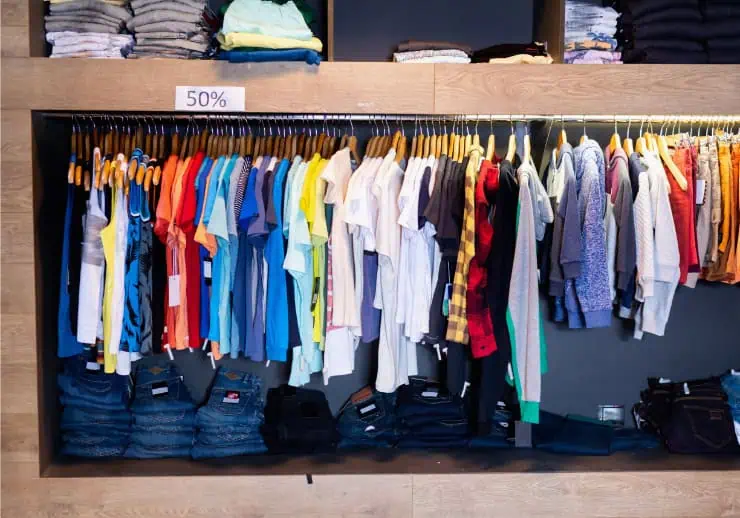
New clothes are exciting, but wearing them exactly as they came with store creases, overly stiff fabric, or even visible tags can make it obvious you’re debuting a purchase rather than wearing something that feels like “you.” It’s especially noticeable when a whole outfit screams “brand-new” all at once. Authentic style looks lived in, not staged. To avoid this, take time to break in new items before wearing them for big moments. Wash or steam them, mix them with older pieces, and let them become part of your rotation instead of a one-time performance.
4. Excessively matching everything

Coordination is good; excessive matching is not. When your shirt, shoes, hat, belt, and bag are all the exact same color or pattern, it can make an outfit look like a costume. Matching can be powerful when used as an accent a burgundy tie with burgundy socks, for example but when the palette becomes too uniform, there’s no visual rest for the eyes. Instead, mix complementary shades or blend textures within the same color family. This approach keeps the outfit cohesive but adds depth, preventing the “tried too hard” effect of perfect, head-to-toe matching.
5. Overly complicated layering

Layering is a great way to add personality and adaptability to an outfit, but too many layers can quickly look bulky and overworked. Pairing multiple shirts, sweaters, jackets, and accessories might seem fashion-forward, but it can create a visual overload and restrict comfort. The best layered outfits usually have a single focal point a standout coat, a unique shirt with the rest of the layers acting in support. Keep your color palette consistent and limit the number of patterns. That way, layering adds intrigue without becoming the main (and only) story of your look.
6. Copying celebrity outfits exactly

Taking inspiration from celebrities and influencers is natural, but wearing an outfit exactly as they did down to the shoes, accessories, and hairstyle can make it obvious you’re following rather than leading. What works for someone on the red carpet or in a curated Instagram post might not translate to your environment, body type, or personality. Instead, adapt the elements you like and make them your own. Swap out certain pieces, change the colors, or mix them with staples from your own wardrobe. That way, you project individuality while still riding the wave of current trends.