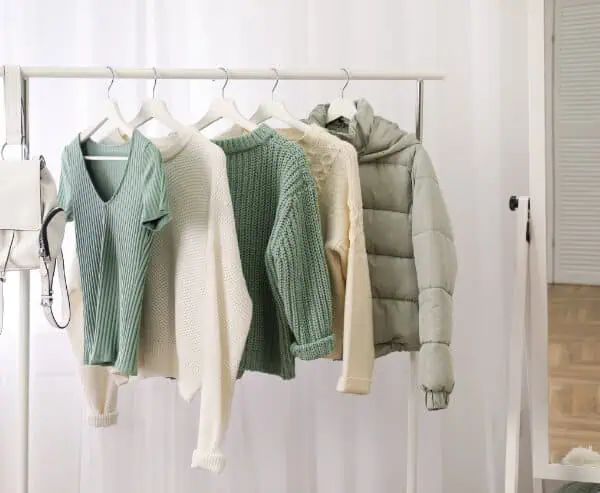
Contrast is one of the most powerful tools in personal style, yet it’s often misunderstood. Many people either avoid contrast entirely, resulting in flat, one-note outfits, or overdo it, creating looks that feel chaotic or mismatched. The goal isn’t sharp opposites or bold statements it’s balance. Well-done contrast creates visual interest, defines shape, and helps outfits feel intentional rather than accidental. Whether you prefer neutrals or color, structured or relaxed pieces, learning how to add contrast thoughtfully makes getting dressed easier and more satisfying. These seven techniques allow you to introduce contrast in subtle, wearable ways that elevate outfits without overwhelming them.
Table of Contents
1. Use Light and Dark Instead of Color Opposites
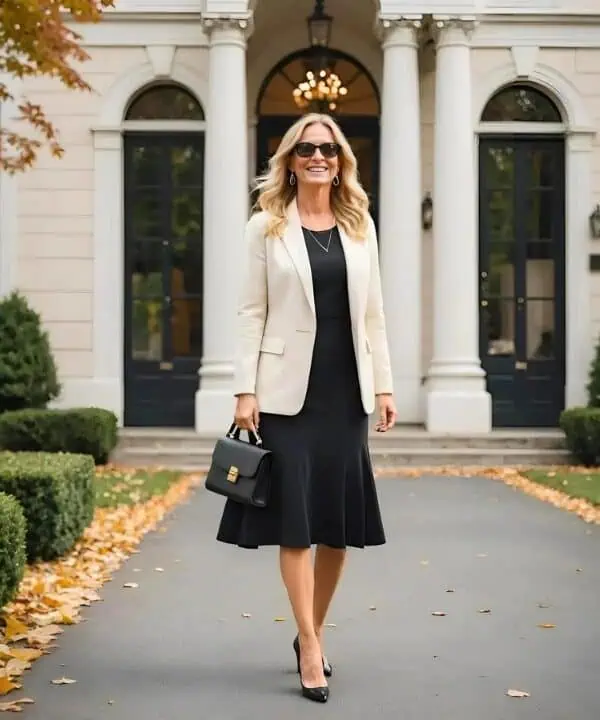
One of the easiest ways to add contrast without clashing is by focusing on light versus dark rather than opposing colors. Pairing soft ivory with deep navy, or camel with charcoal, creates clear distinction without visual noise. This approach works especially well for those who prefer neutrals or minimal palettes. Light-and dark contrast defines the silhouette and adds depth, making outfits look more polished. It’s also more forgiving than bright color blocking, which can feel overwhelming.
2. Contrast Texture Before Color

Texture adds dimension without relying on bold color changes. Mixing smooth and textured fabrics such as silk with wool, denim with cashmere, or leather with knits creates interest while keeping the color palette cohesive. Texture contrast is especially effective in neutral outfits, where color variation may be minimal. This technique allows outfits to feel rich and layered without appearing busy. It also works well across seasons, particularly in winter when heavier fabrics dominate. By prioritizing texture contrast, you add depth that feels refined rather than distracting.
3. Balance Structured and Soft Pieces

Another subtle way to introduce contrast is by pairing structured items with softer ones. A tailored blazer over a relaxed knit, or crisp trousers with a fluid blouse, creates harmony between sharp and gentle elements. This balance prevents outfits from feeling too rigid or too casual. Structured pieces add polish, while soft items keep the look approachable. When these elements work together, the contrast feels natural and flattering. This method is especially helpful for everyday dressing, where comfort and style need to coexist seamlessly.
4. Vary Scale, Not Style
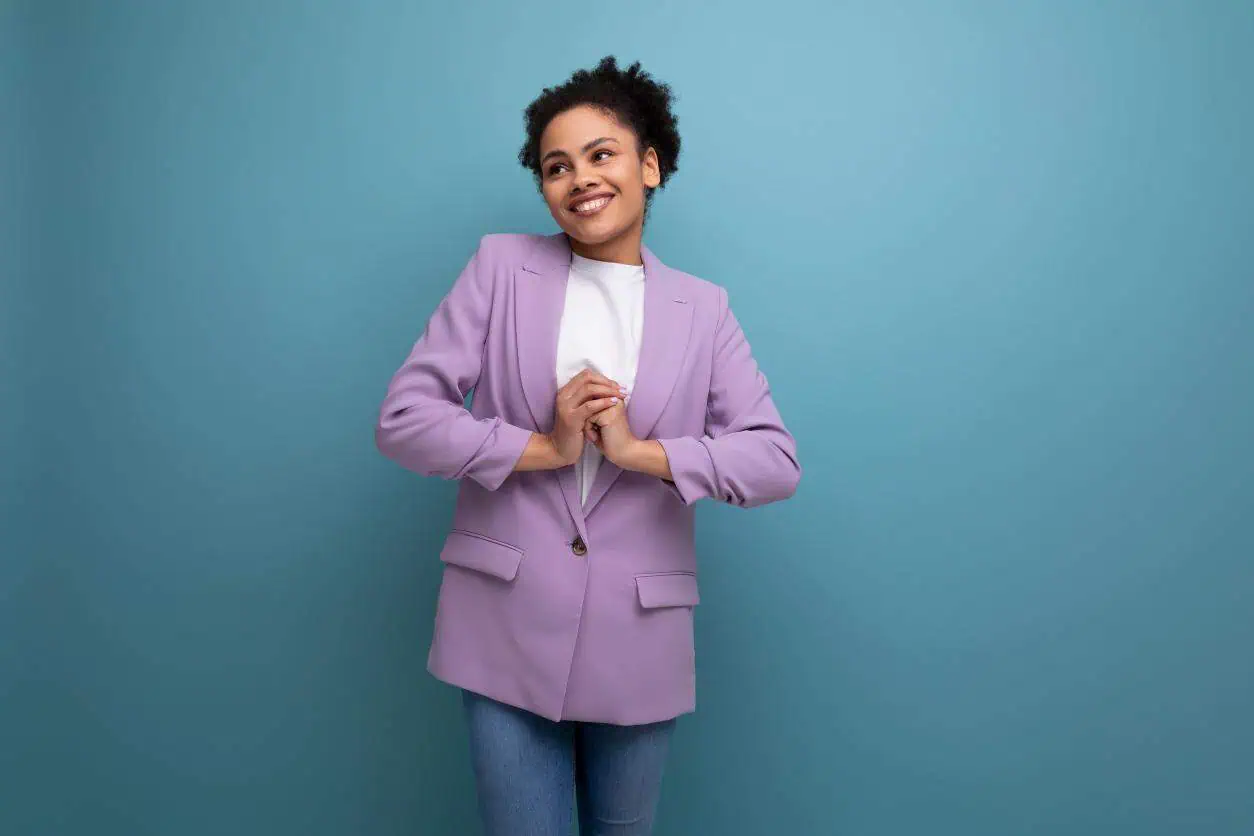
Contrast doesn’t require mixing completely different aesthetics. Instead of combining unrelated styles, vary the scale within a cohesive look. For example, pair slim jewelry with a chunky knit, or a structured bag with a relaxed outfit. This creates visual interest without disrupting the outfit’s overall mood. Scale contrast draws the eye in controlled ways, preventing monotony. Because the style remains consistent, the look feels intentional rather than mismatched. This approach is especially useful for minimalist wardrobes, where subtle variation makes a big impact.
5. Introduce Contrast Through Accessories
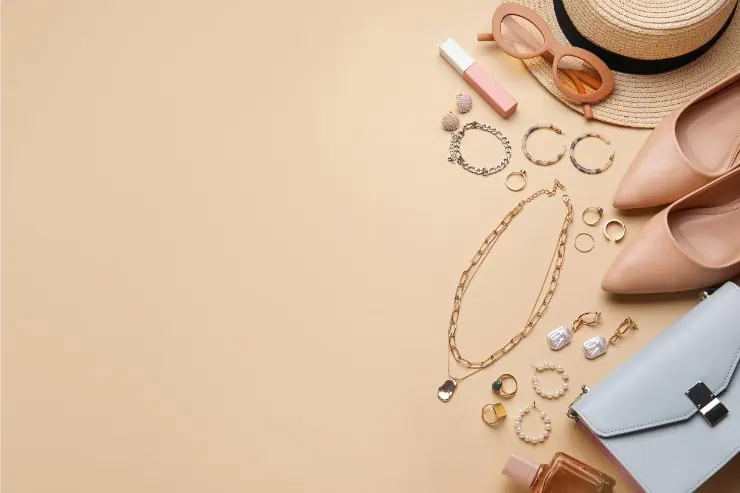
Accessories are a low-risk way to add contrast without overwhelming an outfit. A darker shoe with a lighter outfit, a belt that breaks up a monochrome look, or a bag with a slightly different texture adds definition. Because accessories are smaller elements, they create contrast without dominating the outfit. This allows you to experiment while maintaining cohesion. Accessories also offer flexibility you can adjust contrast throughout the day without changing clothes.
6. Keep Colors in the Same Temperature Family
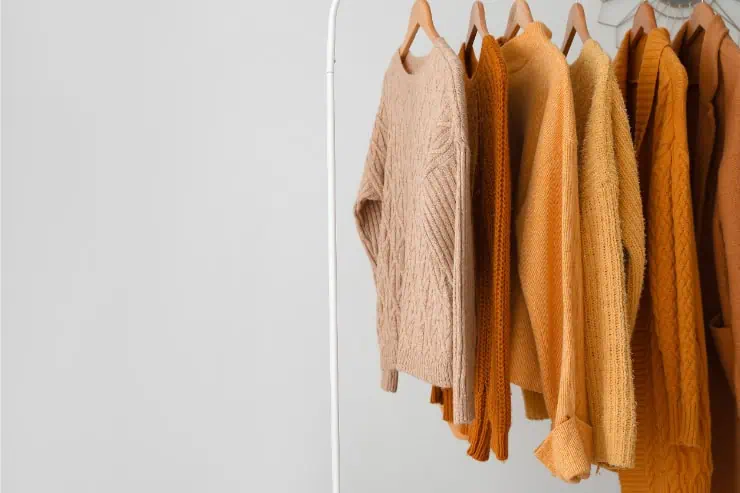
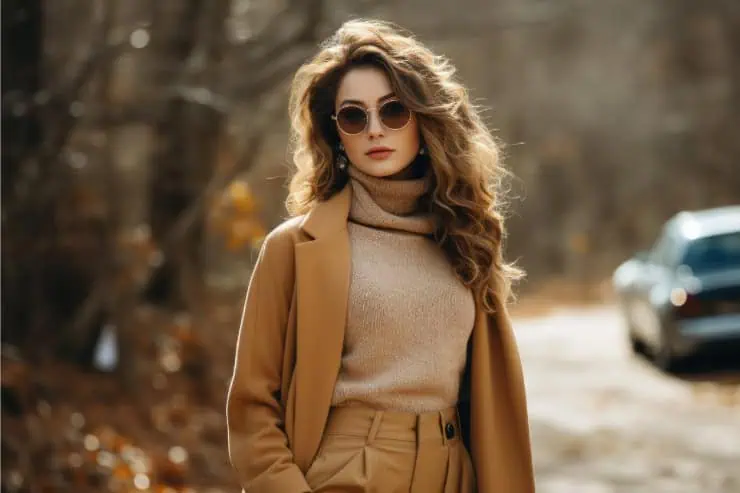
When adding color contrast, staying within the same temperature warm or cool helps prevent clashing. Warm shades like camel, rust, and cream work beautifully together, just as cool tones like gray, navy, and soft white do. Even when colors differ, matching undertones keeps the outfit harmonious. This technique allows for contrast without harsh transitions. It’s especially helpful for those who want to incorporate color but worry about combinations feeling off. Consistent temperature creates flow and sophistication.
7. Let One Element Lead
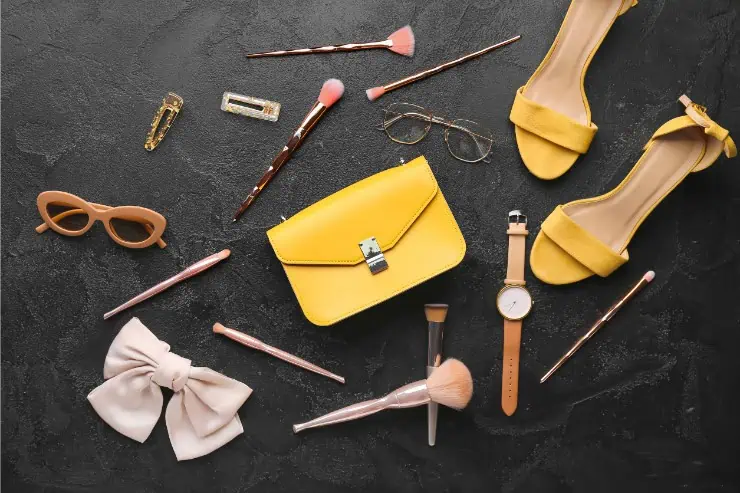
The final rule of contrast is restraint. Successful contrast comes from allowing one element to stand out while the rest of the outfit supports it. Whether it’s a bold color, a dramatic silhouette, or a textured piece, everything else should remain simple. Too many contrasting elements compete for attention and create clutter. By choosing a single focal point, contrast feels deliberate and balanced. This approach ensures outfits look cohesive, confident, and polished rather than chaotic.