Eveningwear is where many women unintentionally slip into outdated habits. With fewer formal occasions today, special-occasion dressing often leans on old rules, past purchases, or ideas of what eveningwear should look like. Stylists say the problem isn’t glamour it’s excess, rigidity, and nostalgia. When outfits feel overly dramatic, overly decorated, or disconnected from modern proportions, they cross the line from elegant to costume-like. True evening style after 60 should feel confident, edited, and intentional, not theatrical. These six habits are the ones stylists most often see quietly working against otherwise beautiful women.
Table of Contents
1. Wearing Too Many “Formal Signals” at Once
One of the fastest ways an evening look becomes costume-like is stacking every traditional formal element together sequins, metallic fabrics, statement jewelry, embellished shoes, and a dramatic hairstyle all at once. Stylists emphasize that modern eveningwear relies on restraint. When too many “special occasion” cues appear in one outfit, the result feels theatrical rather than refined. The eye doesn’t know where to rest. Elegant women today choose one focal point and let everything else remain quiet. Editing is what separates timeless evening style from something that feels like dressing up for a role rather than an event.
2. Relying on Overly Beaded or Heavily Embellished Pieces
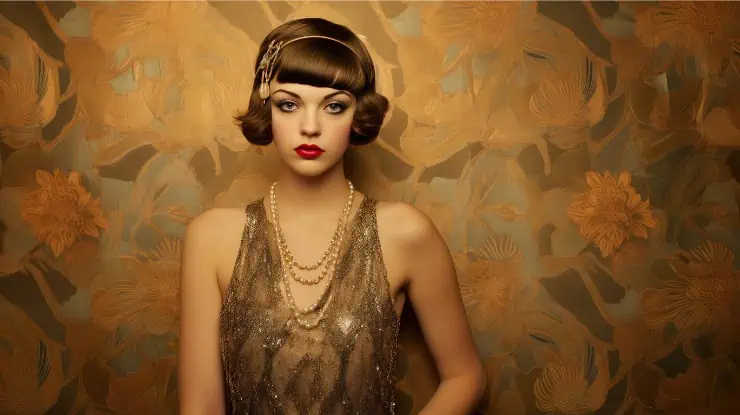
Heavy beading, dense embroidery, and ornate embellishments were once the hallmark of evening elegance. Today, stylists say these details often read as dated especially when worn head-to-toe. Excessive embellishment adds visual weight and can overwhelm both the body and the occasion. Instead of sophistication, it creates a sense of formality that feels disconnected from modern settings. Eveningwear now favors texture, drape, and fabric quality over decoration. When embellishments are too literal or dense, the outfit feels preserved in time beautiful, but costume-like rather than current.
3. Choosing Dresses That Feel “Too Themed”
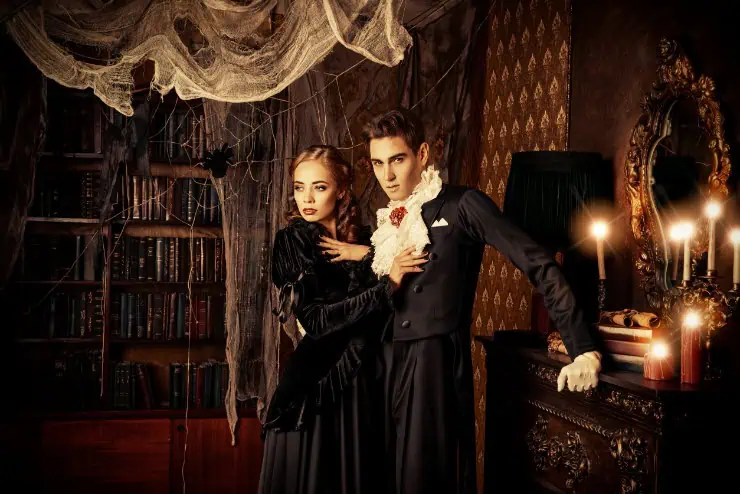
Stylists often notice evening dresses that feel designed for a specific fantasy Grecian goddess, old Hollywood diva, or ballroom glamour. While inspiration is fine, leaning too heavily into a theme makes the outfit feel performative. When the dress dictates a character rather than expressing personal style, it crosses into costume territory. Modern eveningwear is more flexible and interpretive. It allows the wearer to look elegant without signaling a specific era or role. The most stylish women wear evening pieces that feel adaptable, not theatrical.
4. Matching Accessories Too Precisely

Perfectly matched evening accessories same-color shoes, bag, jewelry, and wrap were once considered polished. Stylists now say this level of coordination often looks dated and overly deliberate. When everything matches exactly, the outfit loses dimension and spontaneity. It begins to feel like a set rather than a look. Modern evening style benefits from contrast: mixed metals, varied textures, or a slightly unexpected accessory. Precision matching signals formality from another era, while thoughtful imbalance feels current and confident.
5. Overly Structured or Stiff Silhouettes
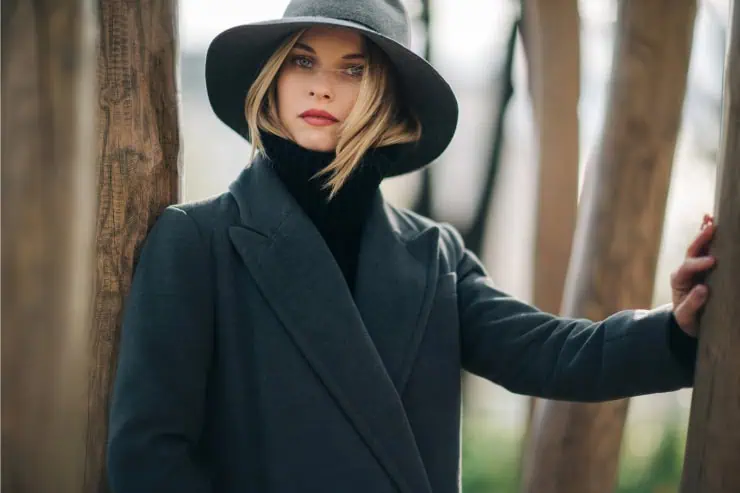
Rigid evening silhouettes corseted bodices, heavy taffeta skirts, or stiff jackets often read as costume-like today. Stylists explain that modern elegance prioritizes movement and ease. When garments hold their shape too aggressively, they create distance between the wearer and the outfit. Instead of wearing the clothes, the clothes appear to wear the woman. Soft tailoring, fluid fabrics, and garments that respond to the body feel far more sophisticated. Stiffness may look impressive on a hanger, but on the body it often feels frozen in time.
6. Treating Eveningwear as “Special Occasion Armor”
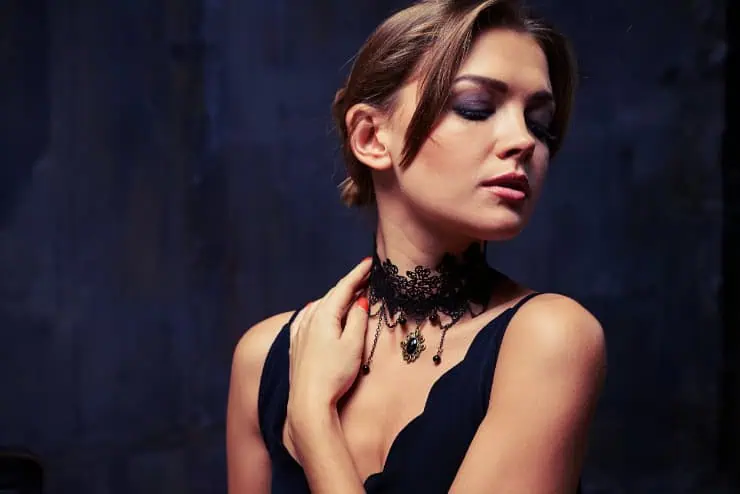
Perhaps the most subtle habit is emotional rather than visual treating eveningwear as armor rather than expression. Stylists notice that when women dress defensively for evening events, they choose pieces meant to hide, impress, or conform. This mindset leads to overly formal, overly safe choices that feel disconnected from the wearer’s real personality. Costume-like outfits often come from trying too hard to meet an imagined standard. The most elegant evening looks come from confidence, not caution. When eveningwear feels like an extension of who you are not a disguise it never looks costume-like.