Modern women enjoy a level of style autonomy that was unthinkable just a few decades ago. Many of the fashion choices we make today, wearing jeans, skipping bras, dyeing our hair bold colors were once restricted, ridiculed, or outright banned. Behind every “casual” outfit or expressive style is a backstory of struggle, rebellion, and slow cultural change. These shifts didn’t happen overnight; they were earned through courage, protest, and persistence. From legal battles to quiet acts of resistance, women steadily claimed their right to dress for themselves. These 15 fashion freedoms may feel routine today, but each is rooted in hard-fought history.
Table of Contents
1. The Right to Wear Pants in Public

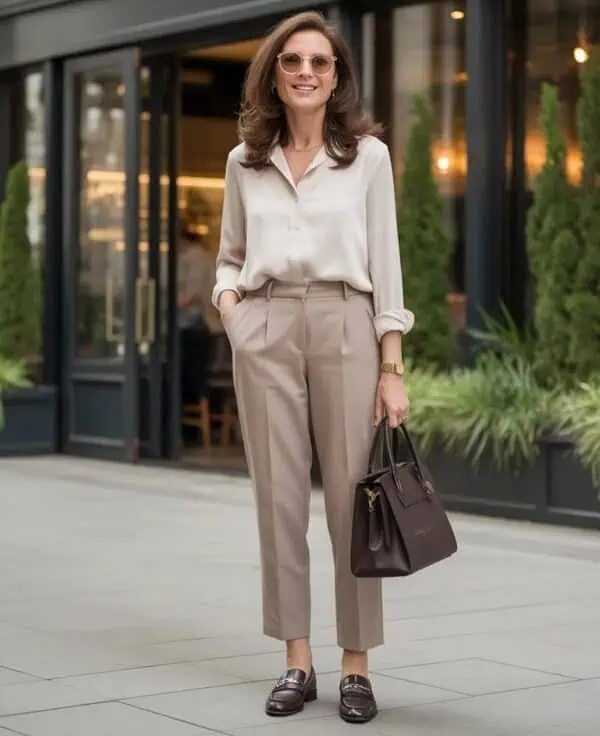
What seems like an everyday clothing choice now was once a symbol of rebellion. For much of the 19th and early 20th centuries, women wearing trousers was considered scandalous or even illegal in some cities. Women like Amelia Bloomer and suffragettes fought for the right to wear pants as a symbol of equality. Even into the 1960s and ’70s, women could be denied jobs, entry into restaurants, or participation in public life for wearing slacks.
2. Wearing Shorts Without Shame

Until the mid-20th century, shorts were associated solely with boys or beachwear. Women showing their legs in public especially above the knee, was considered indecent. Early female athletes and wartime factory workers began normalizing the idea out of necessity. But even in the 1950s, women in shorts were often harassed or denied service. The shift came slowly through pop culture and bold fashion icons who challenged norms. Today, women wear shorts confidently in parks, offices, or while running errands.
3. The Freedom to Go Braless
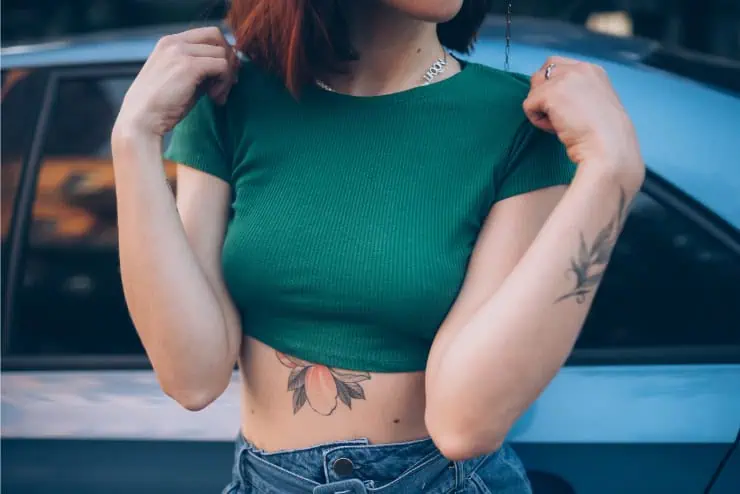
In earlier decades, a woman going without a bra could be labeled immoral, lazy, or vulgar. The bra became a symbol of modesty and “proper” femininity, and societal pressure to wear one was immense. The women’s liberation movement of the late 1960s sparked a shift, encouraging women to question why they were expected to confine their bodies for others’ comfort. “Bra-burning” became a metaphor for rejecting restrictive norms.
4. Showing Tattoos and Piercings
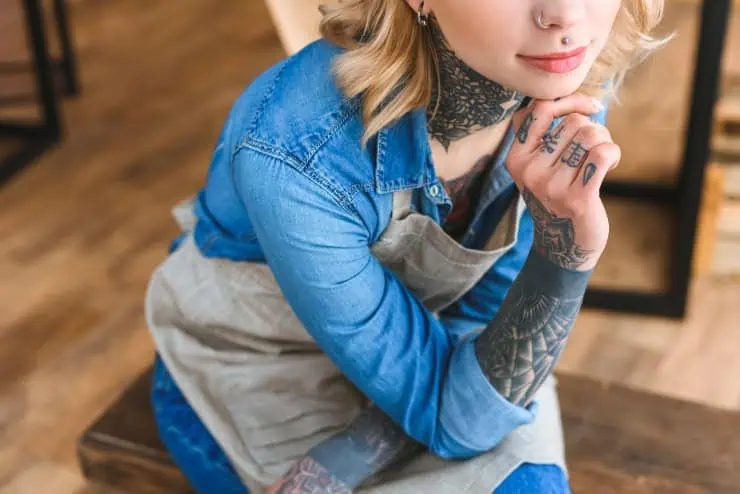
Body art was once associated with rebellion or counterculture and was considered highly inappropriate for women. A woman with visible tattoos or multiple piercings risked being labeled promiscuous or unprofessional well into the late 20th century. Many employers maintained policies banning visible tattoos, especially for women. As cultural attitudes evolved, women pushed for the freedom to express identity through ink and adornment. Today, tattoos are celebrated as personal storytelling, and facial piercings are increasingly accepted.
5. Wearing Makeup—or Not Wearing It

For decades, women were caught in a paradox: shamed for wearing too much makeup and equally judged for going without it. In the early 20th century, only performers or “loose” women wore visible cosmetics. By the 1950s, makeup was practically mandatory for appearing feminine or professional. Feminist movements challenged this double standard, demanding that makeup be a choice, not an expectation. Over time, beauty standards began to broaden.
6. Choosing Flat Shoes Over Heels
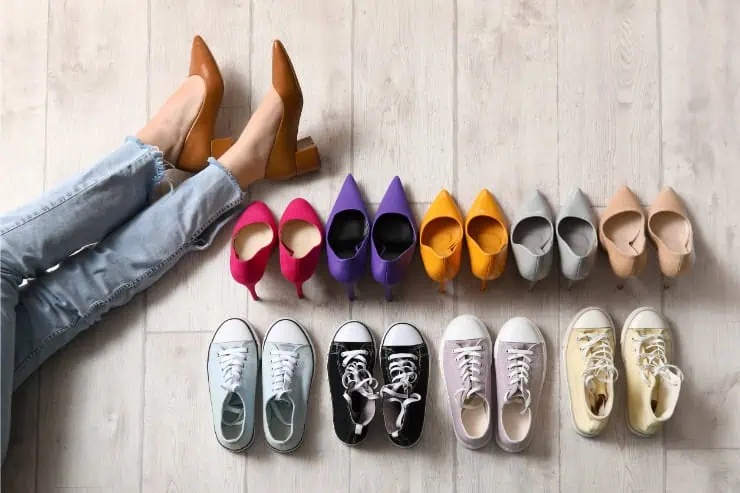
High heels have long symbolized femininity, but for much of history, women were expected to wear them to be seen as elegant or respectable. Even in professional environments, flats were considered too casual. Over time, women questioned why pain and instability should be synonymous with style. Activists and everyday women alike began rejecting this expectation, advocating for comfort without sacrificing polish. Designers eventually responded with stylish, supportive alternatives. Today, a woman can choose sneakers, flats, or chunky sandals without compromising her identity.
7. Expressing Gender Identity Through Style
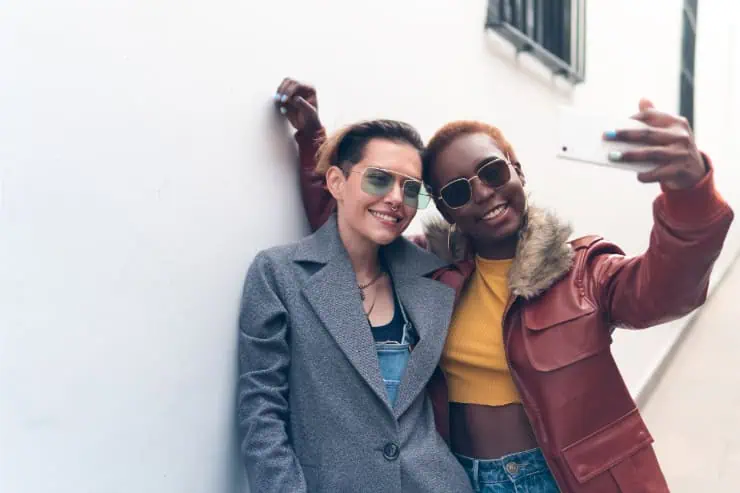
For generations, strict dress codes reinforced narrow ideas about gender. Women were expected to wear dresses, skirts, and feminine accessories, anything masculine was discouraged. LGBTQ+ women and gender-nonconforming individuals challenged these norms, often at great personal risk. Icons like Marlene Dietrich and Grace Jones blurred the lines early on, but real freedom came as more women pushed for androgyny and personal expression in fashion. Today, dressing in ways that reflect individual identity, whether feminine, masculine, or fluid, is far more accepted.
8. Wearing Swimwear Without Judgment

Early women’s swimwear was little more than knee-length bloomers and long tunics, designed for modesty, not comfort or movement. In the 1940s, the bikini debuted to outrage and censorship, with many places banning it outright. Women were fined or arrested for “indecent exposure” at beaches. Through the decades, they fought back with confidence, reclaiming their right to comfort, body autonomy, and self-expression. Whether wearing a one-piece, bikini, or modest swim dress today, women benefit from the freedom to choose.
9. Dressing for Themselves, Not the Male Gaze

Historically, women’s clothing was often designed to appeal to men, emphasizing curves, softness, and submissiveness. Anything seen as unflattering or too assertive was dismissed as unattractive. With feminist consciousness rising in the 1970s and beyond, women began redefining fashion on their own terms. Power suits, oversized silhouettes, edgy streetwear, all were ways to express independence. Today’s fashion includes everything from romantic florals to utilitarian basics, proving that women no longer dress solely for male approval.
10. Mixing “Masculine” and “Feminine” Elements

Wearing a blazer with a dress or combat boots with a skirt is common today, but once, mixing masculine and feminine styles was taboo. Women were expected to stay within narrowly defined style lanes. Those who blurred them risked ridicule or worse. However, the rise of gender-neutral fashion and feminist expression encouraged a new way of dressing. Designers began offering women’s clothing with bolder cuts and tougher textures. The freedom to combine softness and strength in one outfit reflects both fashion’s evolution and society’s.
11. Not Wearing a Hat or Gloves

Well into the 1960s, women were expected to wear hats and gloves in public, especially in formal settings. These accessories weren’t just fashion, they were symbols of respectability. Failing to wear them could invite gossip or social punishment. But as women sought more freedom and simplicity, many began shedding these requirements. The shift was about more than style, it was about rejecting outdated expectations of femininity and decorum.
12. Wearing Whatever Colors They Like

There was a time when color dictated social codes: soft pastels for ladies, bold shades for nightlife, and certain hues avoided entirely to avoid assumptions. Red was often considered too seductive; black too mournful for daily wear. Women had to carefully select colors to appear “appropriate.” Over time, fashion rebels ignored these outdated rules. Now, a woman can wear neon green or all-black, head-to-toe white or deep burgundy, without explaining herself.
13. Wearing Suits or Blazers in the Workplace

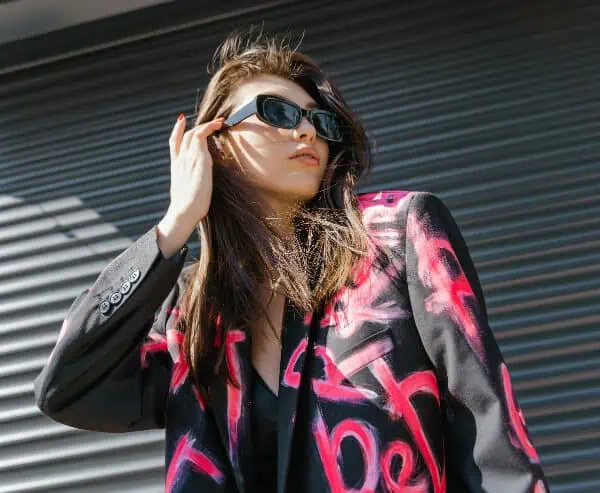
Women entering the workforce in the mid-20th century had limited options: dresses or skirt suits, always tailored to appear “feminine” and non-threatening. It wasn’t until the 1980s power-dressing era that women claimed the right to wear strong-shouldered suits and professional blazers as a symbol of equality. Female executives, lawyers, and creatives began reimagining businesswear, shedding frills for structure. Today, a blazer and trousers are staples in many women’s closets, no longer questioned or gender-policed.
14. Wearing Clothing That Reveals the Body’s Shape

For centuries, women’s fashion was designed to conceal natural body shapes under corsets, layers, or restrictive silhouettes. Anything too clingy or fitted was considered vulgar. With the sexual revolution and body positivity movements, women fought back against the idea that their figures should be hidden or controlled. They embraced bodycon dresses, leggings, fitted tops, and curve-hugging denim, not to be objectified, but to reclaim confidence. Today, body-conscious clothing is mainstream, and women of all shapes and sizes proudly wear it.
15. Shopping in Any Section They Please

Until recently, women were expected to stay within the confines of “ladies’ departments,” where everything was dainty, pastel, or gender-coded. Shopping in men’s or unisex sections was often met with confusion or judgment. But women challenged this divide, opting for oversized jackets, graphic tees, and relaxed fits regardless of the label. This push toward breaking retail binaries helped usher in today’s more fluid, inclusive fashion culture. Whether it’s borrowing from menswear or mixing thrifted finds across categories, modern women shop with freedom.