The 1960s were a decade of dramatic social change, but early in the era, women were still expected to dress with a sense of formality and femininity that aligned with mid-century values. Looking “proper” wasn’t just about style; it reflected societal expectations around modesty, class, and traditional gender roles. Whether heading to work, church, or simply out in public, women were expected to present themselves in a tidy, ladylike manner. Even as fashion began shifting with the youthquake of the later ’60s, many women still adhered to classic standards. These 10 pieces were considered essential for appearing respectable in that era.
Table of Contents
1. Knee-Length Skirts

Respectability in the 1960s often started at the hemline. Women were expected to wear skirts that hovered around the knee, signaling modesty and class. While miniskirts exploded later in the decade among younger women, early and mid-’60s fashion dictated conservative lengths, especially in workplaces, schools, and churches. Pencil skirts and A-line styles were common, often paired with stockings for a polished finish. Any skirt that rode too far above the knee could provoke disapproval, especially from older generations. To look “proper,” a woman’s skirt was meant to be flattering yet demure, skimming the knee without veering into what was deemed risqué.
2. Gloves for Formal Outings
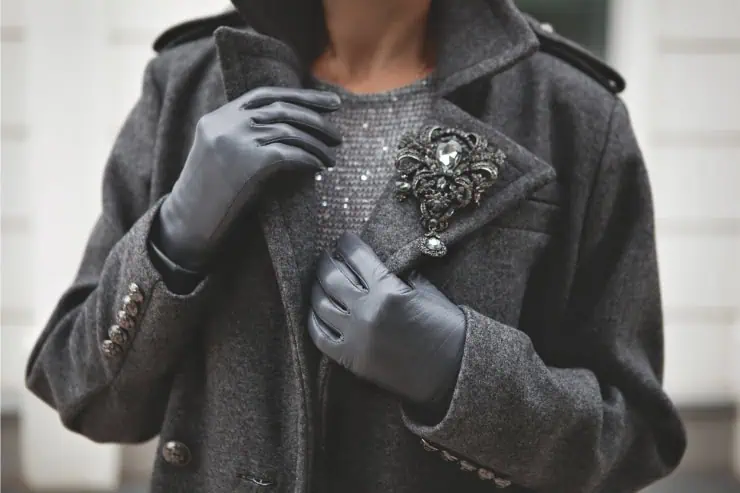
In the early 1960s, gloves were still a social necessity for formal outings. Whether attending church, a wedding, or a fancy luncheon, women wore wrist-length or elbow-length gloves as part of their proper attire. Gloves symbolized cleanliness, elegance, and old-world decorum, and removing them in public was often frowned upon. The look was reinforced by icons like Jackie Kennedy, whose ladylike ensembles nearly always included pristine gloves. Even as the decade progressed and fashion loosened, gloves remained a staple for women who wanted to appear polished and respectable in traditional social settings, especially among the middle and upper classes.
3. Structured Handbags

Carrying a well-structured handbag was seen as a sign of refinement and femininity. In the 1960s, slouchy or oversized bags were rare, most women opted for small to medium-sized purses with top handles and defined shapes. These handbags weren’t just fashion accessories; they were part of a woman’s public image, signaling orderliness and class. Patent leather, quilted designs, and gold clasp closures were especially popular. A proper woman wouldn’t be seen without one, especially when heading into town or visiting someone’s home. The purse wasn’t just for function, it completed an outfit and subtly communicated her adherence to social norms.
4. Modest Necklines

Necklines in the 1960s were expected to remain modest, particularly for daytime wear. Scoop, boat, or high necks were the most acceptable options for women who wanted to appear proper. Plunging necklines or off-shoulder styles were considered inappropriate outside of cocktail or evening wear and even then, only if executed with tasteful elegance. Blouses were typically buttoned to the collarbone, and dresses often had simple, structured cuts. Flashier necklines were reserved for entertainers or fringe subcultures. A woman who exposed too much skin risked being labeled as improper, which could have serious consequences in conservative professional or social circles.
5. Stockings or Tights
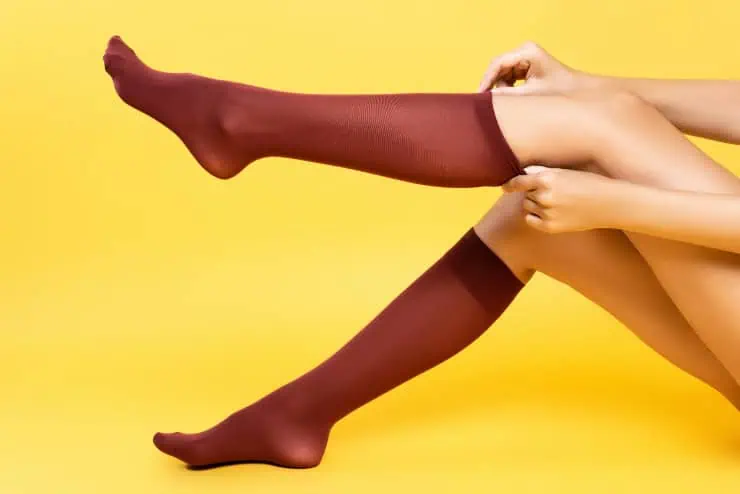
Bare legs were not acceptable in most public settings during the early to mid-1960s. Wearing stockings or tights was essential for looking polished and respectable. Nude, black, or even slightly tinted hose helped complete the outfit and added a touch of formality. Whether paired with skirts, dresses, or even tailored shorts, hosiery was seen as a necessary layer of modesty and decorum. A woman’s legs, like her neckline, were expected to be subtly presented, not flaunted. Stockings also signaled that she took care in her appearance, reinforcing the idea that being “put together” was synonymous with being proper.
6. Sensible Heels or Pumps
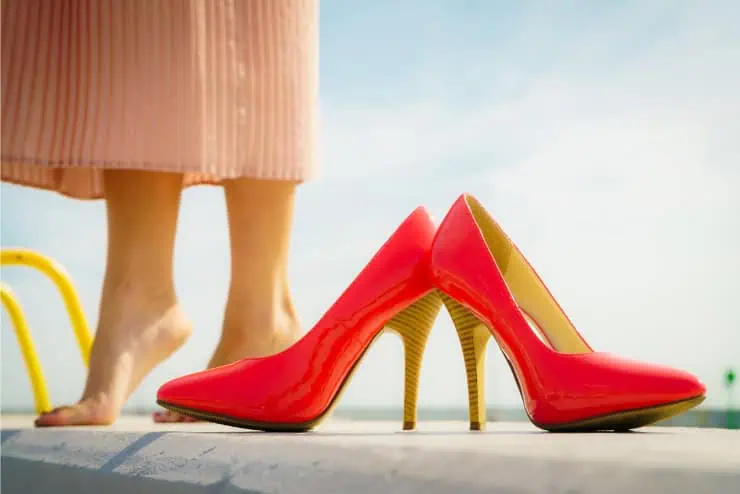
To look “proper,” a woman’s shoes needed to strike a balance between style and subtlety. Sensible heels, usually between one and three inches, were the go-to footwear, especially pumps with rounded or slightly pointed toes. Stilettos existed but were seen as more risqué and reserved for nightlife or glamour settings. For everyday elegance, modest heels in neutral shades complemented structured skirts and dresses. Flat shoes, unless dainty ballet styles, were considered too casual. In a decade when feminine refinement was prized, shoes weren’t just about comfort, they were key to a woman’s perceived class and maturity in social and professional settings.
7. Tailored Coats and Jackets
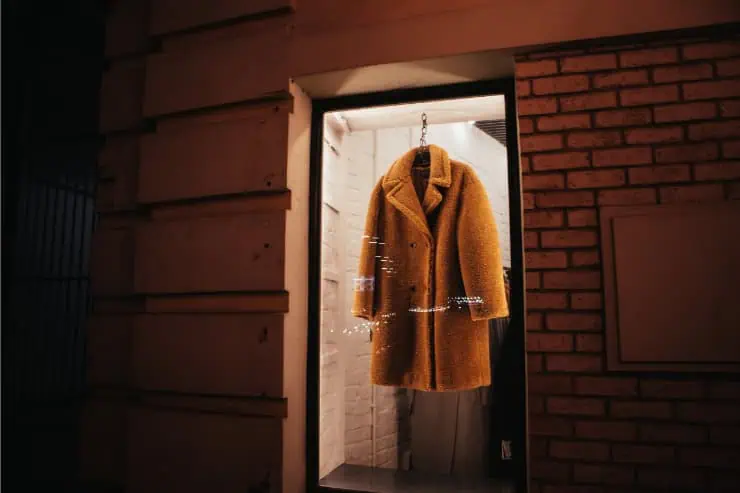
Outerwear in the 1960s had to match the poised polish of the outfit beneath it. Women wore tailored coats, often in wool, tweed, or boucle, with defined waists, clean lines, and conservative collars. Boxy jackets with three-quarter sleeves were especially fashionable, often worn over dresses or skirt suits. The key was structure: nothing oversized, shapeless, or overly embellished. A tailored coat signaled sophistication and attention to detail. It was a visual cue that the woman cared about presenting herself neatly, even when temperatures dropped. Throwing on a casual parka or sporty jacket would have disrupted the “proper” aesthetic that society expected.
8. Pearl or Modest Jewelry
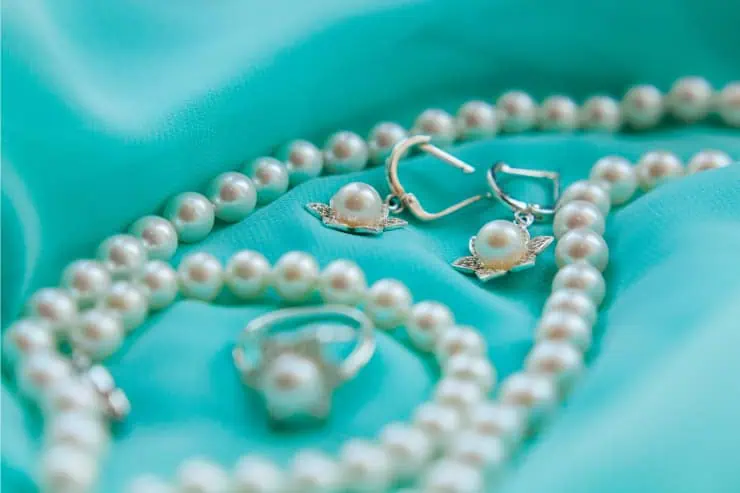
Jewelry in the ’60s for a “proper” woman meant elegance without excess. Pearls were the gold standard, necklaces, earrings, and even brooches, thanks in part to style icons like Audrey Hepburn and Jackie Kennedy. Gold or silver chains, delicate studs, and modest bracelets were acceptable for daily wear. Chunky or oversized costume jewelry, while trendy later in the decade, was initially reserved for younger or more experimental fashion circles. To appear respectable, jewelry had to enhance a woman’s look quietly, without drawing too much attention. Proper women were expected to accessorize minimally, letting their poise and poise speak for itself.
9. Matching Hat for Church or Events
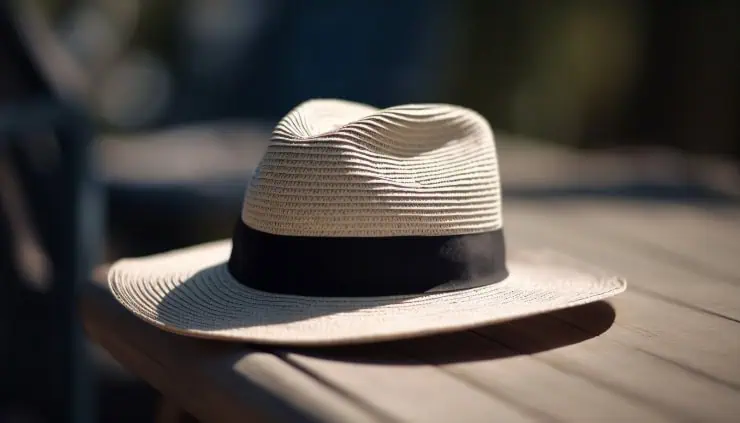
Hats were still considered essential for church, weddings, funerals, and formal luncheons in the early ’60s. A proper woman’s outfit often wasn’t considered complete without one. Pillbox hats, made iconic by Jackie Kennedy, were especially popular, but wide-brimmed, beret, and cloche styles also made appearances. Hats were symbols of tradition, and going without one in certain settings could be viewed as disrespectful or careless. Though the hat trend faded by the late ’60s due to the youth revolution and changing norms, many women, especially in conservative communities, continued wearing them to show grace, respectability, and social conformity.
10. Day Dresses with Defined Waists
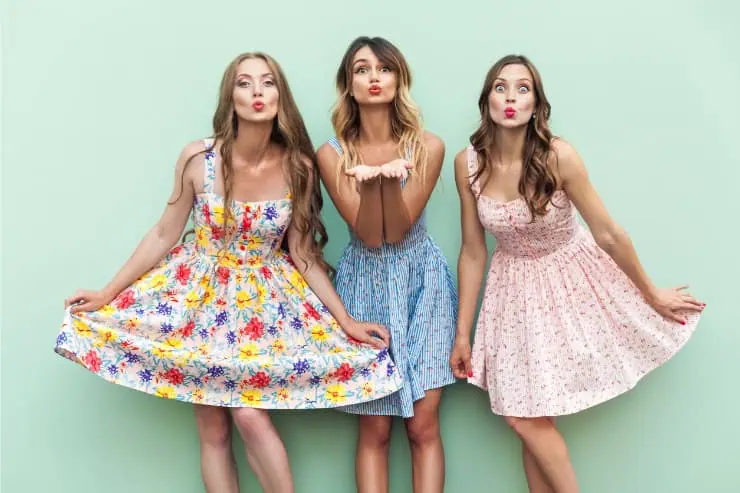
The quintessential look for a “proper” woman in the 1960s was a fitted day dress with a clearly defined waistline. Whether styled as a shirtwaist dress, a sheath, or an A-line silhouette, the goal was to present a flattering yet modest figure. These dresses often featured buttons, belts, and subtle prints or solids. Fabrics were structured and crisp, contributing to a clean appearance. Anything too clingy, loose, or flashy was discouraged. These day dresses were the uniform of housewives, secretaries, and socialites alike, an unspoken code that communicated order, elegance, and a dedication to femininity that defined the decade.