The 1970s were a turning point for women’s fashion, yet many style choices we take for granted today were still controversial or outright forbidden at the time. Society’s expectations around modesty, femininity, and propriety imposed strict limits on what women could wear, both socially and professionally. From workplaces that banned pants to the backlash against visible undergarments, fashion was often a battleground for equality. Today, these once-taboo items are not only accepted—they’re embraced.
Table of Contents
1. Pants in Professional Settings
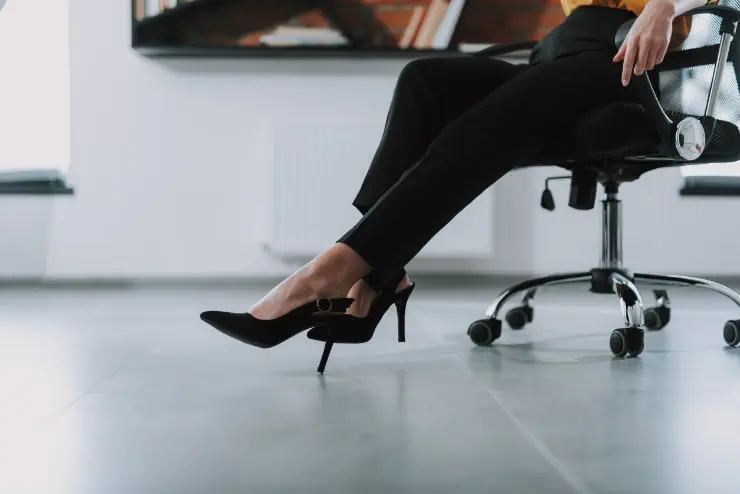
Wearing pants to the office was still frowned upon or even prohibited in many workplaces during the early 1970s. Women were expected to wear skirts or dresses to maintain a “proper” feminine appearance, even in cold weather. Trailblazers like Congresswoman Charlotte Reid made headlines for wearing pantsuits in Congress. Today, women can choose from trousers, suits, and wide-leg pants in every color and fabric, with no fear of judgment. The pantsuit has become a symbol of female empowerment, proving that professionalism doesn’t require sacrificing comfort or equality.
2. Mini Skirts and Short Dresses
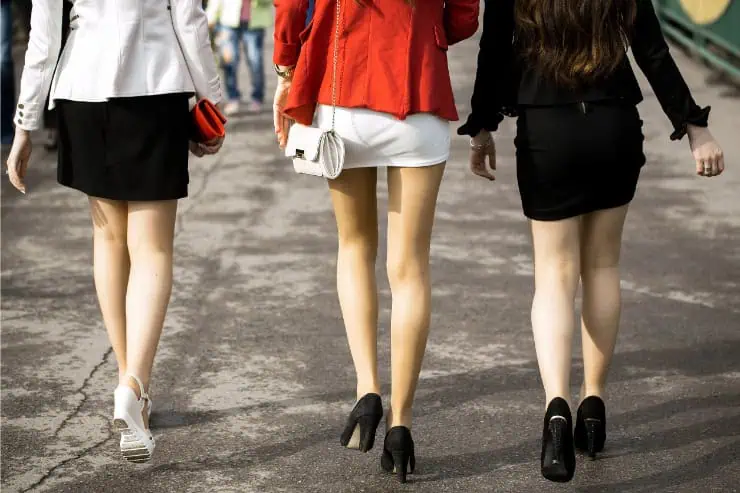
The mini skirt might have emerged in the 1960s, but it remained scandalous well into the ’70s in many communities. Conservative dress codes in schools and offices often banned skirts above the knee, equating them with rebellion or indecency. Wearing one could earn disapproving stares or worse. Now, short hemlines are just another fashion choice, styled with confidence at any age. From flirty sundresses to structured mini skirts, women freely express themselves through leg-baring looks without being labeled inappropriate.
3. Visible Bra Straps
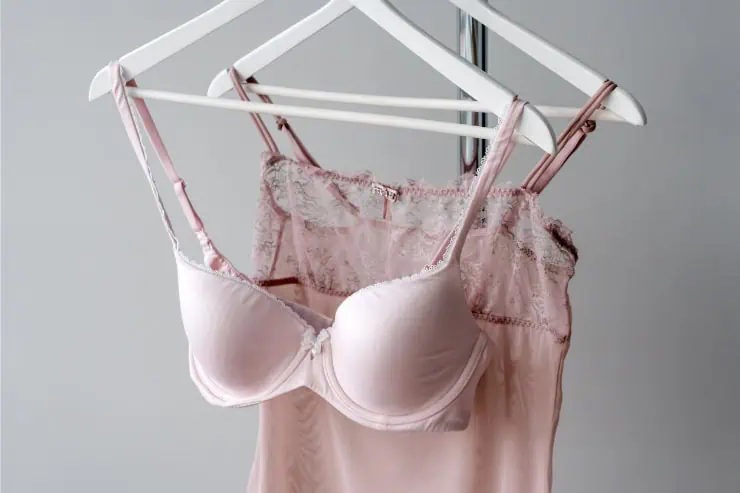
In the ’70s, a visible bra strap was considered sloppy or even indecent. Undergarments were meant to be hidden at all costs, and any peek of a strap could invite social embarrassment or criticism. This strict modesty rule limited wardrobe options for many women. Today, visible bra straps, whether peeking from tank tops or purposefully styled as part of a look, are completely acceptable. Some women even wear lingerie-inspired bralettes or lace straps as statement accessories, redefining what used to be a fashion faux pas.
4. Bold or Unnatural Hair Colors
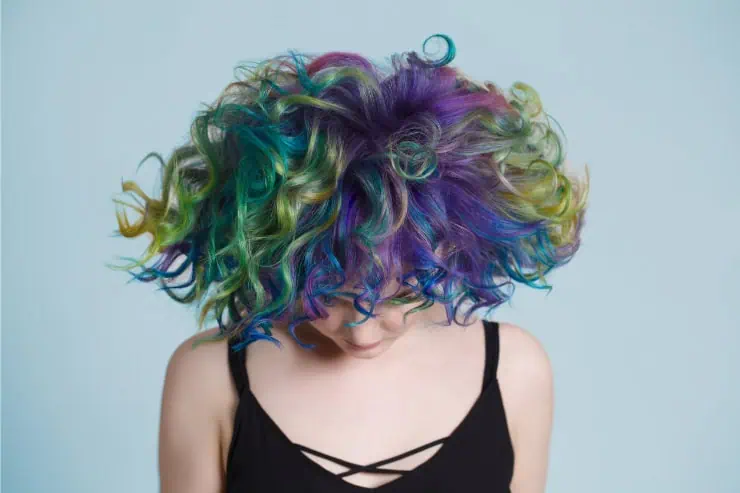
In the 1970s, women were expected to stick to “natural” hair colors like brunette, blonde, or auburn. Brightly dyed hair in shades of pink, blue, or purple was seen as radical, rebellious, or inappropriate, especially for anyone over 30. These bold hues were often reserved for punk subcultures or musicians. Fast forward to today, and vibrant hair colors are mainstream, embraced by women of all ages. Whether it’s pastel lavender or electric red, colored hair is now a fun form of self-expression, not a symbol of social defiance.
5. Athletic Wear Outside the Gym

Jogging suits, leggings, and sports bras were strictly reserved for workouts in the ’70s. Wearing them in public, especially outside of fitness settings, was viewed as lazy or inappropriate. The idea of “athleisure” hadn’t yet entered the fashion vocabulary. Now, stylish athletic wear is a fashion category in its own right. Leggings, sneakers, and crop tops are everyday staples, often paired with blazers or oversized coats. The shift reflects changing attitudes about comfort, lifestyle, and women’s right to dress for themselves, not for societal expectations.
6. Sheer Fabrics or Visible Skin
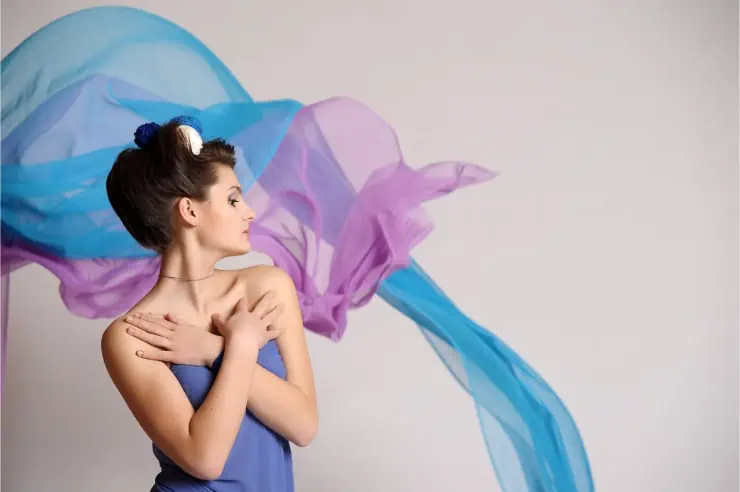
In the 1970s, sheer fabrics that revealed too much skin were considered highly provocative, and often associated with scandal or nightclub wear. Wearing translucent tops, mesh, or organza in public risked harsh judgment. Today, sheer pieces are a regular part of runway and street style. Women confidently wear sheer sleeves, layered mesh, and even sheer tops over bras or camisoles. The look is seen as edgy, elegant, or romantic, no longer something to cover up in shame. Fashion now celebrates transparency in more ways than one.
7. Graphic T-Shirts with Political or Feminist Messages
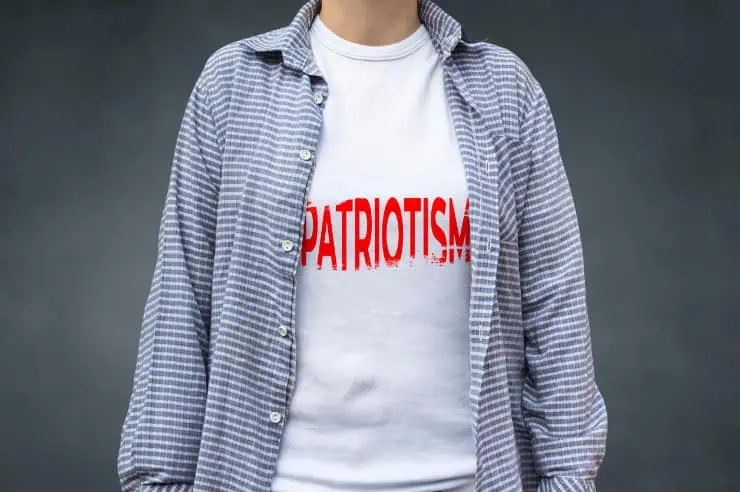
Wearing political messages, especially feminist slogans, on clothing was controversial in the 1970s, even though the women’s liberation movement was gaining momentum. Graphic tees featuring bold statements were often seen as radical or confrontational. Today, they’re mainstream. Slogans like “Nevertheless, She Persisted” or “The Future Is Female” appear on shirts sold at major retailers. These tees are no longer fringe, they’re fashion statements, conversation starters, and emblems of pride.
8. Ripped or Distressed Jeans

In the ’70s, ripped jeans were usually associated with poverty or counterculture rebellion. Parents and teachers often saw them as sloppy or disrespectful, and women wearing them faced especially harsh criticism. Fast forward to now, and distressed denim is a fashion staple. Carefully ripped knees and frayed hems are part of everyday style, often paired with heels or blazers for a high-low look. What was once rebellious is now completely normalized and even designer-approved.
9. Braless Outfits
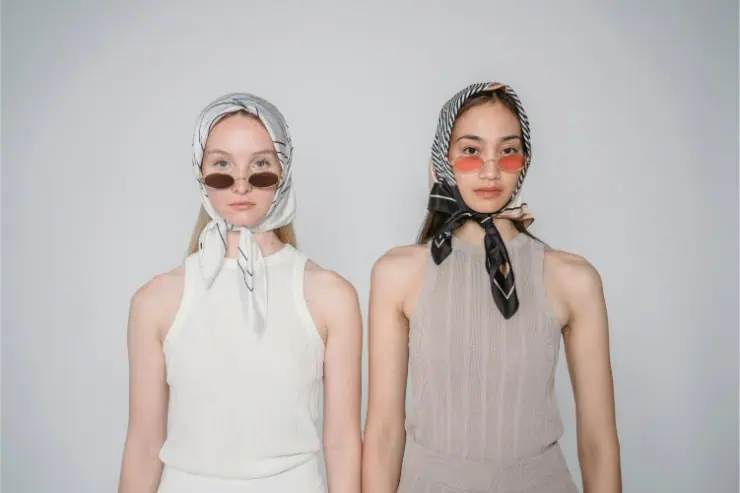
Going braless was one of the most controversial statements a woman could make in the ’70s. Although some feminist groups promoted the idea, mainstream society viewed it as inappropriate or indecent. Women risked stares, gossip, or even being denied service. Today, going braless is often a personal comfort choice, not a political one. Many modern garments are designed to be worn without bras, and braless fashion is no longer automatically sexualized. For many women, it’s about freedom, not rebellion.
10. Androgynous or “Masculine” Styles

In the ’70s, wearing menswear-inspired clothing like blazers, slacks, or button-downs, could raise eyebrows. Androgynous fashion was still edgy and subversive, reserved for avant-garde designers or celebrities. Today, gender-fluid fashion is widely embraced. Women regularly rock oversized blazers, suiting, and combat boots as part of everyday wear. The line between “his” and “hers” has blurred, with style now focusing more on self-expression than strict gender norms.
11. Crop Tops or Midriff-Baring Outfits
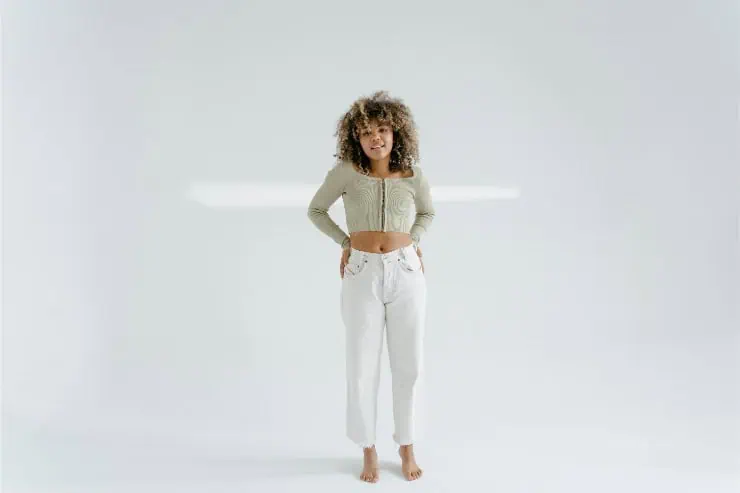
Midriff-baring tops were daring in the 1970s, often linked to disco fashion or beachwear, but far from mainstream acceptance. Schools and public places often banned them, and older women were discouraged entirely. Now, crop tops are everywhere, paired with high-waisted trousers, skirts, or layered under jackets. Women of all ages wear them, proving that age doesn’t define who gets to show a little skin. The evolution of the crop top reflects changing ideas around body positivity and personal style freedom.
12. Combat Boots and “Heavy” Footwear
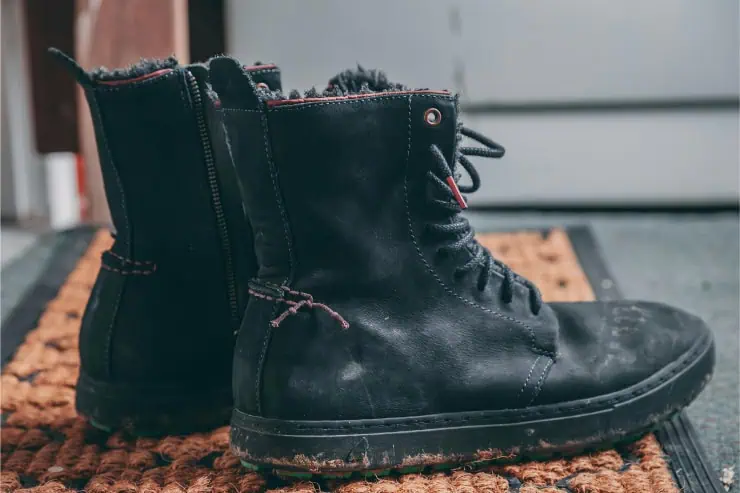
In the 1970s, women’s shoes were expected to be dainty, feminine, and decorative, heels, ballet flats, or wedge sandals ruled the fashion world. Combat boots and chunky soles were reserved for punks or military settings. Wearing them was seen as tough or “unladylike.” Today, heavy footwear is a style essential. Combat boots, lug soles, and platform shoes are beloved for their edge and versatility. Paired with dresses or jeans, they give outfits attitude and power, without sacrificing femininity.