We all want to feel confident in what we wear, and for many, that means reaching for outfits believed to be slimming. But not all so-called slimming tricks live up to their reputation. In fact, some outdated or misapplied fashion choices can actually add bulk, shorten your frame, or draw attention to the very areas you’d prefer to minimize. The key is understanding how fabric, fit, and proportion work together. This list reveals 10 styling habits that may be doing the opposite of what you intend and offers better, more flattering alternatives to help you look and feel your best.
Table of Contents
1. Wearing All Black, All the Time
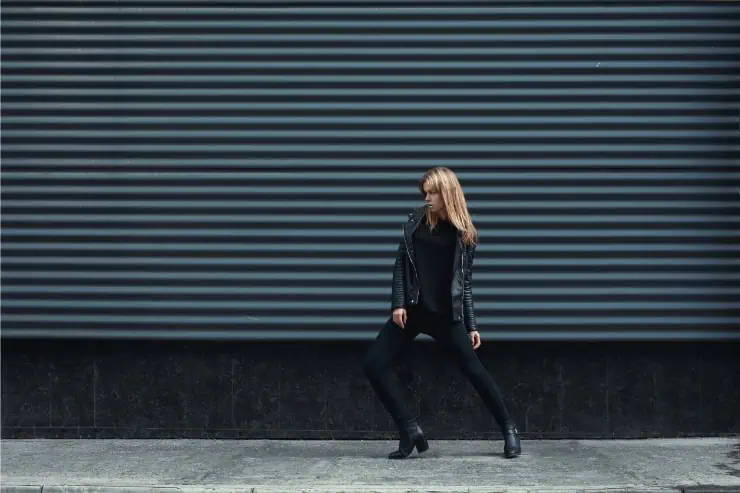
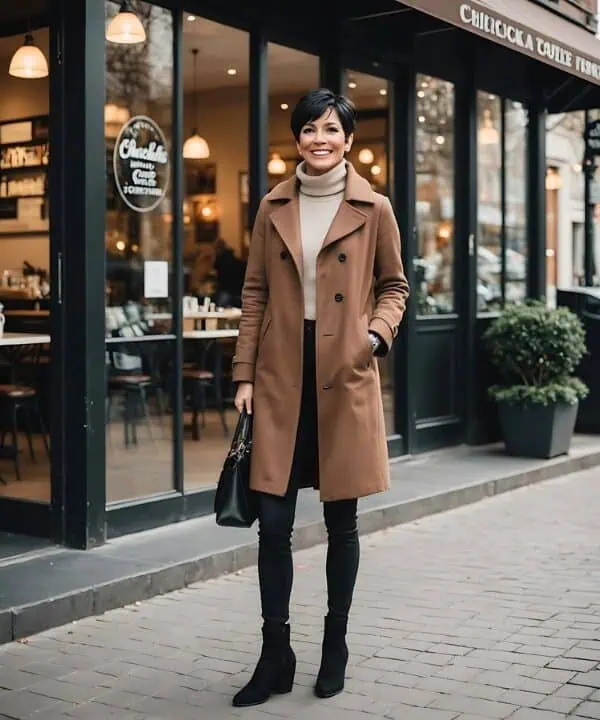
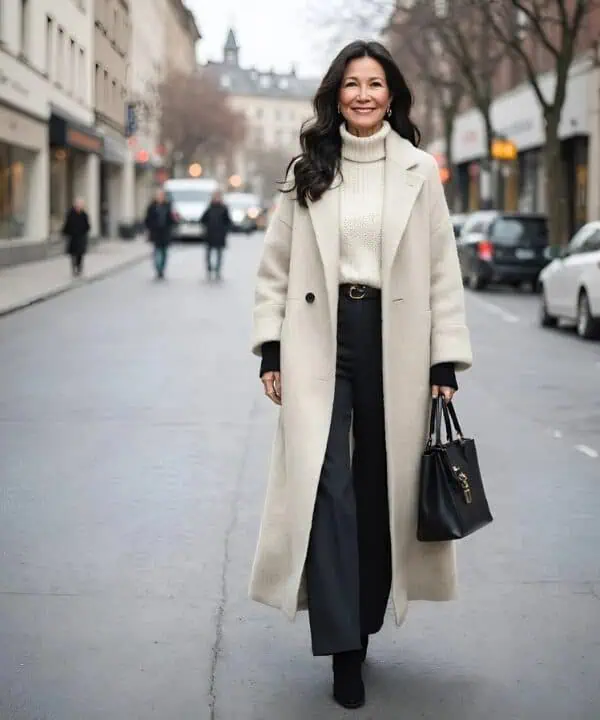
While black is often touted as the ultimate slimming color, wearing it head-to-toe without variation can actually create a flat, shapeless silhouette. Without contrast, your body’s natural curves and proportions disappear into a dark block, especially in photos or poor lighting. Worse, ill-fitting black clothes won’t hide bulk, they’ll highlight poor tailoring. Instead of defaulting to all black, try combining black with texture, layering, or pops of color near your face to create dimension. Proper fit and structure are far more flattering than relying on black alone.
2. Wearing Shapeless Clothing
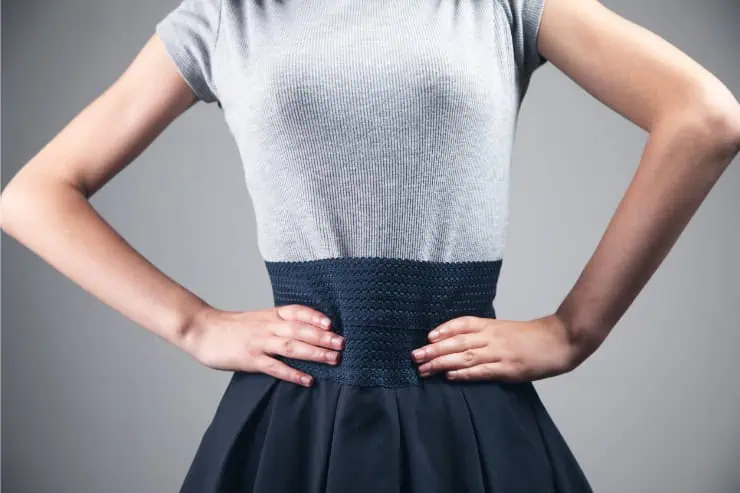
Many people opt for oversized or loose clothing to “hide” areas they feel insecure about, but billowy garments often have the opposite effect. Without definition, the body looks boxy and larger than it is, making you appear as though you’re hiding rather than styling. Shapeless clothes conceal curves, erase waistlines, and remove all structure. A more flattering approach is to balance volume, pair a flowy top with slim pants or define your waist with a belt.
3. Overly Tight Shapewear or Clothing
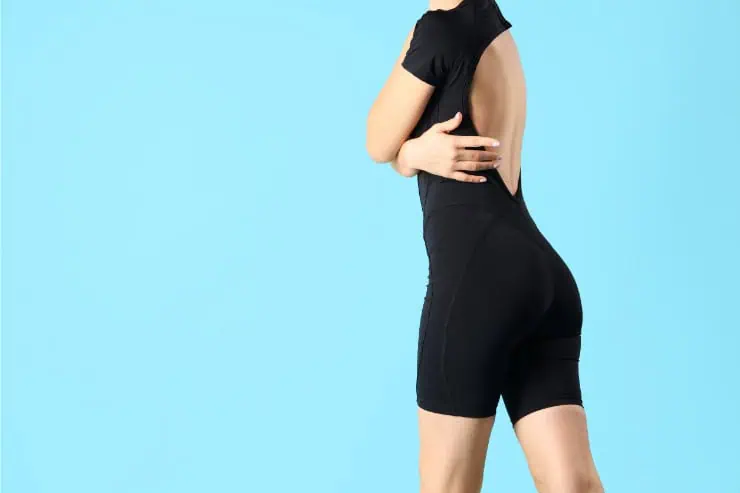
The idea that squeezing into tighter garments will make you look slimmer is a persistent myth. In reality, overly tight clothing creates bulges, discomfort, and visible lines that draw attention instead of flattering. Shapewear that compresses too much can distort your natural shape, making your outfit sit awkwardly. The same goes for jeans or tops that pinch or gap, your body looks better when dressed in pieces that fit properly, not forcefully. Instead, opt for smoothing rather than constricting layers.
4. Capri Pants That Cut Off at the Calf
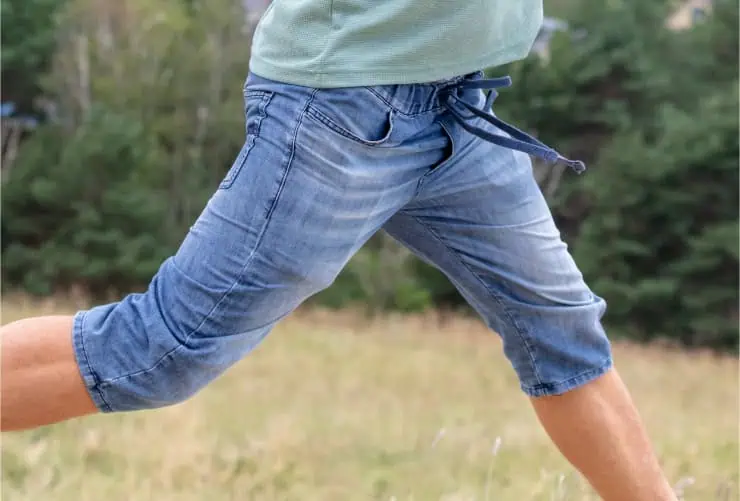
Capri pants are often seen as a summer staple, but their mid-calf hemline can visually shorten the legs and make you appear stockier. Instead of elongating, they interrupt the leg line at its widest point, which draws the eye down and inward. This effect is particularly unflattering for petite or curvy figures. If you want a slimming look, opt for ankle-length or cropped pants that hit just above the ankle bone, this reveals more of the leg and creates a longer, leaner appearance.
5. Horizontal Stripes (Worn Incorrectly)
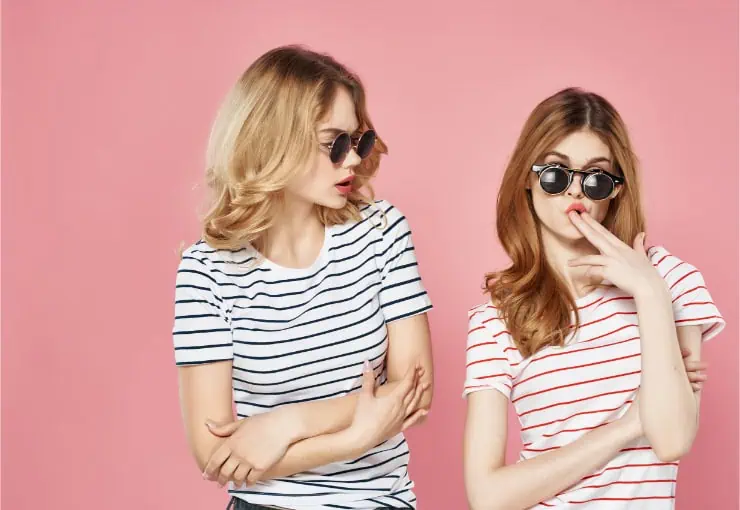
Horizontal stripes have a reputation for widening the body, and while not all stripes are created equal, wearing thick, bold horizontal stripes in unflattering placements can indeed add visual bulk. Wide stripes across the midsection or bust can emphasize those areas in an unintentional way. However, thin, well-spaced stripes in structured garments can still work. Vertical or diagonal stripes tend to lengthen and slim more reliably. If you love stripes, choose vertical patterns or color-blocked designs that draw the eye up and down.
6. Chunky Knits with No Structure
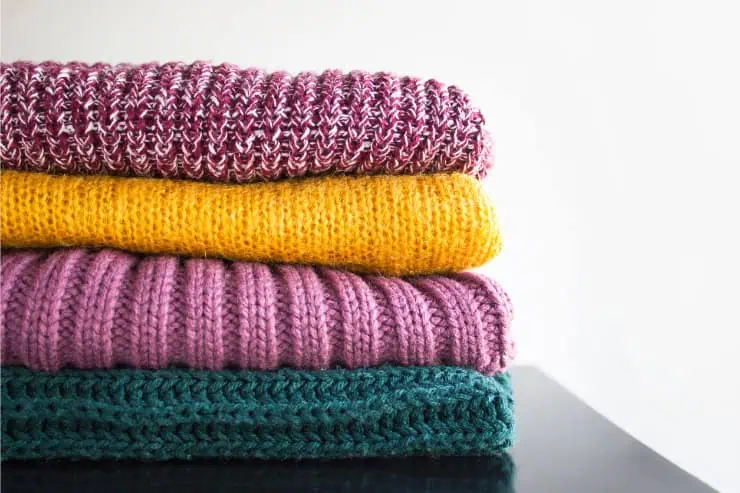
Oversized, chunky sweaters may feel cozy and forgiving, but they often add visual volume that overwhelms your frame. The thick texture can make you look heavier, especially if there’s no tailoring to define the waist, neckline, or sleeves. Unstructured knits also hang heavily, creating a boxy or frumpy silhouette. If you love sweaters, choose finer-gauge knits or styles with ribbing, side slits, or waist definition to create shape. Try front-tucking them into jeans or pairing them with slim trousers.
7. Wearing One Long Layer Over Everything
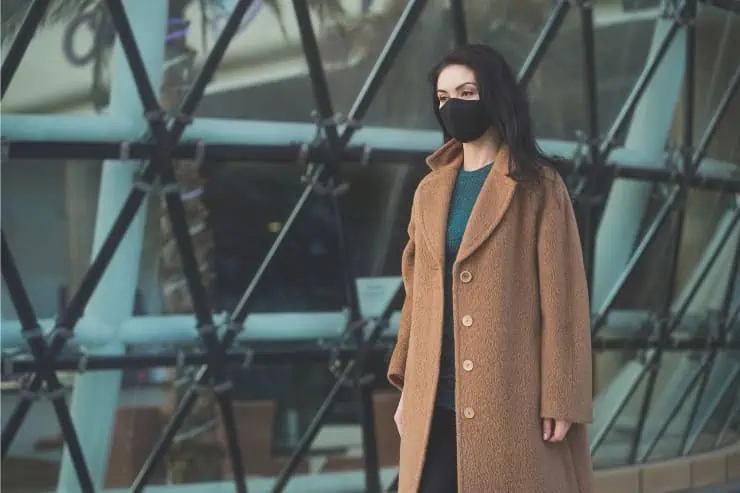
Long cardigans or tunics can be elegant, but when worn without layering intention, they can stretch your silhouette downward and obscure your natural lines. A single long layer without breaks can make you appear shorter and wider. It’s especially unflattering if the garment lacks shape or sways at the widest part of your body. Instead, look for structured long layers with side seams, slits, or belts, or layer over fitted tops and cropped pants for balance.
8. Wearing Dark Colors on the Bottom Only
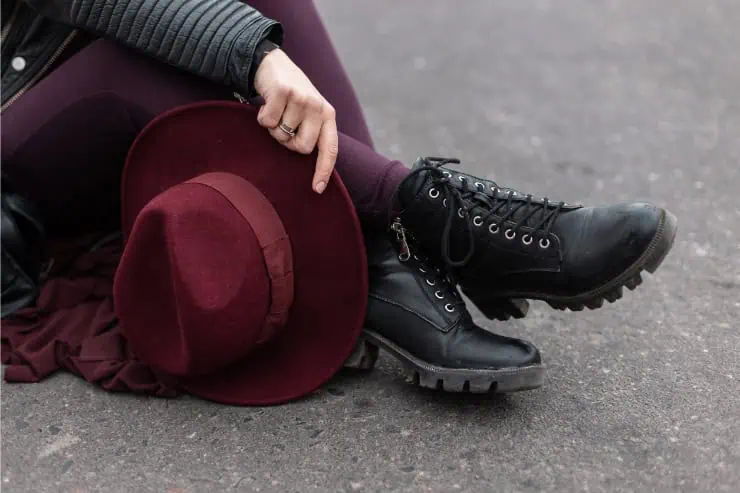
A common belief is that wearing dark pants with a light top will balance your figure, but this combo can backfire. Dark colors on bottom with overly bright or light tops can visually widen the upper body, especially for those with broad shoulders or large busts. This creates a top-heavy silhouette that feels unbalanced. To truly slim the figure, aim for tonal dressing, wearing similar shades top and bottom, or use layering and accessories to visually even out proportions.
9. Using Belts That Sit Too Low
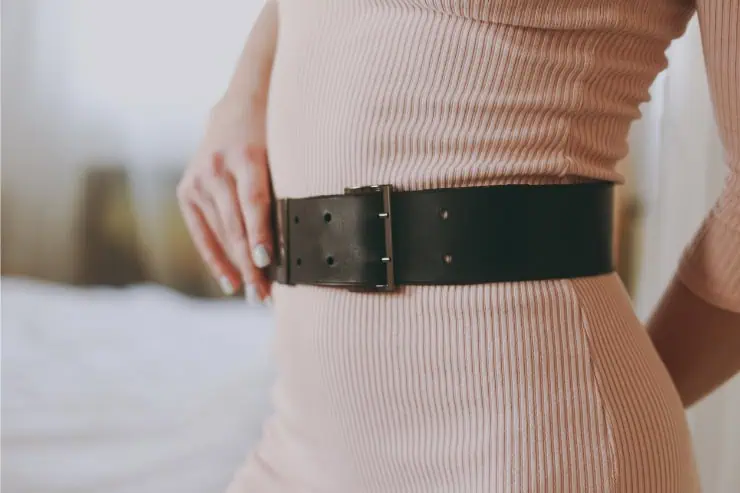
Belts are often used to define the waist, but when placed too low below the natural waistline, they can cut the body at an unflattering point and make the torso appear longer and the legs shorter. This misplacement draws attention away from the narrowest part of your frame and adds bulk around the midsection. For a slimming effect, position belts slightly above or at your natural waist, especially on dresses or high-rise pants. Wide belts work best on longer torsos, while thin belts suit petites.
10. Wearing Dull or Washed-Out Colors

Many people gravitate toward muted tones thinking they’ll blend in and minimize their figure, but dull or washed-out colors can actually drain your complexion and erase your features. When your outfit lacks contrast or vibrancy, you risk looking tired and washed-out, which can make you appear heavier or less defined. Instead, choose colors that complement your skin tone and add strategic pops of brightness, like a colorful scarf, bold earrings, or a top in a rich jewel tone.