You don’t need a brand-new wardrobe to look stylish you just need clothes that fit the way they were meant to. The right adjustments can make inexpensive pieces look luxe, give old favorites new life, and refine your silhouette more effectively than buying trend after trend. Stylists rely on small, strategic fit tweaks to make every outfit look intentional and elevated. Whether you’re dressing for work, weekends, or special occasions, these adjustments have the power to completely transform your look with surprisingly little effort.
Table of Contents
1. Shortening Too-Long Pants to Hover Above the Shoe
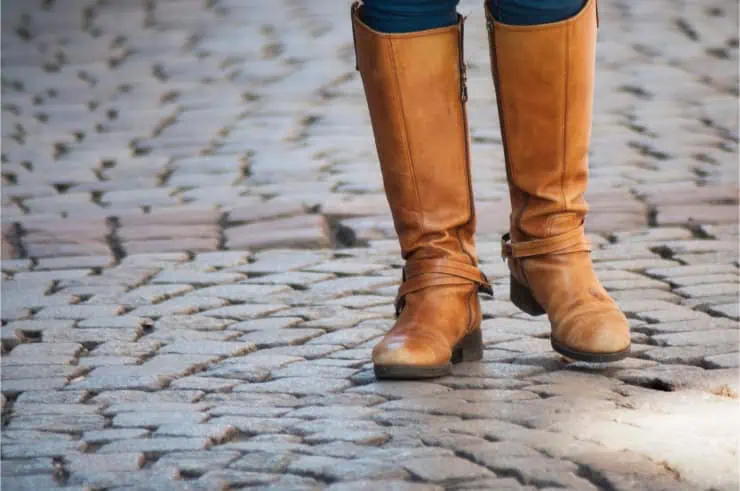
Length is one of the biggest fit problems most people overlook. Pants that puddle or fold at the ankle instantly shorten the leg line and make the outfit look sloppy. Tailoring them to hit just above the shoe whether it’s a boot, flat, sneaker, or heel creates a clean, uninterrupted line. This small fix elongates the legs, modernizes the silhouette, and removes the visual weight gathered at the ankles. For wide-leg trousers, a long-but-not-dragging hem gives elegance. For slim or straight cuts, a slight break (or no break at all) keeps the outfit crisp and current. It’s one of the simplest alterations with the highest impact.
2. Taking In the Waist on Pants and Skirts for a Better Fit
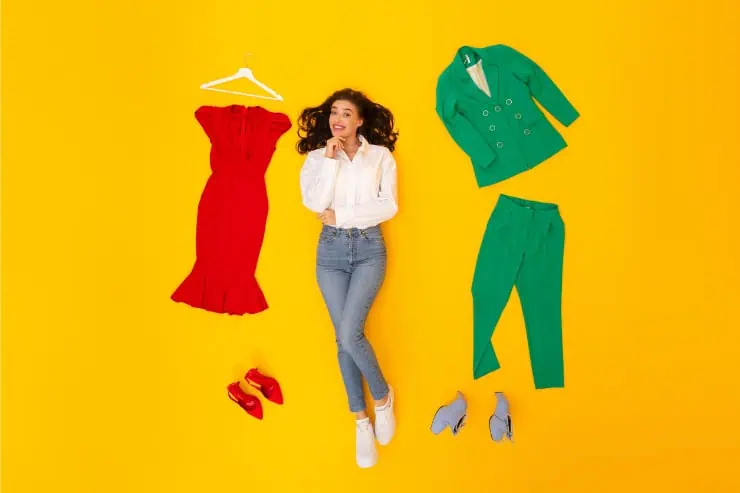
Many women buy pants and skirts that fit their hips but gap at the waist. This gap not only looks messy it causes tops to bunch, belts to sit awkwardly, and outfits to lose structure. Taking in the waist is a quick alteration that makes everything look custom-tailored. It also helps pieces sit at the right height, which improves proportions and comfort. A fitted waist supports tucking, helps define your silhouette, and ensures layers fall smoothly. Even jeans can be taken in by a skilled tailor. The result is a more polished, flattering line that feels much better to wear throughout the day.
3. Hemming Sleeve Length to the Slimmest Part of the Wrist
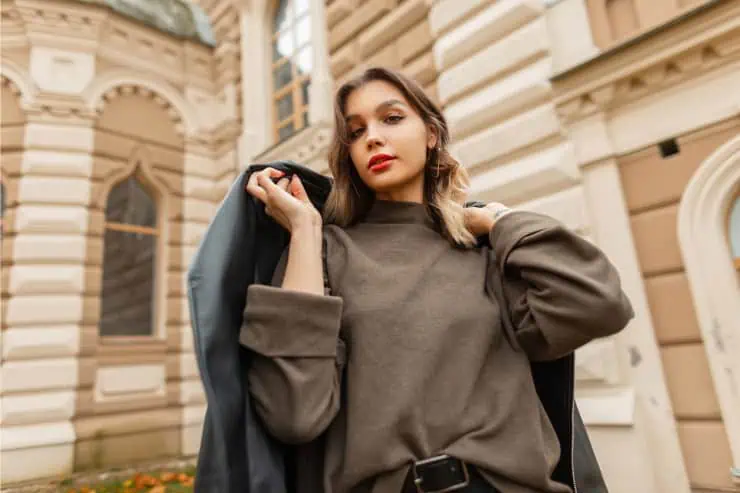
Sleeves that are too long make even beautiful clothing look borrowed or ill-fitting. Adjusting sleeves to stop at the narrowest part of the wrist sharpens your entire look. This change exposes a bit of skin or a bracelet, creating visual lightness and balance. It works for blazers, shirts, sweaters, and outerwear. Slightly cropped sleeves also make the arms appear slimmer and help show off structured layers beneath. With tailored jackets especially, correct sleeve length instantly elevates the piece. It’s a classic stylist trick that makes clothes look expensive and intentionally chosen.
4. Removing Excess Fabric at the Back of Shirts and Blouses

Many button-downs and blouses are cut generously, leaving a balloon of extra fabric at the lower back. This creates unnecessary bulk and makes the torso look larger than it is. Tailors can remove this fabric by adding darts or tapering the side seams, drastically improving the structure of the garment. The result is a smooth, flattering drape that still allows movement without looking sloppy. This fit adjustment transforms basic shirts into chic, streamlined pieces that pair beautifully with trousers, skirts, or denim. A clean back instantly modernizes your silhouette.
5. Narrowing the Shoulders on Jackets and Blazers

Shoulder fit determines the entire shape of a jacket. If the shoulder seam droops, the piece will always look too big no matter what you do elsewhere. Narrowing the shoulders is more advanced but absolutely worth it for high-quality pieces. Proper shoulder placement makes the torso appear slimmer, the arms sleeker, and the overall silhouette sharper. It can turn an inexpensive blazer into a perfectly structured staple or revive a vintage find. Once the shoulders fit, everything else (sleeves, waist, lapels) falls into place more naturally, giving the garment a sculpted and intentional look.
6. Shortening Tops That Hit at the Wrong Spot

When tops fall too low past the widest part of the hips they create a bottom-heavy shape and hide your natural waist. Shortening them even a couple of inches can dramatically improve proportion. This adjustment works for sweaters, blouses, and even lightweight jackets. Cropped not short lengths create a more defined silhouette and allow for easier pairing with high-rise bottoms. This change helps your outfits look thoughtfully styled instead of overwhelmed by fabric. Even a simple straight hem refreshes older tops and brings them into a more modern silhouette.
7. Adding Darts to Define Shape Without Sacrificing Comfort
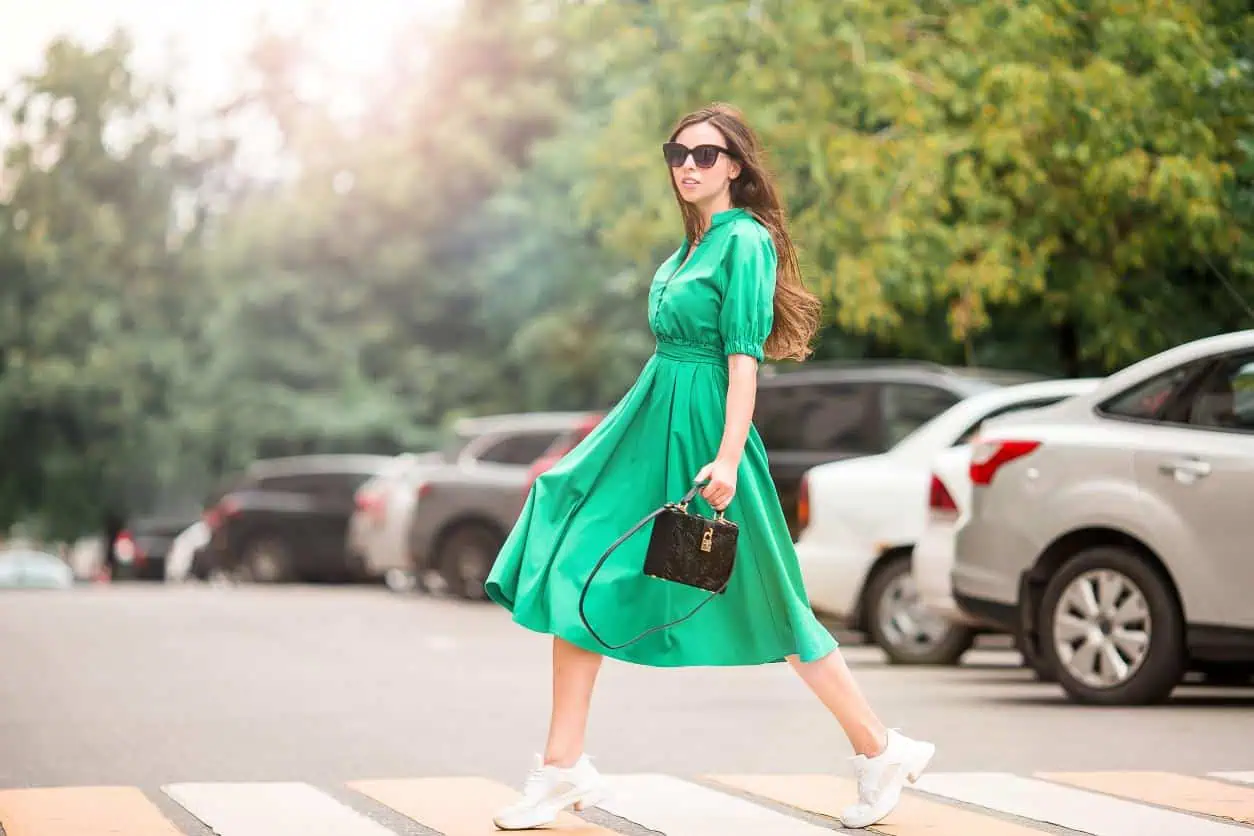
Darts are a tailor’s best-kept secret. They add subtle shaping at the bust, waist, or back to help clothing follow your natural curves. This prevents garments from ballooning outward or appearing boxy. Darts are especially helpful for women with fuller busts or those who prefer relaxed cuts but still want structure. They can be added to dresses, blazers, button-downs, and even some knits. The effect is gentle but transformative the piece drapes better, looks custom-fit, and flatters your body without feeling tight. Darts add refinement that elevates the whole outfit.
8. Tapering Wide or Baggy Sleeves for Better Proportion
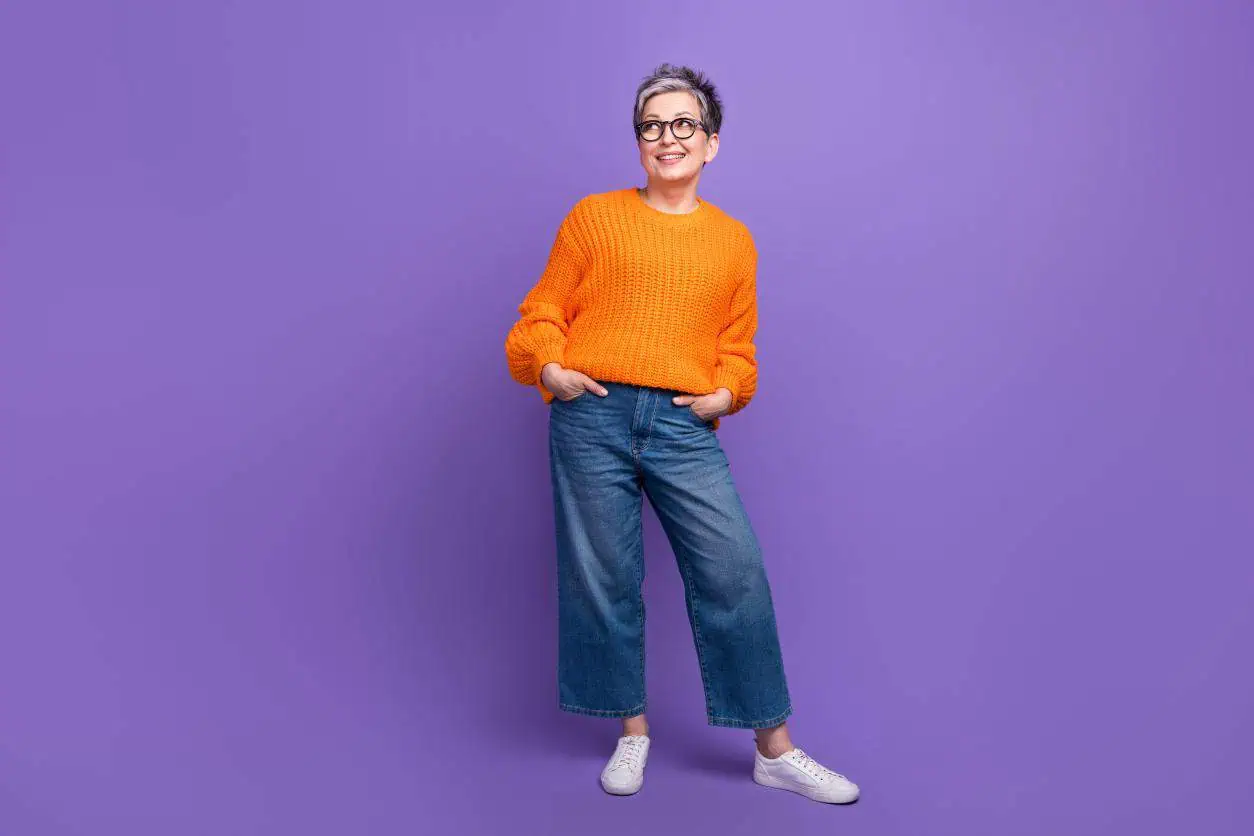
Sleeves with too much fabric can overwhelm the arms and disrupt the overall silhouette. Tapering them either slightly or significantly makes tops and jackets look cleaner and more modern. This adjustment is especially useful for oversized sweaters, vintage blouses, and older coats. Narrowing the sleeve shape helps balance voluminous pieces without eliminating their character. A streamlined sleeve also improves how outer layers fit on top and prevents bulky stacking at the wrists or under jackets. It’s a subtle tweak that makes the entire upper body look sleeker and more intentional.
9. Adding or Moving Button Placement to Prevent Pulling
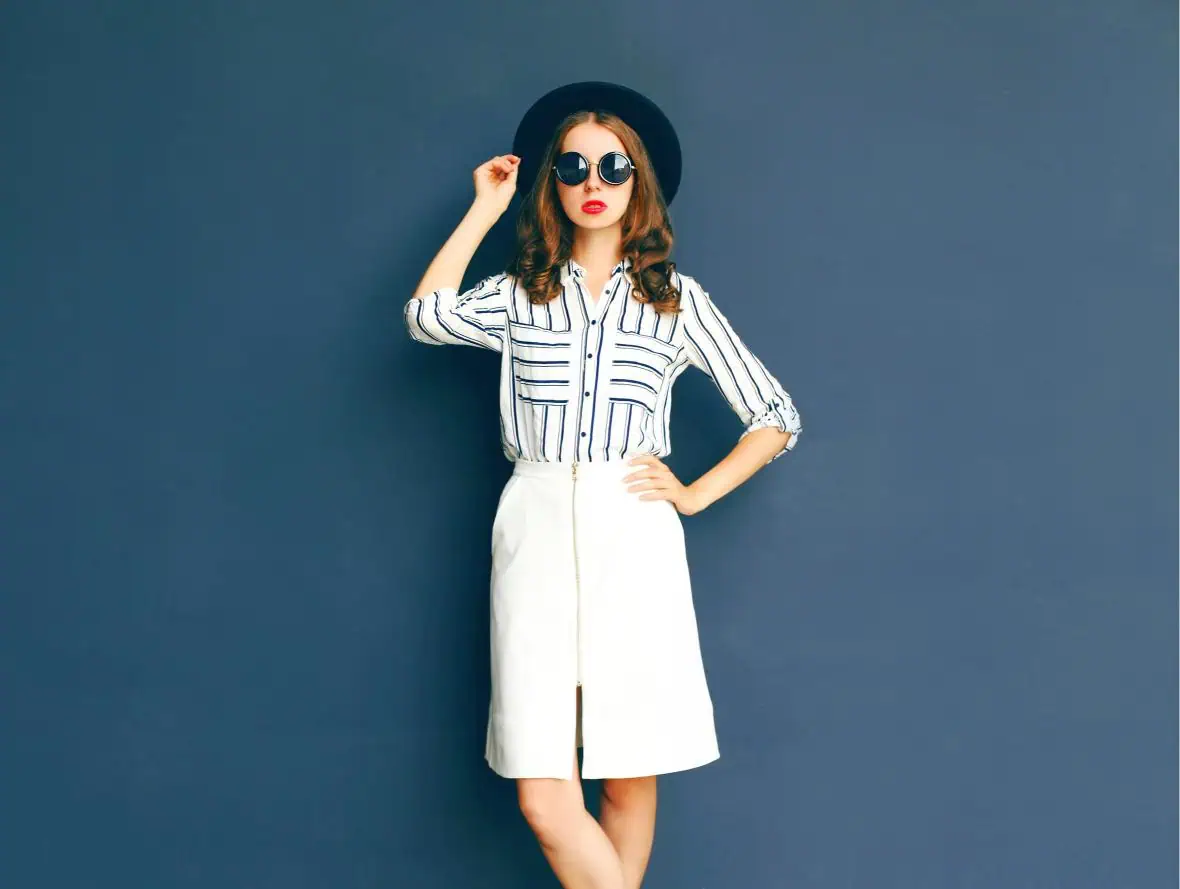
Gaping buttons especially around the bust are a common but easily fixed issue. A tailor can reposition buttons, add hidden snaps, or sew in plackets that keep shirts closed and smooth. These micro adjustments make tops look tailored instead of strained. For coats and blazers, adjusting button placement can also improve shape, helping the garment close at the most flattering point of the body. You can even add a button to redefine the waist on a coat. These small fixes prevent fabric from pulling or separating, which instantly elevates any look.
10. Shortening Skirts and Dresses to the Most Flattering Length

Skirt and dress length dramatically affects proportion. Hemming a piece to hit just above or below the knee (or to an ankle-skimming maxi) can completely change how the garment looks on your body. Too-long hemlines drag the figure downward, while slightly shorter ones lift and lighten the silhouette. This adjustment works wonders for outdated pieces many older styles become modern with just a few inches removed. Tailoring the hem also ensures the garment moves well, doesn’t bunch, and flatters your leg line. One small cut can make a dress feel brand-new.
11. Cinching or Shaping Coats That Feel Boxy
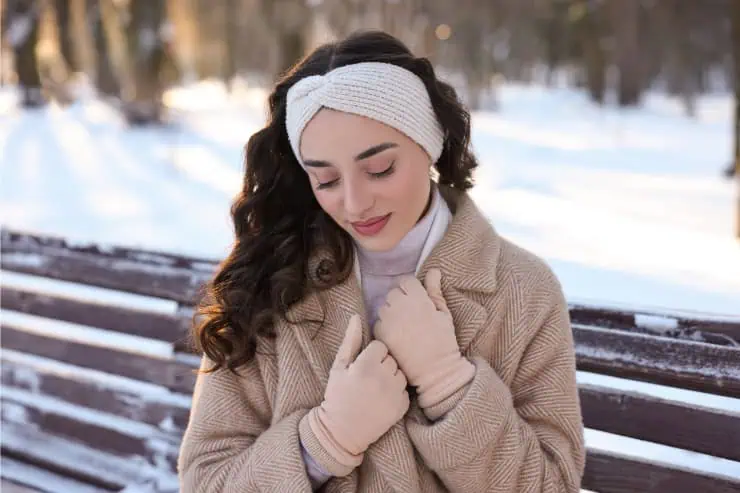
Outerwear has a massive influence on your overall look. A coat that is too boxy can swallow your shape and add unnecessary volume. Tailors can subtly take in the sides, add a belt loop, or reshape seams to give a more defined silhouette while preserving warmth and comfort. Even a slight taper at the waist or back seam can make the coat look dramatically more polished. Structured coats instantly elevate outfits, and shaping them to your body ensures you look sleek even in layered winter clothing.
12. Replacing Cheap or Bulky Shoulder Pads for Better Structure

Shoulder pads aren’t the enemy bad shoulder pads are. Many older or lower-quality pieces have thick, lumpy, or poorly placed pads that distort proportion. Replacing them with thinner, better-shaped versions instantly improves the garment’s fit. This adjustment gives jackets, blazers, and dresses a cleaner line, sharper shoulder shape, and more modern profile. Proper shoulder structure frames the body, enhances posture, and balances the silhouette without looking dated. It’s a tiny change with a huge visual payoff, especially on timeless wardrobe pieces.