Great style isn’t about having the “perfect” body it’s about knowing how to dress in a way that creates proportion, balance, and harmony. When your outfit is thoughtfully arranged, your silhouette looks longer, sleeker, and more intentional without needing extreme trends or complicated styling. These dressing habits are ones stylists use daily because they make a dramatic difference with minimal effort. Whether your goal is to look taller, balance curves, soften width, or simply refine your everyday look, these proportion-improving habits will help every outfit fall into place beautifully.
Table of Contents
1. Tucking Strategically to Reveal the Waistline
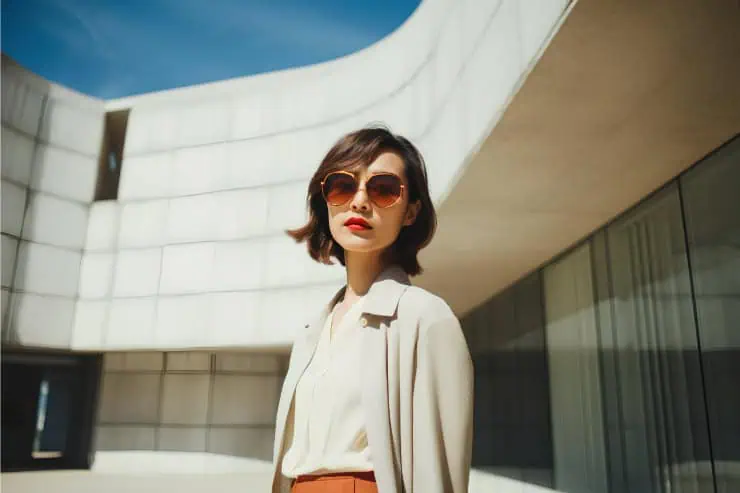
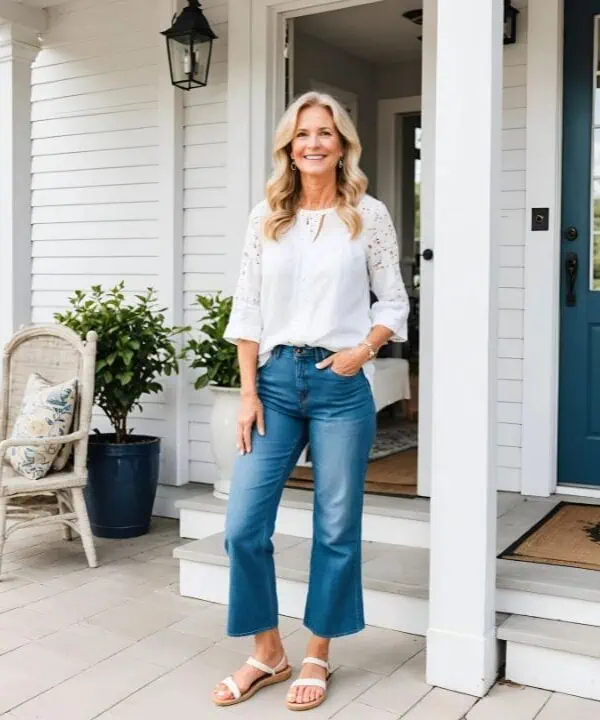
A simple tuck whether full, front, or half can completely transform the proportion of an outfit. Leaving tops untucked often creates a straight, bottom-heavy block that visually shortens the legs and hides your natural shape. But tucking even a bit of the fabric shows where your waist begins, instantly elongating the lower body and restoring balance. The half-tuck adds a relaxed, modern feel without the fuss of a full tuck. Styling-wise, this trick shifts your outfit from boxy to intentional. It also pairs beautifully with high-rise trousers, straight-leg jeans, and skirts because it creates a cleaner vertical line.
2. Choosing High-Rise Bottoms to Lengthen the Legs
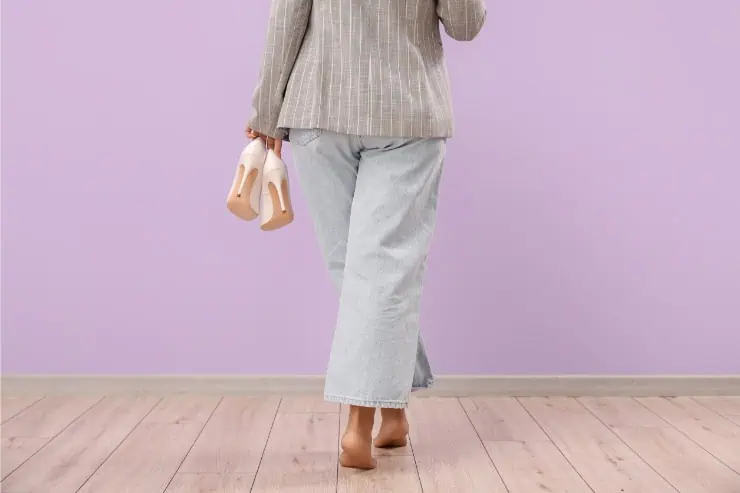
High-rise pants, jeans, and skirts are powerful proportion enhancers because they visually extend the legs upward. When your bottoms sit at or slightly above your natural waist, your torso appears shorter in a flattering way and your lower half looks longer and more streamlined. This creates a 2/3 to 1/3 ratio (legs to torso) that stylists rely on for balanced outfits. Mid-rise pieces can work, but low-rise bottoms shorten the legs and widen the hips.
3. Cropping Tops and Jackets at the Right Spot
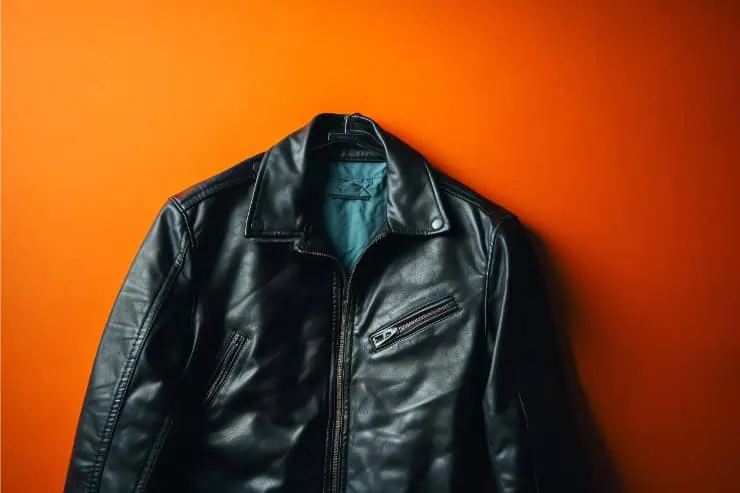
Cropped not short tops and jackets serve as powerful proportion tools. When they end at or slightly above the waistline, they prevent the torso from overwhelming the rest of the body and bring the eye upward. This creates a long line in the legs and a neat, defined upper frame. Even if you prefer longer layers, choosing ones that taper upward or have shaping helps prevent heaviness. Cropped jackets over dresses, sweaters over high-rise pants, or blazers hitting just at the waist create clean, flattering proportions. This trick works for every body shape because it emphasizes natural structure.
4. Pairing Opposing Volumes for Balance
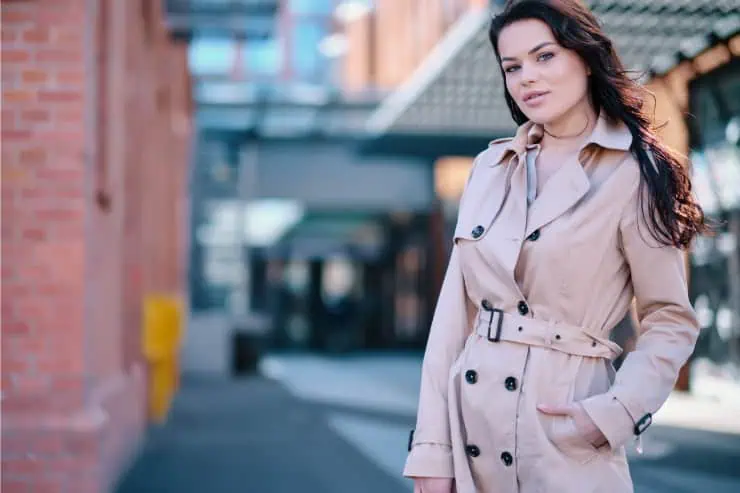
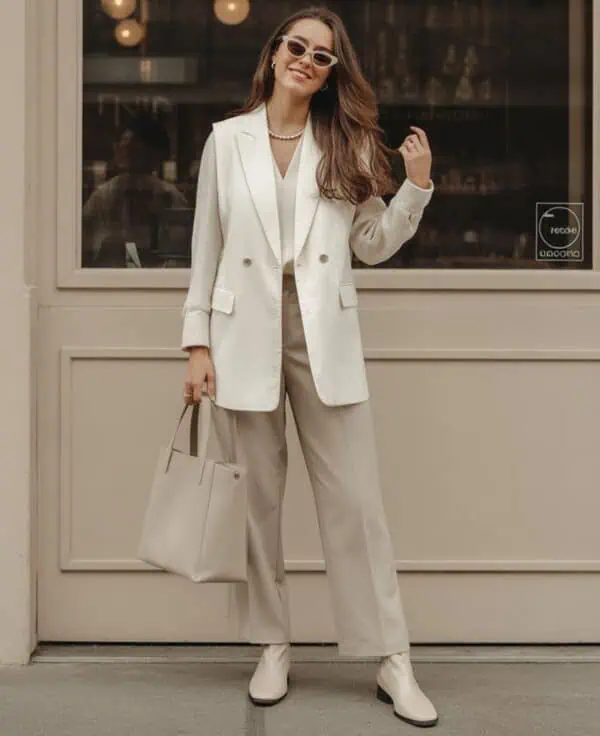
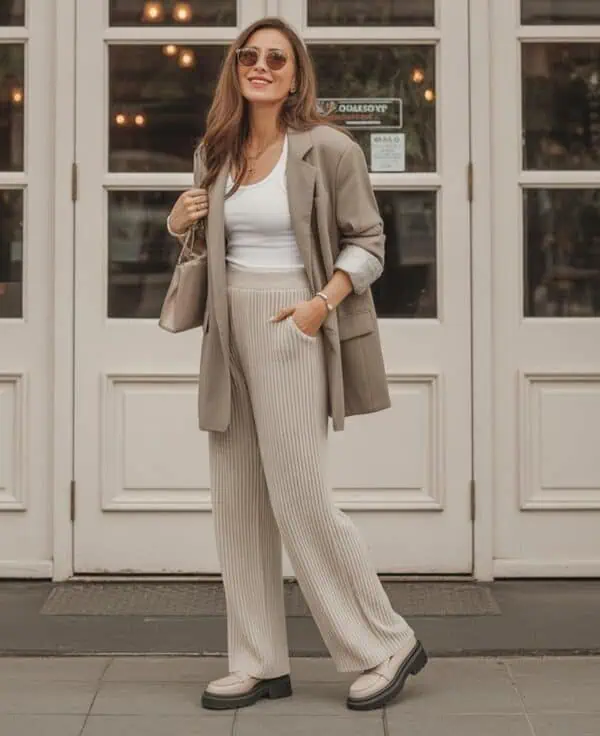
Wearing two oversized or two tight pieces can distort proportion, making outfits feel either heavy or constricting. Stylists balance silhouettes by pairing volume with slimness: wide-leg trousers with fitted tops, oversized knits with straight skirts, or structured blazers with soft blouses. This creates contrast, improves vertical flow, and gives the outfit shape without overwhelming the body. Balanced volume also lets clothing drape in an elegant, flattering way. When only one part of the outfit has volume, the result looks thoughtfully styled, modern, and proportionate from every angle.
5. Using Vertical Lines to Create Length
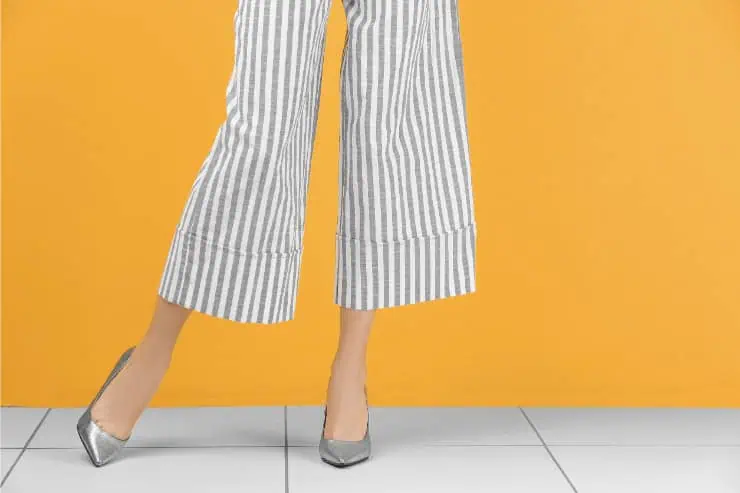
Vertical lines are an instant proportion enhancer because they guide the eye up and down instead of side to side. Long cardigans, open jackets, column dresses, pinstripes, center seams, and straight scarves create uninterrupted movement. Even monochrome dressing acts as a vertical line because it avoids visual breaks. Vertical elements elongate the body, slim the frame, and make outfits look more refined. This habit is particularly helpful in winter, when layers can add bulk. Choosing long, clean lines keeps the silhouette sleek and intentional without sacrificing warmth or comfort.
6. Wearing Shoes With the Right Visual Weight
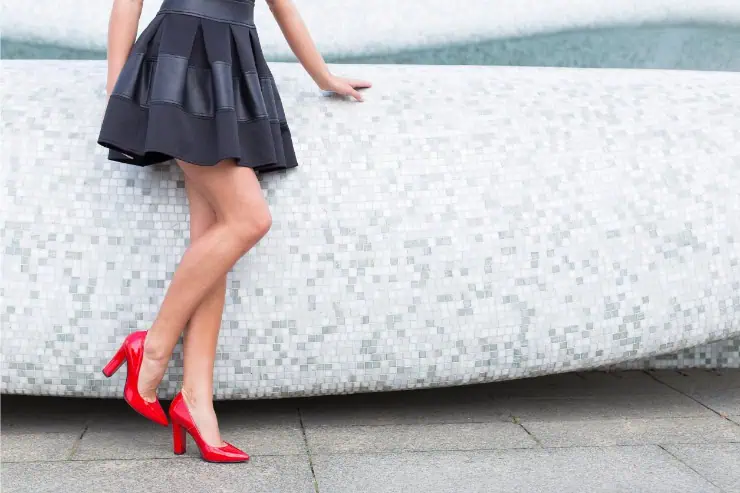
Your shoes have a bigger impact on proportion than most people realize. A heavy shoe paired with delicate pants creates bottom-heaviness, while a dainty flat worn with bulky winter layers makes the outfit feel top-heavy. Stylists choose footwear that matches the “weight” of the clothing: structured boots with structured coats, sleek flats with slim trousers, and balanced block heels with dresses or skirts. Shoes that visually align with the rest of the outfit create harmony from head to toe, improving the overall proportion and giving your look a cohesive finish.
7. Choosing Hemlines That Hit at Narrow Points
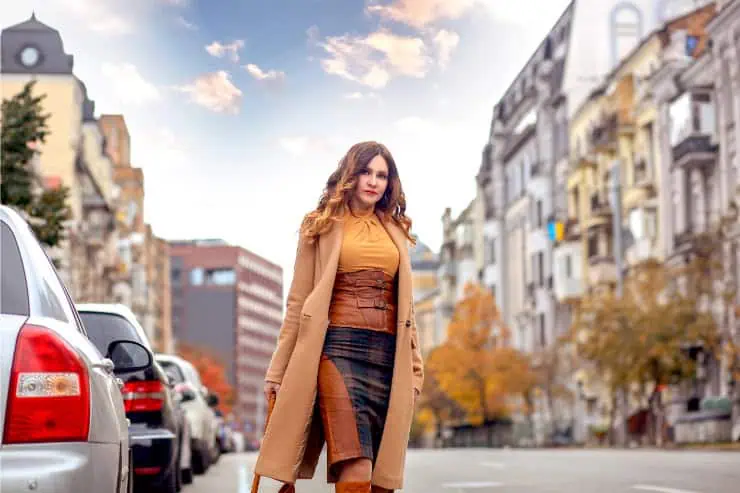
Hems that cut across wide areas mid-calf at the thickest point, skirts ending at the broadest part of the thigh, or tops hitting just below the hips can throw off proportion immediately. Stylists aim for hems that land at slimmer points: just above or below the knee, ankle length, or slightly above the waist. These placements create more elegant lines and elongate the silhouette. Slight tailoring, like hemming trousers to hover above the shoe, ensures the body appears lifted rather than weighed down.
8. Choosing Structured Pieces to Anchor Softer Ones
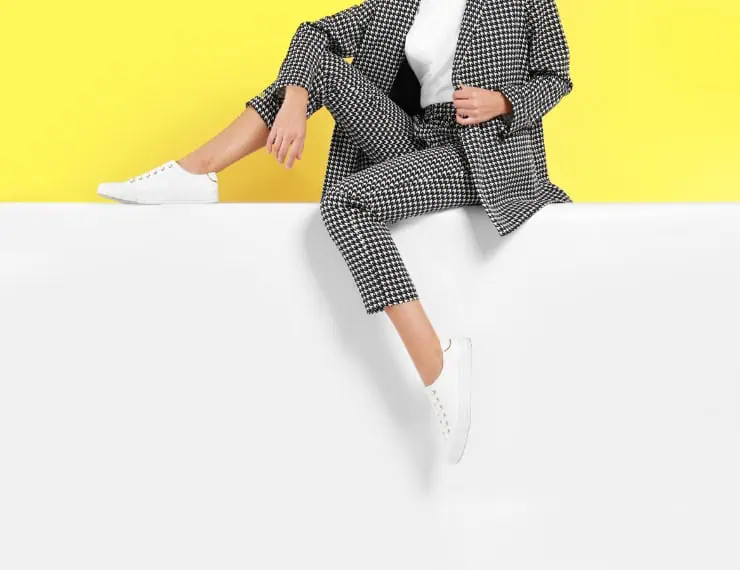
Too many soft or drapey pieces can make an outfit look shapeless. Stylists anchor these elements with at least one structured item: a tailored blazer, crisp trousers, a defined coat, or a sculptural handbag. Structure creates clean edges and strong lines, correcting proportion by giving the eye something stable to focus on. Pairing soft knits with tailored pants or floaty dresses with structured jackets adds sophistication and visual clarity. This habit prevents outfits from collapsing into softness and ensures you maintain a balanced, modern shape.
9. Using Belts to Break Up Long Blocks of Fabric
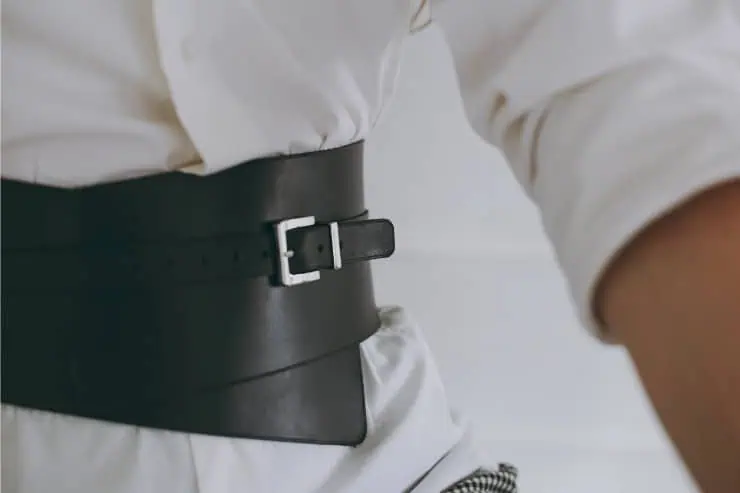
Belts aren’t just decorations they are proportion tools. A well-placed belt breaks up long, unbroken lines that can make your torso look too long or your outfit appear shapeless. Belting dresses, coats, or tunics helps define the waist, creates a 1/3–2/3 ratio, and adds structure to flowy pieces. Even a thin or fabric belt does the job without drawing too much attention. This trick works especially well with maxi dresses, oversized sweaters, and winter coats. When the waist is defined, the entire outfit becomes more balanced and flattering.
10. Sticking to a Cohesive Color Story
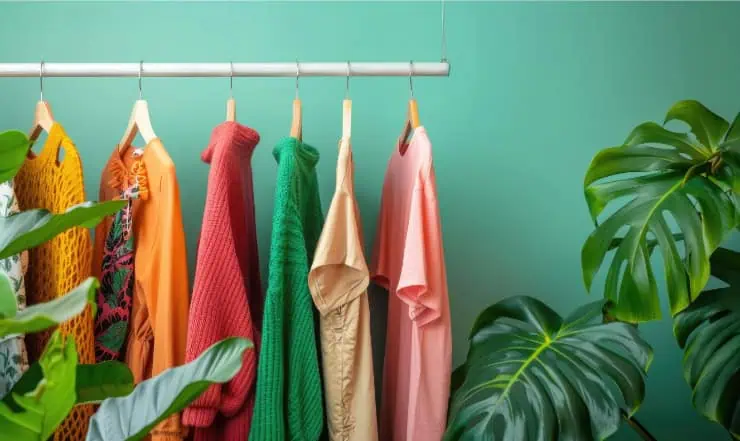
Color placement seriously affects proportion. Darker shades recede, lighter shades advance. Stylists use this knowledge to shape the body visually placing darker colors on areas they want to streamline and lighter ones where they want openness or elevation. A monochrome or near-monochrome look creates long, uninterrupted lines that lengthen the silhouette. Contrasting colors, when used strategically, highlight structure rather than disrupt it. Dressing within a cohesive palette neutrals, tonal layers, or soft gradients keeps the proportions smooth and the outfit visually balanced from top to bottom.