Neutrals are timeless, versatile, and endlessly chic but avoiding color altogether can sometimes limit your wardrobe’s full potential. The good news is you don’t need to overhaul your entire closet to start enjoying color. By introducing it intentionally and subtly, you can refresh your look, highlight your best features, and add depth to your style. Whether you’re color-shy or simply unsure where to start, these 10 tips will help you ease into wearing color in a way that feels natural and true to you. It’s all about balance, thoughtful choices, and discovering the hues that make you glow.
Table of Contents
1. Start with a Pop of Color in Accessories
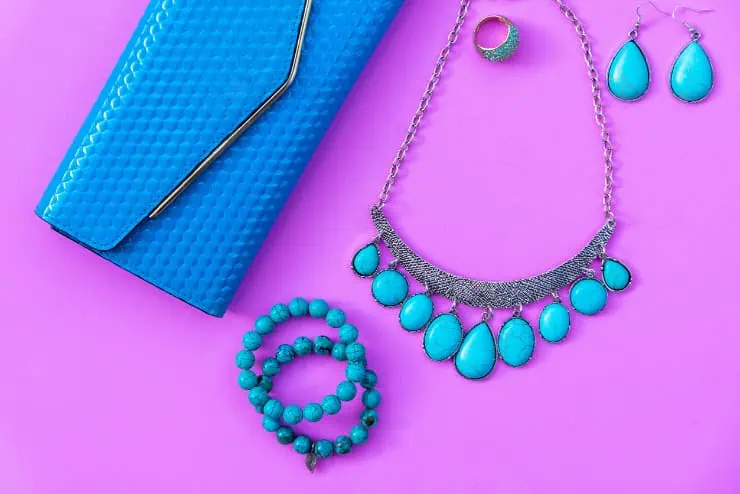
An easy and non-intimidating way to experiment with color is by introducing it through accessories. Think statement earrings, scarves, handbags, or shoes in a bold hue like cobalt blue or coral. These items provide a splash of vibrancy without overwhelming your outfit. When paired with a neutral base like black, beige, or white, they become the focal point and instantly elevate your look. Accessories also allow you to try different shades without commitment, making them perfect for those easing into color. It’s a low-risk way to discover which tones flatter you and add personality to your wardrobe.
2. Choose One Signature Color You Love

Instead of trying to embrace the whole rainbow, start with a single color that makes you feel confident. Whether it’s a deep plum, emerald green, or soft blush, having a go-to hue makes incorporating color easier and more consistent. This signature color can show up in various pieces like a cardigan, blouse, or pair of flats and serve as your style hallmark. Once you’re comfortable with that shade, branching out becomes less intimidating. This focused approach helps you build a cohesive wardrobe while still infusing your style with a fresh pop of life and vibrancy.
3. Mix Color with Classic Neutrals
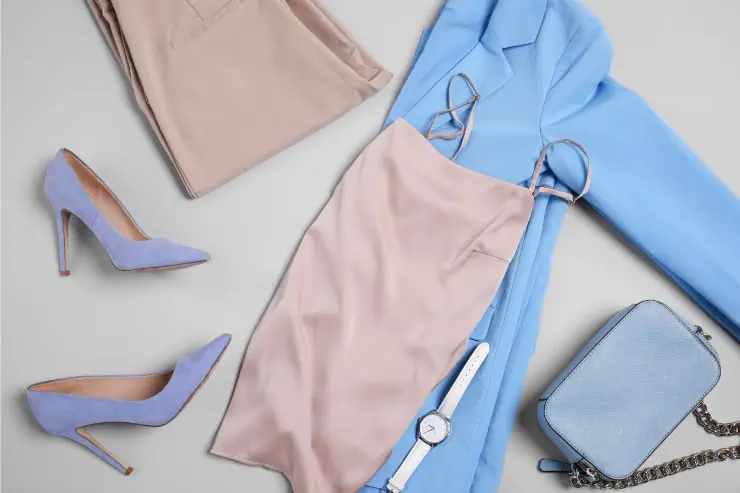
Pairing color with your favorite neutrals keeps the look grounded and sophisticated. A soft lavender blouse with gray trousers or a red blazer over a black dress maintains your familiar base while giving the outfit new energy. Neutral tones help balance the brightness and make colorful items feel more wearable. It’s a smart way to ease into bolder shades while still feeling like yourself. Whether you prefer earth tones or monochrome palettes, think of color as an accent that enhances rather than competes. This blend creates harmony and helps colorful pieces fit seamlessly into your wardrobe.
4. Try Muted or Dusty Shades First

If bright colors feel too bold, start with their softer counterparts. Muted, dusty, or pastel versions of colors, like sage green, powder blue, or rose are gentle on the eye and blend more naturally with neutrals. These shades feel elegant and understated but still offer a departure from the all-neutral zone. They’re especially flattering in flowy fabrics or knits and pair beautifully with creams, greys, and soft browns. Incorporating these softer hues helps you embrace color subtly, building confidence until you’re ready to try something bolder. They’re perfect for creating a refined, romantic look with a modern edge.
5. Use Prints to Introduce Multiple Colors

Prints are a stylish gateway to color because they often combine several hues in a cohesive pattern. Florals, stripes, or abstract designs offer a balanced mix that makes wearing color feel intentional rather than bold. Choose prints on a neutral background, like a navy base with pink and green florals, to keep it within your comfort zone. Printed scarves, skirts, or tops add vibrancy and interest while staying grounded in familiarity. Prints also allow you to “test” different shades against your skin tone to see which colors work best for you without committing to a full-colored piece.
6. Focus on Flattering Undertones

Understanding your skin’s undertone can help you choose colors that enhance your natural glow. Cool undertones tend to look great in jewel tones like sapphire, emerald, or icy pink, while warm undertones shine in golden hues, terracotta, or olive. If you’re not sure where you fall, test with colored fabric near your face and notice whether your skin looks more vibrant or dull. Wearing the right undertone doesn’t just add color, it enhances your entire complexion. When you choose the right shades, color can feel like a subtle highlighter, making you look more awake, youthful, and refreshed.
7. Layer Color Underneath Neutrals

A smart trick for easing into color is layering it under your favorite neutral staples. Try a colorful camisole, turtleneck, or blouse beneath a beige blazer or a charcoal cardigan. The neutral outer layer softens the visual impact while letting a pop of color peek through. This technique allows you to control how much color is visible and can be especially useful in colder months when layering is natural. It’s a polished, creative approach to incorporating color that still feels safe and familiar. Over time, you may feel inspired to reverse the ratio and let color take the lead.
8. Experiment with Color on the Bottom Half

If you’re more comfortable keeping color away from your face, try it in skirts, trousers, or shoes. A pair of deep burgundy pants or teal loafers can look unexpectedly stylish when balanced with a neutral top. This keeps the focus on your face and upper body while still allowing you to explore new hues. Many women find this option less daunting than wearing color near the face, especially when they’re unsure which tones flatter their complexion. Plus, colorful bottoms add visual interest and are a great way to update basics like white blouses or tan jackets.
9. Add Color Through Outerwear
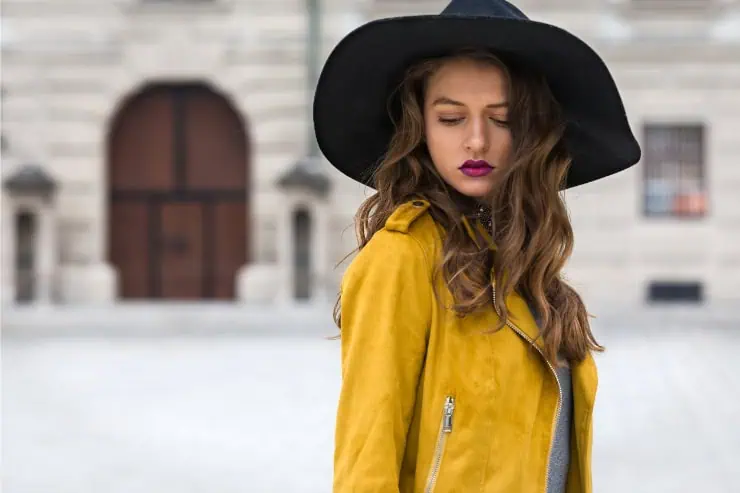
A colored coat, trench, or rain jacket makes a bold yet practical style statement. Since outerwear is seasonal and often worn over neutral outfits, it’s the perfect way to experiment with a bright hue. Think red wool coats in winter or mustard rain jackets in spring, these can become your signature piece and instantly energize your look. Unlike tops or dresses, outerwear doesn’t need to coordinate with your entire wardrobe, giving you freedom to pick something striking. Plus, a colorful coat stands out beautifully in a sea of black or beige, offering both warmth and personality.
10. Let Makeup Guide You Into Color

If clothing feels like a big leap, start even smaller with makeup. A berry-toned lipstick, a hint of coral blush, or a navy eyeliner can help you become more comfortable with color in your daily look. These touches often inspire clothing choices and help you discover what shades make you feel your best. Makeup is temporary, low-commitment, and easy to adjust, making it a great tool for testing your color comfort zone. As you become bolder with beauty, you’ll naturally begin to explore similar hues in your wardrobe and build confidence with every stylish step.