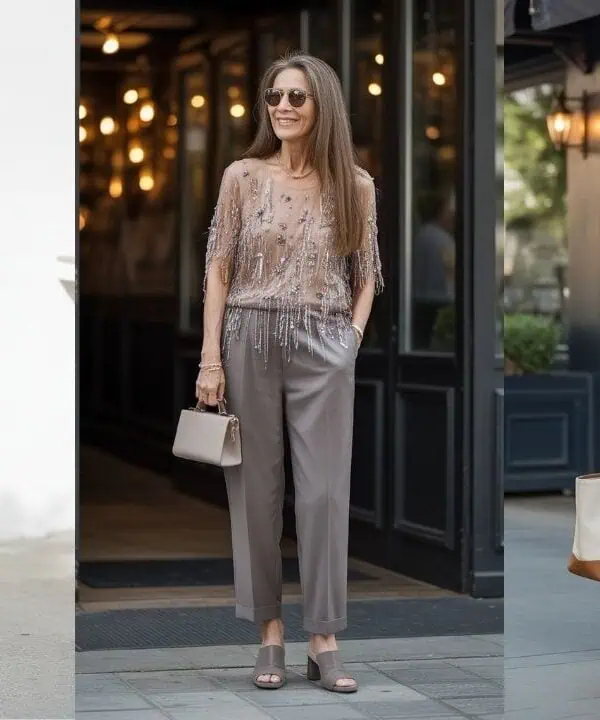
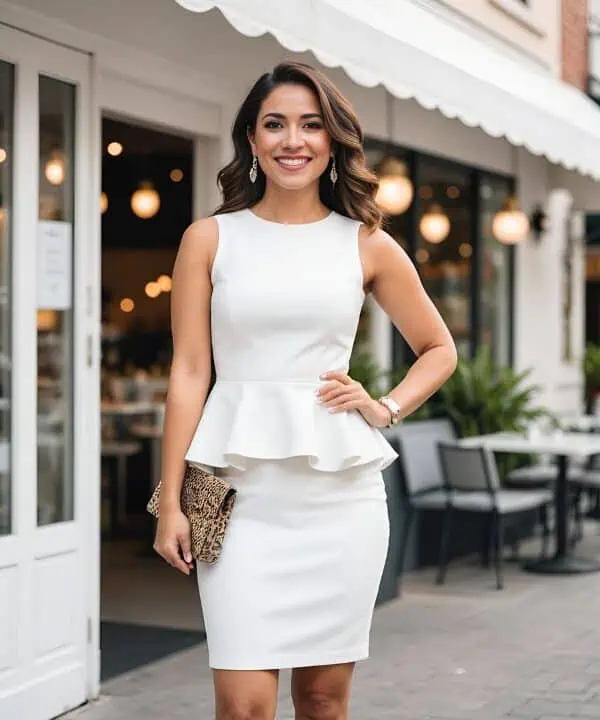
Retirement brings a new sense of freedom, but it can also bring unexpected shifts in personal style. Without the routine of work wardrobes or structured schedules, many women unknowingly fall into fashion ruts that prioritize comfort at the cost of confidence. While there’s nothing wrong with dressing casually, it’s important to do so with intention and flair. Looking polished doesn’t require sacrificing ease, it just takes awareness of the common style missteps that can slowly creep in. These eight fashion traps are easy to fall into after retirement, but with a few tweaks, you can stay effortlessly stylish and self-assured.
Table of Contents
1. Choosing Comfort Over Style, Exclusively

It’s natural to prioritize comfort after years of structured office wear, but leaning too far into stretchy waistbands and oversized tees can dull your style. Comfort and fashion don’t have to be opposites, soft fabrics, well-tailored knits, and modern lounge sets can provide both ease and elegance. The key is to choose garments that fit well and flatter your figure rather than hiding it. Clothing should support how you want to feel, confident, relaxed, and vibrant. Instead of defaulting to shapeless pieces, opt for comfortable but thoughtfully designed outfits that reflect your personality and elevate your everyday appearance.
2. Giving Up on Accessories
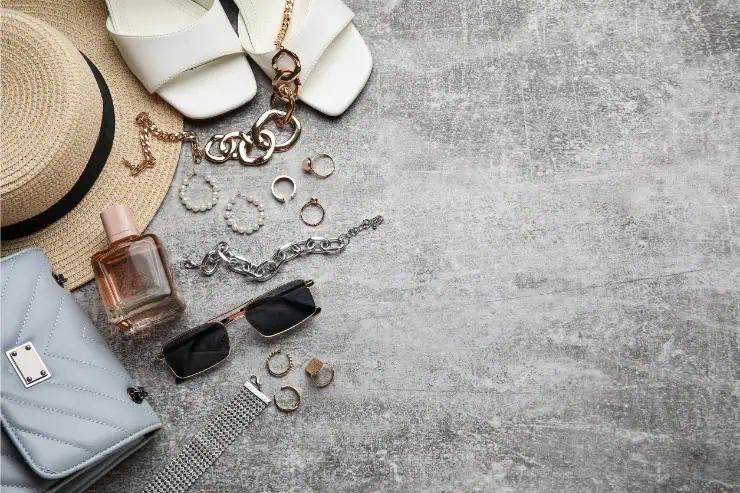
Many women stop wearing accessories after retirement, thinking they’re only for work or special occasions. But jewelry, scarves, belts, and bags are powerful style tools that bring life to even the most basic outfit. Without them, outfits can look flat or unfinished. A colorful scarf can brighten your face, a statement necklace can draw attention to your smile, and a belt can create a flattering shape. These little extras show that you’ve put thought into your look, even on relaxed days. Rather than skipping accessories entirely, try incorporating one or two that bring joy and reflect your individuality.
3. Sticking to the Same Hairstyle for Decades
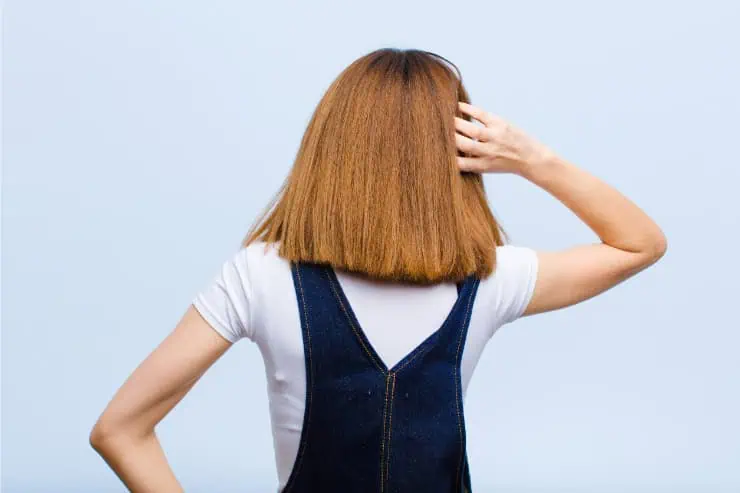
Hair plays a huge role in your overall appearance, and many women unknowingly date themselves by keeping a style that hasn’t changed in years. While it may feel safe to stick with what you know, updating your cut or color, even subtly, can refresh your entire look. Retirement is the perfect time to experiment with softer layers, bangs, or natural gray tones. A modern cut can highlight your bone structure and take years off your appearance. Don’t underestimate the power of a current hairstyle in transforming not only your outfit but also your self-image and daily confidence.
4. Wearing Only Neutrals or Dull Colors

After retirement, it’s common to lean into “safe” colors like beige, gray, or black. But wearing only muted tones can unintentionally wash you out or make your wardrobe feel lifeless. Embracing color, even in small doses, can energize your look and highlight your best features. Jewel tones, soft pastels, or a pop of red lipstick can do wonders. If bold colors feel intimidating, start with accessories or layering pieces like a scarf or cardigan. Retirement is a time to rediscover joy in getting dressed, and color is one of the easiest ways to communicate that vibrancy and spirit.
5. Wearing Clothes That No Longer Fit Well

Bodies change over time, especially post-retirement, and it’s important to update your wardrobe to match your current shape. Many women continue wearing clothes that are too tight, too loose, or simply outdated in fit. Ill-fitting garments can drag your posture down or make you feel less confident. Tailoring can be a game changer, even slight adjustments to hems or seams can make a piece feel brand new. Instead of clinging to the past, embrace where your body is now. The right fit flatters your figure, helps you move freely, and enhances your overall appearance without any effort.
6. Dressing Too Young or Too Old
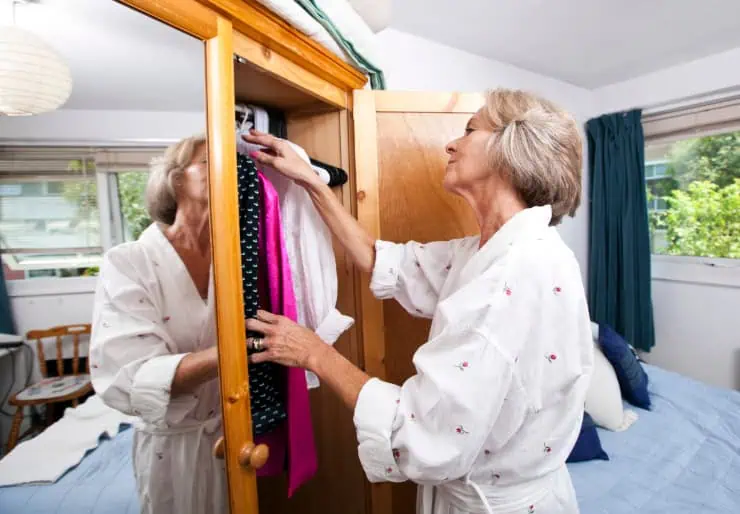
Striking the right balance between youthful and age-appropriate can be tricky. Some women go too far in trying to appear younger with trendy cuts or loud prints, while others swing the other way with overly conservative or matronly outfits. The key is to dress in a way that feels authentic to who you are today. This might mean mixing classic staples with one or two modern touches. Don’t feel pressured to dress like your 30-year-old self, or your grandmother. Personal style after retirement should celebrate confidence, self-knowledge, and individuality, not conform to outdated expectations about aging.
7. Ignoring the Power of Good Shoes

Foot comfort becomes more important with age, but that doesn’t mean sacrificing style. Many women resort to clunky orthopedic shoes or overly casual sneakers that undermine their outfits. Fortunately, there are countless options today that blend support and elegance. Think sleek loafers, stylish block heels, or updated walking shoes in chic finishes. Shoes have the power to anchor an outfit and elevate your look instantly. Investing in well-made, supportive footwear that also looks great can dramatically shift how you feel walking into any room. After all, confidence often starts from the ground up.
8. Neglecting Style Altogether

With no formal dress code or daily schedule, some women begin to view style as unnecessary after retirement. But clothing is still a powerful form of self-expression and personal pride. It’s not about dressing up for others, it’s about honoring yourself. Maintaining a sense of style doesn’t have to be complicated or expensive. A well-fitted pair of jeans, a pretty blouse, or a favorite lipstick can uplift your mood. Getting dressed with care is a daily reminder that you still matter and deserve to feel good. Retirement should be a celebration of self, not the end of personal style.