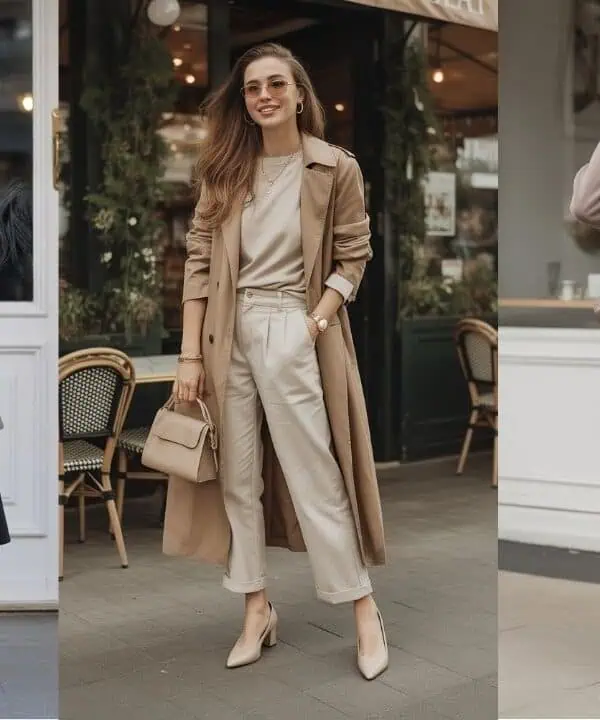
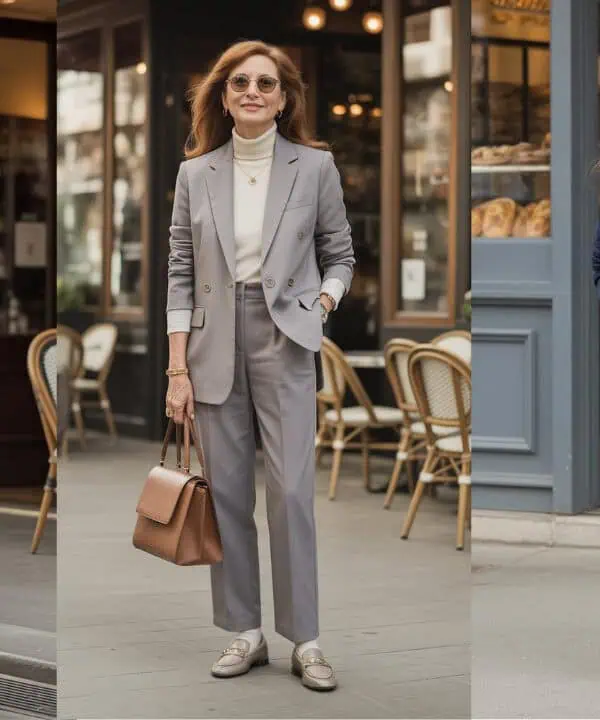
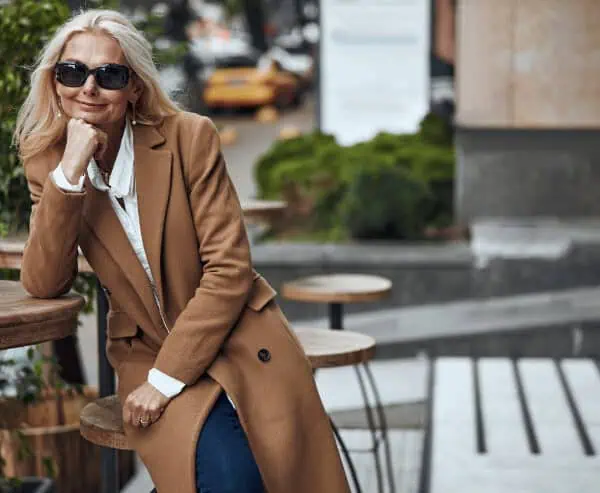
Fashion isn’t about age—it’s about how you evolve with it. Yet, many women over 60 unintentionally hold on to wardrobe habits that no longer serve them. Whether it’s clinging to outdated silhouettes, colors that drain your glow, or styling choices that belong to another decade, these mistakes can quietly age your look. It’s not about chasing trends but embracing change that flatters who you are today. Let go of the past and make space for timeless, polished, and flattering style choices that empower your present and future self.
1. Holding Onto Clothes That No Longer Fit or Flatter
Many women keep clothes for sentimental reasons or with hopes of wearing them “someday,” but an overstuffed closet of ill-fitting pieces only leads to daily frustration. After 60, your body and style preferences evolve—so should your wardrobe. Instead of focusing on a number on a tag, prioritize clothing that makes you feel good today. Fit is everything. A well-fitted piece, even in a larger size than you’re used to, will always look more elegant than squeezing into something that no longer suits your shape.
2. Wearing All Black All the Time
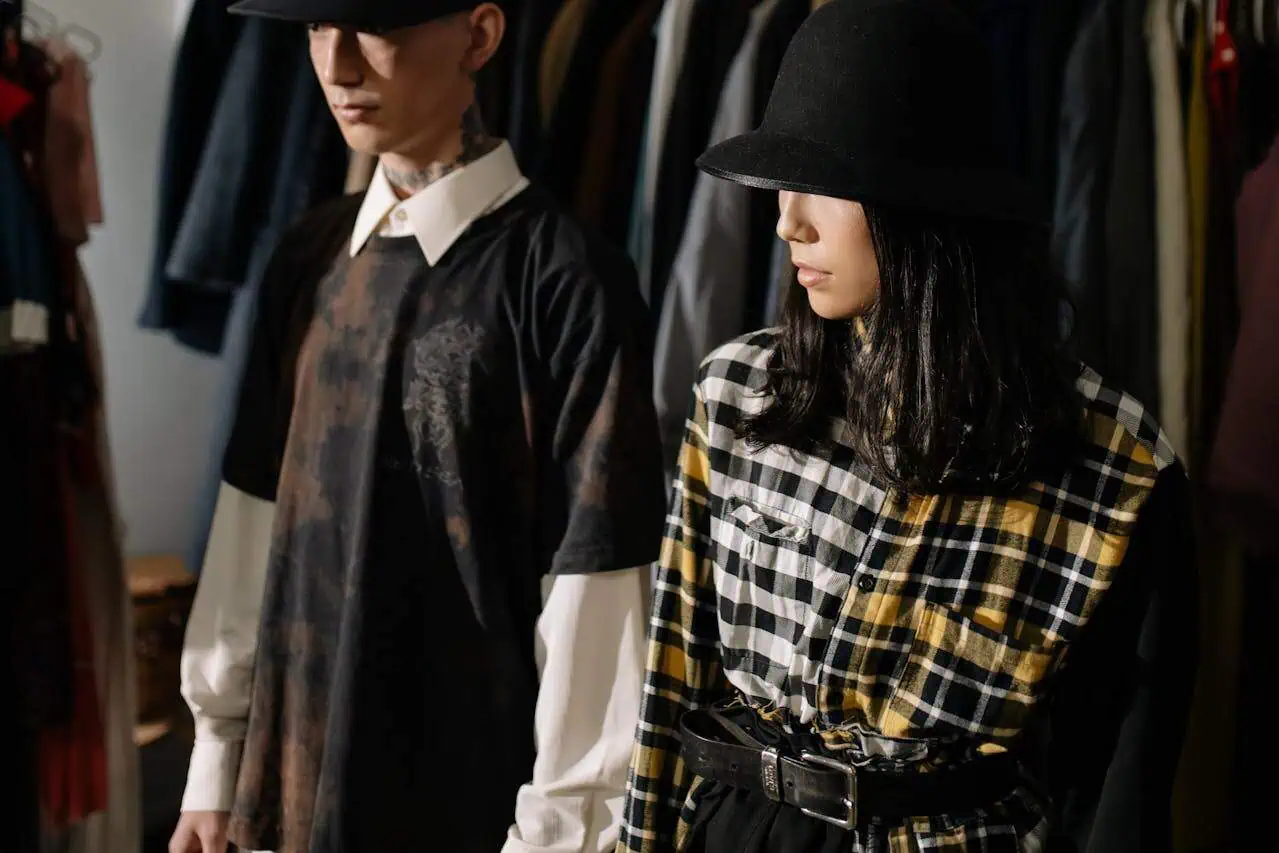
While black is classic, it can become a crutch—and for mature skin tones, it often looks harsh and draining. Many women over 60 fall into the habit of defaulting to black, thinking it’s slimming or always chic. But the truth is, softer neutrals or rich tones like navy, deep olive, burgundy, or warm taupe can be far more flattering. Color has the power to brighten your complexion and lift your energy. Start replacing black staples with fresh, refined hues that complement your natural coloring.
3. Choosing Oversized Pieces for “Comfort”
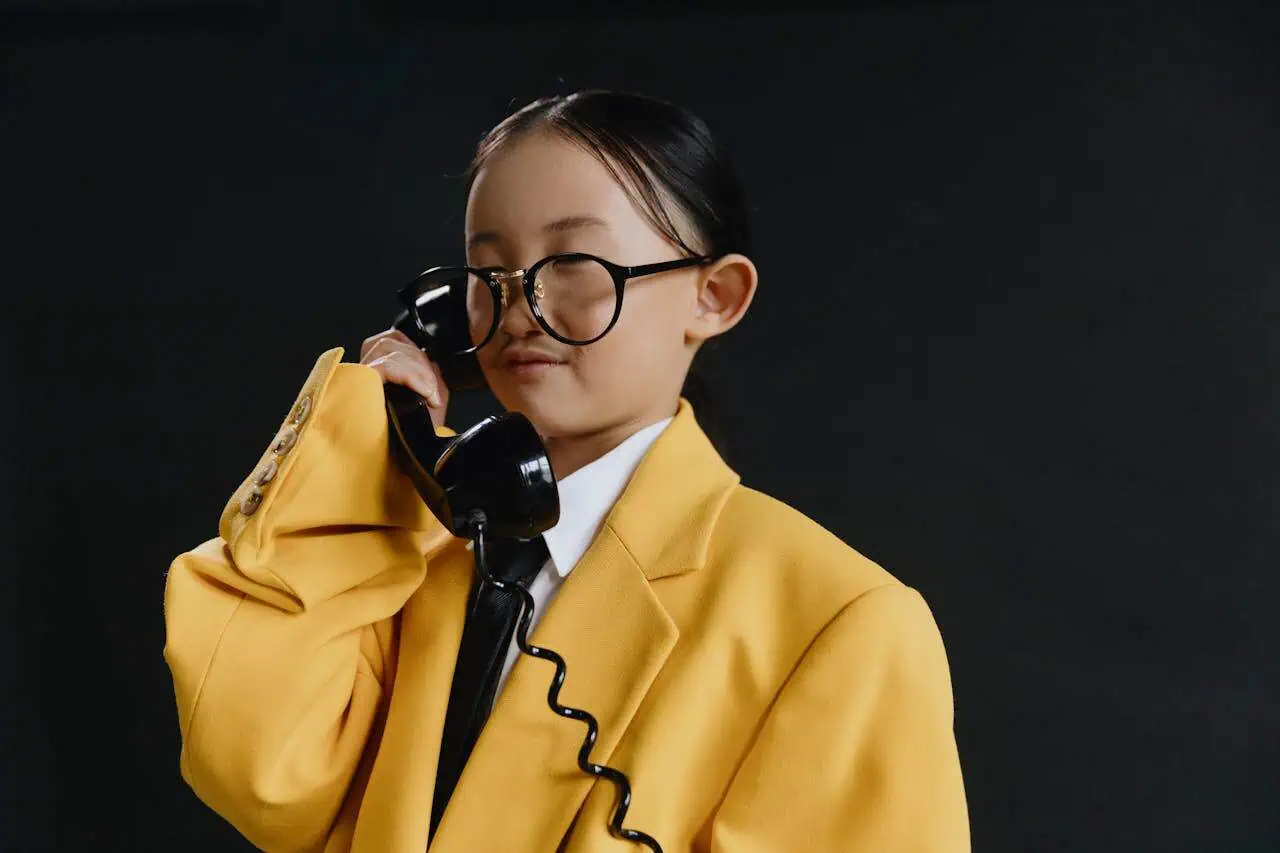
There’s a fine line between relaxed and shapeless. Many women opt for oversized clothing thinking it hides problem areas, but it often has the opposite effect—adding bulk and making the silhouette look dated. Instead, go for pieces that skim the body with structure. Think softly tailored blazers, defined waistlines, and well-cut trousers. Comfort is key, but it shouldn’t come at the cost of style. Wearing clothes that fit well and show off your shape, even subtly, adds elegance and polish.
4. Avoiding Modern Denim Cuts
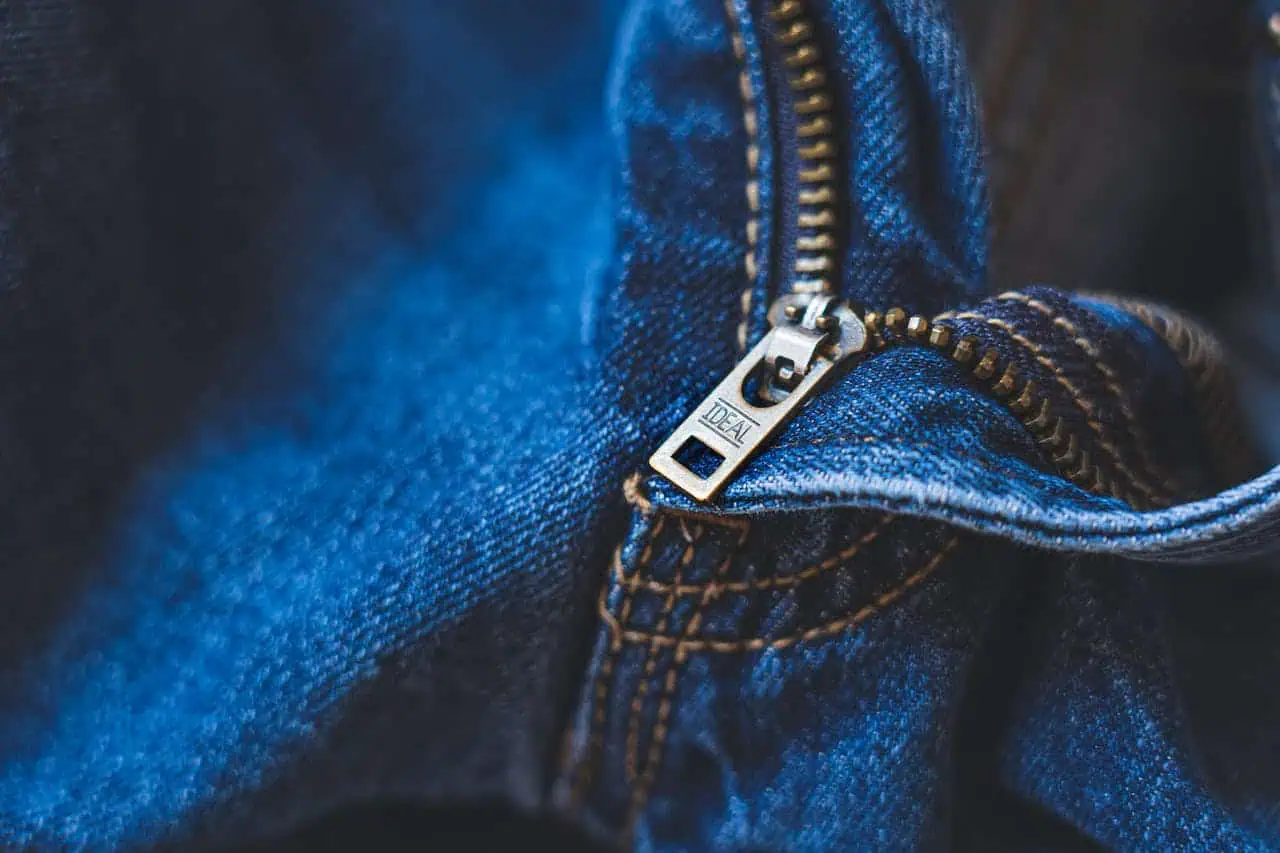
Still holding onto bootcut or overly baggy jeans from the early 2000s? Outdated denim can instantly age an outfit. Many women fear trying new denim cuts, thinking they’re too trendy or won’t flatter them. But modern, high-rise straight-leg or slim-cut jeans with a bit of stretch can be incredibly flattering on mature bodies. Pair them with sleek loafers or a crisp blouse, and suddenly your entire outfit feels elevated. Ditch the faded, ill-fitting pairs and invest in jeans that fit and flatter your current shape and style.
5. Sticking to Old-School Matching Sets
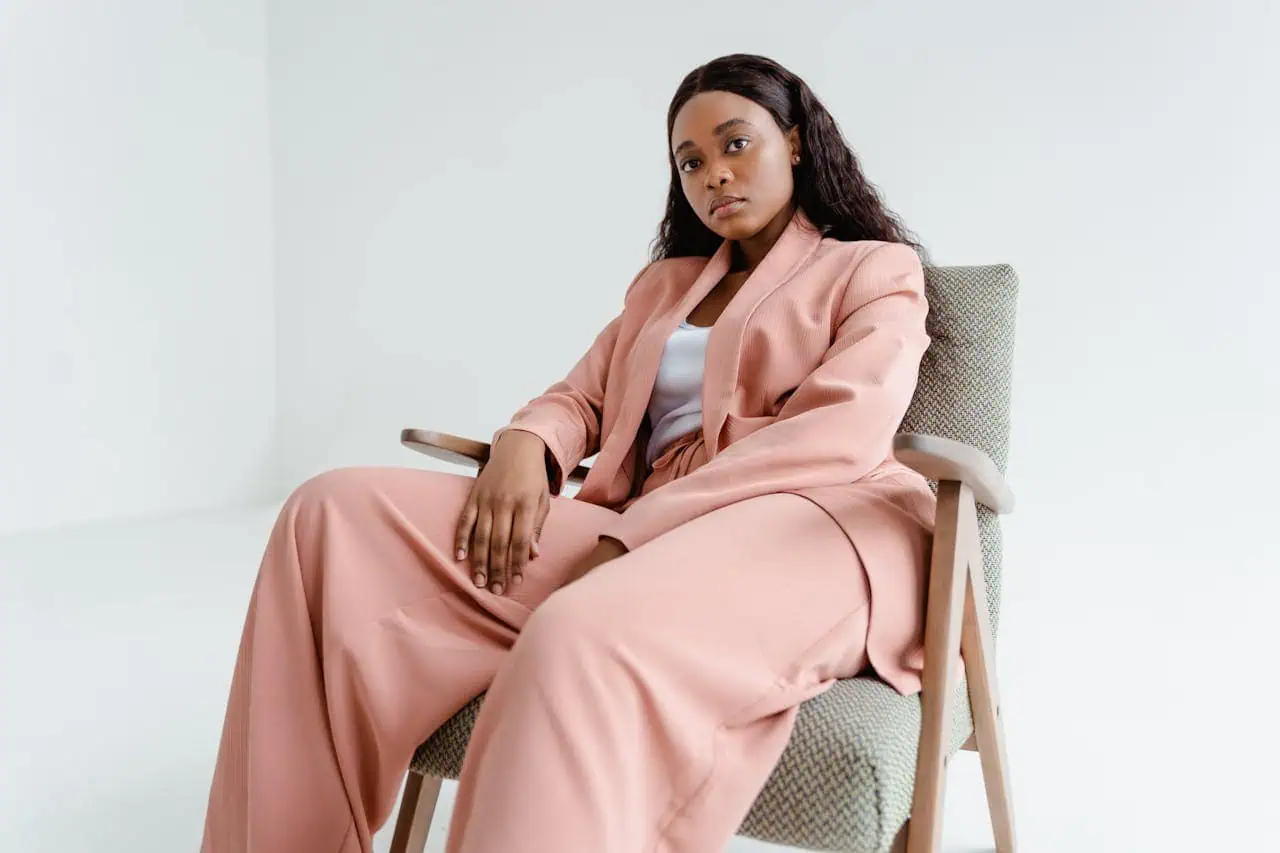
In the past, wearing a fully matching set was considered stylish and proper. But today’s fashion celebrates mixing textures, prints, and tones. Wearing matchy-matchy suits or coordinated tops and bottoms can read more matronly than modern. Instead, try pairing a structured blazer with relaxed jeans or a silk blouse with tailored trousers in a different tone. Mixing pieces adds interest and depth to an outfit and allows you to build a more versatile wardrobe without looking stuck in the past.
6. Overusing Accessories from Decades Ago

Vintage pieces can be charming, but relying heavily on accessories from a specific decade (think chunky ’80s belts or oversized brooches) can date your entire outfit. Instead of ditching them all, use them sparingly or update them with modern pairings. Mix a vintage brooch on a new tailored blazer or wear your old pearls with a minimalist shift dress. It’s about balance—let your accessories be accents, not time capsules. This way, your look feels classic with a twist, not costume-like.
7. Wearing Outdated Shoe Styles
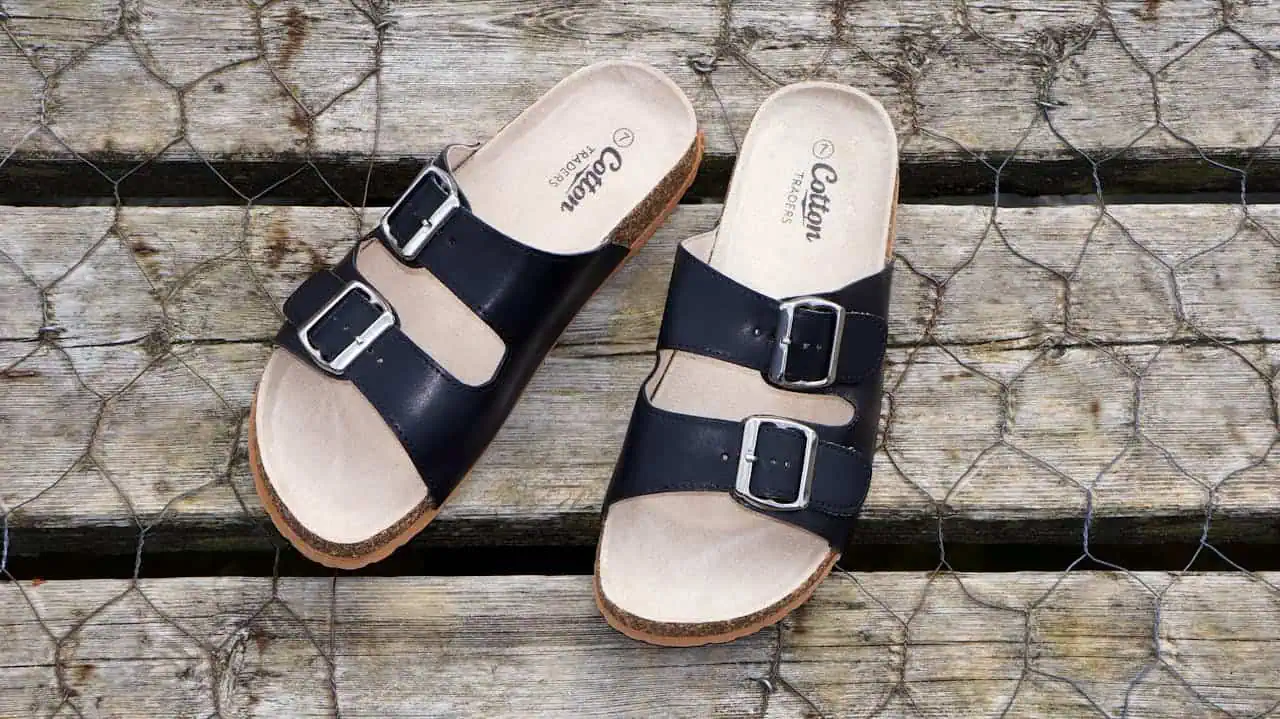
Shoes make or break an outfit. Clinging to clunky or overly orthopedic-looking styles—often in the name of comfort—can undermine your entire look. The good news? Many brands now design footwear that marries both comfort and modern style. Look for sleek loafers, block-heel boots, or low-profile sneakers with arch support. Dated shoes signal resistance to change. Updating your footwear instantly refreshes your entire outfit and can even improve posture and confidence. Your shoes don’t have to scream “trendy,” but they should feel current.
8. Ignoring Personal Style for “Age-Appropriate” Dressing
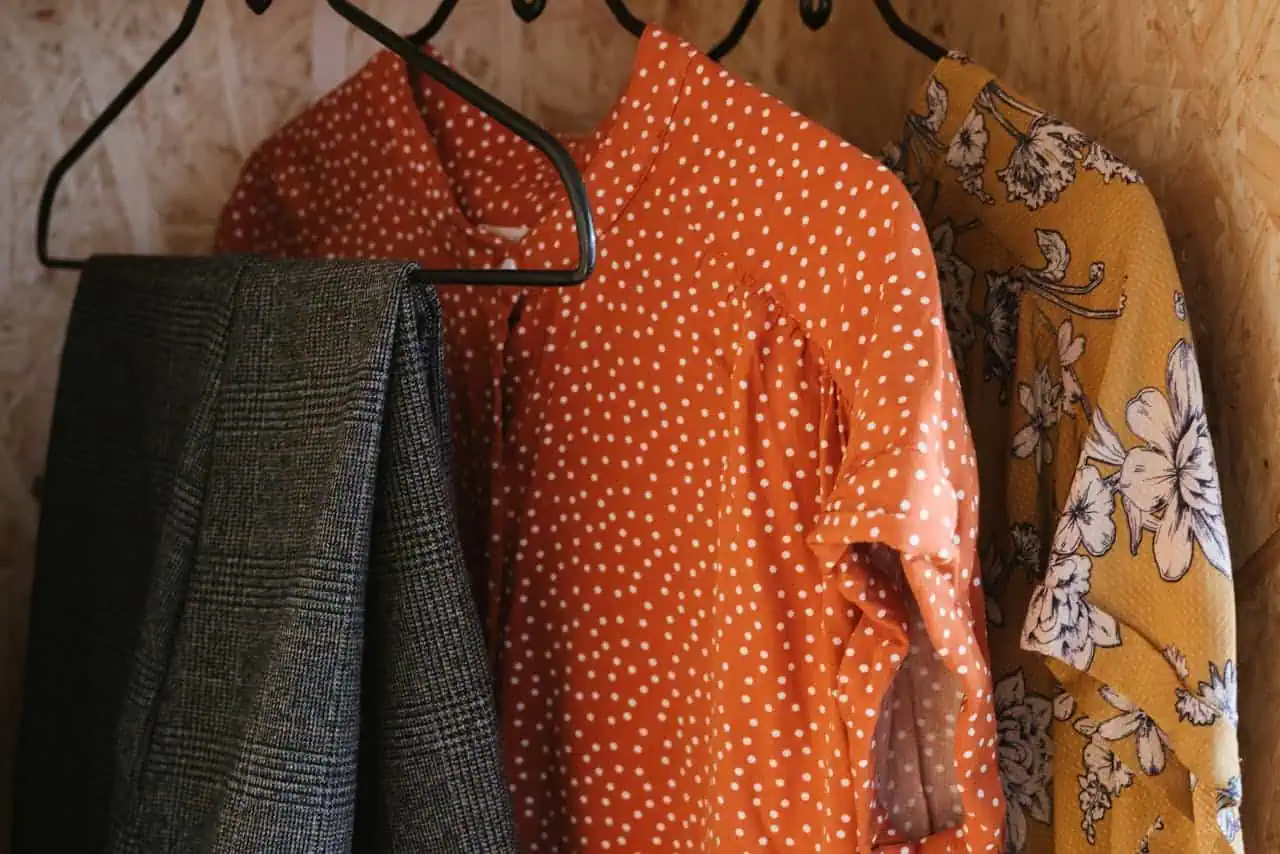
Dressing appropriately doesn’t mean erasing your identity. Many women lose their sense of personal style by adhering too strictly to what they think someone their age should wear. This leads to dull, uninspired wardrobes that don’t reflect personality. Whether you love bold prints, bright colors, or sleek minimalism, lean into it. Modern style is about self-expression at any age. Find your aesthetic and refine it—don’t let age-based expectations silence your style voice.
9. Keeping Too Many Occasion-Only Outfits
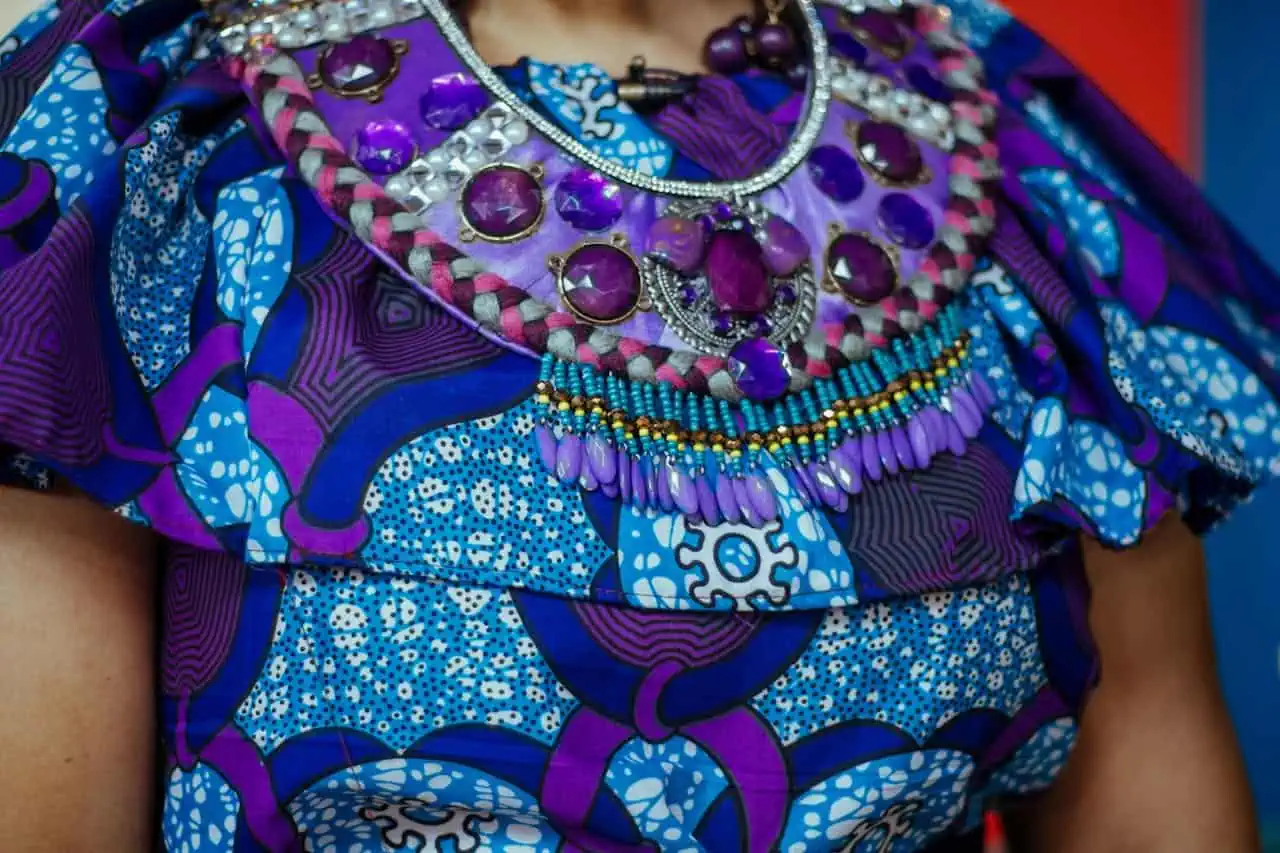
Saving that elegant dress or special blouse for “just in case” events? You’re not alone. But filling your wardrobe with too many occasion-specific pieces means you miss out on wearing clothes you love. Why not style that special piece for everyday? Dress down a silk blouse with jeans or wear a chic blazer over a casual tee. The more you incorporate statement items into your daily wardrobe, the more confident and stylish you’ll feel. Clothes are meant to be worn—not just admired in the closet.
10. Refusing to Try New Trends (Even Subtly)

It’s a myth that trends are only for the young. The key is to adapt trends in a way that complements your existing wardrobe and personality. Refusing to even explore them can keep you locked in a dated style bubble. Whether it’s trying a new color, adding a pleated skirt, or experimenting with monochrome outfits, small updates go a long way. Staying curious about fashion doesn’t mean abandoning your staples—it means staying open to change and freshness. Confidence and curiosity are ageless style traits.