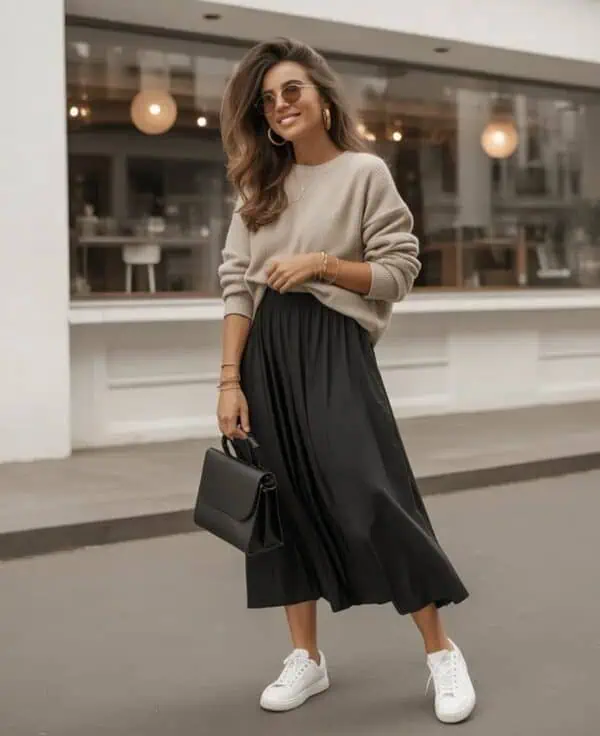
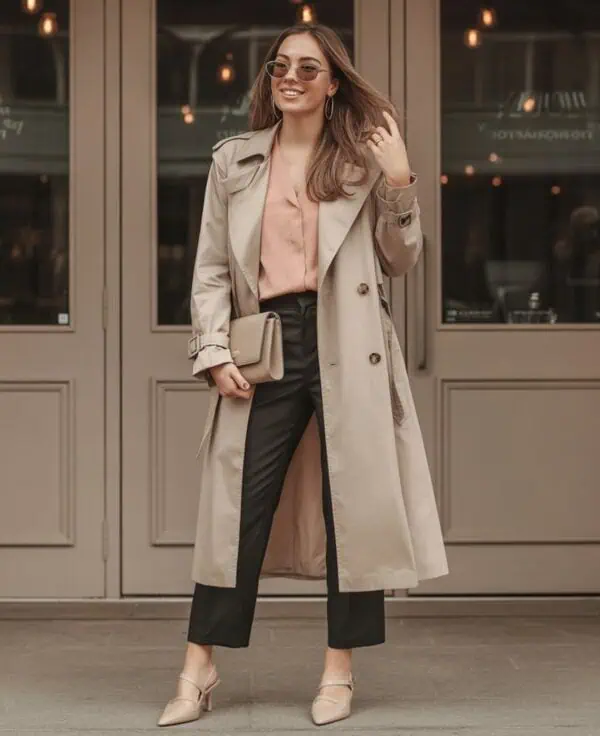
Many women notice that outfits which once worked effortlessly can start to feel slightly “off” in their 50s, even when their personal style hasn’t changed. This shift is rarely about age itself it’s usually about proportion, fabric behavior, and styling habits that no longer align with how the body and lifestyle evolve over time. Small imbalances in fit, length, or structure become more noticeable, making outfits appear unfinished or less flattering. The good news is that these issues are typically subtle and easily corrected once recognized. Understanding the hidden styling mistakes behind this feeling allows you to restore harmony, refinement, and confidence without abandoning the pieces or aesthetic you love.
Table of Contents
1. Holding Onto Old Proportions
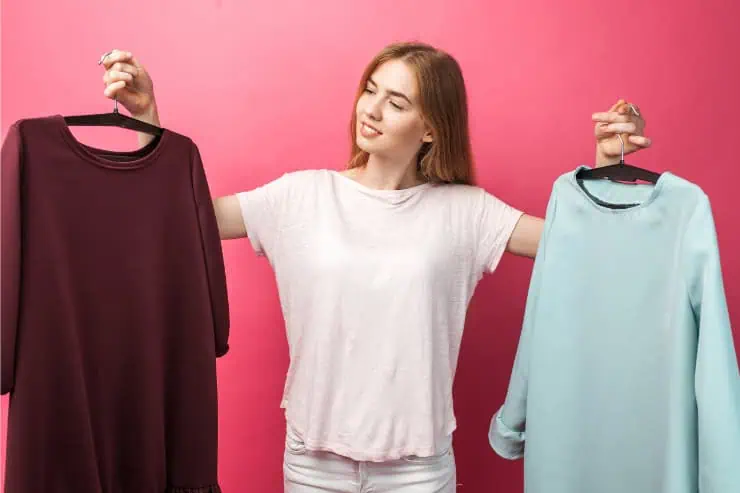
Body distribution often changes gradually with age, even without major weight shifts. Garment proportions that once aligned perfectly rise height, waist placement, jacket length, or sleeve fit may no longer sit at the same visual points. When clothing proportions no longer match body proportions, outfits can feel subtly misaligned rather than overtly ill-fitting. For example, a once-balanced mid-rise trouser may now shorten the leg line, or a longer top may cut across a wider hip area.
2. Choosing Fabric That Adds Bulk
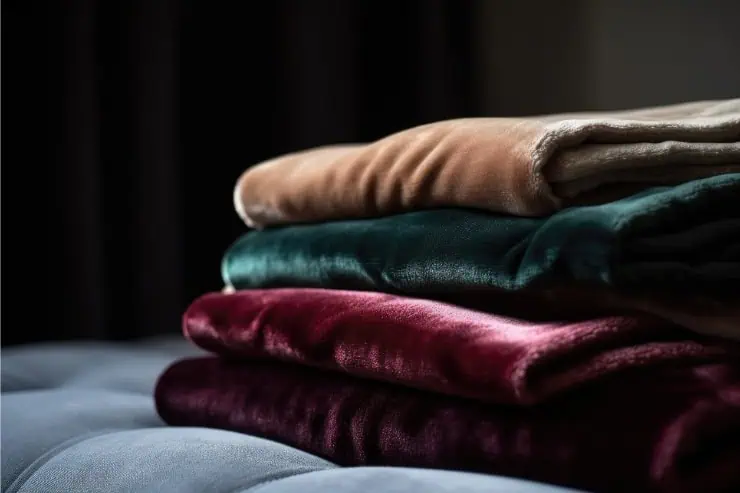
Fabric behavior becomes more important over time because softer tissue changes and contour shifts make heavy or stiff materials more visually dominant. Thick knits, rigid cottons, or bulky synthetics can sit away from the body, enlarging silhouette perception. Conversely, clingy thin fabrics may emphasize areas unintentionally. The flattering middle ground is fluid structure materials that skim gently and hold shape without stiffness. When fabric supports rather than competes with body contours, outfits appear smoother and more refined.
3. Wearing Everything the Same Length
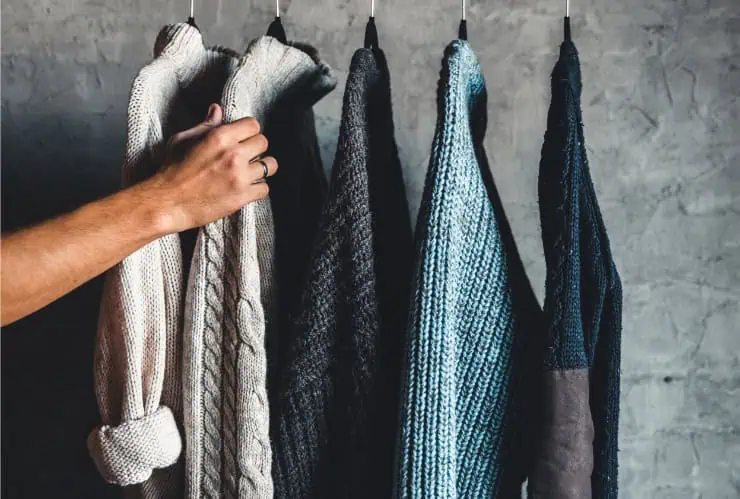
Uniform lengths across tops, layers, and outerwear create a flat horizontal line that widens the body visually. This effect often emerges unintentionally when multiple garments end at the same hip or upper-thigh point. The result is a boxy silhouette lacking vertical movement. Varying lengths such as a shorter jacket over a longer top, or a cropped layer with high-waisted bottoms reintroduces dimension and elongation. Staggered hems guide the eye up and down rather than across, slimming perception naturally. Length variation also restores structure lost when the waistline becomes less defined.
4. Over Relying on Loose Fits
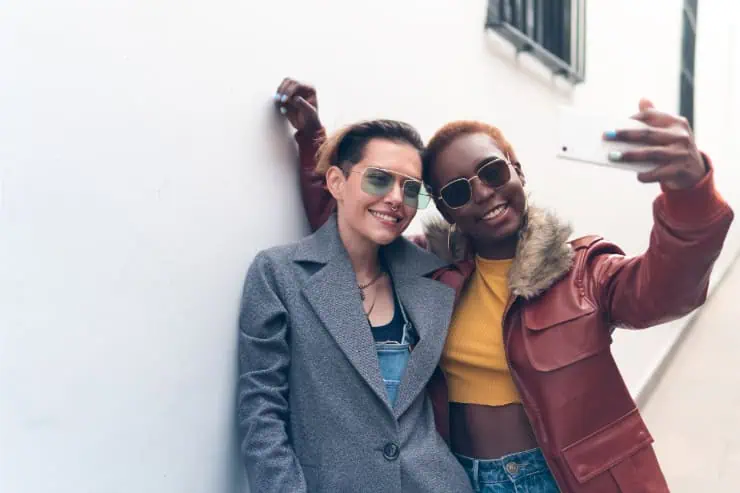
Comfort often leads to looser silhouettes, but wearing multiple relaxed pieces together can obscure shape and remove structure. When tops, bottoms, and layers are all loose, the body becomes visually undefined, making outfits appear larger and less intentional. Balance not tightness is key: pairing one relaxed piece with one more structured element maintains ease while preserving proportion. For example, a fluid blouse with tailored trousers or relaxed pants with a shaped jacket keeps the silhouette clear. The goal is suggestion of form rather than compression.
5. Ignoring Subtle Waist Placement
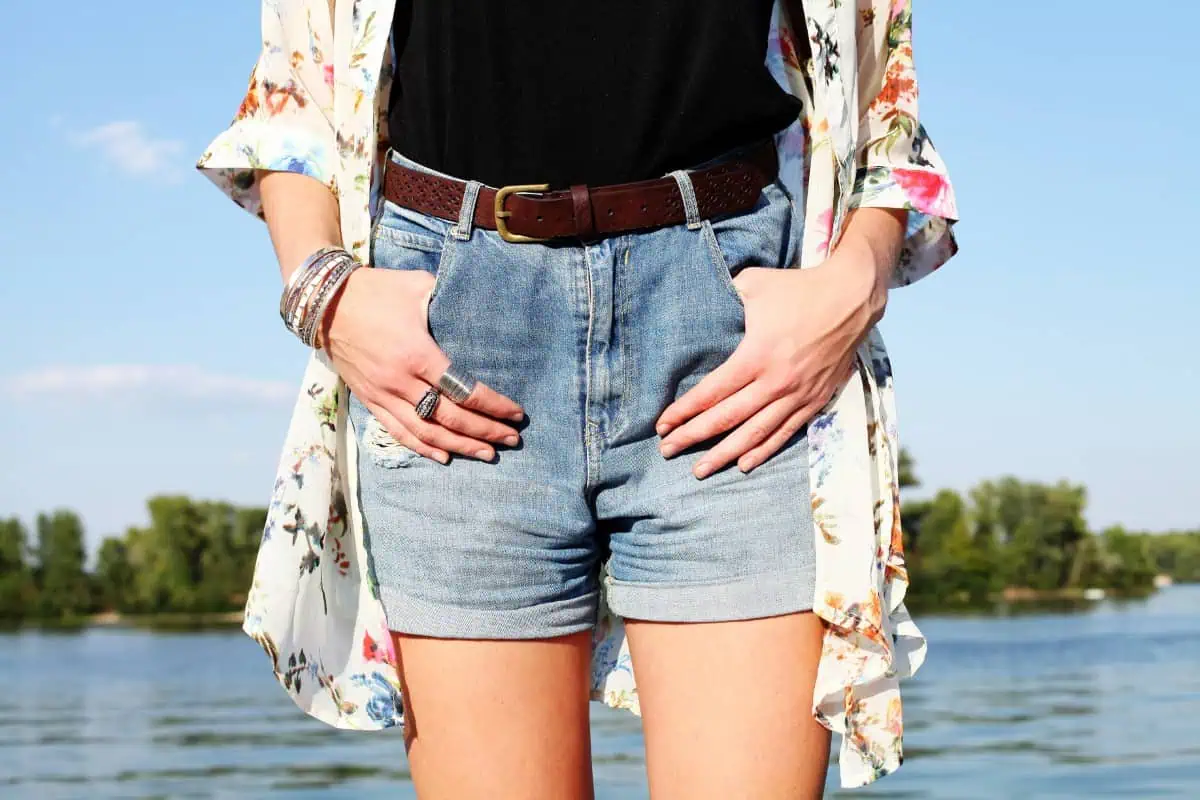
The natural waistline can appear less visually pronounced over time, causing garments without waist reference to look straight or heavy. Many outfits that feel “off” lack any indication of where the torso narrows. Gentle waist placement through seaming, tucking, belting, or wrap shapes restores proportion between upper and lower body. This doesn’t require tight cinching; even a slight inward line is enough to guide the eye. Without it, garments hang vertically from shoulders to hips, widening perception. Reestablishing waist placement reconnects silhouette structure and often immediately improves outfit harmony.