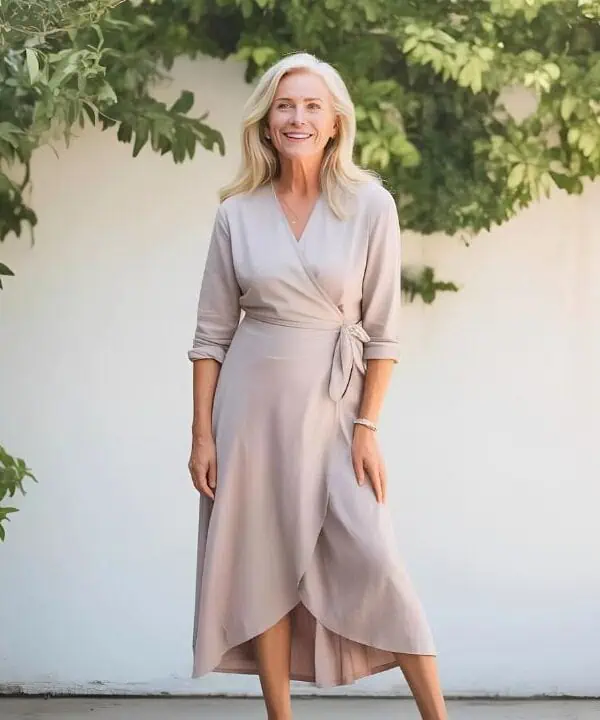
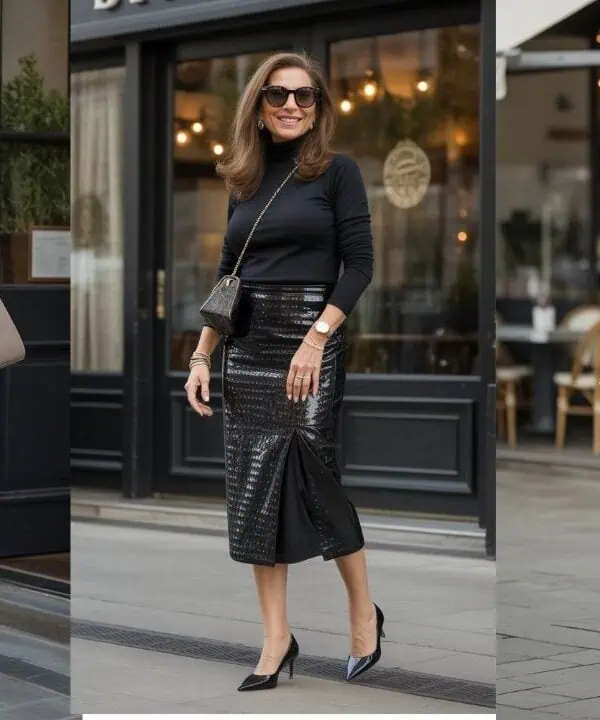
When younger women look at an outfit, they aren’t judging age in the way people fear. They’re reading visual cues. These cues signal whether someone feels current, confident, and self aware or stuck in habits that no longer serve them. Younger generations are highly attuned to styling details, not because they’re trend-obsessed, but because they grew up seeing constant evolution online. To them, style is flexible and expressive, not fixed. What stands out most isn’t wrinkles, weight, or years lived, but choices that suggest when someone last updated how they dress. These are the ten things younger women consistently notice first, often subconsciously.
Table of Contents
1) How Updated the Silhouette Feels

The first thing younger women register is silhouette, not body. They notice whether the outline of the outfit reflects modern proportions or older styling rules. Ultra-tight tops with skinny bottoms, long tops over straight pants, or overly fitted layers signal a frozen moment in fashion history. Younger women are used to seeing balance volume paired with structure, relaxed pieces offset by clean lines. When an outfit’s silhouette doesn’t reflect that balance, it reads as dated regardless of how flattering it’s meant to be. This isn’t about chasing trends; it’s about proportion awareness. Silhouette tells them immediately whether someone’s style has evolved.
2) The Shoes Before Anything Else

Shoes are often the loudest signal in an outfit. Younger women notice footwear instantly because shoes anchor the entire look. Outdated shapes, overly practical designs, or visibly worn pairs suggest that comfort has replaced intention. Younger generations value comfort too, but they expect it to be integrated with style. Shoes that feel disconnected from the rest of the outfit stand out immediately. Footwear tells them whether someone thinks about modern styling as a whole or dresses piece by piece. Even simple outfits feel current with updated shoes, while dated footwear can age an otherwise modern look instantly.
3) Whether the Outfit Looks Rigid or Relaxed

Younger women are highly sensitive to stiffness. Overly pressed clothes, perfect tucks, tight belts, and controlled styling often read as formal and outdated. Modern style leans toward ease not sloppiness, but softness. When an outfit looks like it’s following strict rules, it signals hierarchy rather than confidence. Younger generations associate youthfulness with movement and comfort. If clothing looks restrictive or uncomfortable, they notice immediately. Relaxed styling communicates confidence and relevance, while rigidity suggests fear of breaking rules.
4) The Use of Accessories
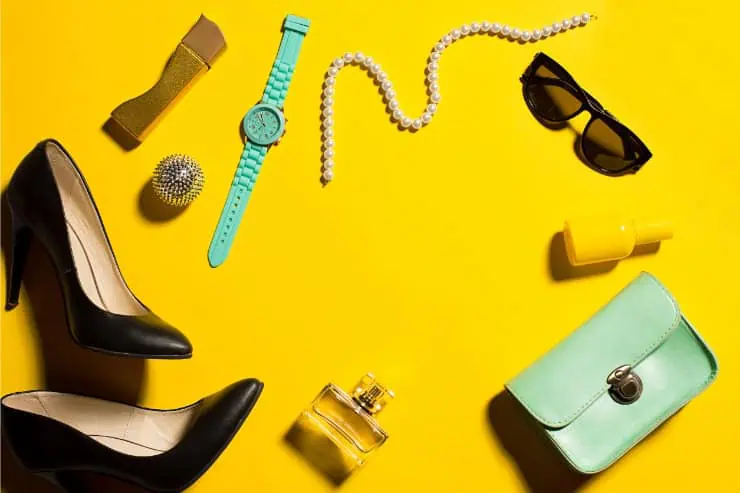
Accessories are another immediate tell. Younger women notice when too many statement pieces are worn at once or when accessories feel overly coordinated. Matching sets, heavy necklaces, and overly decorative details often feel dated. Modern styling favors editing. One intentional accessory paired with restraint feels current. When accessories compete for attention, they overwhelm the outfit. Younger women read minimal, thoughtful accessorizing as confidence. Excess reads as insecurity or outdated fashion logic.
5) The Condition of the Clothes
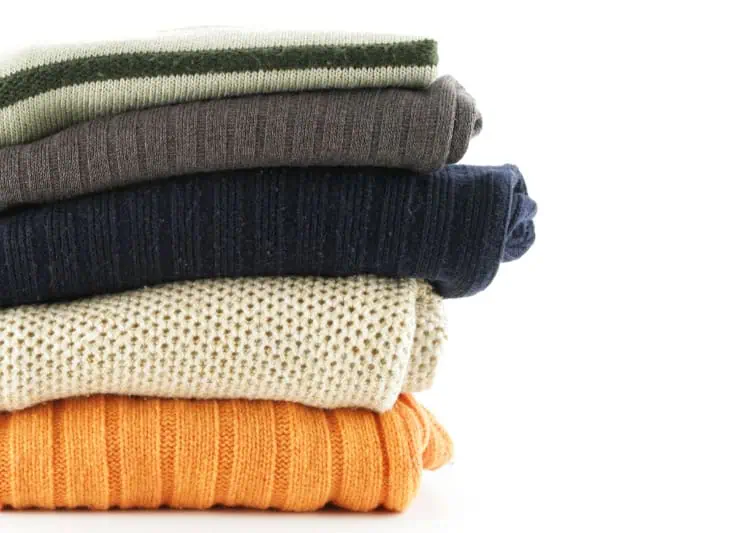
Younger women notice wear and tear quickly. Stretched collars, faded fabrics, sagging knits, and worn shoes signal neglect rather than comfort. Younger generations cycle through basics frequently and are quick to replace items that lose structure. When older women hold onto worn pieces out of habit or practicality, it shows. Condition communicates care. Even simple clothing looks elevated when it’s well-maintained. This detail often registers before brand or price ever does.
6) Whether the Outfit Reflects Current Life or a Past One

Younger women notice when outfits feel disconnected from the wearer’s actual lifestyle. Clothes that look like they belong to a former job, former body, or former version of self stand out. Dressing for who you used to be creates visual tension. Younger generations are used to rapid identity shifts and adapt their style accordingly. When clothing feels frozen in a past role, it reads as outdated. Authenticity feels modern. Nostalgia feels heavy.
7) Color Choices and How They’re Used
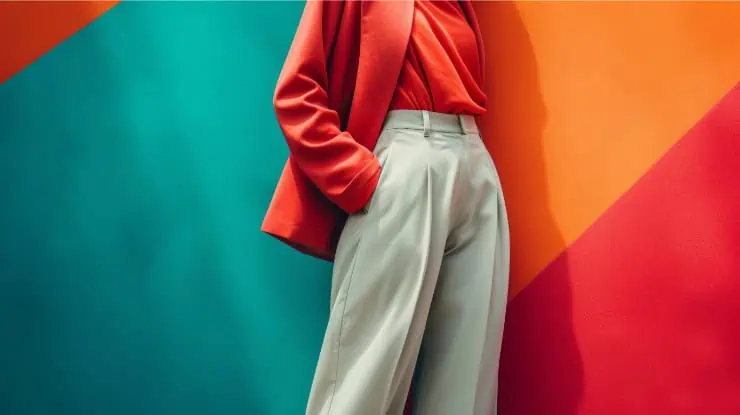
It’s not about bright versus neutral it’s about intention. Younger women notice when color palettes feel overly safe or unchanged for decades. High-contrast combinations and rigid “rules” around flattering colors feel old-fashioned. Modern color use is often tonal, soft, or subtly unexpected. Younger generations value curiosity over correctness. When outfits rely on the same predictable color formulas, they feel static. Updating color relationships, even slightly, signals awareness.
8) Hair and Outfit Coordination
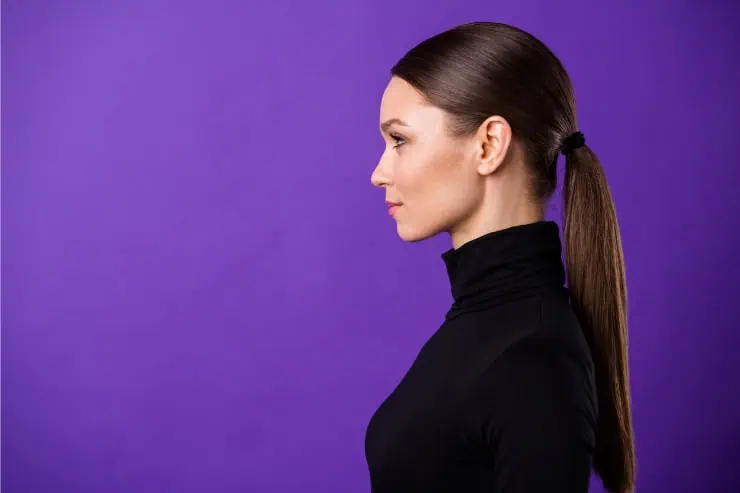
Younger women notice whether hair and clothing feel aligned. Outfits styled thoughtfully paired with dated hair immediately create imbalance. The reverse is also true. Hair doesn’t need to be trendy, but it does need to feel intentional and current. When hair and clothing belong to different eras, it stands out. Younger generations see style holistically. They don’t separate clothing from grooming. Harmony matters.
9) Whether Comfort Looks Intentional or Defensive

Comfort is not the issue defensiveness is. Younger women can tell when comfort is chosen confidently versus used as a shield. Outfits designed to disappear, hide, or avoid attention communicate withdrawal. Modern comfort looks styled, balanced, and present. Defensive comfort looks oversized, shapeless, or neglected. Younger generations value self-assurance over perfection. Clothes that signal “don’t look at me” are noticed immediately.
10) Confidence Versus Compliance
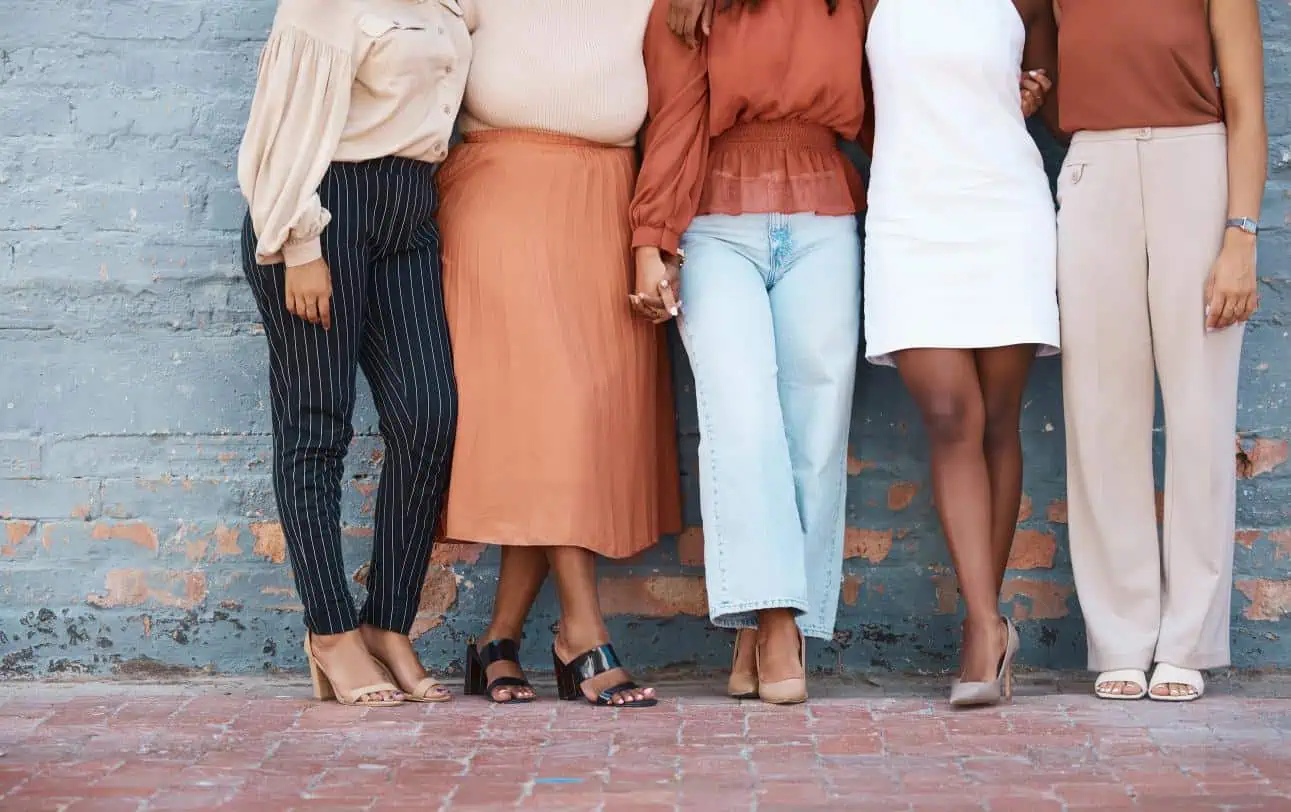
The most important thing younger women notice is attitude expressed through clothing. Outfits that look like they’re following outdated rules feel compliant. Outfits that look lived-in, personal, and intentional feel confident. Younger generations value self-expression over approval. When clothing looks chosen rather than assigned, it reads as modern. Confidence doesn’t come from trends it comes from alignment. Younger women notice when someone is dressing from that place.