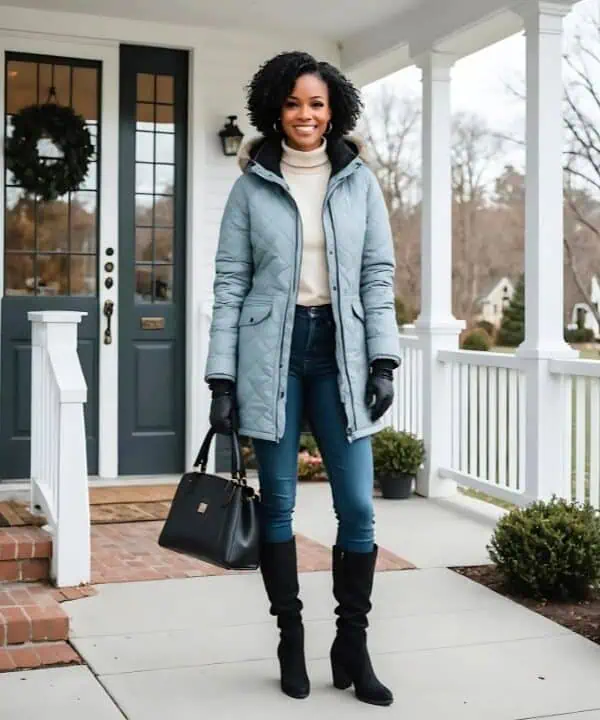
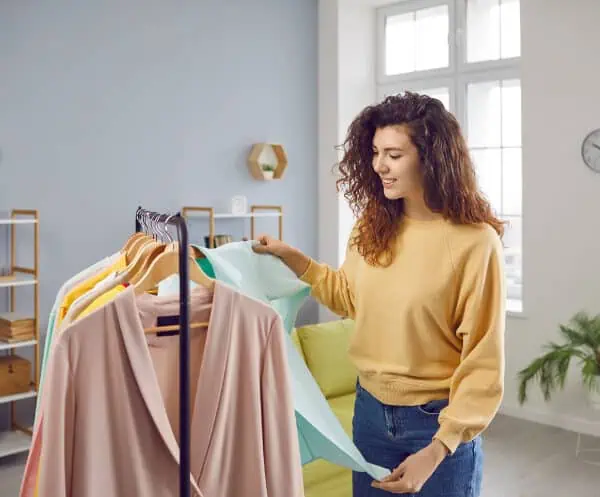
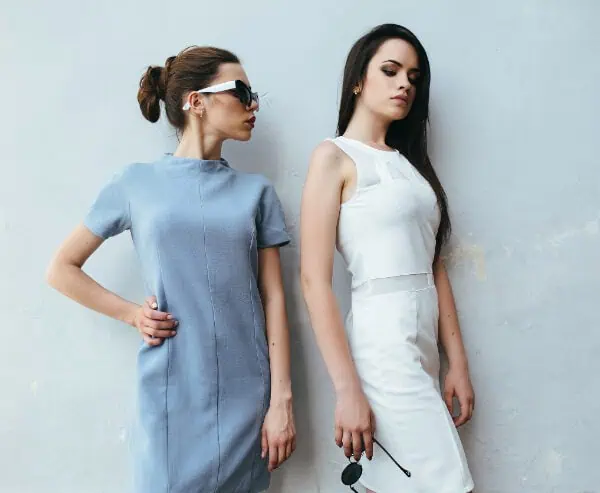
Comfort has become the dominant goal in modern wardrobes, and for good reason. Clothes should support real life, movement, and changing bodies. The problem isn’t comfort itself it’s when comfort replaces intention entirely. When outfits are chosen solely to avoid effort, they often lose shape, personality, and relevance. Younger generations prioritize comfort too, but they balance it with proportion, texture, and awareness. They don’t confuse ease with invisibility. Dressing for comfort only can slowly erode style, not because the clothes are casual, but because they stop communicating anything at all.
Table of Contents
1) Choosing Softness Over Structure Every Time
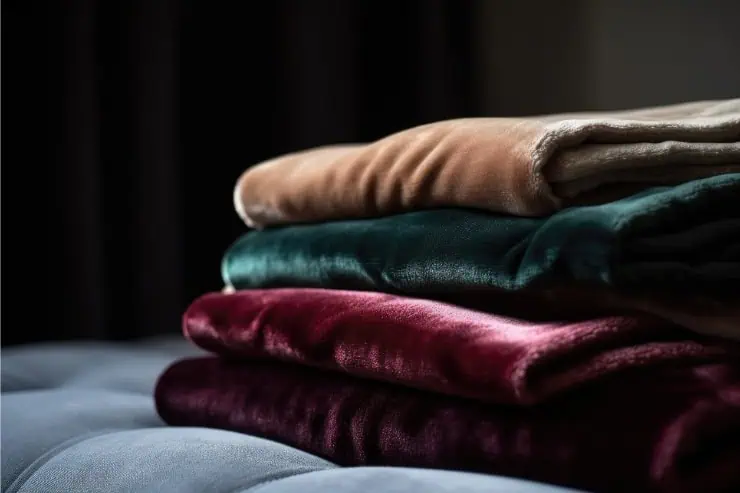
Soft fabrics feel good on the body, but when every piece lacks structure, outfits collapse visually. Knit tops, stretch pants, and drapey layers worn together remove all definition. Without at least one structured element, the body loses shape and the outfit loses intention. Younger stylists often pair comfort pieces with something that anchors the look a structured jacket, a defined waistband, or architectural footwear. Structure doesn’t mean stiffness; it means clarity. When comfort overrides balance, outfits begin to look unfinished rather than relaxed.
2) Wearing the Same Silhouette Daily
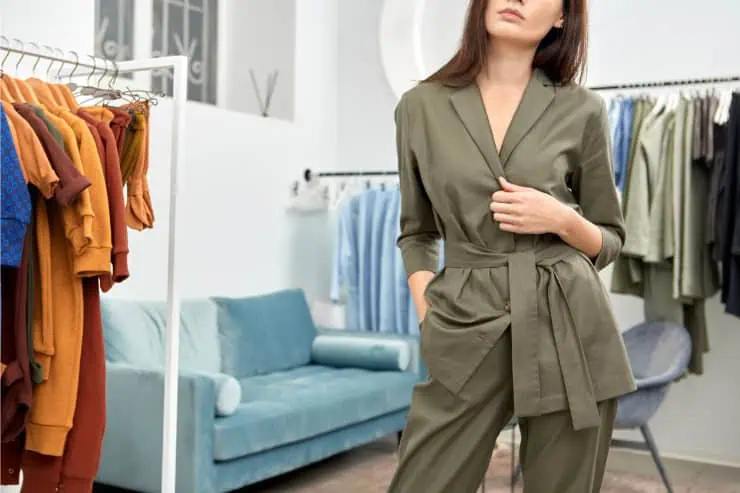
Comfort-driven dressing often leads to silhouette repetition. The same leggings-and-long-top formula. The same loose dress shape. The same oversized layers. While these outfits feel easy, repetition signals stagnation. Style feels modern when proportions shift and evolve. Younger generations rotate silhouettes while keeping comfort intact. They understand that variety creates visual energy. Wearing the same outline every day makes even nice clothes look tired. Comfort doesn’t require monotony, but habit often creates it.
3) Ignoring Fit Because It “Feels Fine”

Loose or stretchy clothing can mask poor fit, but comfort doesn’t equal correctness. When garments are too big, too long, or collapsing in the wrong places, they visually drag the body down. Many people tolerate ill fit because nothing feels restrictive. Younger stylists emphasize fit even in relaxed clothing shoulders still align, hems still land intentionally, waistlines still make sense. When fit is ignored, comfort turns into shapelessness. Proper fit enhances comfort rather than limiting it.
4) Defaulting to Elastic Waistbands Without Balance
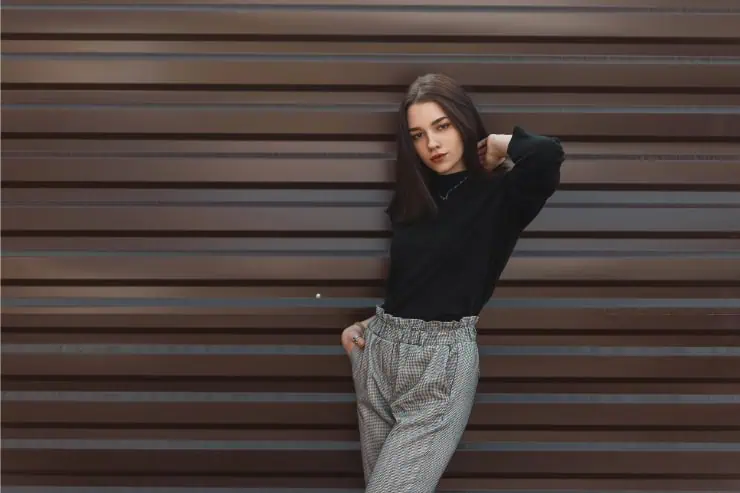
Elastic waistbands are convenient, but relying on them exclusively creates visual sameness. When paired with loose tops, they erase the waist entirely. Younger styling often balances elastic bottoms with cropped, structured, or tucked elements to restore proportion. The issue isn’t the waistband it’s the lack of counterbalance. Without contrast, elastic-heavy outfits can look sleepwear-adjacent. Comfort pieces still need framing to feel styled.
5) Choosing Shoes Only Based on Cushioning
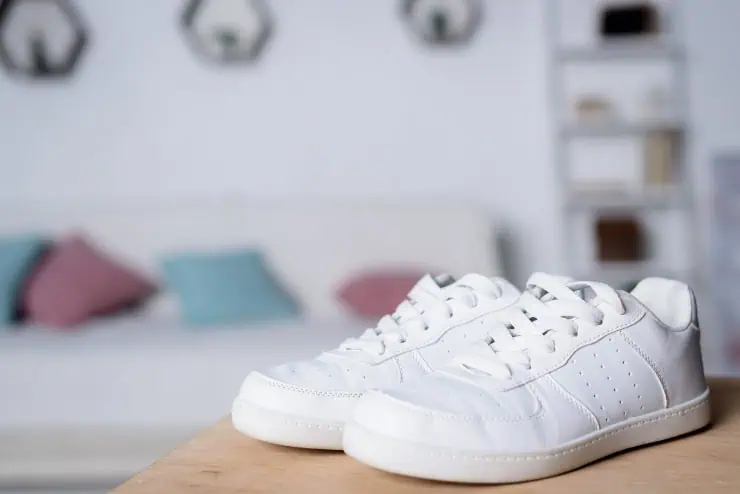
Comfort-first shoe choices often prioritize padding over proportion. Bulky soles, overly rounded toes, and worn-out sneakers can throw off an entire outfit. Shoes anchor the look. Younger dressers seek comfort too, but they also consider silhouette, scale, and context. A comfortable shoe can still look intentional. When footwear is chosen only for softness, outfits lose sharpness and presence. Comfort doesn’t require visual compromise it requires smarter selection.
6) Avoiding Tailoring Entirely
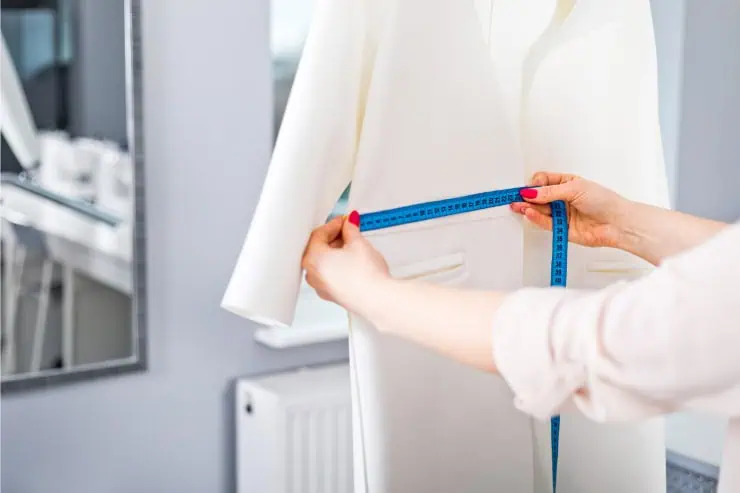
Tailoring is often rejected because it feels fussy or uncomfortable. But small alterations can dramatically improve how clothes feel and look. Hemming pants, adjusting sleeves, or refining the waist can actually increase comfort by eliminating friction and excess fabric. When tailoring is avoided altogether, clothes rarely sit correctly. Younger generations tailor selectively, not obsessively. They understand that clothes should support movement without fighting the body. Ignoring tailoring leads to chronic discomfort disguised as ease.
7) Over Layering to Feel “Covered”

Layering for comfort often becomes layering for hiding. Multiple soft layers piled on for security can quickly add bulk and visual weight. When layers serve emotional comfort rather than styling purpose, outfits become heavy. Younger stylists layer strategically each piece adds line, texture, or function. Coverage doesn’t require excess. Intentional layering feels light. Defensive layering feels dated.
8) Wearing Muted Neutrals Only Because They’re Easy
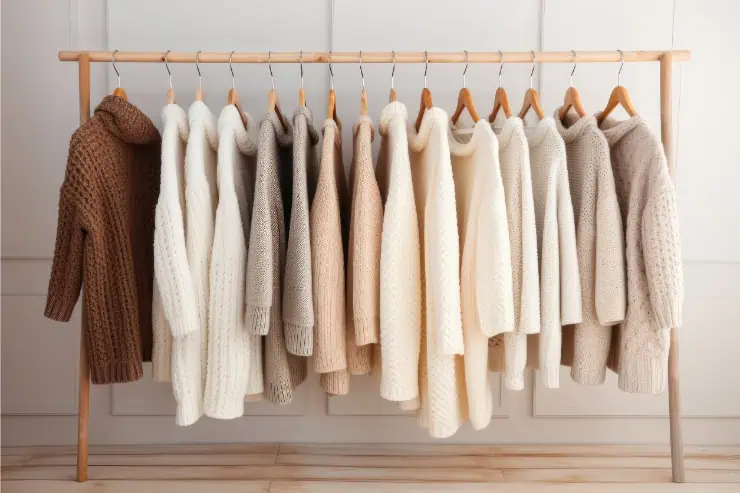
Comfort dressing often defaults to safe neutrals: black, gray, beige, navy. While these colors are versatile, wearing them exclusively can drain energy from an outfit. Younger dressers use neutrals too, but they play with tone, texture, and contrast. Comfort doesn’t mean colorless. When outfits lack visual interest, they fade into the background. Energy comes from variation, not effort.
9) Letting Fabrics Stretch Out and Stay That Way
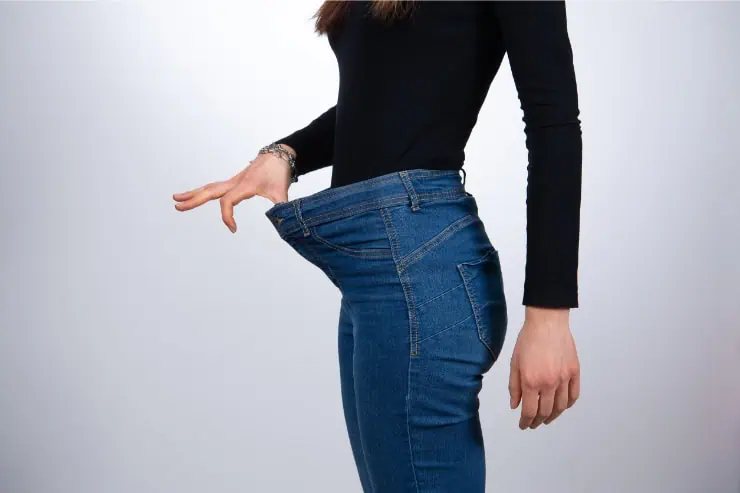
Comfort fabrics stretch over time, but keeping worn-out pieces lowers the quality of your wardrobe. Bagged knees, sagging collars, and warped seams signal neglect rather than ease. Younger stylists retire comfort pieces once they lose integrity. Comfort should feel supportive, not sloppy. When stretched-out clothing stays in rotation, it drags the entire look down. Refreshing comfort staples restores both ease and polish.
10) Dressing to Avoid Attention Entirely

Some comfort dressing is rooted in invisibility. Clothes are chosen to disappear rather than express. While there’s nothing wrong with subtlety, consistently dressing to avoid being seen can drain confidence and presence. Younger generations value comfort that still communicates identity. Style doesn’t require boldness it requires intention. When comfort becomes camouflage, outfits lose vitality.
11) Confusing Ease With Lack of Effort

The final mistake is assuming comfort means no effort at all. Younger stylists stress that effortless style still requires thought. Ease is the result of good choices, not the absence of them. When outfits are thrown on without consideration, comfort becomes carelessness. The most comfortable looks feel settled, balanced, and intentional. Comfort and style are not opposites but when comfort is the only goal, style quietly disappears.