For many women over 60, certain fashion rules have been ingrained since their youth, passed down through generations or picked up from past trends and etiquette. While they once served as style guidance, some of these rules now do more harm than good. As fashion evolves to become more expressive, comfortable, and inclusive, clinging to these old habits can unintentionally add years to your appearance. From avoiding bold colors to sticking with matchy-matchy looks, these “safe” choices may be limiting rather than flattering. Here are 10 subtle fashion rules women over 60 still follow that could be aging their style.
Table of Contents
1. Sticking to Neutrals to Play It Safe

Many women over 60 default to a wardrobe filled with beige, black, navy, and grey, believing these colors are timeless and sophisticated. While neutrals can be elegant, wearing them exclusively can wash out the complexion and make outfits look flat or uninspired. Modern style favors pops of color, rich jewel tones, or warm earthy shades that enhance natural features. Even a bright scarf or bold lipstick can freshen your entire look. Breaking this neutral habit adds vitality and personality, proving that color isn’t just for the young, it’s for the confident.
2. Always Matching Shoes and Handbags
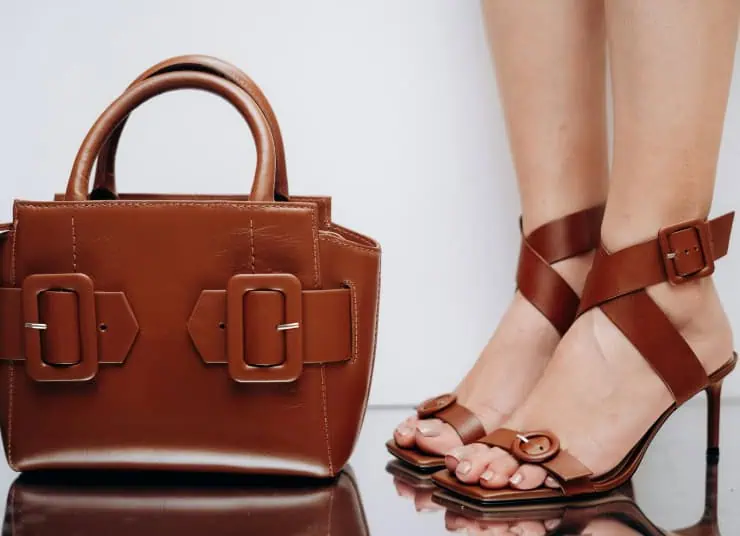
The old rule that your shoes and handbag must always match is still followed by many women over 60, but it can make your outfit feel overly coordinated and dated. Today’s style is all about mixing textures, tones, and materials to create visual interest. A sleek black bag with tan loafers or a colorful clutch with white sneakers looks fresh and modern. Deliberate mismatching shows confidence and creativity. Letting go of this old-fashioned pairing rule can instantly make your style feel more relaxed and current without sacrificing polish.
3. Avoiding Denim Except for Casual Days

Some women over 60 still treat denim as weekend-only wear, opting for slacks or trousers for everyday outfits. But modern denim, especially in flattering dark washes, stretch fabrics, or structured cuts, is a wardrobe powerhouse that works far beyond casual settings. From tailored denim jackets to wide-leg jeans paired with silk blouses, denim adds ease and a contemporary edge. Holding on to the idea that jeans are too casual or youthful can unnecessarily limit your wardrobe and keep you from experimenting with effortlessly chic combinations.
4. Wearing Only Classic Jewelry
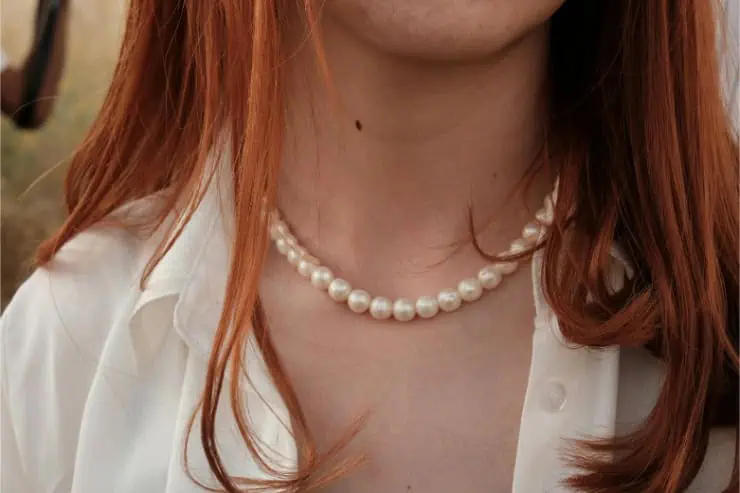
Classic jewelry like pearls or gold chains is elegant, but wearing only these pieces can make your style feel repetitive or overly conservative. Many women over 60 avoid statement pieces out of fear they’re “too much,” but bold earrings, sculptural rings, or layered necklaces can add personality and vibrancy. Today’s jewelry trends embrace individuality over uniformity. Mixing modern and vintage pieces or playing with size and texture makes your accessories part of your outfit, not just an afterthought. Ditching the minimalist-only mindset can modernize your entire look.
5. Believing Skirts Should Always Be Knee-Length
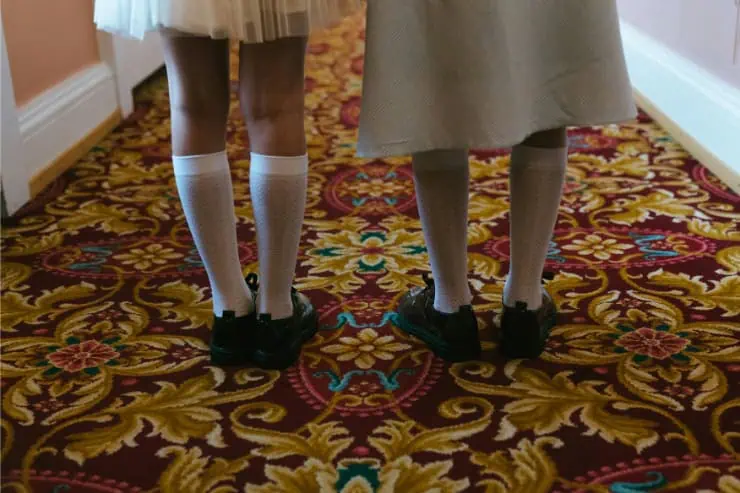
Knee-length skirts were once considered the “appropriate” choice, especially for mature women. But strictly following this length rule can feel restrictive and unintentionally frumpy. Midi skirts, high-low hems, and even short styles when styled well, can be incredibly flattering and fashion-forward. It’s more about proportion and fit than a specific hemline. Clinging to the knee-length-only rule may prevent you from discovering more flattering silhouettes that add elegance and ease.
6. Thinking Comfort and Style Can’t Coexist
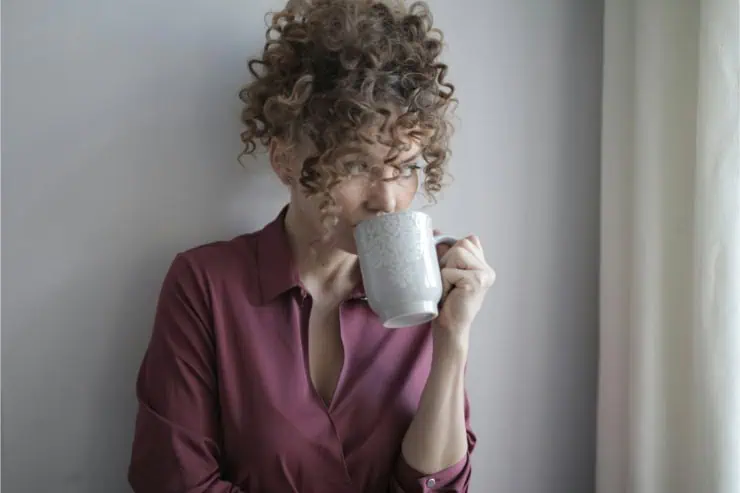
Many older women prioritize comfort so heavily that they compromise entirely on style, wearing oversized, shapeless clothing that hides rather than flatters. The belief that comfort means sacrificing design is outdated, today’s brands are proving otherwise. Stretch fabrics, flowy layers, and stylish sneakers blend fashion with ease. Clothing that fits well and moves with you enhances your confidence rather than aging your look. Choosing pieces that feel as good as they look bridges the gap between comfort and chic, without reverting to boxy silhouettes or orthopedic vibes.
7. Assuming Sleeveless Styles Aren’t for Them

The idea that women must cover their arms past a certain age is deeply ingrained, leading many over 60 to avoid sleeveless tops or dresses entirely. While modesty is a personal choice, hiding arms out of fear or judgment can be unnecessarily limiting. Sleeveless pieces come in elegant cuts that flatter various shapes and highlight accessories like bangles or scarves. Wearing them with pride signals self-acceptance and confidence. If you prefer coverage, try light layers like kimonos or sheer jackets, but don’t ban sleeveless altogether based on outdated beliefs.
8. Relying on Matching Sets or Twinsets
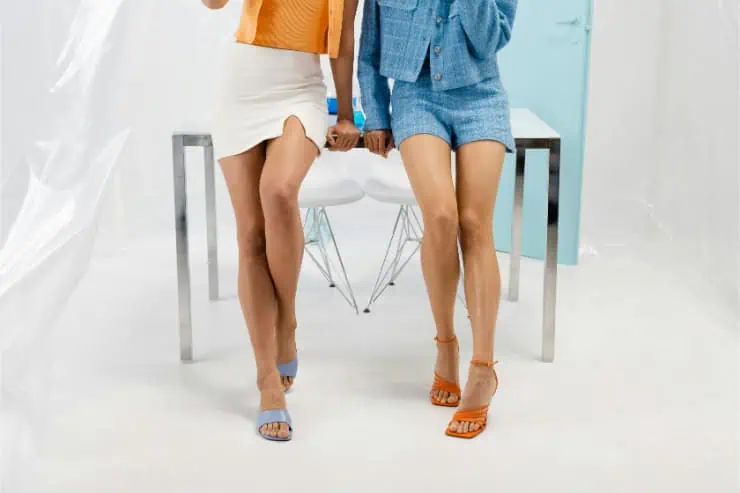
Matching sets, especially traditional twinsets, were once a fashion staple, offering easy coordination. However, wearing too many of these outfits today can come across as overly conservative or dated. Modern style encourages breaking up matching pieces and mixing textures or colors for a more dynamic look. Pairing a twinset cardigan with wide-leg trousers or layering it over a bold print adds personality. Updating how you style these classics, rather than retiring them, helps refresh your look while still honoring your comfort zone.
9. Feeling Restricted to “Age-Appropriate” Hairstyles

Sticking to the same haircut for decades, often short, permed, or overly styled, can age your overall appearance more than you realize. Some women over 60 still believe certain styles are “off-limits” after a certain age. But today, soft layers, natural waves, gray blending, or even long styles can look incredibly fresh. Modern hairstyles focus more on face shape, texture, and ease than age brackets. Letting go of the age-specific hair mentality allows you to embrace a look that’s both flattering and expressive of your current self.
10. Believing Flats Are the Only Option
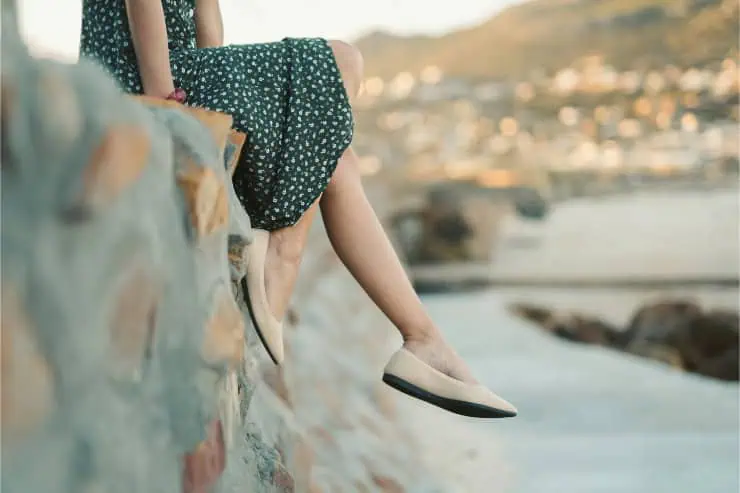
While comfort is crucial, many women over 60 avoid all heels, assuming flats are their only sensible footwear option. Unfortunately, some flat shoes, especially overly practical ones, can look orthopedic and add years to your appearance. Today’s low block heels, wedges, and platform sneakers offer lift without discomfort. These options elongate the leg and elevate an outfit subtly. Choosing footwear with style and structure, not just function, can dramatically change your silhouette and confidence.