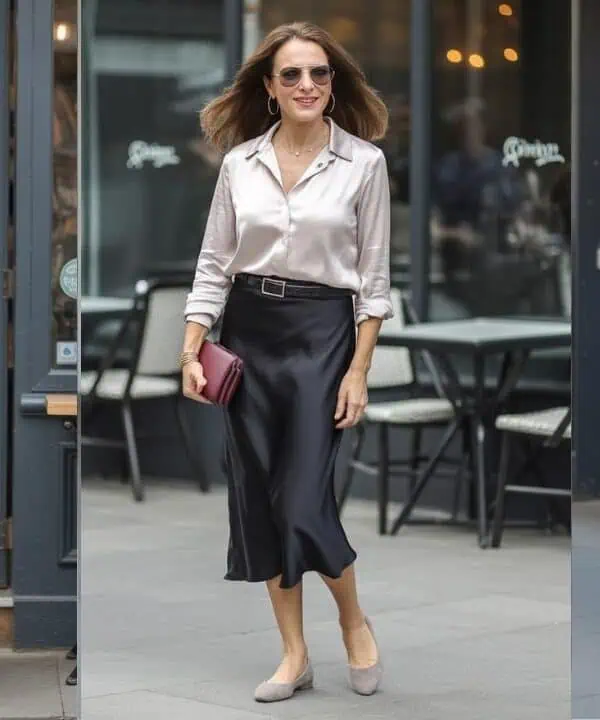
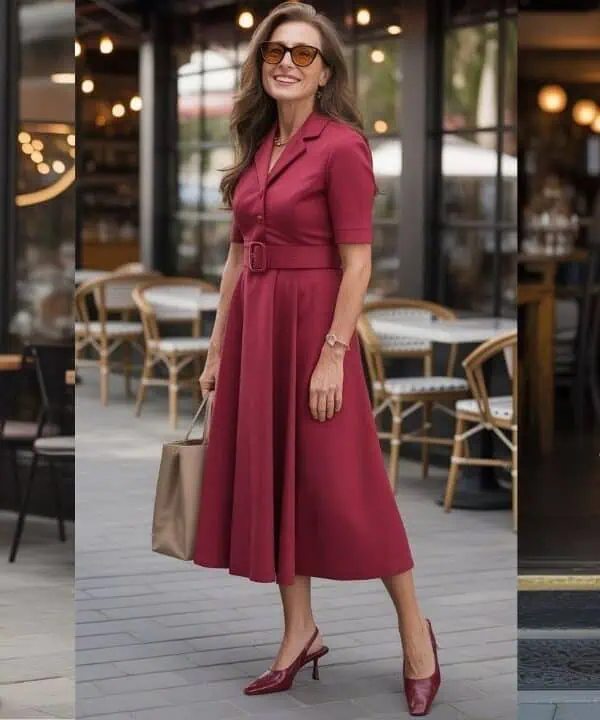
Midi skirts are one of the most versatile and elegant wardrobe pieces for women over 50. They offer coverage, movement, and timeless appeal, but they’re also deceptively tricky. Small styling missteps can shorten the frame, widen the hips, or make an outfit feel dated rather than polished. The key is understanding proportion, balance, and modern styling updates. From footwear choices to fabric weight, every detail matters when it comes to maintaining a clean, flattering silhouette.
Table of Contents
1. Wearing the Skirt Too Low on the Waist

One of the biggest mistakes with midi skirts after 50 is wearing them low on the hips. This instantly shortens the leg line and can make the torso appear longer and heavier. A mid- or high-rise fit creates a more balanced silhouette by visually lifting the waist and elongating the legs. This is especially important for petites or those with a shorter inseam. Positioning the skirt correctly also allows tops to sit more cleanly, preventing bunching or bulk. Simply adjusting where the skirt sits can dramatically improve proportions and make the entire outfit look more intentional and flattering.
2. Choosing Heavy, Stiff Fabrics
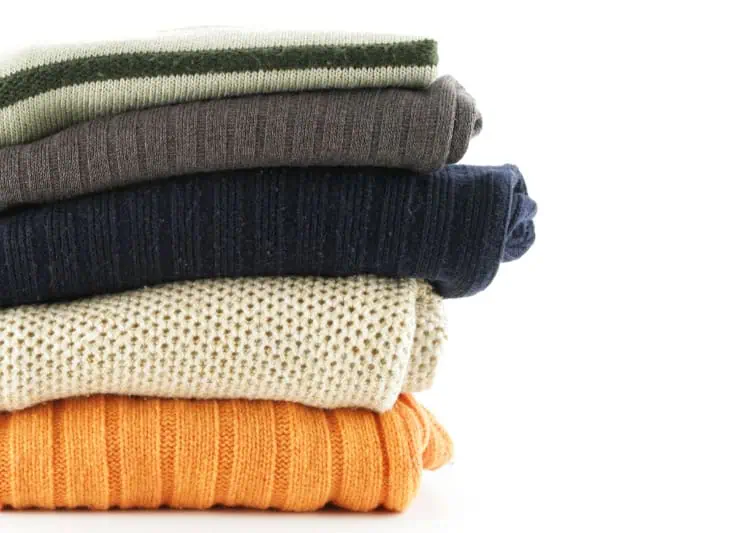
Midi skirts made from thick, rigid fabrics often add unnecessary volume around the hips and thighs. After 50, these materials can exaggerate areas many women prefer to soften, resulting in a boxy or bulky silhouette. Lighter, fluid fabrics like satin, crepe, silk blends, or soft pleats move with the body and skim rather than cling. They create vertical flow, which is key to a streamlined look. Fabric choice alone can be the difference between a skirt that feels elegant and one that feels overwhelming, no matter how stylish the design is.
3. Pairing with Bulky or Oversized Tops

While oversized tops are trendy, pairing them with a midi skirt often disrupts proportion. Too much volume on top combined with a mid-calf hem can swallow the frame and blur your shape. This doesn’t mean tops must be tight but they should be intentional. Light structure, soft tucks, wrap styles, or cropped knits help define the waist without clinging. Creating contrast between the top and skirt ensures the outfit feels balanced. When both pieces are oversized, the silhouette loses clarity and looks heavier than it needs to be.
4. Ignoring the Importance of Footwear
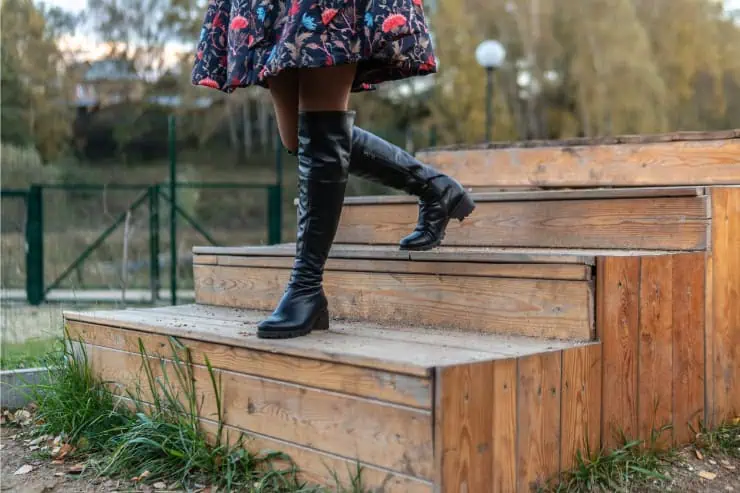
Shoes can make or break a midi skirt outfit. Heavy shoes, overly rounded toes, or ankle straps that cut across the leg can visually shorten your height. This is especially noticeable with mid-calf hems. Sleek footwear such as pointed-toe flats, low block heels, ankle boots with a slim shaft, or streamlined sandals helps maintain vertical flow. The goal is to extend the leg line rather than interrupt it. Choosing modern shoe shapes keeps the overall look fresh and avoids making the skirt feel dated or awkward.
5. Wearing the Wrong Skirt Length for Your Height

Not all midi lengths are equal. A hem that hits at the widest part of the calf can make legs appear shorter and thicker. This is a common but fixable issue. The most flattering midi skirts usually fall just below the knee or a few inches above the ankle, where the leg naturally narrows. Tailoring is often the secret weapon here adjusting the length slightly can completely transform the silhouette. A well placed hem enhances elegance, while a poorly placed one can undermine the entire outfit.
6. Skipping Waist Definition Altogether

Midi skirts without any waist definition can look shapeless, especially when paired with loose tops. This doesn’t mean every outfit needs a belt, but some visual cue of structure helps maintain proportion. A tucked blouse, a belted waist, or a cropped jacket creates a focal point and prevents the skirt from looking like it’s “hanging” on the body. After 50, subtle definition is often more flattering than dramatic shaping. Without it, the silhouette can feel unfinished and unintentionally frumpy.
7. Choosing Busy Prints Without Balance

Bold prints can be beautiful, but overly busy patterns on midi skirts can overwhelm the body if not styled carefully. Large florals, heavy contrasts, or multiple colors can draw attention to the lower half and disrupt visual harmony. The key is balance pairing statement skirts with simple, solid tops and minimal accessories. Softer color palettes and vertical or fluid patterns tend to be more flattering and elongating. When prints aren’t balanced, they can distort proportions and detract from the skirt’s elegance.
8. Wearing Clingy or Thin Materials Without Structure

Overly thin or clingy fabrics can highlight areas you may prefer to smooth, especially around the hips and thighs. This can make the skirt feel less refined and more revealing than intended. Look for midi skirts with lining, pleats, or a slight A-line shape to provide structure. These details help the skirt drape gracefully rather than cling. Structure doesn’t mean stiffness it means thoughtful construction that supports a clean, confident silhouette.
9. Overloading the Outfit with Accessories
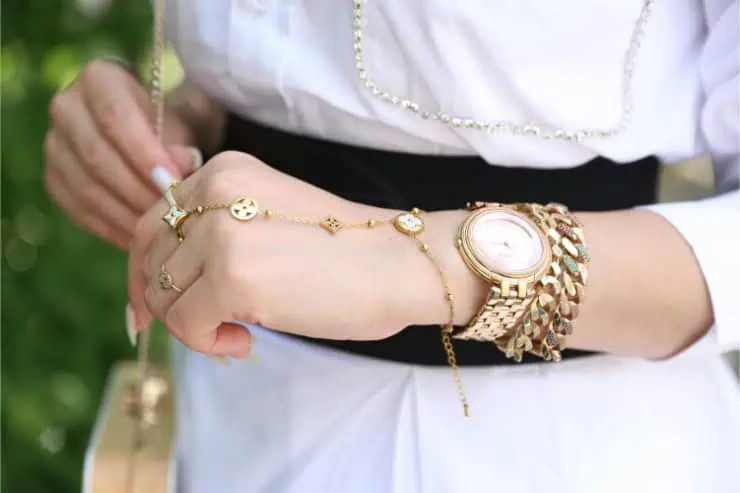
Too many accessories can compete with the clean lines of a midi skirt. Chunky necklaces, oversized bags, and heavy belts can add visual clutter and pull attention away from the skirt’s shape. After 50, a more edited approach tends to look more modern and polished. Choose one or two refined accessories a sleek belt, elegant earrings, or a structured bag to complement the outfit. Minimalism allows the silhouette to shine and keeps the look sophisticated rather than busy.
10. Sticking to Outdated Styling Rules

Perhaps the most damaging mistake is relying on outdated rules, like always pairing midi skirts with cardigans or matching sets. Fashion has evolved, and midi skirts now work beautifully with modern elements like tailored blazers, knit polos, sleek sneakers, or contemporary flats. Holding onto old formulas can make even a beautiful skirt feel stale. Updating how you style your midi while keeping comfort in mind ensures your silhouette feels current, confident, and effortlessly stylish after 50.