After 60, style becomes less about experimentation and more about authority. Stylists do not think in terms of age limits, but they do pay close attention to proportion, movement, fabric, and the message an outfit sends. Many outfits that women default to after 60 feel familiar and practical, yet quietly work against presence, confidence, and modernity. These outfits are not wrong, but they often rely on outdated formulas or defensive dressing habits. What stylists avoid recommending are outfits that diminish clarity or make women fade into the background. Below are 8 outfits no stylist would recommend after 60, each explained in depth to clarify not just what doesn’t work, but why.
Table of Contents
1. Head to Toe Shapeless Black
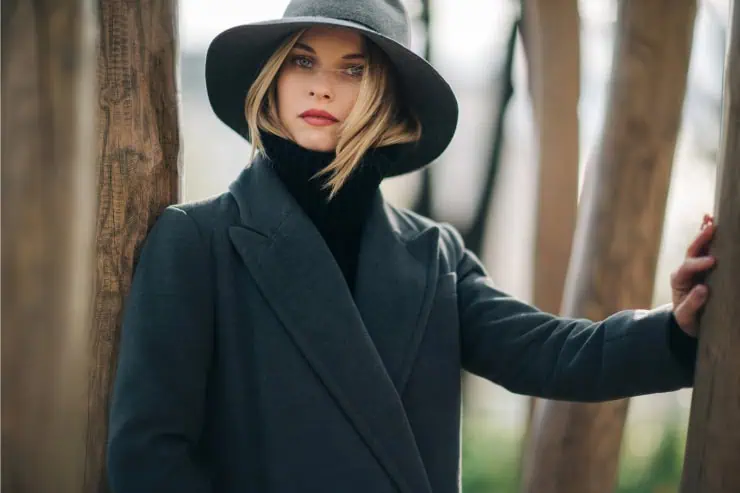
While black is often seen as slimming and sophisticated, wearing it head to toe without structure frequently backfires after 60. Stylists notice that shapeless black absorbs light and removes definition, which can drain vitality from the face. When every piece is loose, matte, and dark, the body disappears and the outfit feels heavy. Many women use black defensively, hoping it will hide areas they feel self conscious about. Unfortunately, this often communicates withdrawal rather than confidence. Black works best when it is intentional: tailored cuts, mixed textures, or contrast near the face restore energy. Stylists recommend treating black as a framing tool, not a hiding place.
2. Matching Knit Sets with No Structure
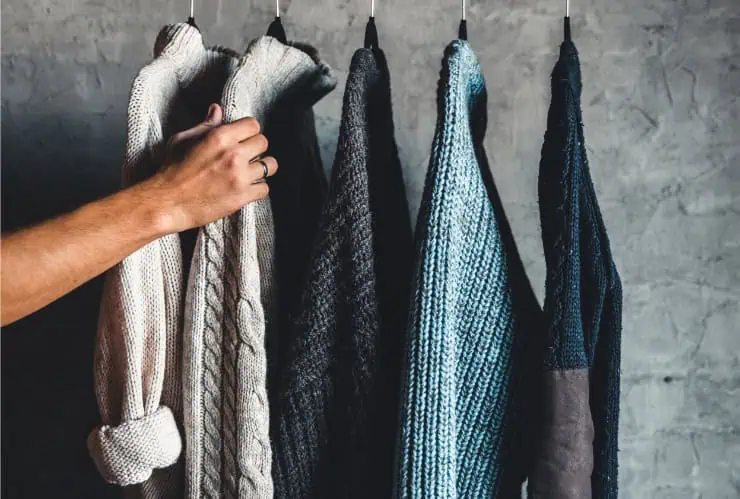
Soft knit sets are popular for comfort, but stylists rarely recommend versions with no shape or definition. When both the top and bottom are relaxed, flat, and identical in texture, the outfit lacks hierarchy. After 60, the body benefits from visual structure, even in casual wear. Completely unstructured knit sets can look tired, not effortless. Stylists often suggest breaking up the set, adding a tailored layer, or choosing knitwear with seams, ribbing, or contrast. Comfort should enhance confidence, not erase form. Structure and softness are not opposites; the best outfits balance both.
3. Capri Pants with Athletic Sneakers
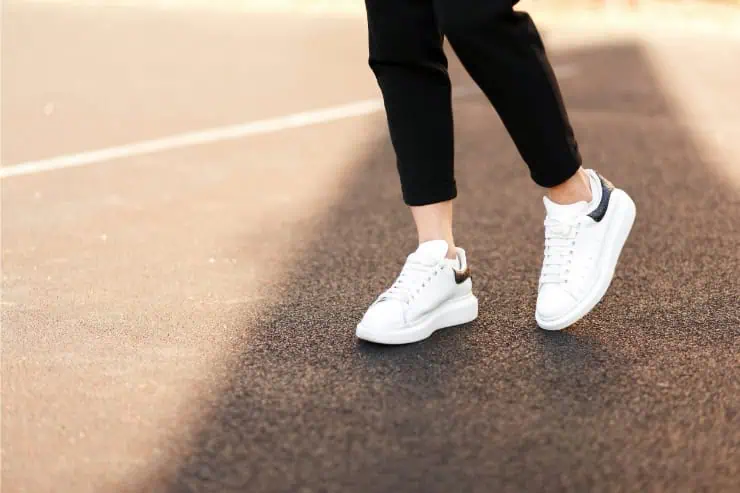
This pairing is one of the most common outfits stylists discourage. Capri pants interrupt the leg line at an unflattering point, while athletic sneakers add bulk around the ankle. Together, they shorten the silhouette and feel visually outdated. While practical, this combination prioritizes function over form entirely. Stylists understand the desire for comfort but encourage alternatives that preserve proportion. Ankle-length trousers, streamlined trainers, or modern flats provide comfort without compromising line. After 60, proportion matters more than ever, and this pairing consistently works against it.
4. Overly “Nice” Coordinated Outfits
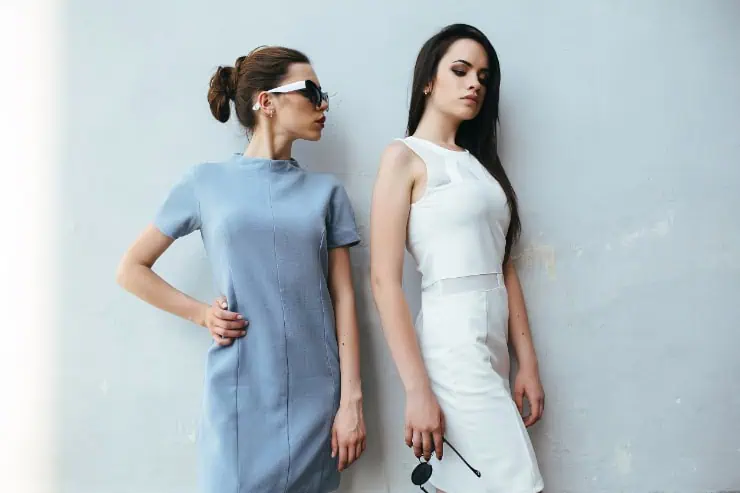
Perfectly coordinated outfits designed to look polite or appropriate often feel stiff and dated. Stylists frequently see matching jackets, trousers, and tops chosen to avoid standing out. While well-intentioned, these outfits lack personality and conviction. After 60, confidence reads more strongly than correctness. Slight variation in texture, tone, or formality introduces ease and modernity. Stylists recommend outfits that feel lived-in rather than carefully arranged. Too much coordination draws attention to the clothes instead of the woman wearing them.
5. Oversized Tops with Oversized Bottoms

Oversized dressing requires balance. When both the top and bottom are voluminous, proportion disappears entirely. Stylists always look for contrast: if one piece is relaxed, another should provide structure. After 60, all-over volume often signals uncertainty or a desire to hide. This can unintentionally add visual weight and remove energy from the silhouette. Strategic tailoring or pairing oversized items with fitted ones restores clarity. Confidence is communicated through balance, not excess fabric.
6. Small, Busy Floral Dresses
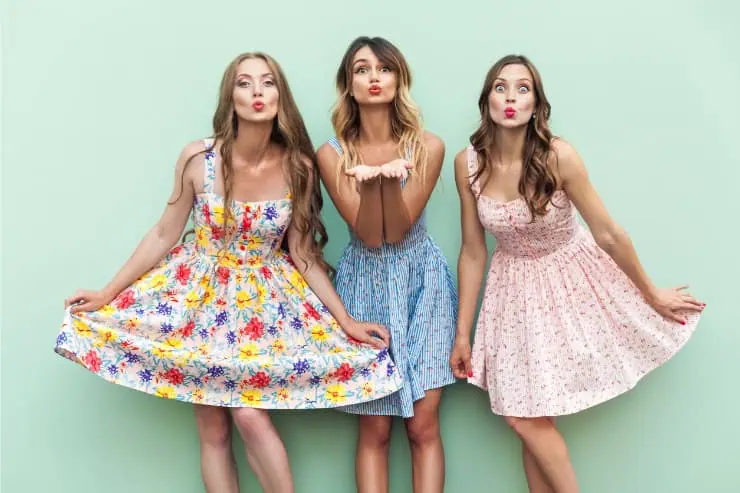
Florals themselves are not aging, but many floral dresses favored after 60 rely on outdated prints and stiff fabrics. Small, busy florals often feel nostalgic rather than modern. Stylists avoid recommending florals that lack movement or contemporary cuts. After 60, florals should feel intentional and refined. Larger scale prints, simpler color palettes, and fluid materials instantly modernize the look. The goal is elegance, not sentimentality.
7. Heavy Statement Jewelry with Busy Clothing
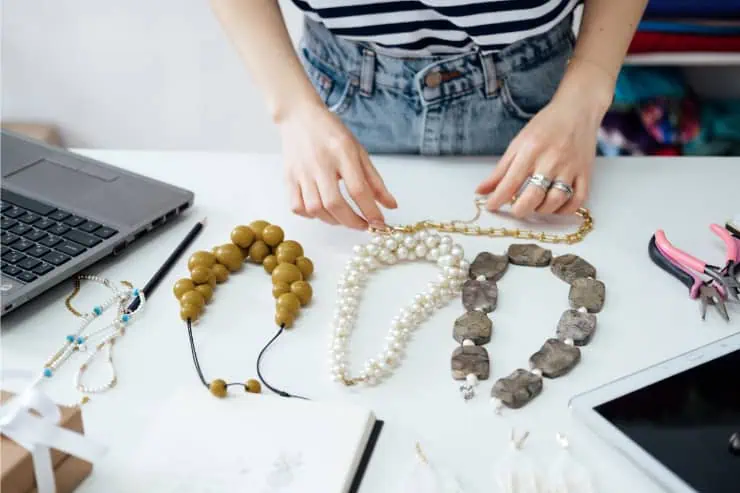
Statement jewelry can be striking, but pairing it with busy outfits overwhelms the eye. Stylists prioritize hierarchy in styling. When bold jewelry competes with prints, textures, and layers, the result feels cluttered and overworked. After 60, clarity reads as sophistication. Stylists advise choosing one focal point: either let the outfit speak or let the accessories lead. Too many statements at once dilute impact and suggest effort rather than ease.
8. Fully Elastic Waist Everything
Elastic waistbands offer comfort, but a wardrobe built entirely around them lacks structure. Stylists often see women default to elastic for convenience, only to feel underdressed or unfinished. After 60, gentle tailoring enhances presence without sacrificing comfort. Soft waistbands, partial elastic, or drawstrings with structure provide a better balance. Clothes that hold their shape communicate intention and polish, even in casual settings.