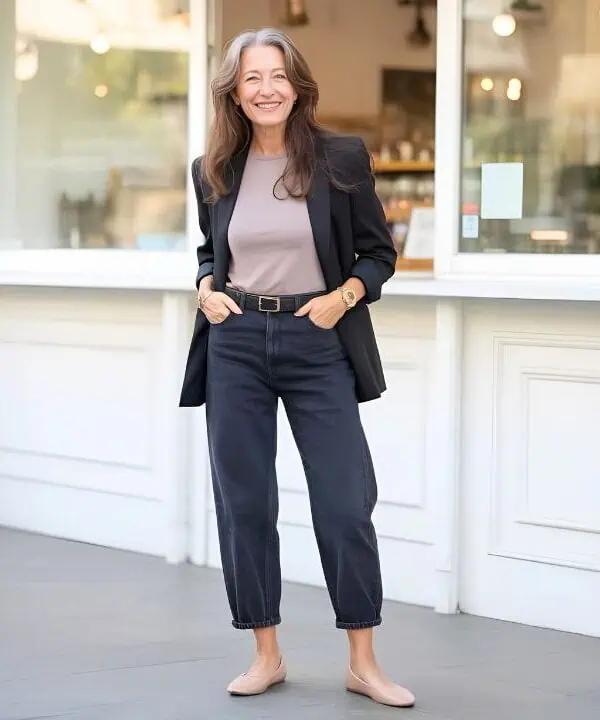
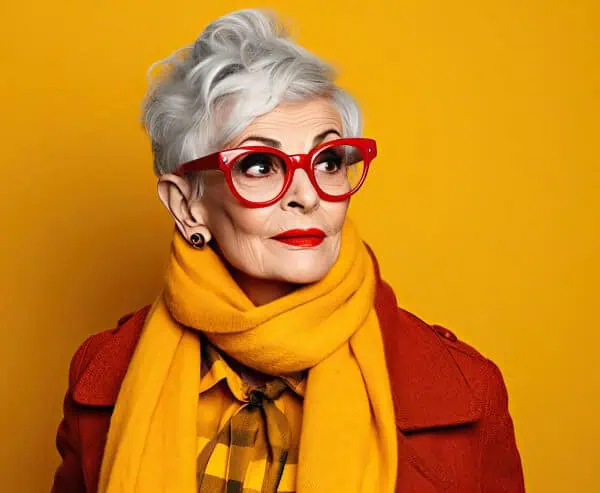
Almost every woman has a few items she keeps not because they work but because they meant something once. A special trip, a milestone birthday, a version of yourself you loved. Stylists see this constantly, especially in mature wardrobes. Sentimental clothing isn’t wrong, but when it stays in rotation, it quietly drags outfits backward. These pieces often dictate fit, color, and proportion in ways that no longer serve you. Style isn’t about erasing memories; it’s about honoring who you are now. Understanding which sentimental items are hurting your outfits is often the fastest way to upgrade your look without buying anything new.
Table of Contents
1. The “Special Occasion” Dress from Decades Ago

This is often the hardest piece to let go of. It may remind you of a wedding, anniversary, or important event where you felt beautiful. Stylists rarely criticize the memory but they do point out that dresses from decades ago are built on outdated proportions. Narrow shoulders, stiff fabrics, heavy embellishments, or dated hemlines immediately anchor an outfit in the past. Even if the dress technically still fits, it often no longer aligns with modern movement or styling. Keeping it as a memory is fine; wearing it today usually undermines everything else you pair it with.
2. The Coat You’ve “Always Had”

Sentimental coats often carry emotional weight your first big purchase, a gift, or something you wore during a defining season of life. Stylists notice that these coats tend to be the most visually damaging items in a wardrobe. Outdated lapels, shoulder padding, heavy fabrics, and old silhouettes overpower otherwise modern outfits. Because coats are worn daily and seen first, they set the entire tone of your look. Even great outfits collapse under an old coat. Stylists often say: if nothing else changes, update the coat first.
3. Shoes You Wore During an Important Life Chapter
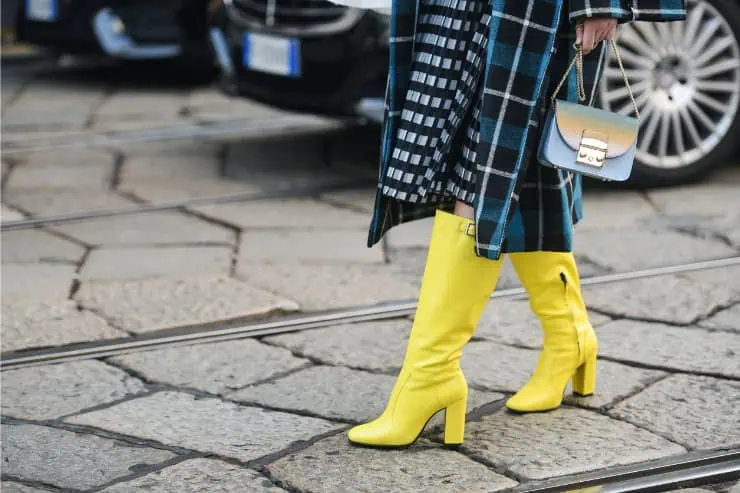
Shoes are memory holders travel shoes, work shoes, “comfortable” shoes from a demanding period of life. Unfortunately, they are also the fastest way to age an outfit. Sentimental shoes often feature thick soles, outdated shapes, or worn materials that pull focus downward. Stylists point out that modern outfits rely heavily on footwear for balance. When shoes look old, the entire look feels tired. Keeping them in a memory box is reasonable; wearing them today quietly sabotages proportion and polish.
4. Jewelry with Emotional Significance but Dated Scale
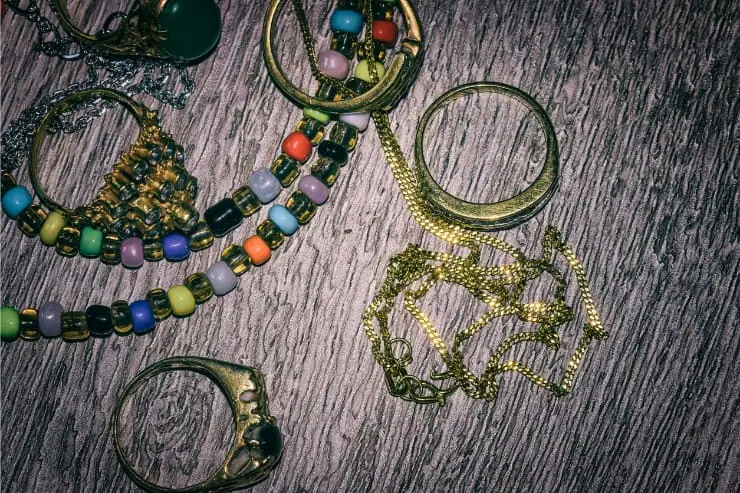
Jewelry is deeply personal, which is why stylists tread gently here. However, sentimental jewelry especially oversized, highly decorative, or era-specific pieces can overwhelm modern outfits. Chunky gold chains, ornate brooches, or heavily embellished earrings often dominate simpler clothing. Stylists note that scale has shifted dramatically over the years. Today’s elegance favors lighter, more intentional accents. Wearing emotionally significant jewelry daily can lock outfits into a specific decade. Stylists suggest reworking or occasionally wearing these pieces rather than defaulting to them.
5. The Handbag That “Still Works”
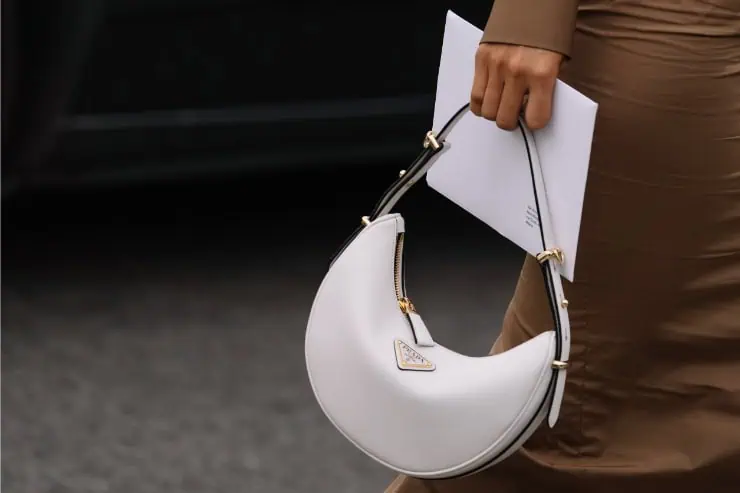
Many women keep bags because they were expensive or tied to a milestone purchase. Stylists see this often with structured leather handbags from earlier decades. While still functional, these bags often feature outdated hardware, rigid shapes, and heavy proportions. Because handbags sit at the center of an outfit, they strongly influence how current or dated a look feels. Stylists emphasize that bags don’t need to be trendy but they must feel intentional. Sentimental bags often quietly pull outfits backward without you realizing why.
6. A Suit from Your Professional Peak

Power suits from successful career years hold emotional pride and rightly so. However, stylists consistently say these are among the most outfit-ruining sentimental items. Older suits often rely on sharp tailoring, heavy fabrics, and strict coordination that no longer aligns with modern style. Even when worn separately, these pieces tend to look rigid and dated. Stylists encourage honoring the achievement without forcing the clothing to perform today. Style should reflect where you are, not only where you’ve been.
7. Scarves Tied to Travel or Gifts
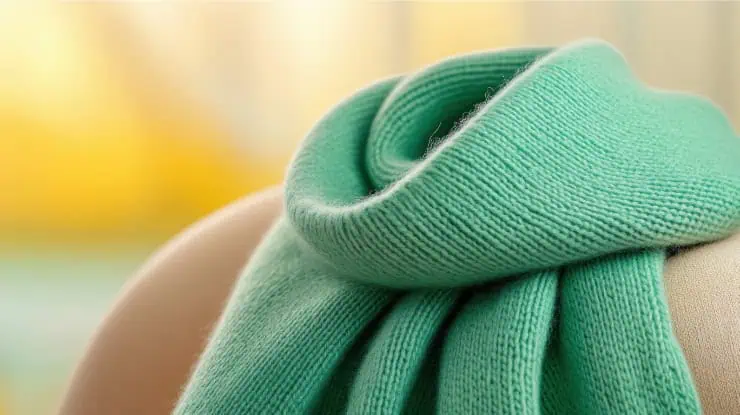
Scarves are small but powerful. Sentimental scarves especially souvenir prints or gift scarves often feature bold patterns, stiff fabrics, or dated color combinations. Stylists note that scarves frame the face, making them one of the most age-defining accessories. An outdated scarf can age a look faster than any other item. While the memory matters, the visual impact does too. Stylists often suggest displaying or storing meaningful scarves rather than wearing them regularly.
8. Knitwear That Once Felt Luxurious
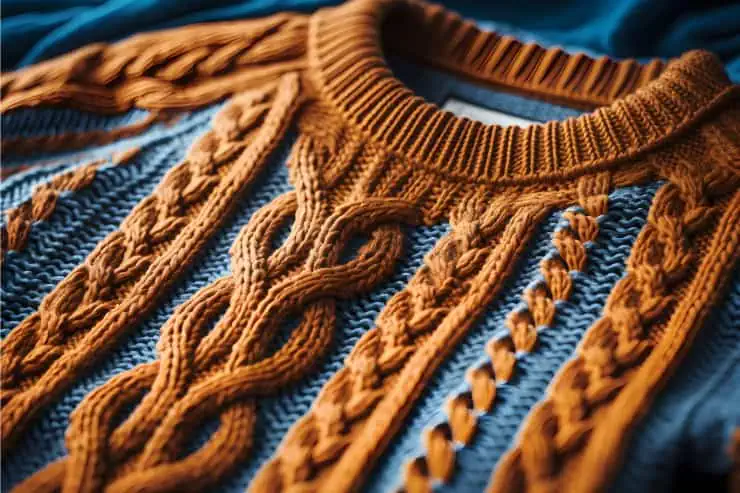
Cashmere sweaters, cardigans, or knits from years ago often remain in closets long after their prime. Stylists say these pieces usually show subtle wear: thinning fabric, stretched hems, or outdated cuts. Because knits sit close to the body, these issues become very noticeable. Sentimental value often masks the reality that the piece no longer elevates an outfit. Stylists recommend replacing worn knits regularly luxury only works when it looks intentional, not tired.
9. The “I’ll Wear It Again Someday” Item
This is the most common sentimental trap. Items kept for imagined future moments weight changes, special events, or emotional readiness end up shaping daily outfits unintentionally. Stylists say these pieces clutter decision-making and lower overall style confidence. Clothing that isn’t actively serving you creates hesitation and compromise. Letting go of “someday” items often leads to clearer, stronger outfits immediately. Style thrives on clarity, not obligation.