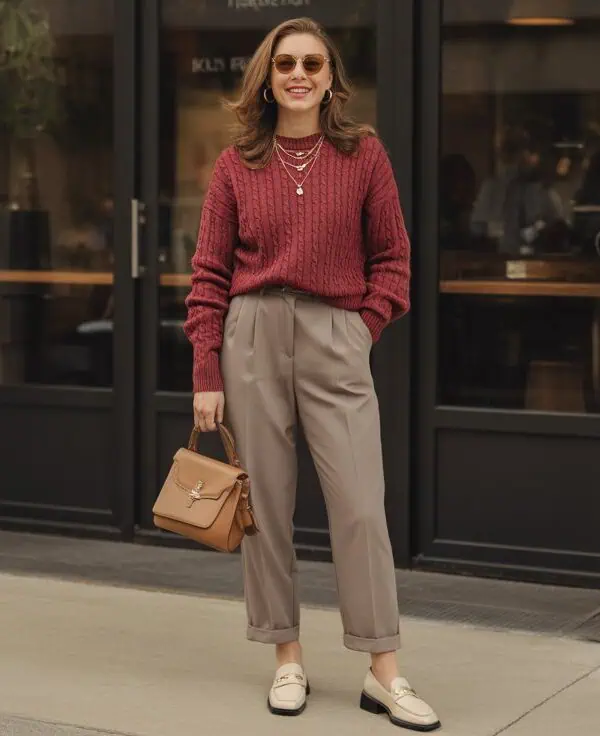
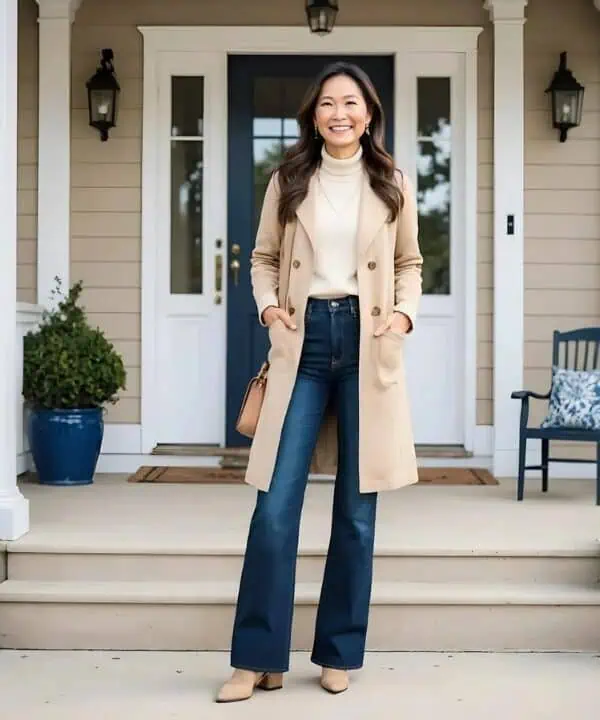
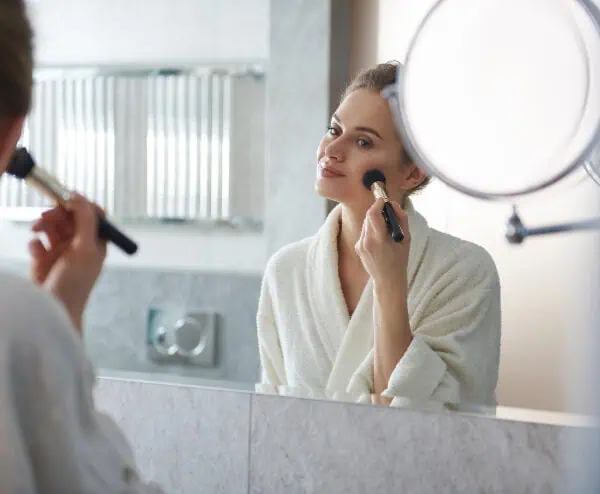
Stylists don’t just see outfits they see patterns. Repeated choices in proportion, color, fit, and styling reveal habits that shape how someone is perceived long before individual items are noticed. Once these patterns become visible, they’re impossible to ignore. They explain why certain wardrobes feel stuck, dated, or underwhelming despite containing good pieces. These patterns aren’t mistakes; they’re defaults. And defaults quietly define style more than trends ever do. Below are ten style patterns that, once recognized, permanently change how you see outfits your own and everyone else’s.
Table of Contents
1. Dressing to Disappear Rather Than to Arrive

One of the most striking patterns stylists notice is clothing chosen to minimize presence. This shows up as overly dark palettes, shapeless silhouettes, and clothes that avoid drawing the eye anywhere specific. The intention is often modesty or comfort, but the effect is withdrawal. Once you see this pattern, it’s everywhere. Outfits designed to disappear rarely look elegant; they look cautious. Style isn’t about attracting attention, but it does require visibility. Clothes that acknowledge the body respectfully through shape, contrast, or structure signal confidence. Disappearing is a habit, not a requirement, and once spotted, it’s unmistakable.
2. Over Reliance on “Safe” Neutrals
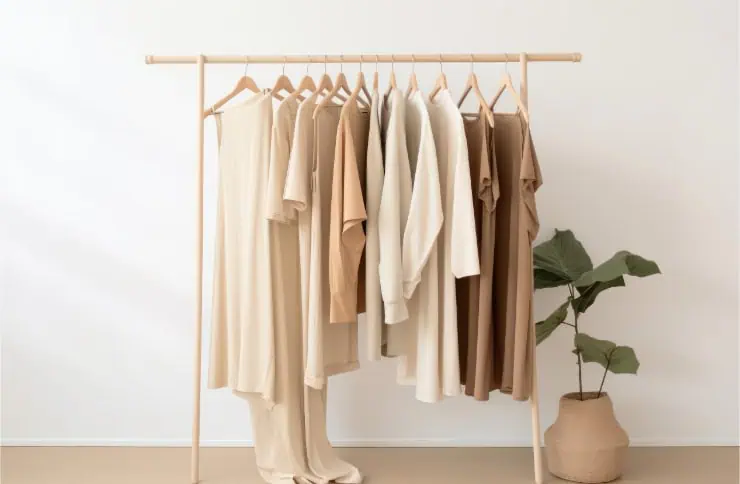
Neutrals are powerful, but overusing them in the same tones repeatedly becomes a pattern that drains energy. Stylists see wardrobes dominated by beige, taupe, grey, and dull navy chosen out of fear rather than intention. Once you notice it, these palettes feel lifeless. Safe neutrals often replace thoughtful color choices and flatten outfits visually. This pattern doesn’t mean color is required; it means clarity is. Crisp neutrals, contrast, or tonal variation revive presence. When every outfit blends quietly into the background, it signals habit over awareness a pattern that’s hard to ignore once seen.
3. The Same Silhouette, Every Single Day
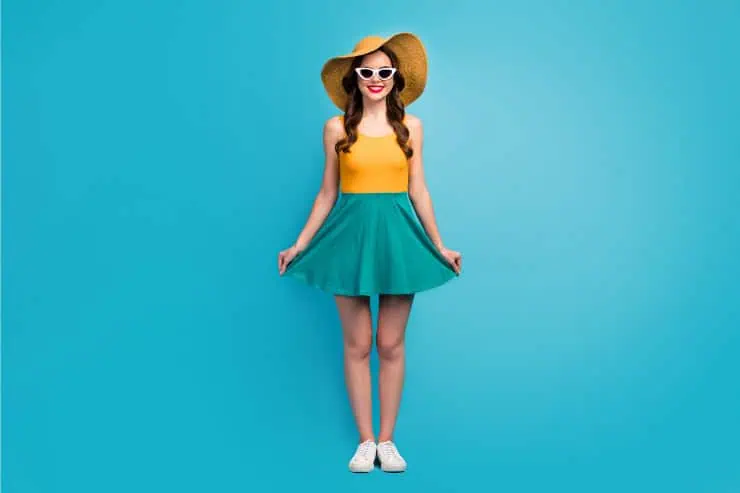
Stylists quickly recognize when someone wears the same shape regardless of occasion. Long tops with slim pants, oversized layers, or constant midi lengths repeated endlessly create visual stagnation. Even flattering silhouettes lose power when never challenged. Once you notice this pattern, it becomes impossible not to see how predictable the outfits feel. Style thrives on proportion shifts, not trends. Changing volume, length, or structure refreshes a wardrobe instantly. Repetition signals autopilot dressing comfortable, but uninspired. Variety communicates engagement and modernity, and its absence becomes glaring once recognized.
4. Excess Fabric Used as Armor

Another hard-to-unsee pattern is the use of volume as protection. Oversized clothing worn head to toe often signals discomfort with visibility rather than intentional style. Stylists notice when excess fabric hides rather than enhances. While oversized pieces can be chic, they require contrast. Without it, the body disappears and the outfit feels heavy. Once you recognize this pattern, it’s clear how often it replaces fit with avoidance. Clothes should support the body, not shield it. This pattern quietly communicates retreat and once seen, it’s unmistakable.
5. Shoes That Consistently Undercut the Outfit
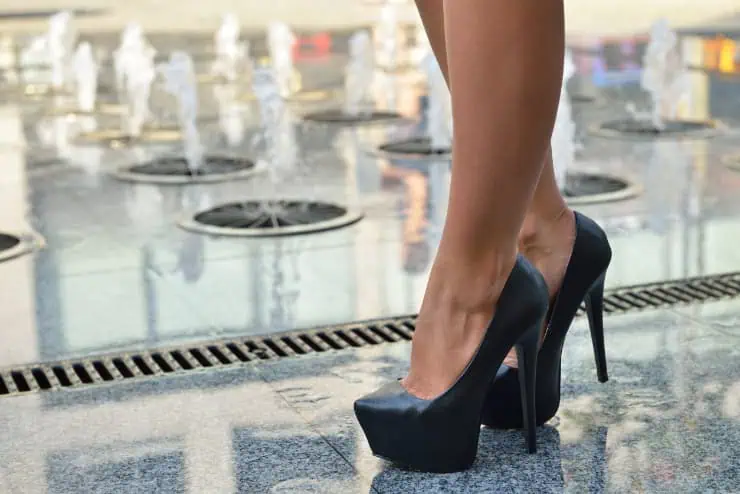
Footwear reveals more than people realize. Stylists spot patterns where shoes are always overly practical, clunky, or disconnected from the outfit’s tone. Once noticed, this habit is glaring. Shoes anchor proportion and mood; when they’re wrong, everything feels wrong. Many outfits fail not because of the clothes, but because of the shoes chosen out of convenience. This pattern quietly drags style backward. Once you see how often shoes sabotage otherwise good outfits, you can’t stop noticing it in yourself or others.
6. Dressing for a Past or Imaginary Life

Stylists immediately recognize wardrobes built around outdated roles or aspirational scenarios. Office clothes worn long after retirement, event outfits bought “just in case,” or casual clothes worn everywhere regardless of context reveal misalignment. Once you see this pattern, it explains why clothes feel awkward or unused. Style works best when it reflects real life. Dressing for the wrong version of yourself creates tension that shows in posture and confidence. This pattern is subtle but deeply influential and once spotted, impossible to ignore.
7. Over Coordination That Feels Controlled
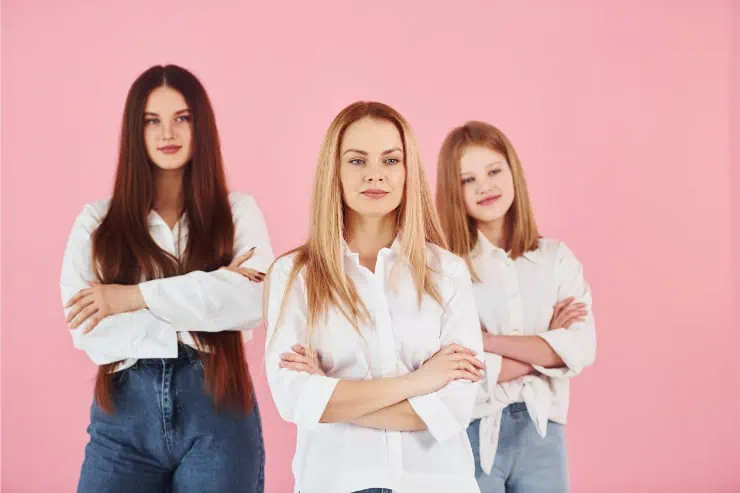
Perfectly matched outfits same fabric, same tone, same formality signal a pattern of control rather than confidence. Stylists notice this immediately. Over-coordination removes ease and personality. Once you see it, these outfits feel stiff and dated. Modern style thrives on contrast and tension: structured with soft, casual with refined. When everything matches too neatly, the outfit feels rehearsed. This pattern often comes from fear of getting it wrong. Ironically, it’s what makes outfits feel less current.
8. Decorative Overload
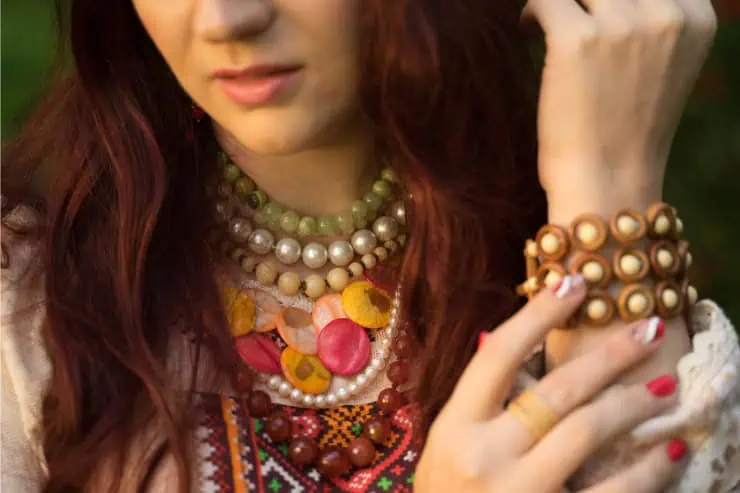
Excessive embellishment ruffles, bows, busy prints, heavy jewelry layered together creates visual noise. Stylists see this as a lack of editing. Once you recognize the pattern, it becomes overwhelming to look at. Strong style relies on restraint. Decoration should enhance, not dominate. When everything is decorative, nothing feels special. This pattern often stems from trying to “add interest,” but it does the opposite. Simplicity with intention reads as far more sophisticated.
9. Poor Fit Treated as Normal
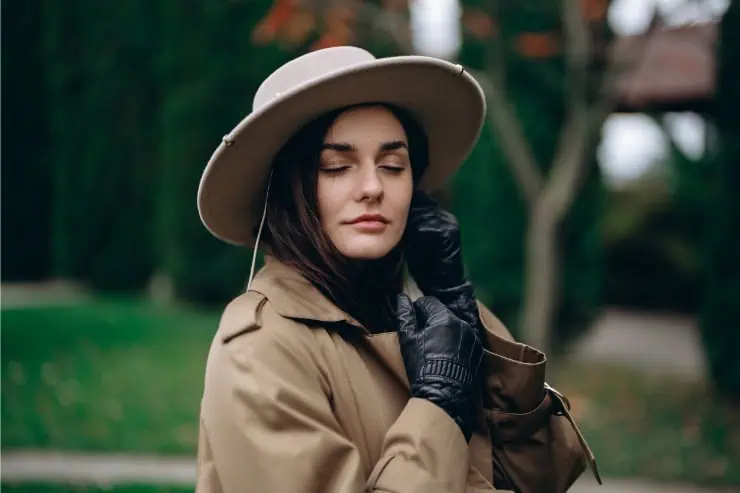
Ill-fitting clothes are one of the most common patterns stylists can’t unsee. Sleeves too long, hems dragging, shoulders slipping small issues repeated everywhere signal neglect. Once you notice fit problems, they become impossible to ignore. Good fit doesn’t require perfection, but it does require care. Tailoring transforms clothing instantly. This pattern undermines even expensive wardrobes and quietly lowers perceived quality. Fit is foundational, and its absence speaks volumes.
10. Dressing for Approval Instead of Alignment
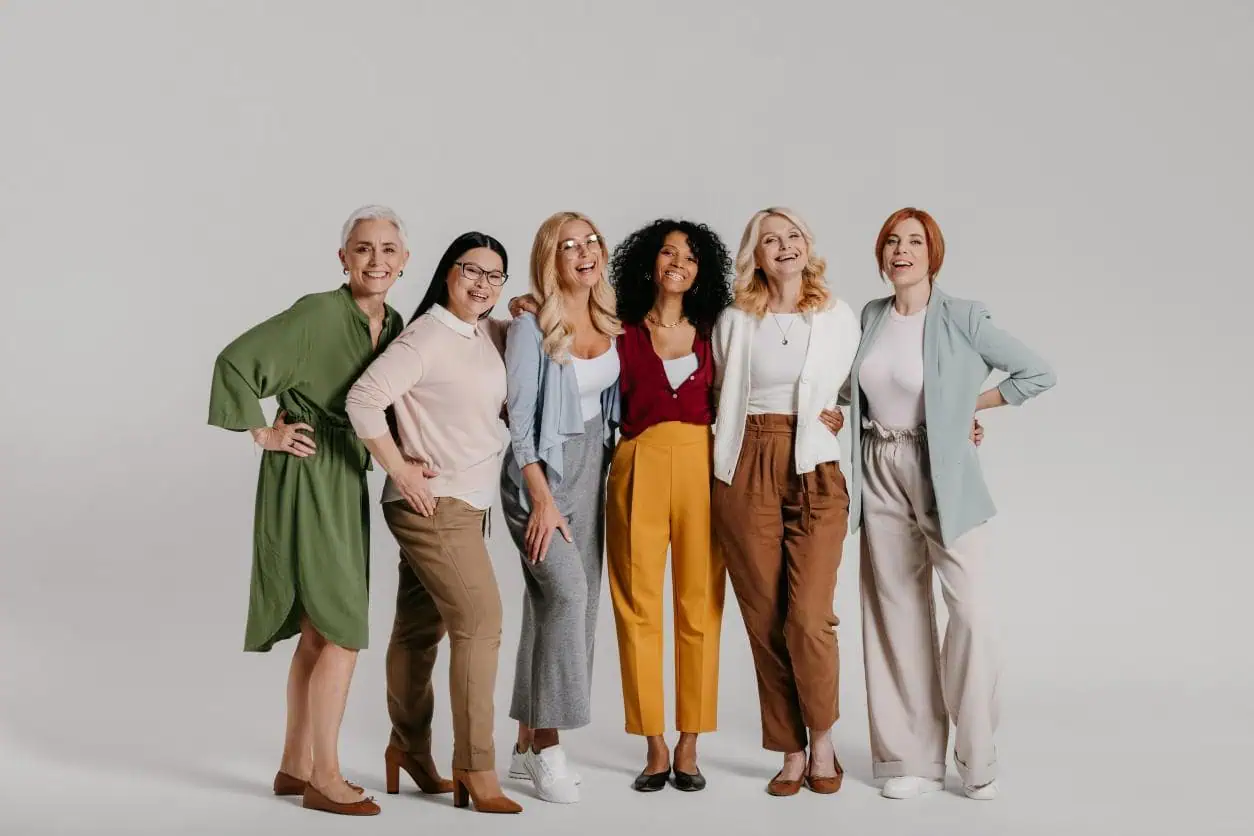
Perhaps the most revealing pattern is hesitation. Outfits chosen to offend no one rarely inspire anyone. Stylists spot approval seeking instantly it shows in muted choices, overly safe combinations, and lack of conviction. Once you see this pattern, it explains why outfits feel forgettable. Alignment between clothes and the person wearing them creates ease, presence, and confidence. Approval-driven dressing removes that power. This pattern is subtle, but once recognized, it’s impossible to unsee.