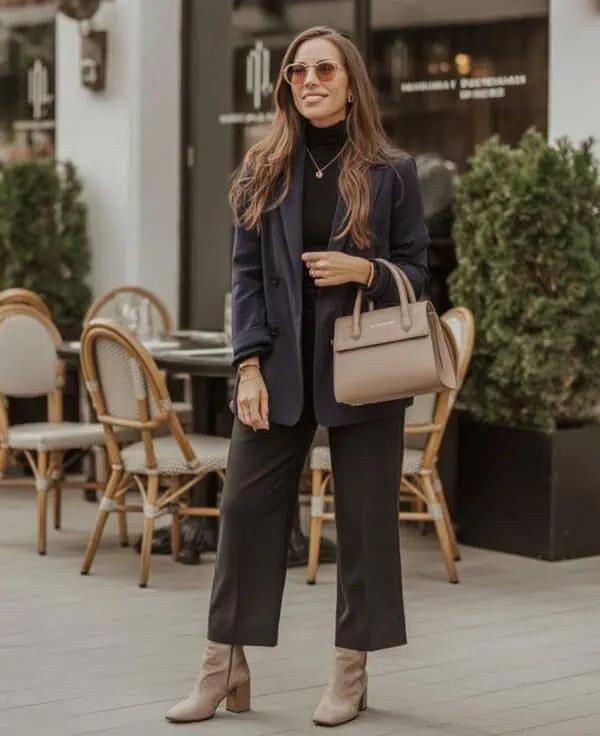
Stylists don’t judge outfits by price, age, or trendiness. They read signals. The moment someone walks into a room, certain visual cues reveal whether an outfit is intentional, current, and aligned or confused, dated, or defensive. These signals are often invisible to the wearer because they come from habits, not mistakes. They don’t scream “bad outfit,” but they quietly communicate uncertainty, imbalance, or disconnection. Understanding these signals is powerful because fixing them rarely requires a new wardrobe. It requires awareness. Below are ten bad outfit signals stylists spot immediately and why they matter more than individual items.
Table of Contents
1. No Clear Focal Point

When an outfit has no focal point, the eye doesn’t know where to land. Stylists immediately notice when everything blends together same tones, same textures, same level of emphasis. This creates a flat, forgettable look. A strong outfit always leads somewhere: a sharp jacket, a great shoe, a defined waist, a striking neckline. Without that anchor, the outfit feels accidental. This doesn’t mean wearing statement pieces; it means choosing one element to guide the look. When nothing leads, the outfit reads as unfinished, even if all the pieces are “nice.”
2. Excess Fabric with No Structure

Too much fabric without structure is one of the fastest signals of style confusion. Stylists see this in oversized tops paired with loose pants, long layers collapsing over each other, or silhouettes with no definition anywhere. While comfort is often the motivation, the visual result is heaviness and retreat. Structure doesn’t mean tightness it means intention. A seam, a cuff, a shoulder line, or a clean hem creates clarity. When excess fabric dominates, the clothes wear the person instead of supporting them.
3. Shoes That Don’t Match the Outfit’s Tone
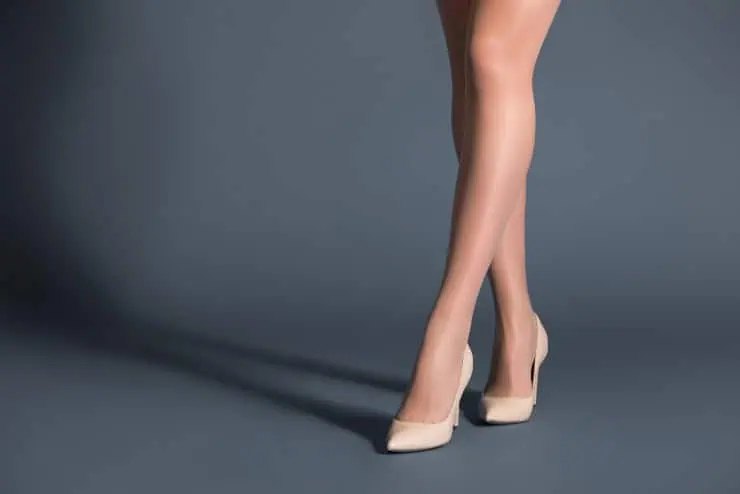
Shoes carry enormous visual weight, and stylists notice them instantly. A polished outfit paired with overly casual or clunky shoes sends a mixed message. Likewise, dressy shoes with casual clothing can feel forced. When shoes don’t match the outfit’s tone, the look collapses. This is a common signal of dressing on autopilot grabbing what’s easiest rather than what’s aligned. Stylists often say shoes “tell the truth” about an outfit. When they’re wrong, the entire look feels wrong, even if everything else is right.
4. Over Coordination

Perfectly matched outfits same fabric, same color, same level of formality often read as dated or overly careful. Stylists spot this immediately because it lacks ease. Over-coordination suggests dressing to be “appropriate” rather than expressive. Modern style relies on contrast: soft with structured, casual with refined, matte with shine. When everything matches too neatly, the outfit feels stiff and controlled. Confidence shows up in variation, not perfection. This signal is subtle but powerful it tells a stylist the wearer is dressing defensively.
5. Clothes That Don’t Fit the Lifestyle
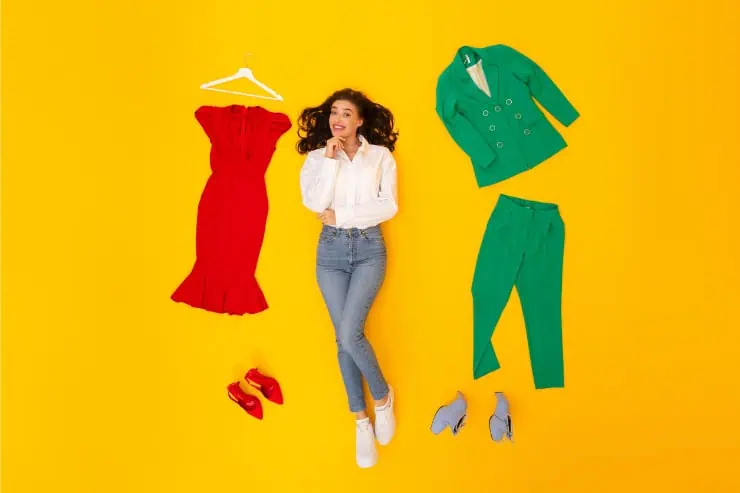
Stylists can tell instantly when someone is dressed for the wrong life. Overly formal clothes for casual settings, ultra-casual outfits for public or social environments, or aspirational pieces that don’t match daily routines all send a signal of disconnect. The outfit may look fine on its own, but it feels misplaced. This creates discomfort in movement and posture. Style works best when it supports real life, not fantasy. Dressing for the wrong context quietly undermines confidence and authenticity.
6. Outdated Proportions

Trends come and go, but proportions evolve more slowly and ignoring that evolution is a major signal stylists notice. Extra-long tops with slim pants, overly low-rise cuts, or extreme silhouettes that haven’t been updated in years subtly date an outfit. Even classic pieces need proportion refreshes. Stylists don’t chase trends, but they do adjust balance. When proportions feel stuck in a past era, the outfit reads as habitual rather than intentional. This is one of the quietest yet most revealing signals.
7. Too Many Competing Details

When prints, textures, accessories, and layers all compete, the outfit becomes noisy. Stylists immediately recognize when nothing has been edited out. This often happens when someone keeps adding instead of subtracting another necklace, another scarf, another layer. The result is visual clutter. Strong style relies on restraint. One statement is powerful; five are distracting. When too many details compete, the outfit feels anxious rather than confident. Editing is one of the clearest markers of good style.
8. Defensive Color Choices

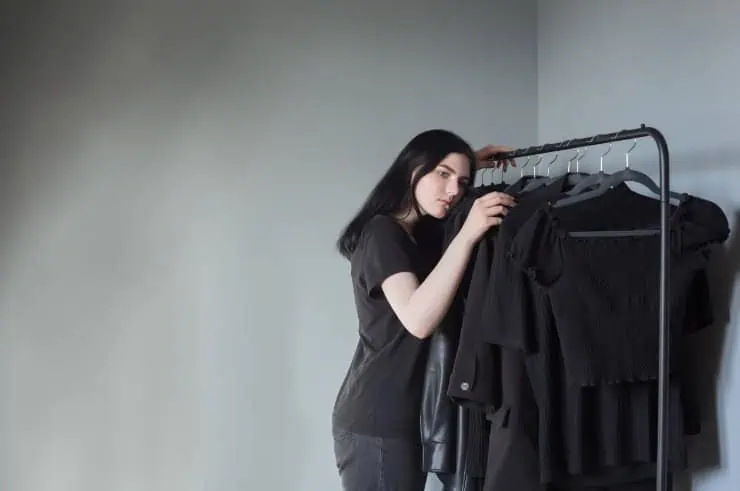
Stylists are highly attuned to color, especially near the face. Overuse of dull neutrals, muddy beiges, or heavy black can signal hiding rather than intention. Many women default to these colors out of habit or fear of standing out. While neutral palettes can be elegant, defensive color choices drain vitality and flatten presence. Stylists look for color that supports skin tone and energy, not just “goes with everything.” When color feels protective instead of expressive, it quietly weakens the outfit.
9. Poor Fit That’s Been Normalized
Slightly too-long sleeves, dragging hems, sagging shoulders stylists see these immediately. Poor fit is often normalized because it doesn’t feel dramatic. But even small fit issues disrupt proportion and polish. Stylists know that tailoring is what separates intentional dressing from guesswork. When clothes don’t fit properly, the outfit feels borrowed or unfinished. This signal has nothing to do with body type and everything to do with care. Fit communicates self-respect and awareness.
10. Dressing for Approval Instead of Alignment

Perhaps the strongest signal stylists spot is hesitation. Outfits chosen to avoid judgment often look safe, muted, and forgettable. Dressing for approval removes conviction, and conviction is what makes clothes work. Stylists encourage alignment between the outfit and the woman wearing it. When clothes reflect personality, lifestyle, and self-trust, they automatically look better. Approval-seeking outfits feel stiff. Aligned outfits feel effortless. This difference is visible immediately.