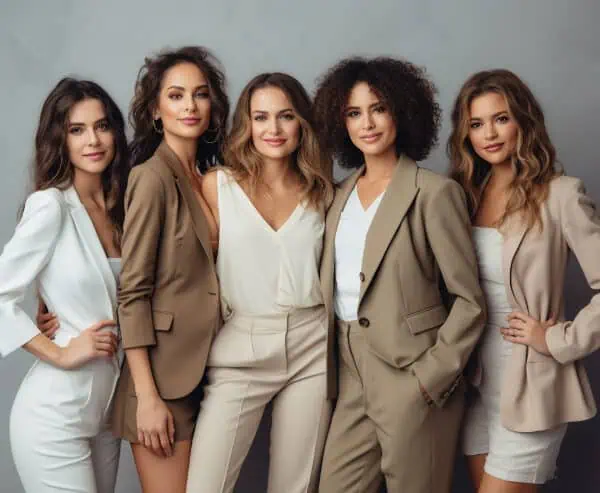
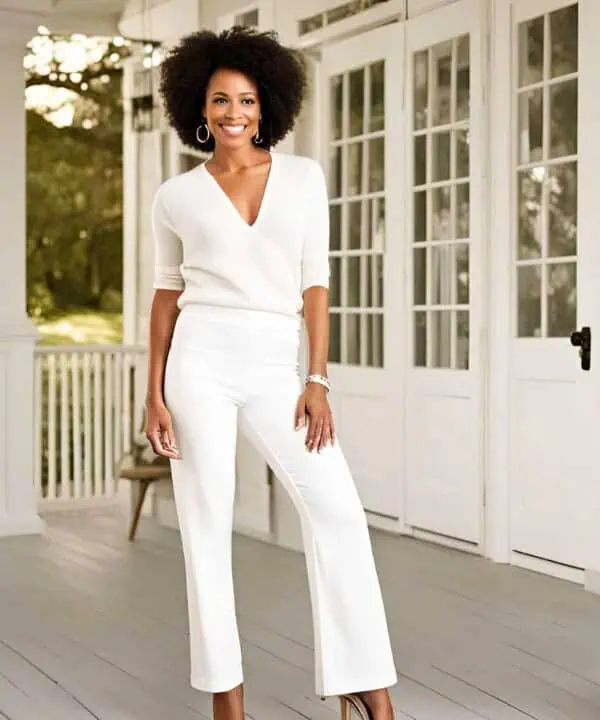
Turning 50 doesn’t mean dressing cautiously it means dressing consciously. Many outfit rules women were taught earlier in life were designed around youth, conformity, or outdated ideas of “flattery.” Stylists know that these rules often do more harm than good after 50 by limiting expression, reinforcing fear-based dressing, and prioritizing approval over alignment. Personal style at this stage thrives on confidence, proportion, and intention not restriction. Below are ten outfit rules that no longer apply once you are over 50, explained clearly so you understand not just what to release, but why letting go makes style stronger.
Table of Contents
1. “You Must Dress to Look Younger”

One of the most damaging rules is the belief that clothing should make you look younger. Stylists reject this entirely. Dressing to appear younger often leads to chasing trends, novelty pieces, or exaggerated silhouettes that feel disconnected. Ironically, this approach ages women more than dressing with authority. After 50, style works best when it reflects confidence and self-trust. Looking current matters more than looking young. Clothes that align with lifestyle, body, and personality create presence. Youthfulness comes from ease, not imitation. Once this rule is dropped, outfits instantly look more grounded and modern.
2. “Certain Colors Are Off Limits After 50”

Many women are told to avoid brights, darks, or bold tones as they age. Stylists know this rule is outdated and unnecessary. Color has nothing to do with age and everything to do with clarity and placement. After 50, color can enhance skin tone, energy, and mood when chosen thoughtfully. Avoiding color often leads to dull palettes that drain vitality. What matters is saturation, balance, and proximity to the face not age. Releasing this rule allows wardrobes to feel expressive and intentional rather than muted and cautious.
3. “Arms, Knees, or Necks Must Be Covered”

Body-part rules are rooted in fear, not style. Stylists never dress clients by hiding individual features; they focus on proportion and balance. After 50, selectively revealing skin can actually modernize an outfit. Covered doesn’t automatically mean elegant, and exposed doesn’t mean inappropriate. What matters is context and fit. Showing arms, ankles, or collarbones in a refined way often adds lightness and confidence. This rule limits movement and expression. Letting it go restores ease and modernity.
4. “Comfort Means Sacrificing Style”

This rule persists despite being completely outdated. Stylists know that comfort and style are not opposites. After 50, comfort becomes essential but that doesn’t mean settling for shapeless or poorly designed clothing. Modern fabrics, thoughtful tailoring, and intelligent design allow for both ease and polish. Believing this rule often leads women to dress defensively or casually everywhere. Releasing it opens the door to clothes that support the body and elevate presence. Comfort should enhance confidence, not erase it.
5. “Trends Are for Younger Women”

Stylists don’t chase trends but they don’t ignore them either. The outdated rule that trends belong to the young leads to wardrobes that feel stuck in time. After 50, trends should be filtered, not followed blindly or avoided entirely. Incorporating one current element proportion, fabric, or styling technique keeps outfits relevant. Style stagnation ages more than trends ever could. Letting go of this rule allows women to stay visually current without sacrificing identity.
6. “Loose Clothing Is Always More Flattering”

This rule convinces many women that hiding the body equals looking better. Stylists know the opposite is often true. Excess fabric without structure adds visual weight and removes clarity. After 50, clothes that skim rather than cling or drown are most flattering. Shape doesn’t require tightness; it requires intention. Letting go of this rule helps restore proportion and confidence. Balance is far more flattering than concealment.
7. “You Must Match Everything Perfectly”
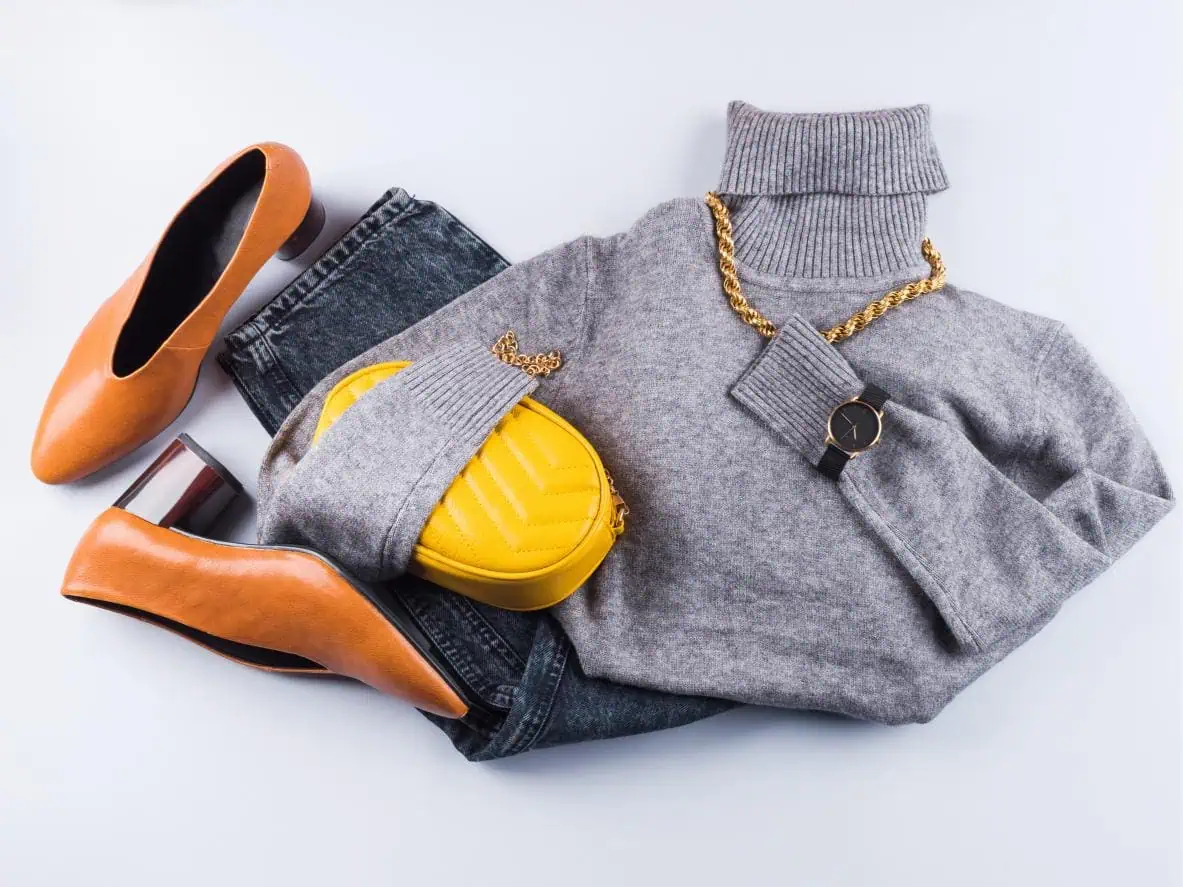
Perfect coordination was once seen as polished, but today it often reads as stiff or dated. Stylists prefer contrast: casual with refined, soft with structured. After 50, over matching signals caution rather than confidence. Letting pieces interact naturally creates ease and modernity. This rule limits creativity and personality. Releasing it allows outfits to feel lived-in, relaxed, and authentic qualities that read as stylish at any age.
8. “Age Appropriate Means Playing It Safe”

This rule is vague and deeply limiting. Stylists avoid the phrase “age-appropriate” altogether because it often translates to dull, muted, and forgettable. After 50, style should be life-appropriate. Safe outfits rarely inspire confidence. Interesting outfits those with texture, contrast, or personality do. Letting go of this rule replaces fear with intention. Style becomes expressive rather than defensive.
9. “Statement Pieces Are Too Much”
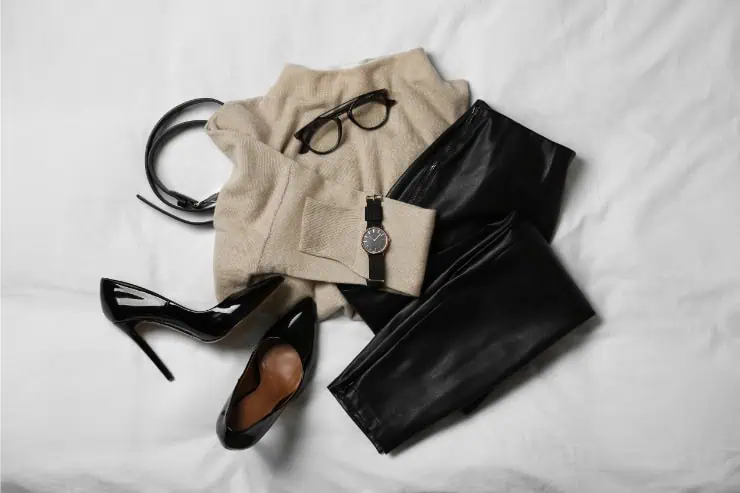
Many women believe bold accessories or standout garments draw unwanted attention. Stylists see the opposite. After 50, a strong focal point often elevates an outfit dramatically. Statement pieces create hierarchy and confidence when used intentionally. The key is restraint, not avoidance. Letting go of this rule allows outfits to feel purposeful and memorable rather than cautious.
10. “Approval Matters More Than Alignment”

The final rule to release is dressing for approval. Stylists can spot approval-seeking instantly it shows in hesitation and over-safety. After 50, alignment matters far more. Clothes should reflect who you are now, not who you’re trying to please. When outfits align with personality, lifestyle, and self-image, they automatically look better. Letting go of this rule is often the most transformative style shift of all.