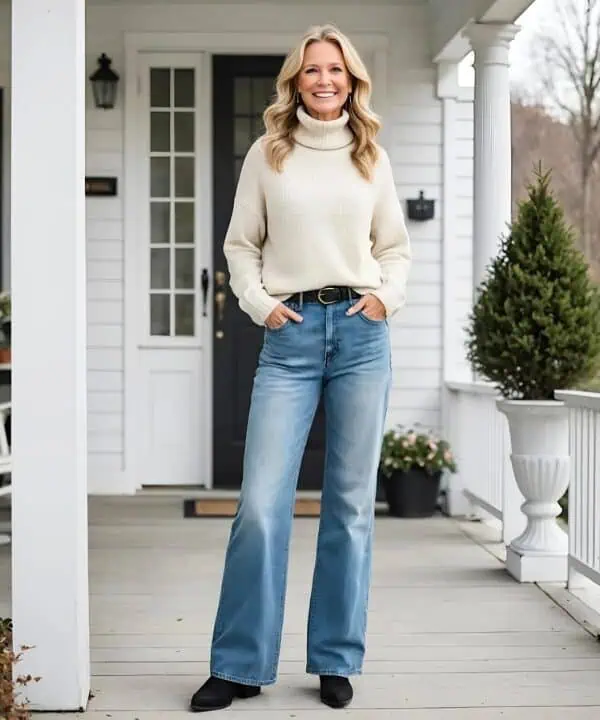
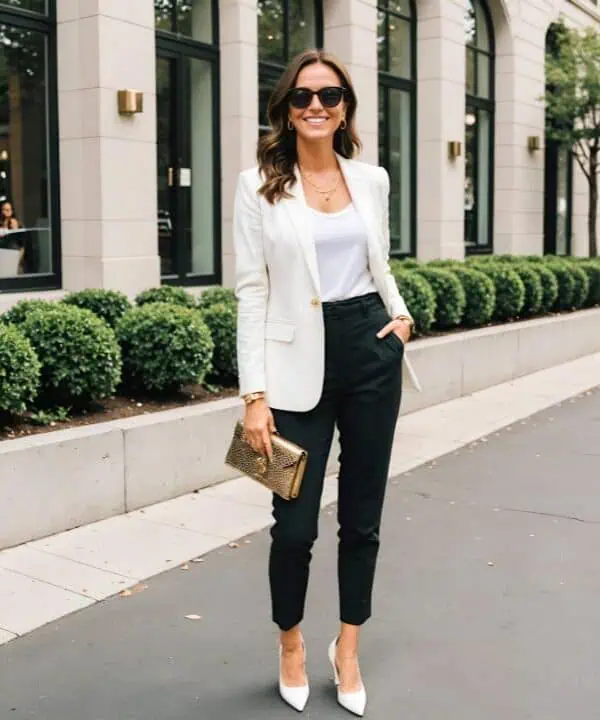
When women say their clothes feel “dated,” they often assume the problem is the garment itself. In reality, it’s rarely about owning the wrong clothes. It’s about the details that frame those clothes and push them into the past. Stylists are trained to spot these details immediately because they’re the fastest visual shortcuts the eye uses to read age, relevance, and intention. Hem lengths, finishes, proportions, and styling habits can instantly override good fabric, tailoring, or fit. The good news is that these details are also the easiest to change. You don’t need a new wardrobe to look current. You need awareness. Below are ten outfit details that make clothes look old instantly, even when the pieces themselves are classic.
Table of Contents
1. Outdated Hem Lengths
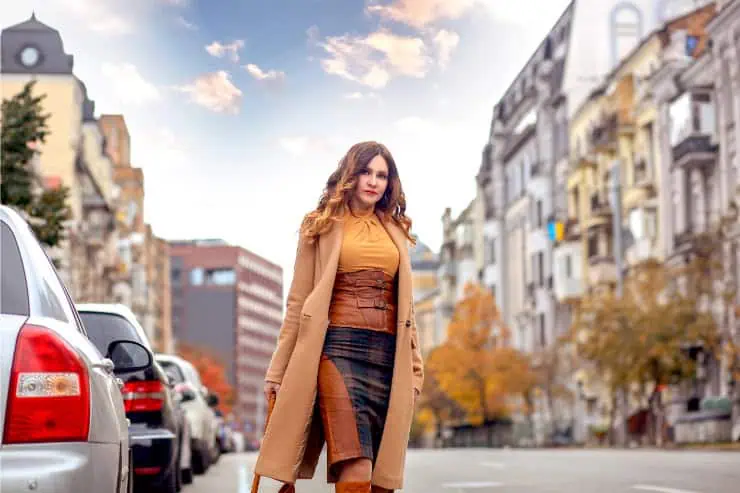
Hem length is one of the strongest time markers in clothing. Pants that stop at an awkward mid-calf, skirts frozen at an old “safe” knee length, or jackets that hit at dated hip points can instantly timestamp an outfit. Even beautiful garments lose relevance when the hem reflects an older era’s rules. Stylists often adjust hems before anything else because a half-inch can completely change how modern a piece feels. Current styling favors intentional length either clearly cropped, cleanly full-length, or deliberately midi. When hems sit in no-man’s-land, they make clothes look hesitant and old-fashioned rather than confident.
2. Excessively Perfect Matching
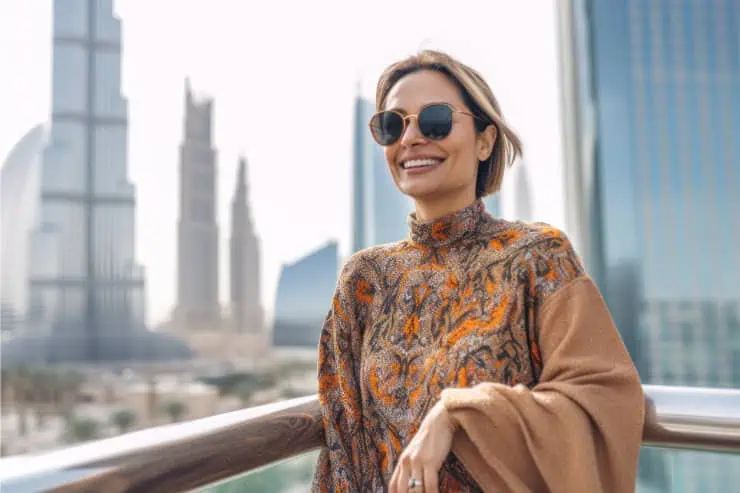
Perfectly matched shoes, bags, belts, and tops signal a level of coordination that once read polished but now reads dated. When everything matches exactly, the outfit feels controlled and predictable. Modern style relies on cohesion rather than coordination. Mixing tones, textures, and finishes creates depth and ease. Stylists note that outfits look younger when they appear assembled intuitively rather than planned precisely. Overmatching removes personality and spontaneity, making even expensive clothes feel old.
3. Heavy, Overly Practical Shoes
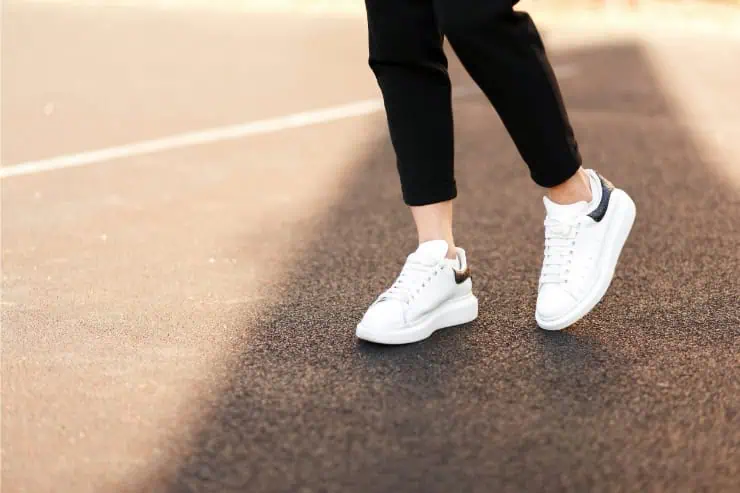
Shoes anchor an outfit visually. When footwear looks bulky, orthopedic, or purely functional, it pulls the entire look backward. Thick soles, stiff leather, and overly padded designs can age even the most current clothes. Stylists often say that shoes are the first thing they change when modernizing a client’s look. Lighter profiles, sleeker shapes, and cleaner lines instantly update proportions. Comfort matters, but modern comfort doesn’t have to look medical or dated.
4. Stiff, Over Pressed Fabrics
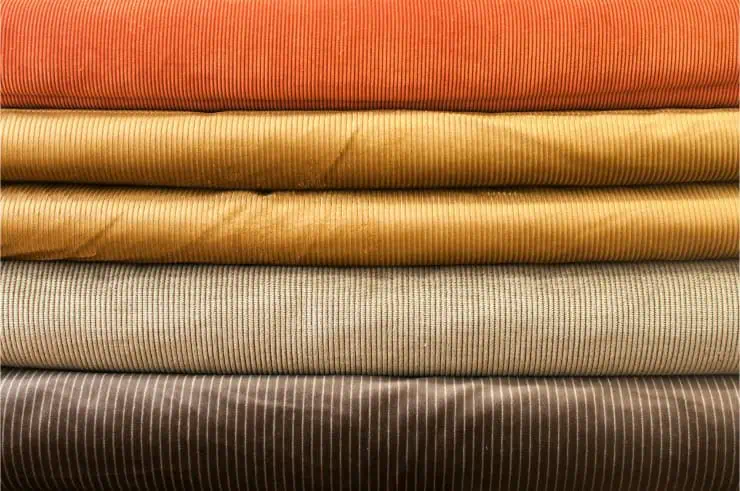
Overly crisp fabrics that hold sharp creases can make clothes feel formal and old-fashioned. In 2026, modern dressing favors movement, softness, and lived-in texture. When garments look too pressed or rigid, they feel disconnected from contemporary life. Stylists often encourage clients to embrace fabrics with natural drape or gentle structure. Ease reads younger than stiffness. Clothes should move with the body, not sit on it like armor.
5. Dated Color Combinations
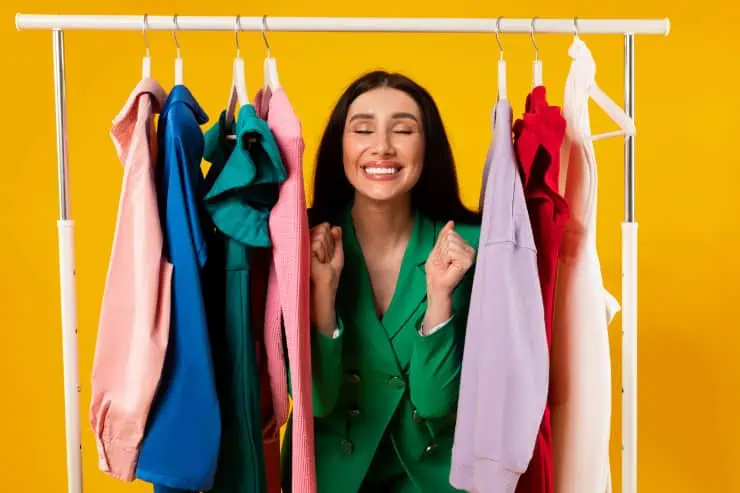
Color alone doesn’t age an outfit, but certain combinations do. Washed-out pastels paired together, muddy neutrals stacked head to toe, or predictable pairings like beige-on-beige can drain energy from a look. Stylists focus on contrast and clarity rather than trends. Introducing a sharper neutral, cleaner white, or richer tone near the face can transform an outfit instantly. When colors feel flat or tired, the entire look follows.
6. Too Much Volume Everywhere
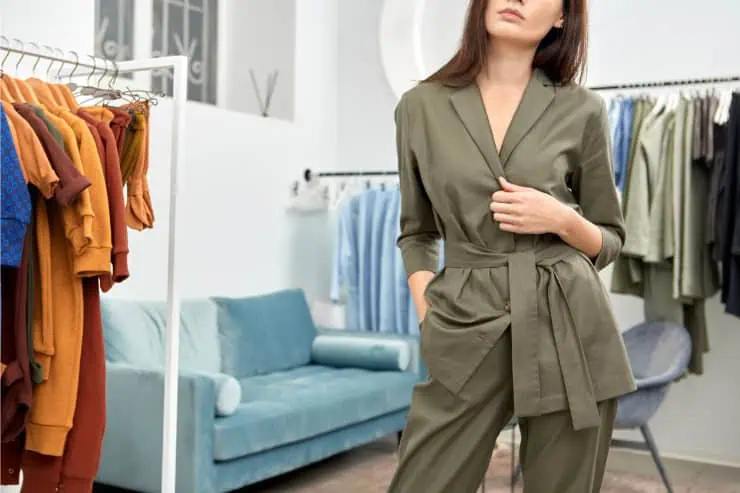
Volume is modern when it’s intentional. When everything is loose top, bottom, and outer layer the outfit collapses visually. This creates a shapeless silhouette that reads tired rather than relaxed. Stylists emphasize balance: volume paired with structure, softness paired with definition. Without contrast, even high-quality clothes lose impact. Excess fabric without intention often makes outfits look old rather than comfortable.
7. Overly Conservative Necklines
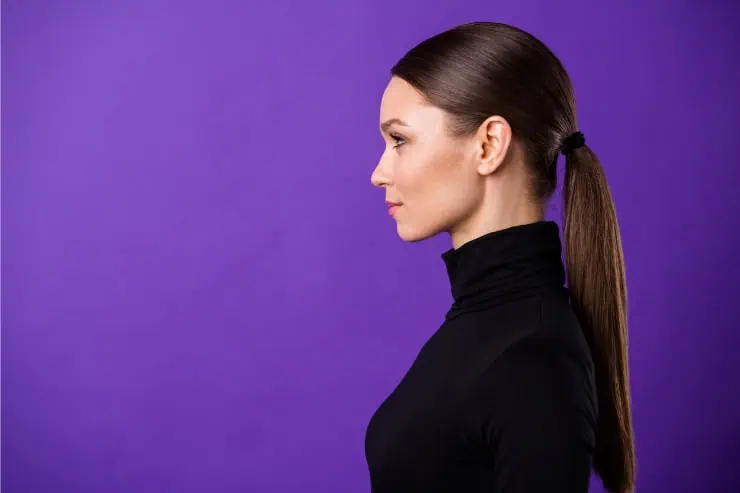
High, tight, or overly modest necklines can add years instantly. Crew necks that sit too high, buttoned collars worn rigidly, or layered scarves used purely to cover can harden the face. Stylists often adjust necklines first because they frame the face directly. Slight openness whether through a V, scoop, or relaxed collar introduces light and softness. This small detail can dramatically modernize a look.
8. Dated Accessories and Finishes
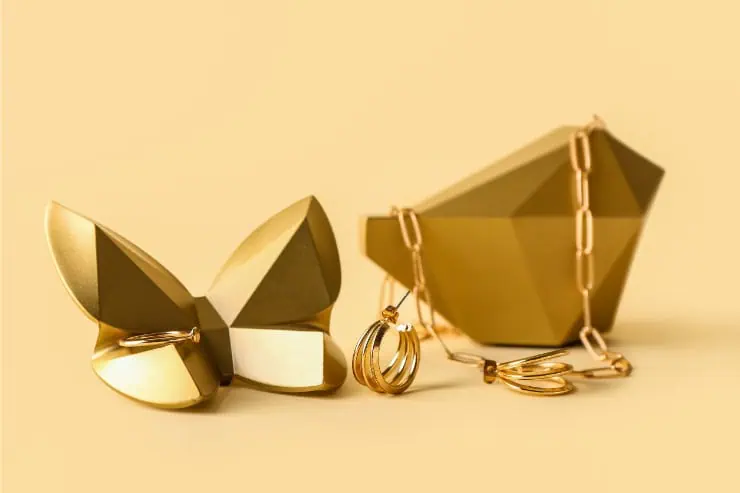
Accessories age faster than clothing. Chunky statement necklaces from past decades, overly shiny metals, or visibly worn finishes can timestamp an outfit immediately. Stylists recommend editing accessories regularly, even if the wardrobe remains largely the same. Clean, restrained accessories with modern proportions refresh outfits without effort. When accessories feel stuck in the past, they drag everything else with them.
9. Ignoring Proportion Between Pieces
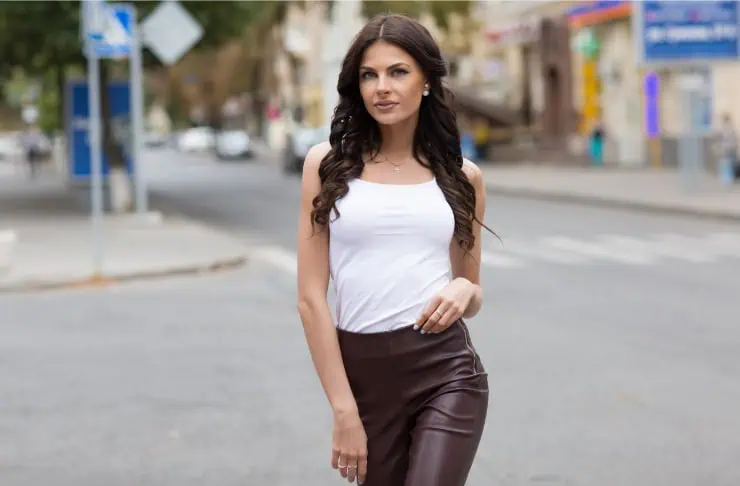
Even current clothes can look old if combined without proportional awareness. Long tops with long pants, cropped jackets with cropped trousers, or bulky layers stacked together disrupt visual balance. Stylists constantly adjust proportion to modernize looks. The eye reads balance before detail. When proportions feel off, the outfit feels outdated regardless of quality or fit.
10. Playing It Too Safe Overall
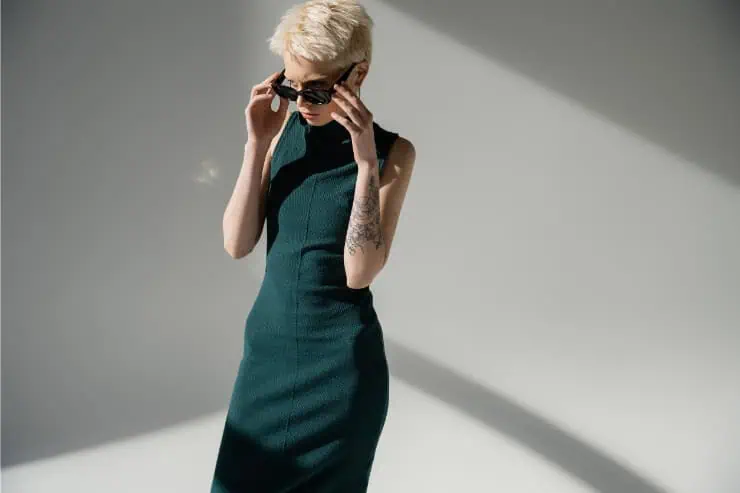
Perhaps the most aging detail of all is hesitation. Outfits that feel overly cautious, overly practical, or designed to avoid notice often read older than the wearer. Style vitality comes from intention, not risk-taking. When a woman dresses with clarity and self-trust, her clothes feel current regardless of age. Playing it too safe removes energy and energy is what keeps clothes looking modern.