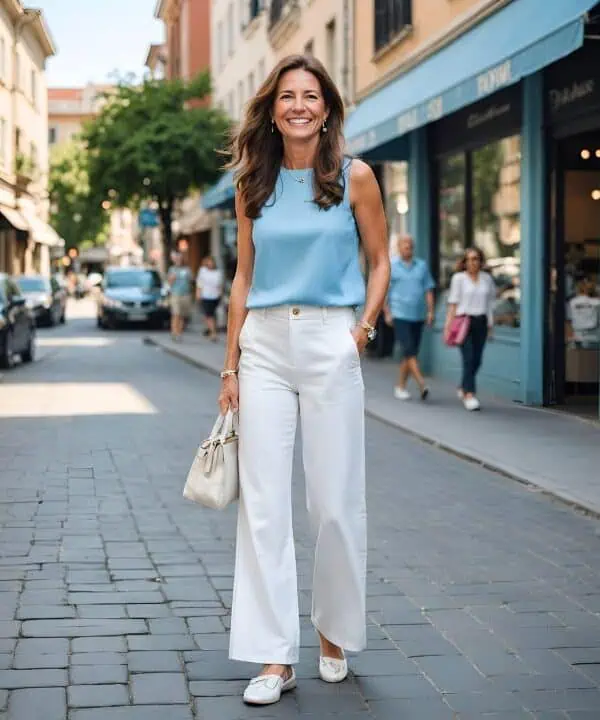
Belts are one of the most powerful accessories in a wardrobe. They can cinch the waist, add polish, and pull an outfit together. But when worn the wrong way, belts can also unintentionally highlight areas many women prefer to downplay, or make an outfit look dated. For women over 50, it’s especially important to choose the right width, style, and placement to create balance rather than bulk. The goal isn’t to avoid belts altogether but to wear them strategically. Here are eight common belt mistakes that can age women and tips for wearing them in the most flattering way.
Table of Contents
1. Belts That Are Too Wide
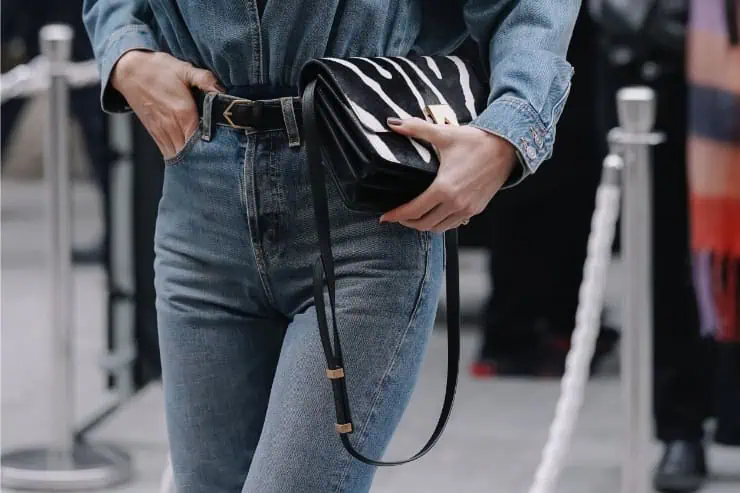
Extremely wide belts often overpower the torso, creating a blocky appearance that can make you look shorter or broader than you are. They may have been trendy decades ago, but now they often feel outdated. A better choice is a medium-width belt, which defines the waist without overwhelming it. For petites, slim belts are especially flattering because they maintain proportion. Wide belts can still work if balanced with structured outfits, but for everyday wear, slimmer and moderate widths look polished, subtle, and modern without drawing unnecessary attention.
2. Belting at the Wrong Spot
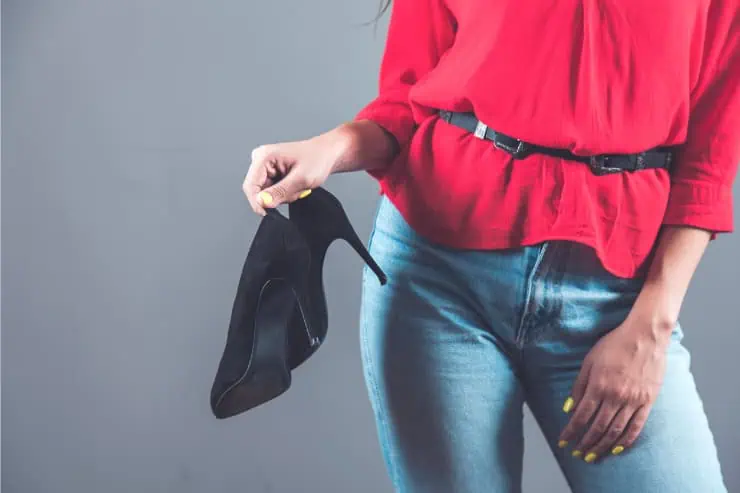
Wearing a belt too low on the hips can shorten the legs and emphasize the midsection, often adding years to your look. Similarly, belts placed too high can distort natural proportions. The most flattering placement for most women is at the natural waist, just above the navel. This highlights curves, elongates the legs, and balances proportions. If your dress or tunic is loose, cinching it at the natural waist adds instant shape. Correct belt placement can turn an unstructured outfit into a chic, flattering ensemble that looks intentional and age-defying.
3. Overly Decorative Belts
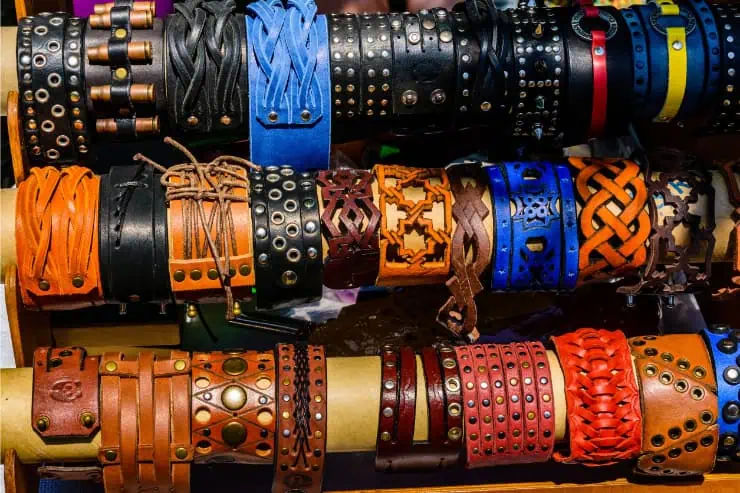
Belts with oversized buckles, excessive studs, or flashy embellishments can make outfits feel dated or costume-like. While statement pieces have their place, too much decoration often detracts from elegance. Instead, opt for belts with clean lines and subtle details, such as polished hardware or minimal textures. A sleek leather belt or a belt with a small metallic buckle looks timeless and chic. This doesn’t mean you can’t wear decorative belts just keep them minimal and let the rest of your outfit shine. Elegance often lies in simplicity.
4. Belts That Are Too Tight
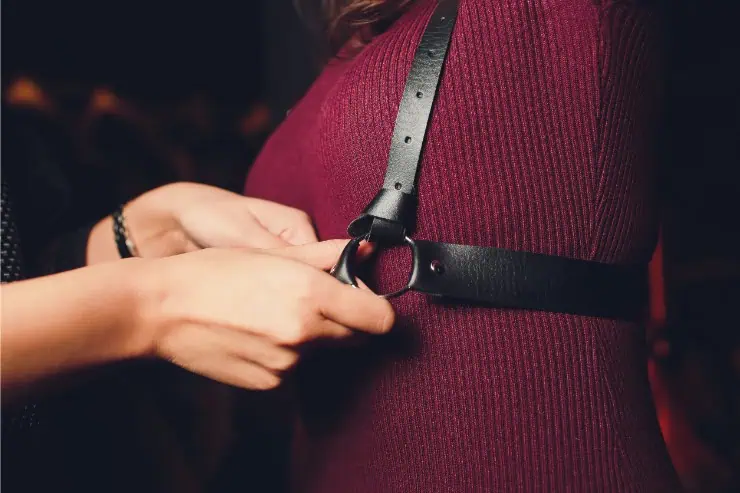
Over-cinching a belt to create an exaggerated waistline often leads to discomfort and unflattering bulges. Not only does this draw attention to the midsection, but it can also make an outfit look forced instead of effortless. A belt should gently define your shape, not squeeze it. Choose flexible materials like elastic or soft leather that allow movement while maintaining structure. A slightly looser fit gives your silhouette polish without emphasizing areas you’d rather minimize. Comfort combined with structure always reads more stylish than over-tightened accessories.
5. Pairing Bulky Belts with Heavy Fabrics
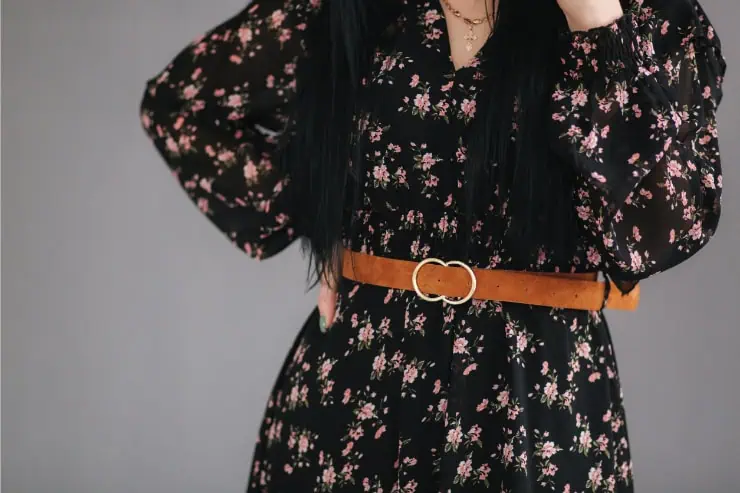
Wearing a thick belt over chunky sweaters or heavy coats can add unnecessary volume, making the outfit appear bulky and dated. Instead, pair slimmer belts with thick fabrics to create definition without overwhelming the frame. For coats or outerwear, belts integrated into the design such as fabric ties tend to flatter better. If you want to add a leather belt to a layered outfit, choose one that is sleek and structured rather than thick and rigid. Proportional choices ensure belts enhance your look instead of adding bulk.
6. Using Belts on Clothes That Don’t Need Them
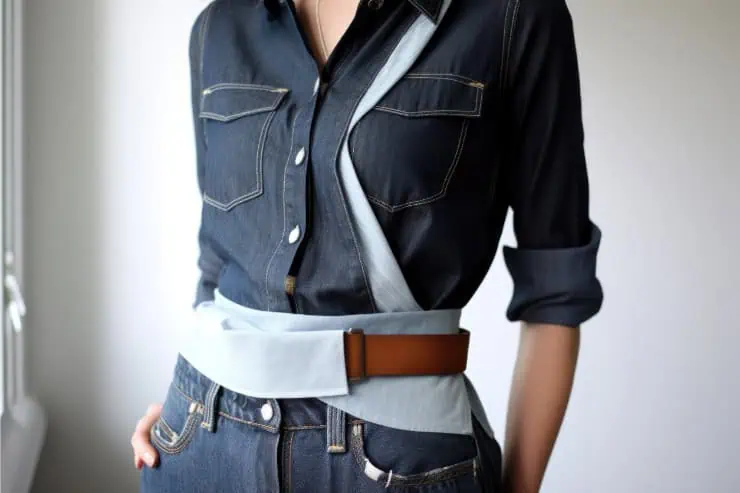
Adding a belt to every outfit can feel forced and sometimes creates an outdated effect. Not all dresses, tops, or jackets need a belt sometimes structure is already built into the garment. If the outfit naturally flatters your figure, skip the belt and let the silhouette shine. Belts work best when they enhance, not compete, with the clothing’s natural design. The key is knowing when to use them: to add shape to loose garments, break up monochrome outfits, or subtly define the waistline. Avoid belting unnecessarily, and your style will feel fresher and more intentional.
7. Mismatched Belt and Outfit Styles
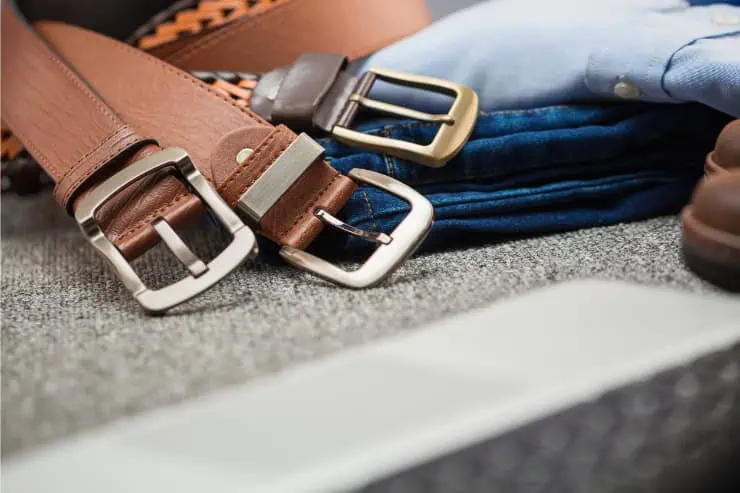
A casual woven belt worn with a formal dress or a sleek leather belt paired with loungewear can make the outfit look awkward and disconnected. Matching your belt to the formality and tone of your clothing is crucial. For casual outfits, fabric or braided belts feel appropriate, while structured leather belts work better with tailored pieces. Neutral tones often pair effortlessly with most wardrobes, while occasional pops of color can modernize an outfit. Alignment in style keeps your look cohesive and avoids the aged appearance of mismatched accessories.
8. Neglecting Color Coordination
Wearing belts in colors that clash with the rest of the outfit can make an ensemble look less sophisticated. Bright, contrasting belts that cut the body in half often disrupt the natural flow of clothing. Instead, choose belts in colors that complement or blend with your outfit. Neutral shades like black, tan, navy, and cream are timeless and versatile. For a modern update, consider tone-on-tone styling, where your belt matches your pants or dress. This creates a seamless look that elongates the frame while keeping your style refined and age-appropriate.