The 1990s shaped an entire generation’s approach to makeup. Many techniques that once felt polished, grown-up, or “correct” were passed down through magazines, counters, and well meaning advice. The problem is that makeup has evolved dramatically since then. Skin textures, formulas, tools, and overall aesthetics have shifted toward flexibility, softness, and realism. When old habits stick around, they don’t just date your makeup they change how your face reads today. Modern makeup isn’t about doing less; it’s about doing things differently. If your routine hasn’t been updated in years, these once-standard habits may be quietly working against you.
Table of Contents
1) Wearing Full Coverage Matte Foundation Everywhere
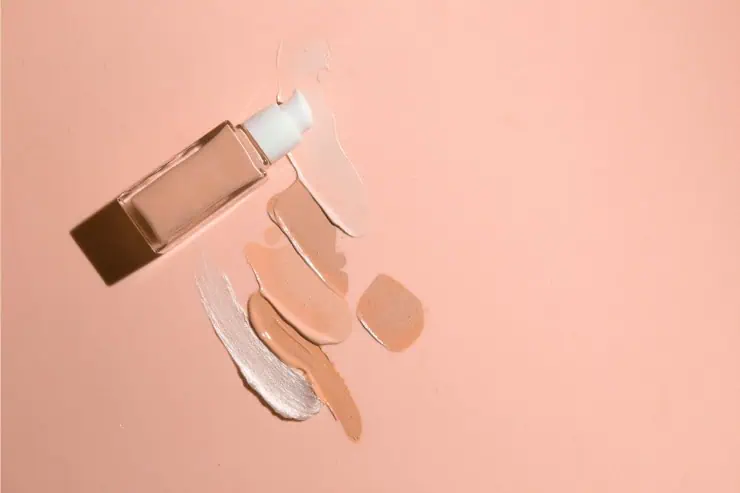
In the 90s, a flawless matte base was considered the ultimate goal. Foundation was applied evenly across the entire face to create a uniform canvas and eliminate shine. Today, this approach often looks thick, flat, and mask-like. Heavy matte formulas settle into fine lines, emphasize dryness, and remove the natural variation that makes skin look healthy. When the entire face is covered the same way, dimension disappears and features can look less defined rather than more polished. Modern makeup focuses on selective coverage, allowing natural skin to show through where possible.
2) Using Concealer That’s Much Lighter Than Your Skin Tone
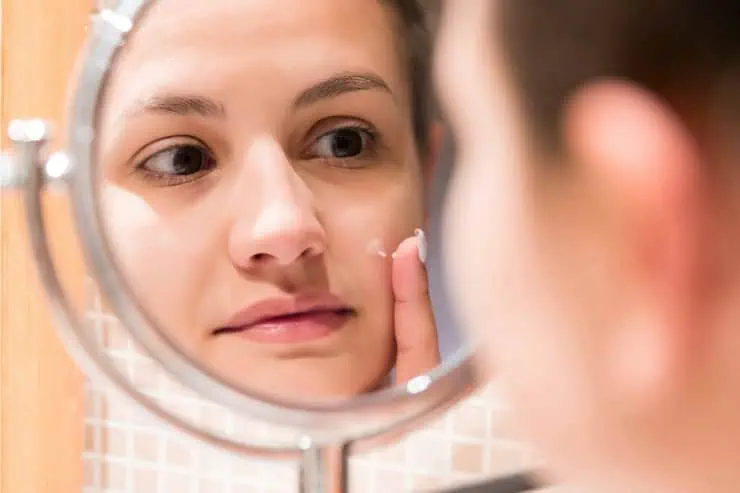
The idea that lighter concealer automatically brightens the under-eye area became deeply ingrained in the 90s. In reality, overly light concealer can draw attention to darkness rather than disguising it. The contrast creates a gray or ashy cast and highlights fine lines and creasing. This technique often makes under-eyes look chalky and disconnected from the rest of the face. Modern makeup prioritizes blending and color correction over contrast. Concealer that matches your skin tone creates a smoother transition and a more rested appearance. Brightness now comes from seamless application and proper placement, not from dramatically lighter shades that announce themselves.
3) Harsh Lip Liner With Minimal Blending
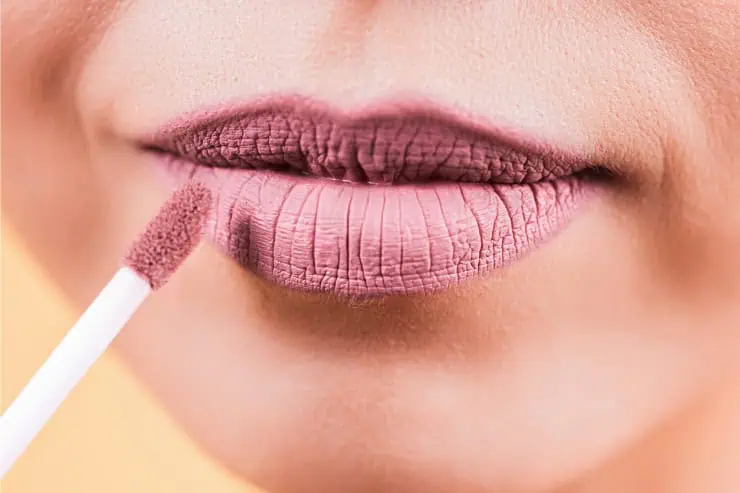
Dark lip liner paired with lighter lipstick became a signature 90s look, but when worn without blending, it now reads as stiff and dated. This sharp outline separates the lips from the rest of the makeup and can make them appear smaller and thinner. As lips naturally lose volume over time, harsh liner exaggerates that effect. Modern lip techniques focus on softness and dimension, allowing liner to subtly enhance shape rather than dominate it. Blending liner into lipstick creates a fuller, more natural look. The goal today is cohesion, not contrast. When lips look integrated rather than outlined, the entire face appears more current.
4) Over Powdering to Remove All Shine
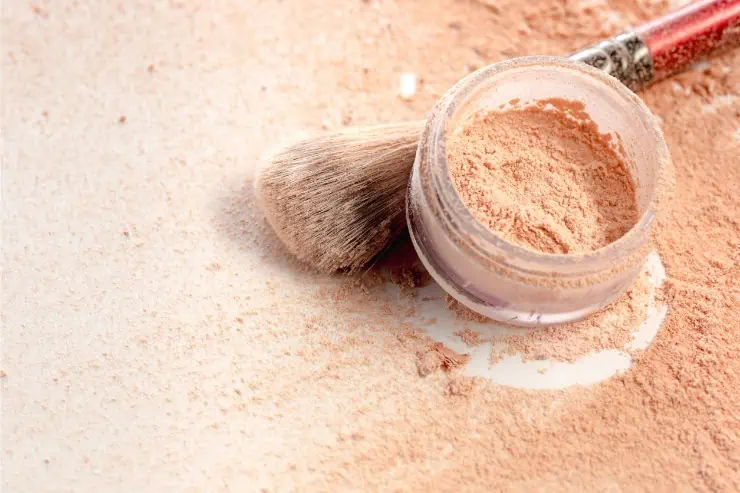
In the 90s, shine was treated as a flaw to be eliminated at all costs. Powder was layered heavily across the face to maintain a completely matte finish. Unfortunately, this often resulted in dull, dry-looking skin that emphasized texture and fine lines. Over-powdering removes natural luminosity, which is essential for a healthy appearance. Today’s makeup techniques use powder selectively, focusing only on areas that truly need oil control. Allowing some natural sheen to remain makes skin look alive rather than flat. Matte skin is no longer the default standard of polish, and excessive powder can instantly age the face.
5) Thin, Over Plucked Brows

Extremely thin brows were once considered elegant and refined, leading many people to over-pluck for years. This habit often resulted in sparse growth that never fully recovered. Thin brows can throw off facial proportions and make features appear harsher or more tired. Brows play a major role in framing the face, and removing too much structure weakens that frame. Modern brow trends emphasize softness, balance, and natural shape rather than minimalism. Even brows that aren’t thick benefit from fuller appearance and gentle definition. Letting brows regain presence instantly modernizes the face and restores visual balance.
6) Heavy Frosted Eyeshadow Applied Across the Lid
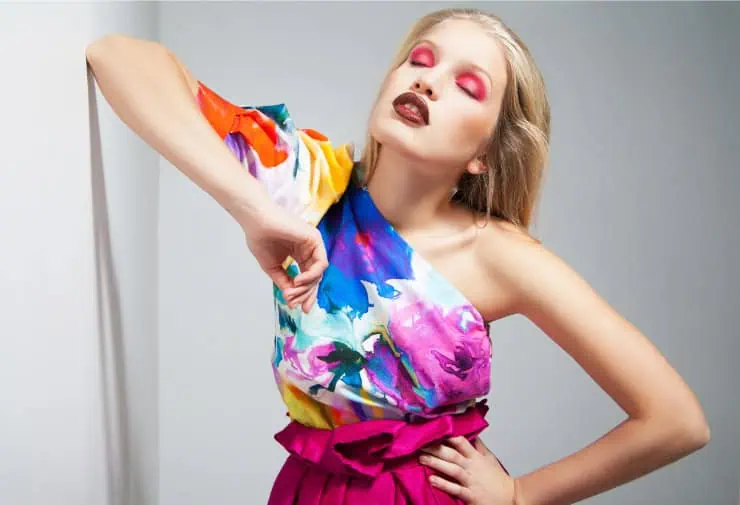
Frosty eyeshadows were extremely popular in the 90s, often applied heavily with little blending. While shimmer hasn’t disappeared, heavy frost can emphasize fine lines and texture around the eyes. These icy finishes reflect light harshly, drawing attention to areas that benefit from softness. Modern eye makeup uses more refined finishes, such as satin or subtle shimmer, placed intentionally to enhance eye shape. Instead of covering the entire lid, shimmer is now used sparingly to add light. This approach creates dimension without overpowering the eye area, resulting in a fresher and more flattering look.
7) Dark Blush Placed Low on the Cheeks
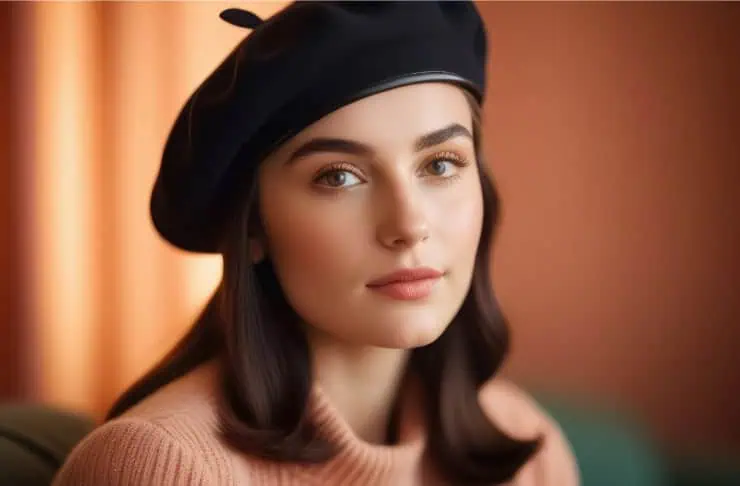
Blush in the 90s was often applied low and far back on the cheeks, sometimes with deep or muddy tones. This placement can visually drag the face downward and create a tired or heavy appearance. Dark blush placed incorrectly can overpower the complexion instead of enhancing it. Modern blush techniques focus on lift and freshness. Placing blush higher on the cheeks and blending upward creates a more youthful effect. Lighter, more natural tones bring life to the face without heaviness. Placement matters just as much as color, and outdated placement can age the face significantly.
8) Black Eyeliner on the Lower Waterline
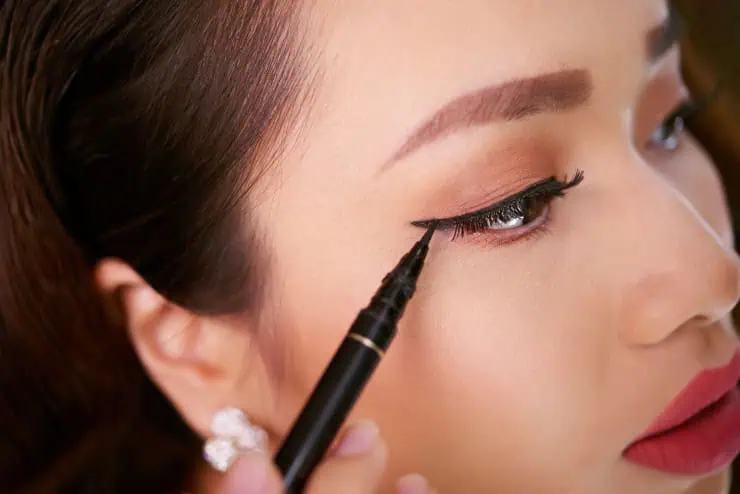
Black eyeliner on the lower waterline was once considered sultry and defining. In reality, it often makes eyes appear smaller and more closed off. This technique can emphasize redness, under-eye darkness, and fine lines. As eyes change with age, heavy lower liner can make them look tired rather than dramatic. Modern eye makeup favors openness and light. Softer colors or skipping the waterline altogether allows eyes to appear larger and brighter. Removing heavy lower liner is one of the fastest ways to refresh the face and bring it into the present.
9) Avoiding Bronzer or Using It Too Heavily
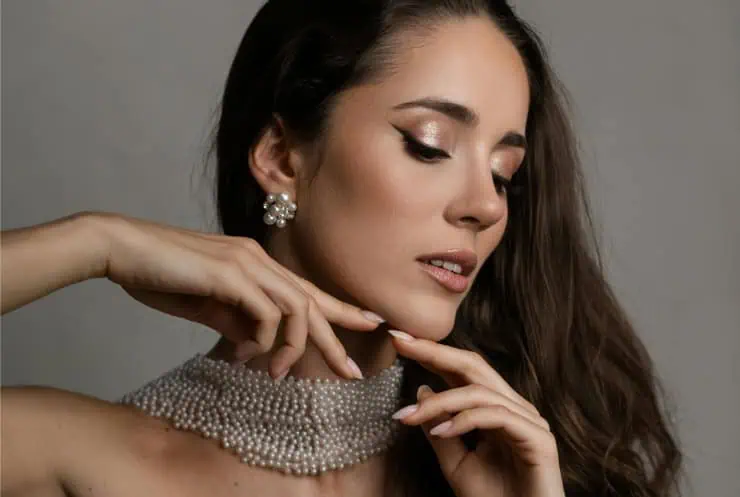
Bronzer use in the 90s tended to fall into extremes. Some people skipped it entirely, while others applied it heavily without blending. Avoiding bronzer can leave the face looking flat and pale, while overuse can make skin appear muddy or overly warm. Modern bronzer techniques focus on subtle warmth and dimension. Applied lightly where the sun naturally hits, bronzer adds life without overwhelming the complexion. Blending is essential. When bronzer is used thoughtfully, it enhances skin tone rather than masking it.
10) Treating Makeup as a Fixed, Unchanging Routine
Perhaps the most outdated habit of all is treating makeup as a rigid routine that never evolves. Many people continue using the same steps, products, and placement they learned decades ago, regardless of changes in skin, lifestyle, or personal style. This rigidity is what makes makeup feel dated. Modern makeup is flexible and adaptive. It responds to skin texture, age, lighting, and context. Letting go of fixed rules allows makeup to enhance rather than restrict. Updating technique doesn’t require buying everything new it requires rethinking how and why you apply it.