Boredom is one of the most powerful forces behind unused wardrobes. When you’re uninspired, scrolling, or craving novelty, shopping can feel like a quick fix. The problem is that boredom purchases are usually driven by mood, not lifestyle. They promise transformation, excitement, or a fantasy version of yourself not everyday wearability. These items often look great online or on a hanger, but once they’re home, they don’t integrate into real life. Over time, they become visual clutter that makes getting dressed harder, not easier. Recognizing boredom-buy patterns is the first step to building a wardrobe that actually gets worn. Here are eight items people most commonly buy out of boredom and quietly stop reaching for.
Table of Contents
1) Statement Tops That Don’t Match Anything You Own
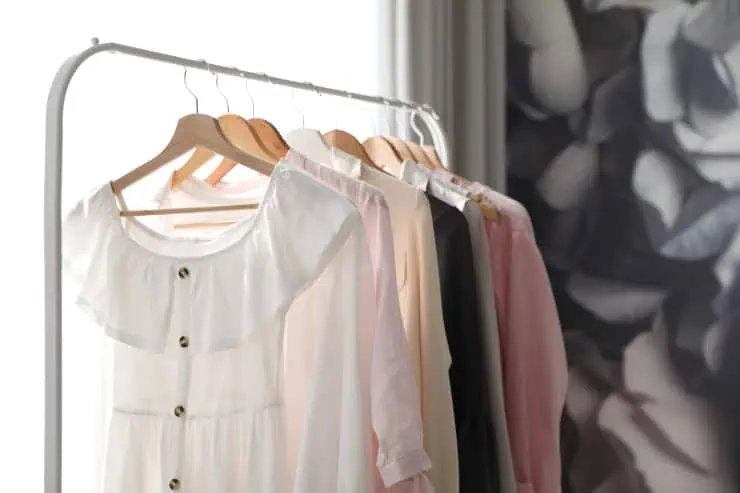
Statement tops are designed to stand out, which is exactly why they attract bored shoppers. Bold sleeves, dramatic cutouts, unusual fabrics, or trendy details feel exciting in the moment. The issue appears later, when you realize the top only works with one very specific bottom or nothing at all. These pieces often demand neutral, simple companions that you may not have. As a result, they sit unworn while you default back to easier options. Without multiple styling paths, statement tops become novelty items rather than wardrobe staples. Boredom buys often prioritize uniqueness over versatility, which is why they rarely earn repeat wear.
2) Shoes That Are Impractical for Your Actual Life
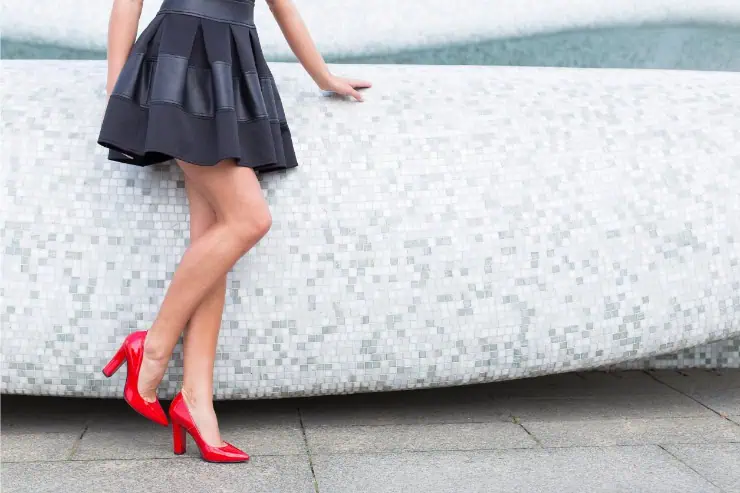
When boredom strikes, it’s easy to romanticize shoes that don’t align with your daily routine. Sky-high heels, ultra-delicate sandals, or dramatic boots feel aspirational but rarely make it out the door. These shoes often require specific outfits, weather conditions, or events that don’t occur often enough. Once the novelty wears off, practicality wins. Uncomfortable or high-maintenance footwear quickly becomes an obstacle rather than an asset. Over time, these shoes gather dust while you reach for reliable pairs. Boredom buys tend to ignore lifestyle realities, which is why these shoes rarely feel worth the effort.
3) Trend Pieces That Peak on Social Media
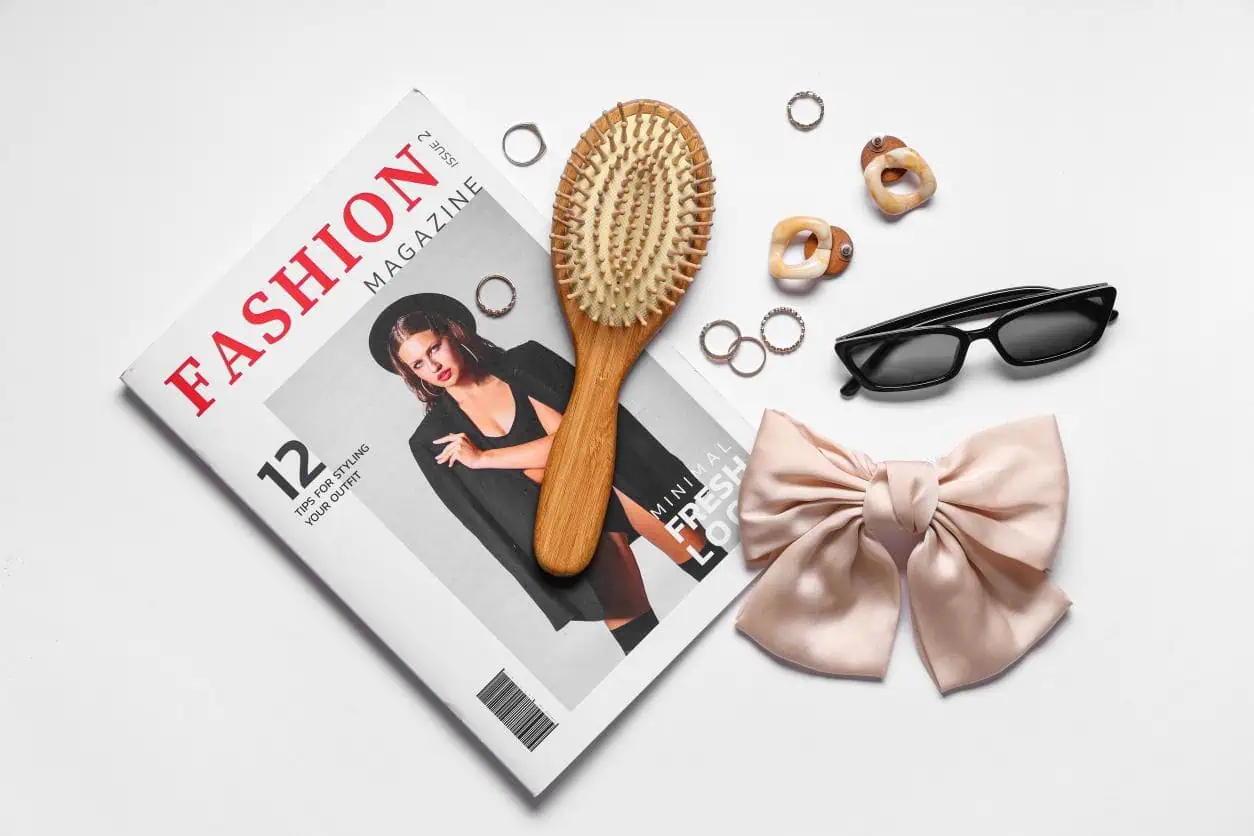
Trends move quickly, and boredom shopping often targets what’s visually exciting online. Micro trends, viral silhouettes, or niche aesthetics feel fresh when you see them repeatedly on your screen. The problem is that these pieces are designed for impact, not longevity. Once the trend cycle moves on, the item feels awkward or dated. You may hesitate to wear it because it no longer feels current or relevant. Trend-heavy boredom buys rarely integrate smoothly into a personal style, making them short-lived additions to the closet.
4) Clothes That Require a Specific Occasion

Boredom purchases often live in the “someday” category. These are the outfits you imagine wearing to hypothetical dinners, vacations, or events that never quite happen. While it’s fun to buy for a fantasy version of your life, most wardrobes are built on repetition and routine. Clothes that require a special setting or mood end up unused because everyday life doesn’t provide the right moment. When an item can’t be worn casually or adapted, it becomes a waiting game and waiting usually turns into forgetting.
5) Uncomfortable Fabrics That Look Better Than They Feel
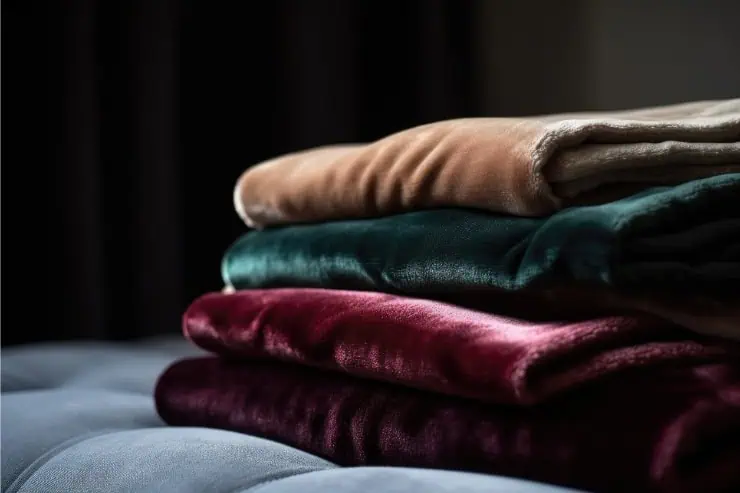
When you’re bored, aesthetics can override comfort. Shiny synthetics, stiff materials, or scratchy fabrics might look striking but feel unpleasant to wear. These items often get worn once, if at all, before being quietly retired. Comfort plays a major role in repeat wear, and boredom buys often ignore this reality. If something restricts movement, irritates the skin, or feels awkward, it won’t compete with comfortable favorites. Over time, these pieces remain untouched, even if they still look visually appealing.
6) Overly Niche Pieces You Can’t Style Casually
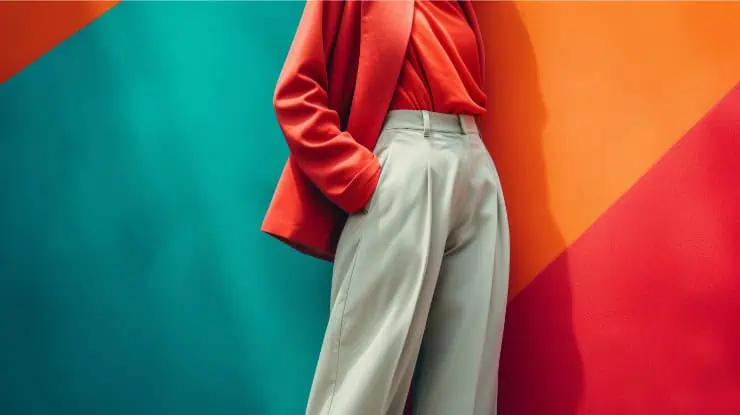
Niche items like ultra-feminine, ultra-edgy, or costume-adjacent clothing often appeal during moments of boredom. They feel expressive and different from your usual choices. The issue is versatility. These pieces often require full commitment to a look, which can feel exhausting for everyday wear. If an item can’t be dressed down or blended with basics, it becomes situational. Boredom shopping favors novelty over usability, which is why these pieces rarely become part of a regular rotation.
7) “Sale Finds” You Bought Just Because They Were Cheap
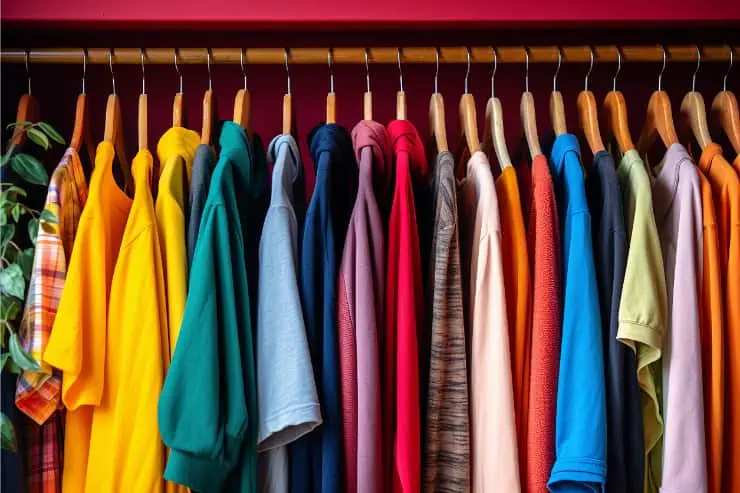
A good discount can trigger boredom shopping just as easily as trend fatigue. Buying something solely because it’s on sale often leads to regret. These items may not fit well, suit your style, or serve a real purpose. They felt like a win at checkout, but quickly lose appeal at home. Sale-driven boredom buys often skip the question of need. Without a clear role in your wardrobe, these pieces become clutter rather than value.
8) Accessories That Feel Fun but Don’t Feel Like You
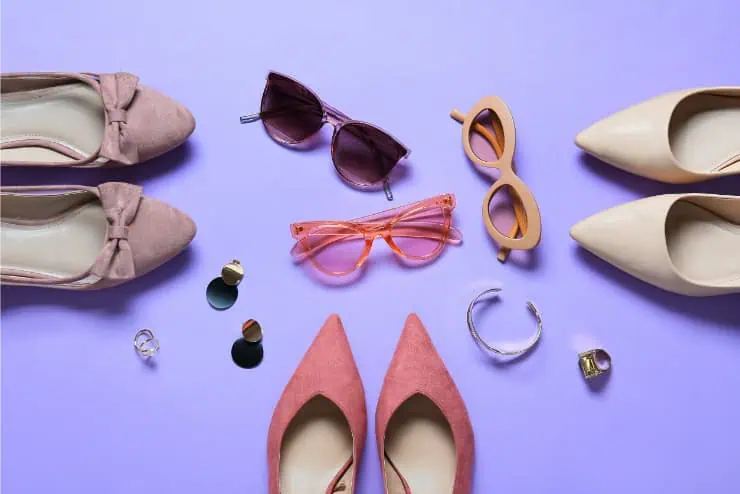
Accessories are a common boredom buy because they feel low risk. Bright bags, novelty jewelry, or dramatic belts can seem like an easy way to refresh a look. The problem arises when the accessory doesn’t align with your personal style. If it feels like a costume or requires confidence you don’t always have, it stays unused. Accessories should enhance your outfits, not intimidate you. Boredom buys often prioritize excitement over authenticity, which is why these pieces rarely leave the drawer.