As life gets busier and priorities shift, it’s natural to look for shortcuts when getting dressed. Many women over 60 have earned the right to value comfort, ease, and efficiency but not all shortcuts age well. Some simplify dressing temporarily while quietly shrinking style options, confidence, and versatility in the long run. These habits often begin with good intentions: saving time, avoiding trends, or playing it safe. Years later, they can leave a wardrobe feeling stagnant, overly restrictive, or disconnected from personal identity. Regret doesn’t come from aging it comes from realizing that style stopped evolving. These ten styling shortcuts are the ones many women wish they’d questioned sooner.
Table of Contents
1) Defaulting to One “Safe” Color Palette Forever
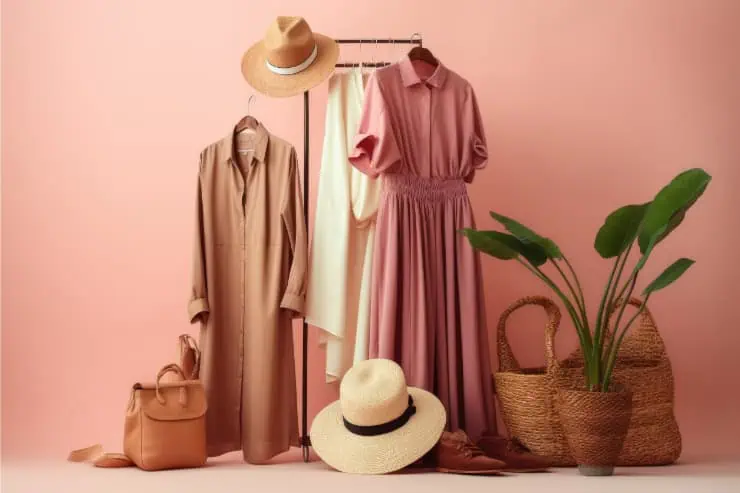
Choosing a small, safe color palette can feel practical, but over time it can become visually limiting. Many women settle into blacks, navies, beiges, and grays because they feel reliable and slimming. Years later, the regret comes when everything in the closet looks interchangeable and uninspiring. Younger generations and modern styling favor nuance, tonal dressing, and subtle variation. Sticking rigidly to the same colors can drain warmth from the face and remove emotional energy from outfits. Color doesn’t have to be bright to be effective. Even muted shades add life. Women often regret not experimenting more when they realize how much color could have softened, lifted, and modernized their look.
2) Prioritizing Comfort Over Fit Entirely

Comfort matters, but abandoning fit altogether is a shortcut that often backfires. Oversized, shapeless clothing may feel easy, but it can erase structure and proportion. Over time, this can affect confidence as much as appearance. Many women later regret assuming comfort and fit were mutually exclusive. Modern clothing offers stretch, softness, and tailoring simultaneously. When fit is ignored, outfits lose intention and polish. Clothes that skim rather than cling or collapse tend to feel both comfortable and flattering. The regret comes from realizing that better options existed ones that respected the body without hiding it.
3) Relying on Tunics to Solve Everything

Tunics became a go-to solution for many women because they felt forgiving and simple. Over time, relying on them exclusively can lock a wardrobe into outdated proportions. Long tops paired with slim bottoms create a visual imbalance that now reads dated rather than classic. Many women later regret not experimenting with shorter lengths or updated layering techniques. Tunics can still work, but when they become the only silhouette, they limit styling flexibility. Fashion evolves through proportion, and refusing to adjust length eventually freezes a look in time.
4) Avoiding Updated Shoes Because of Comfort Fears
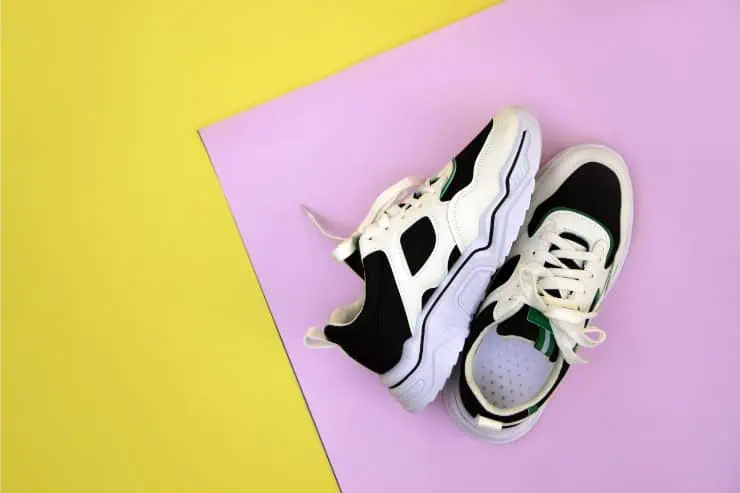
Shoes are often where shortcuts happen fastest. Many women settle on one or two ultra-practical styles and stop looking altogether. Years later, they regret how much outdated footwear undermined otherwise thoughtful outfits. Comfort and modern design are no longer opposites. Updated soles, refined shapes, and supportive construction exist now more than ever. Shoes are one of the most visible style signals, and ignoring them quietly dates the entire look. The regret comes from realizing that better, comfortable options were available they just weren’t explored.
5) Treating “Flattering” Rules as Non Negotiable
Rules about what is “flattering” are often learned early and rarely questioned. Many women regret letting these rules dictate every outfit choice. Over time, rigid rules restrict experimentation and personal expression. What once felt helpful can later feel confining. Bodies change, lifestyles change, and style language changes. Younger generations dress for movement, mood, and individuality rather than illusion. The regret isn’t about breaking rules it’s about realizing the rules were optional all along.
6) Dressing Down to Avoid Standing Out
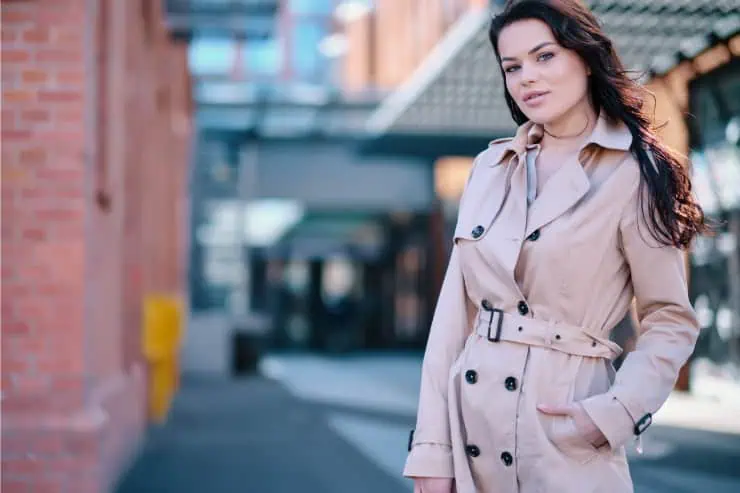
Choosing invisibility can feel protective, especially in environments where attention feels uncomfortable. Many women later regret dressing down simply to avoid being noticed. Over time, this habit can disconnect style from identity. Dressing neutrally doesn’t always mean dressing confidently. Modern style celebrates presence without performance. The regret comes when women realize they muted their personal expression unnecessarily. Standing out doesn’t require loudness it requires intention.
7) Holding Onto Outdated “Investment Pieces”
Keeping expensive items long past their relevance is a common shortcut rooted in guilt. Many women regret letting old investment pieces dominate their wardrobe simply because of what they cost. Over time, these items can anchor outfits in the past. Modern style values relevance and function over price history. Letting go is often emotionally harder than buying new, but the regret comes from realizing how much these pieces limited creative dressing. Style thrives on alignment, not sunk costs.
8) Stopping Experimentation Entirely

At some point, many women stop experimenting out of fear of looking foolish or trying too hard. This shortcut leads to the greatest regret. Style is a form of curiosity, and when curiosity ends, so does growth. Experimentation doesn’t mean chasing trends it means staying engaged. Women often regret not allowing themselves small risks, whether with color, silhouette, or texture. The wardrobe becomes static, and regret follows when they realize experimentation could have been quiet, thoughtful, and deeply satisfying.
9) Letting Grooming Carry the Entire Look
Relying on hair and makeup to do all the work while clothing remains static is another shortcut that often disappoints later. Grooming matters, but it can’t compensate for outdated or disengaged styling. Over time, this imbalance becomes noticeable. Modern style works best when grooming and clothing support each other. Women often regret not evolving both together. The look feels disconnected when one advances and the other stalls.
10) Believing It’s “Too Late” to Update Style

The most regretted shortcut of all is the belief that style has an expiration date. Many women later wish they’d challenged this assumption sooner. Style doesn’t end it evolves. Thinking it’s too late closes the door on curiosity, confidence, and enjoyment. Regret comes not from aging, but from opting out early. Women who stay open to change often report greater satisfaction with their wardrobe and themselves. Style is not about youth it’s about engagement.