After 60, style becomes less about trends and far more about clarity, confidence, and alignment. Stylists don’t think in terms of “age rules,” but they are very aware of how outfits communicate energy, authority, and intention. Many outfits women rely on at this stage feel practical or safe, yet quietly work against proportion and modern presence. These looks aren’t wrong because of age they’re outdated because of imbalance, habit, or overcorrection. Below are eight outfit ideas no stylist would recommend after 60, explained in depth so the reasoning is clear, respectful, and useful.
Table of Contents
1. Head to Toe Shapeless Black
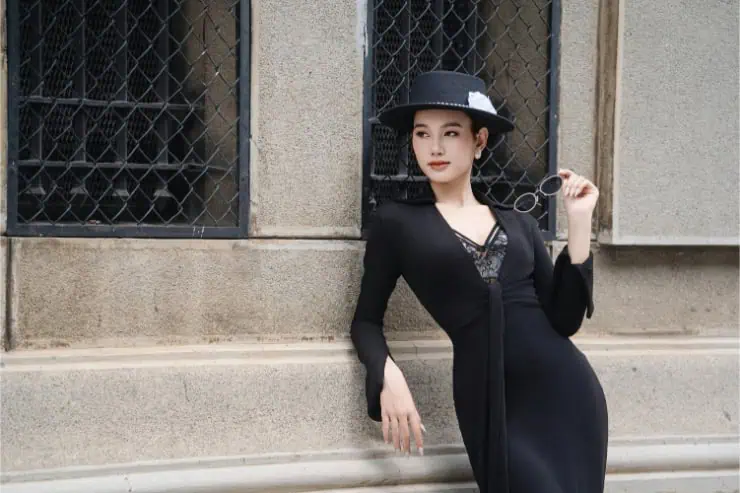
Black is often used as a protective uniform, but wearing it head to toe without structure removes dimension from the body. Stylists notice that matte black absorbs light and erases shape, which can drain vitality from the face and posture. When black pieces are loose, unstructured, and layered together, the result feels heavy rather than elegant. This look often stems from a desire to appear slim or understated, but it usually communicates withdrawal. Black works beautifully when balanced with texture, tailoring, or contrast near the face. Without those elements, the outfit lacks energy and modernity.
2. Oversized Top with Oversized Bottom
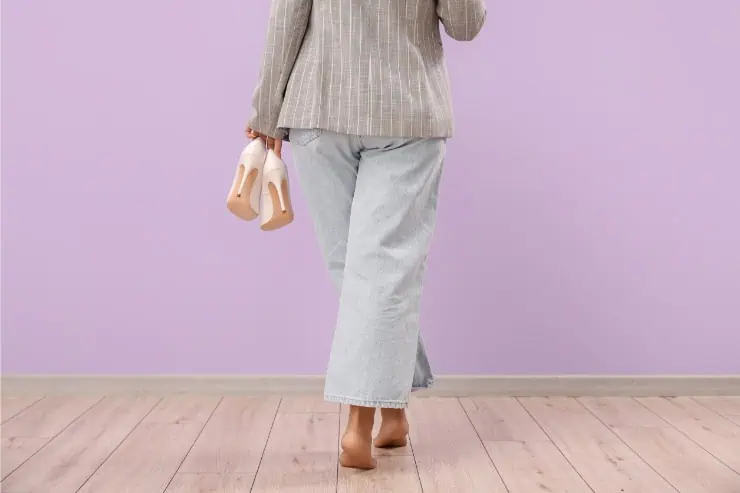
Volume requires contrast. When both the top and bottom are oversized, the body disappears inside the clothing. Stylists consistently look for balance: if one piece is relaxed, the other should offer structure. All-over volume often signals discomfort with visibility rather than intentional style. This outfit idea can feel safe, but it adds visual weight and removes clarity from the silhouette. After 60, proportion matters more than trendiness. Strategic tailoring or pairing oversized pieces with cleaner lines restores confidence and polish instantly.
3. Capri Pants with Athletic Sneakers

This combination is one of the most common outfits stylists discourage. Capri pants interrupt the leg at an awkward point, and athletic sneakers add bulk around the ankle. Together, they shorten the leg line and feel visually dated. While comfortable, this pairing prioritizes function at the expense of proportion. Stylists recommend alternatives that maintain comfort without sacrificing line, such as ankle-length trousers with streamlined trainers or flats. This small adjustment dramatically improves how the body is perceived.
4. Fully Elastic Waist Outfits
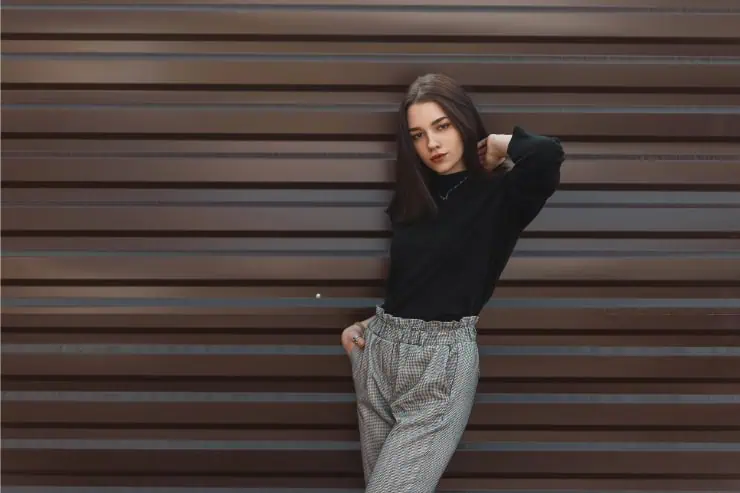
Elastic waistbands offer ease, but when an entire outfit relies on them, structure disappears. Stylists often see women default to elastic waists out of habit, not necessity. Without some form of tailoring, outfits look unfinished and overly casual. After 60, gentle structure enhances presence and confidence. Soft tailoring, partial elastic, or drawstring waists with shape offer comfort without sacrificing polish. Clothes that hold their form communicate intention, even in relaxed settings.
5. Overly Coordinated “Nice” Outfits
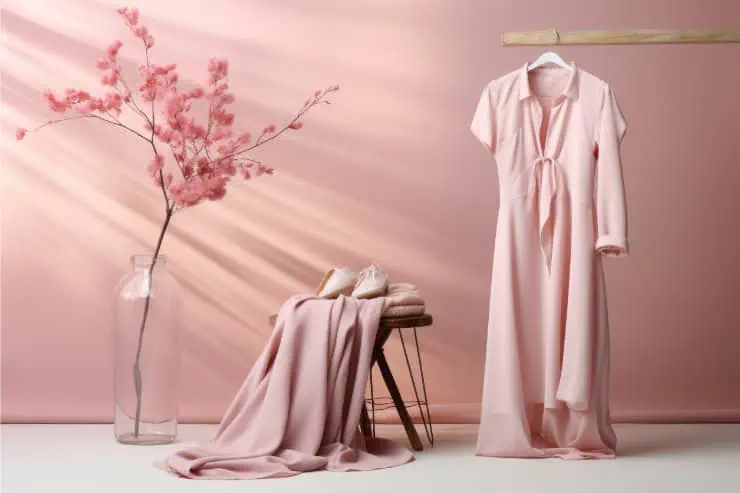
Perfectly matched outfits designed to look appropriate often feel stiff and dated. Stylists refer to these as “polite” outfits safe, correct, and forgettable. Matching jackets, trousers, and tops with identical tones and fabrics remove personality. After 60, confidence reads stronger than correctness. Slight variation in texture, tone, or formality makes an outfit feel lived-in and modern. Too much coordination draws attention to the clothes instead of the woman wearing them.
6. Busy Floral Dresses in Stiff Fabrics
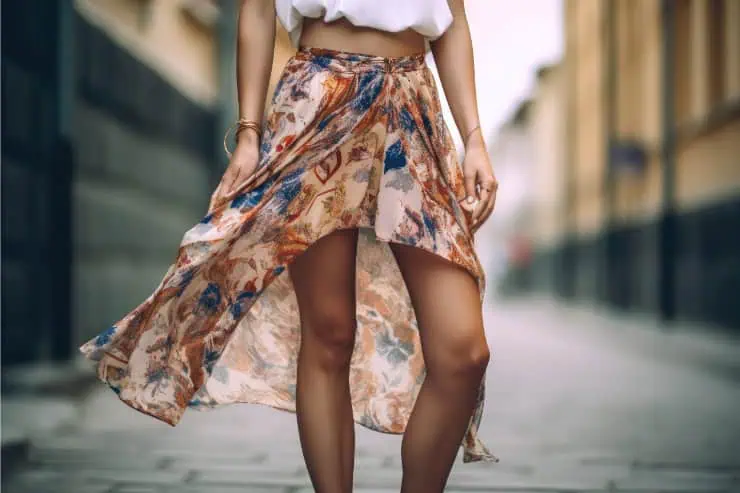
Florals themselves aren’t aging, but many floral dresses favored after 60 rely on outdated prints and rigid materials. Small, busy florals often feel nostalgic rather than fresh. Stylists avoid recommending florals that lack movement or contemporary cuts. After 60, florals should feel intentional larger-scale prints, restrained palettes, and fluid fabrics modernize the look instantly. The goal is elegance, not sentimentality.
7. Heavy Statement Jewelry with Detailed Clothing
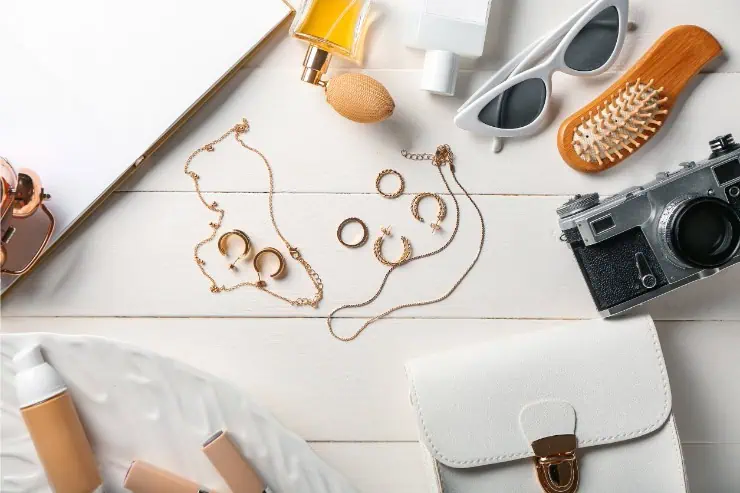
Statement jewelry should lead the outfit, not compete with it. When paired with busy prints, layered textures, or heavy fabrics, bold accessories overwhelm the look. Stylists prioritize hierarchy: one focal point at a time. After 60, clarity reads as sophistication. Choosing either strong jewelry or strong clothing never both keeps outfits refined. Excessive decoration suggests effort rather than ease, which subtly ages the look.
8. Shoes That Look Purely Orthopedic
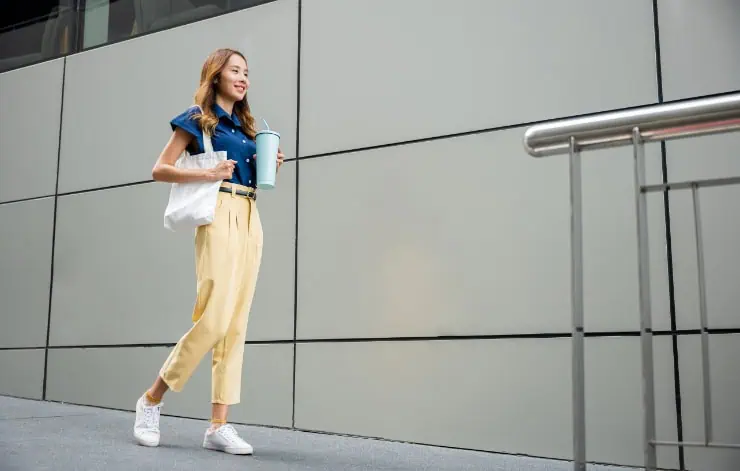
Comfortable shoes are essential, but shoes designed with no aesthetic consideration can undo an entire outfit. Stylists pay close attention to footwear because it anchors proportion and tone. Shoes that look purely functional pull outfits backward visually and emphasize practicality over presence. Fortunately, modern footwear offers support without sacrificing style. Thoughtful shoe choices elevate even the simplest outfits and instantly modernize the overall look.