The button down shirt is one of the most powerful and versatile pieces in any wardrobe, yet it’s also one of the easiest to misstyle. Many people wear button downs the same way they learned decades ago, applying office dress rules to a garment that has evolved far beyond corporate settings. As fashion has shifted toward ease, proportion, and intentional imperfection, rigid button down styling now reads as outdated and overly managerial. Younger generations treat button downs as layering tools, styling anchors, or relaxed statements not uniforms.
Table of Contents
1) The Fit Is Too Precise and Overly Tailored
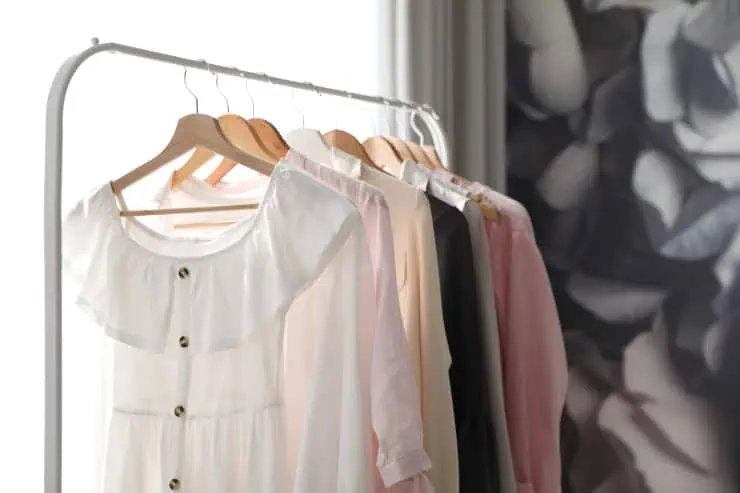
One of the biggest reasons a button down looks corporate is when the fit is too exact. Darted waists, stiff seams, and sharply defined shaping were once signs of professionalism. Today, they read as rigid and dated. Modern button-downs favor ease through the body with room to move. When a shirt hugs too closely or emphasizes structure at every point, it feels controlled rather than confident. Younger styling leans into relaxed tailoring that skims instead of clings. This doesn’t mean oversized or sloppy it means breathable and intentional. Precision tailoring locks the shirt into an office-only role, while relaxed structure allows it to feel modern and chic.
2) Crisp, Stiff Fabric With No Movement
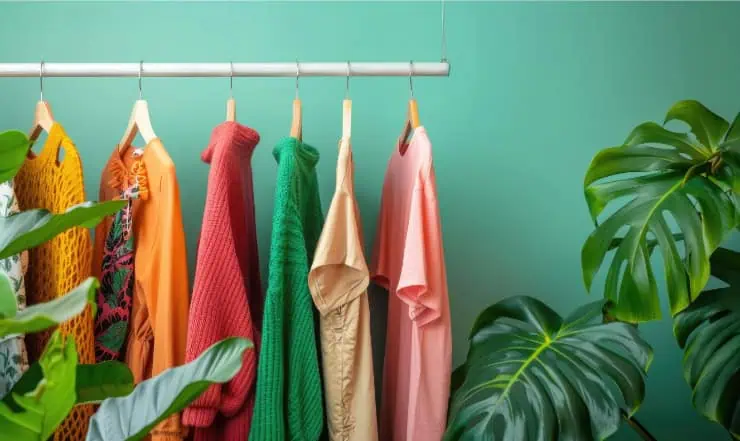
Fabric choice plays a huge role in how a button down is perceived. Extremely crisp cotton with heavy starch signals formality and hierarchy. While this fabric once defined polish, it now reads as inflexible and severe. Modern button-downs incorporate softer weaves, subtle texture, or fluid blends that move with the body. When fabric looks stiff and resistant, it feels disconnected from contemporary styling, which values comfort and movement. Chic button-downs look lived-in, not pressed into submission. Softness adds approachability and modernity without sacrificing polish.
3) Wearing It Fully Buttoned to the Collar by Default
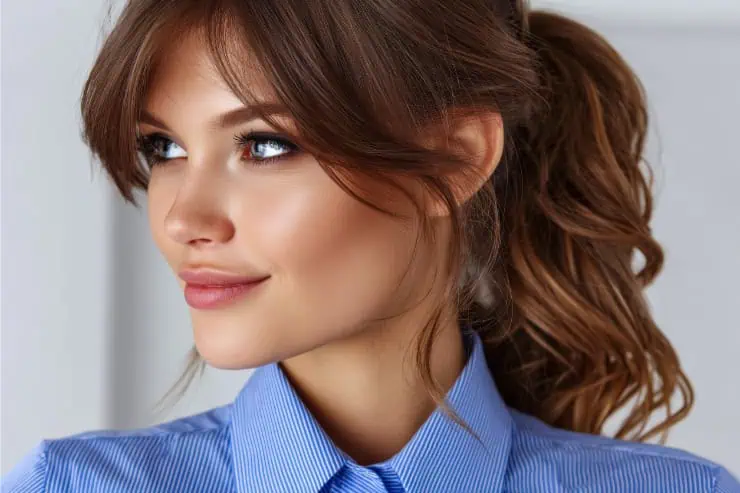
Fully buttoning a shirt to the top was once a sign of professionalism and authority. Outside of specific fashion contexts, this habit now reads as overly formal and outdated. Leaving the collar closed creates a rigid vertical line that feels restrictive. Modern styling embraces openness a relaxed neckline, a slightly undone collar, or layered chains beneath. These choices soften the shirt and remove the corporate tone. A button-down doesn’t need to look obedient to be elegant. When the neckline is too controlled, the entire outfit feels managerial rather than chic.
4) Tucking It In the Same Way Every Time

A fully tucked, perfectly smoothed-in button-down paired with traditional trousers or skirts immediately signals officewear. This styling habit is often unconscious, repeated for years without reconsideration. Modern button-down styling plays with proportion. Partial tucks, loose tucks, or wearing the shirt untucked with intention changes the energy completely. Younger generations treat the button-down as a flexible piece, not a uniform requirement. When the tuck is too perfect, it looks like compliance rather than style. Variation creates interest. Rigidity creates hierarchy.
5) Pairing It Only With Traditional Office Pieces

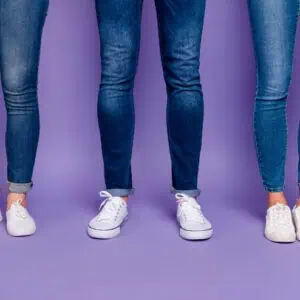
When a button-down is always worn with tailored pants, pencil skirts, or classic pumps, it stays locked in corporate territory. Modern chic comes from contrast. Button-downs styled with denim, relaxed trousers, knit skirts, or modern footwear immediately shift the message. The shirt itself isn’t the problem the context is. Younger stylists intentionally break the office association by pairing classic shirts with casual or unexpected elements. Without contrast, the button-down reinforces its most conservative identity.