Belts are often underestimated in their ability to shape and elevate an outfit, especially for women over 60. As the body changes with age, many women lean toward loose or forgiving silhouettes but these can sometimes drown your figure if not styled with intention. That’s where belts come in. A well-chosen belt can add structure, define your waist, enhance proportion, and finish a look with polish. Still, not every outfit benefits from a belt. In some cases, a belt can draw unwanted attention or feel physically uncomfortable. Stylists know when to use belts and just as importantly, when to leave them off.
Table of Contents
1. They Define the Waist Without Being Tight
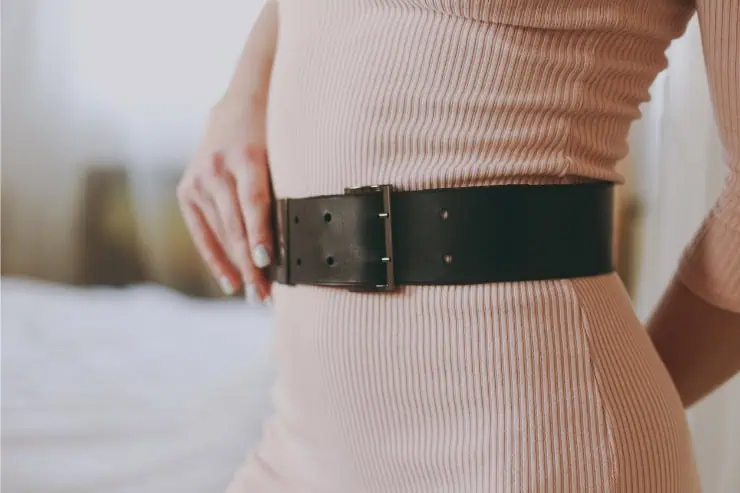
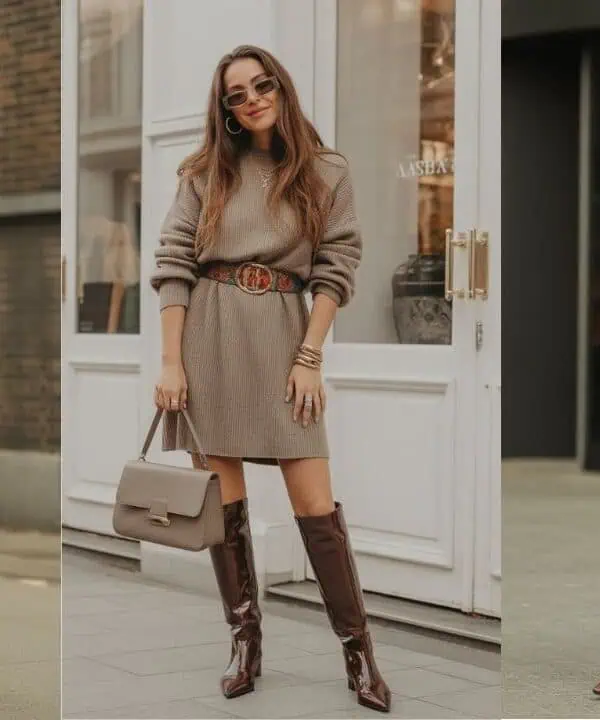
One of the most common reasons stylists recommend belts for mature women is because they help define the waist in a gentle, flattering way. As we age, the waistline may soften or shift, and a belt can visually bring it back without discomfort. The trick is to choose belts that are soft, wide enough for support, and adjustable think elastic belts, stretch leather, or wrap styles. These work beautifully over dresses, cardigans, or tunics. Rather than pulling tight, they simply sit on the waist and create shape. It’s not about squeezing it’s about adding intention and curve to the silhouette.
2. Belts Create Shape Over Flowy or Boxy Clothes
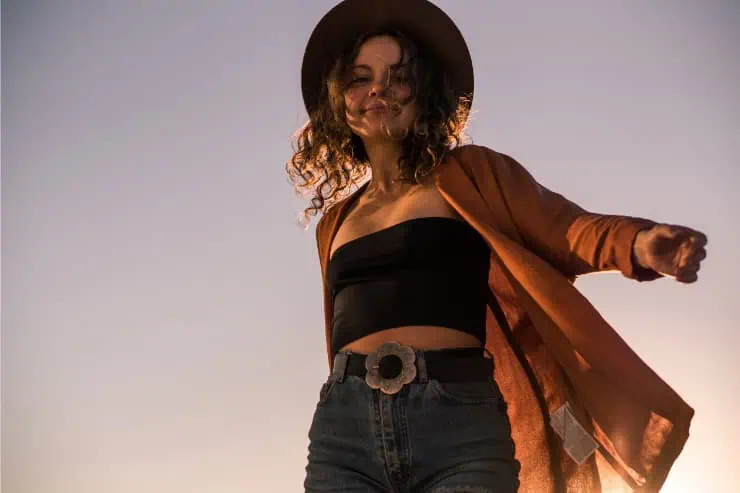
Loose, flowy clothing can be comfortable and stylish, but it can also risk looking shapeless especially on petite or curvy women. That’s where belts become essential. By layering a belt over an oversized blouse, maxi dress, or long cardigan, you instantly reintroduce structure and shape. Stylists love this move because it allows for comfort and coverage without sacrificing definition. It also helps create the illusion of a longer lower half by raising or lowering the belt placement depending on your proportions. Belts add balance to outfits that might otherwise overwhelm your frame and they do it effortlessly.
3. Belts Pull an Outfit Together

Belts don’t just serve a functional purpose they can also act as a focal accessory. Stylists often use a belt to add contrast, texture, or a pop of color to an otherwise neutral outfit. A polished leather belt over a monochrome outfit, for example, can take it from simple to intentional. Even if you’re wearing basic jeans and a tucked-in tee, a belt adds instant structure and style. Women over 60 often aim for outfits that are polished but not overdone, and a well-placed belt achieves just that. It says “put-together” without looking like you tried too hard.
4. Belts Help With Visual Proportion
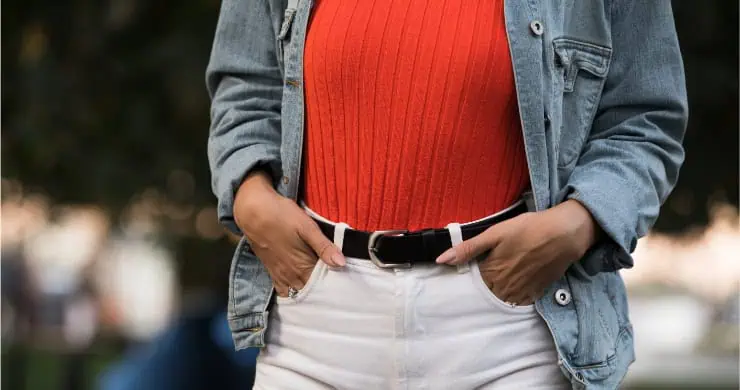
As body proportions shift with age, styling tricks that once worked may need to be reimagined. Belts are a favorite tool for rebalancing proportions, especially for those with a shorter torso, broader midsection, or fuller bust. A belt can visually break the body into thirds, drawing attention to the smallest part of the torso or creating a high-waisted effect. This helps elongate the legs and streamline the figure. Stylists might place a belt at the natural waist, just below the bust (empire style), or even on the hips depending on the garment and the body shape. The result is always more flattering.
5. Avoid Using a Belt When It Compromises Comfort

No matter how flattering a belt may be, if it’s not comfortable, it’s not worth it. Some women find belts restrictive especially after sitting or moving throughout the day. Belts that dig into the waist, ride up, or constantly need adjusting can be frustrating and distracting. Stylists advise skipping the belt altogether if it interrupts ease of movement or comfort. There are plenty of clothing styles like princess-seamed dresses or ruched tops that create shape without requiring a belt. And if you’re dressing for a long day, travel, or an event where you’ll be seated a lot, comfort should always come first.
6. Skip If the Outfit Has Built-In Structure
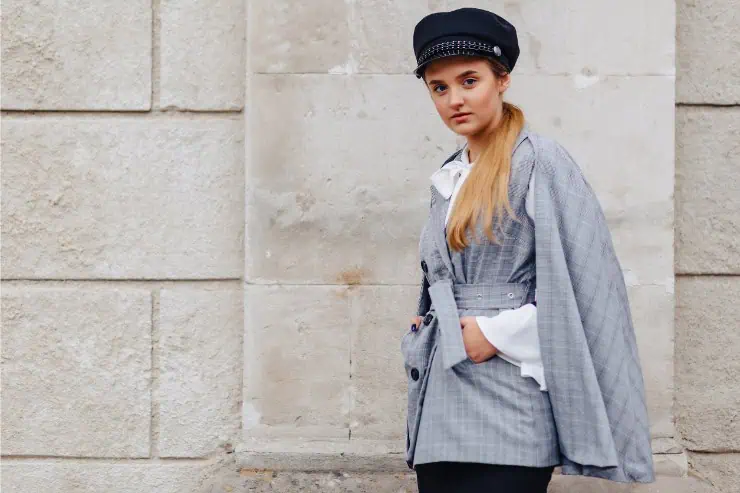
Certain garments already do the job of shaping your body without the need for a belt. Wrap dresses, fit-and-flare cuts, princess seams, or peplum tops naturally define the waist or create a flattering silhouette. In these cases, adding a belt can feel unnecessary or cluttered. Stylists often advise letting the design of the garment do the work. Too many details like a belt layered over a wrap dress can compete visually and reduce the elegance of the look. Instead, focus on styling other parts of the outfit with accessories like scarves, earrings, or shoes to complete your ensemble.
7. Skip When It Highlights Areas You’d Rather Downplay
Belts draw the eye to the midsection, and while that can be a good thing in many cases, it’s not ideal if you’re self-conscious about your waist, tummy, or hips. The belt can become a focal point, unintentionally drawing attention to areas you’d prefer to soften. In such cases, stylists often recommend skipping the belt and opting for longer, flowing layers or vertical lines to create the illusion of length. If you still want a defined shape without a visible belt, try garments with internal elastic bands or side tie details they offer structure without placing emphasis on the center.