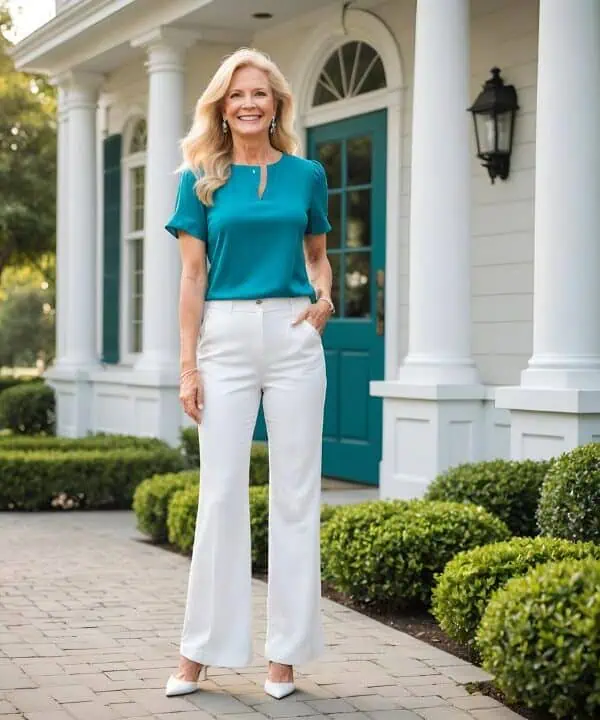
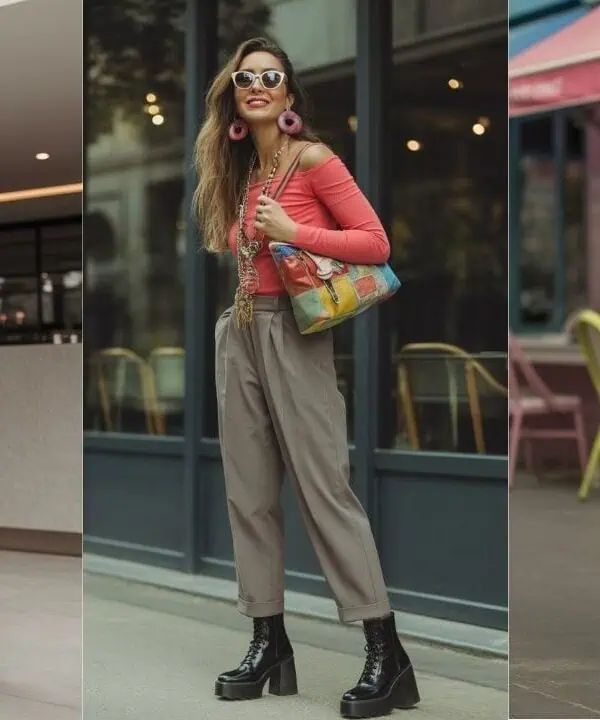
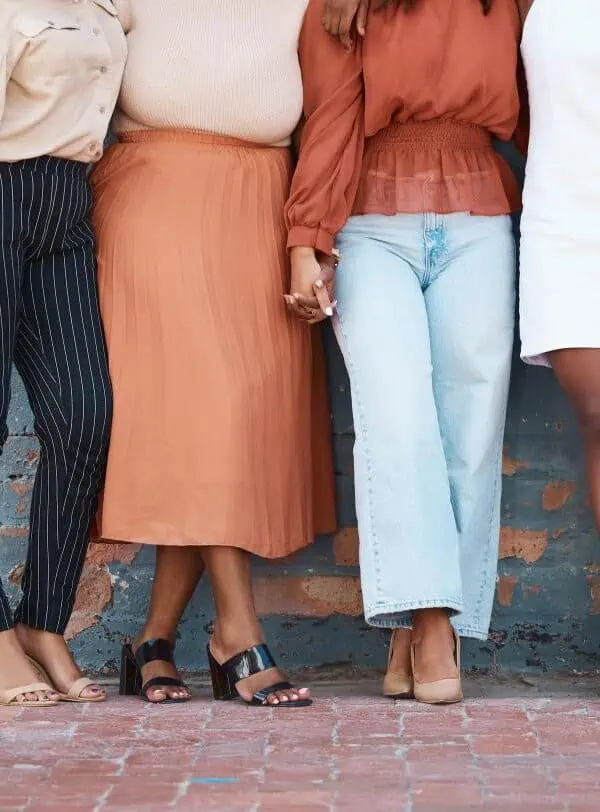
Many curvy women develop a “safe clothes” mindset after years of frustrating fit issues. The logic makes sense: stick to loose tops, dark colors, simple shapes, and nothing that draws attention. But stylists consistently see the opposite result. Playing it safe often leads to outfits that feel heavier, shapeless, or older than intended hiding curves instead of honoring them. In 2026, modern styling has shifted away from camouflage and toward balance, proportion, and intention. Curves aren’t the problem; outdated rules are. Stylists working with curvy clients say that the clothes meant to feel protective are often the ones that backfire most. Here’s why and what works better instead.
Table of Contents
1. “Hiding” Your Shape Often Makes You Look Bigger
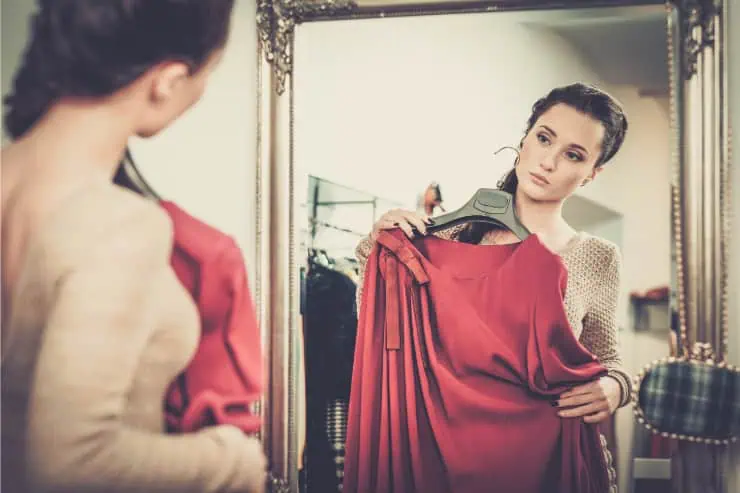
Oversized, shapeless clothing is one of the most common safe choices and one of the most counterproductive. When garments lack structure or definition, the eye reads the entire silhouette as one continuous block. Instead of minimizing curves, this can make the body appear larger and heavier overall. Stylists explain that curves need contrast to look balanced: a waist suggestion, a shoulder line, or intentional drape. Clothing that lightly skims and shapes the body almost always looks more flattering than pieces that hang without purpose. Ironically, showing some shape usually creates a slimmer, more confident appearance than trying to erase it.
2. Defaulting to Dark Colors Can Flatten an Outfit

Black, navy, and dark gray feel safe because they’re associated with slimming but relying on them exclusively can dull an outfit fast. Stylists notice that curvy women who stick to dark head to toe looks often lose visual interest and dimension. Without variation in tone, texture, or structure, the outfit can feel heavy rather than sleek. In contrast, softer neutrals, mid-tones, and intentional color placement create movement and balance. The goal isn’t loud color it’s depth. A lighter knit, textured fabric, or tonal layering can actually highlight curves in a more flattering, modern way than all-black ever could.
3. Avoiding Tailoring Keeps Clothes from Truly Fitting
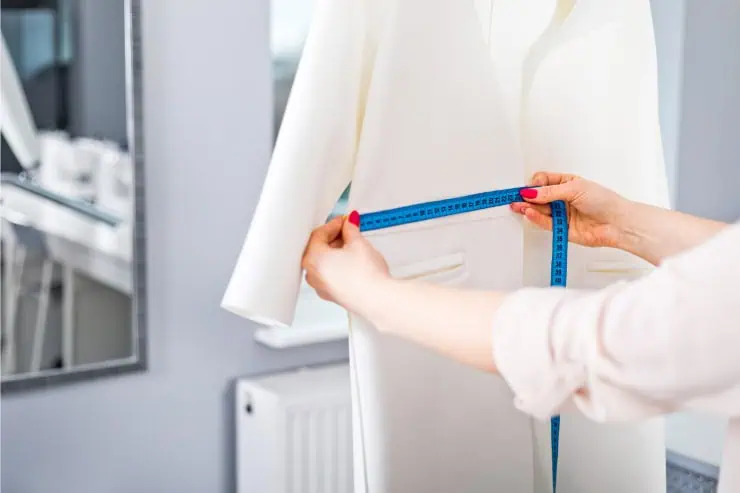
Many curvy women avoid tailoring because it feels risky or unnecessary but stylists say this is where safe dressing really backfires. Off-the-rack clothing is rarely designed with curves in mind, so pieces often gape at the waist, pull at the hips, or sit awkwardly through the seat. Wearing them “as is” may feel safer, but it guarantees a compromised fit. Small tailoring adjustments taking in a waist, shortening a hem, refining a sleeve can completely change how clothing sits on a curvy body. A properly fitted garment looks intentional and polished, while an untailored one often looks accidental.
4. Sticking to Same Silhouettes Freezes Your Style in Time
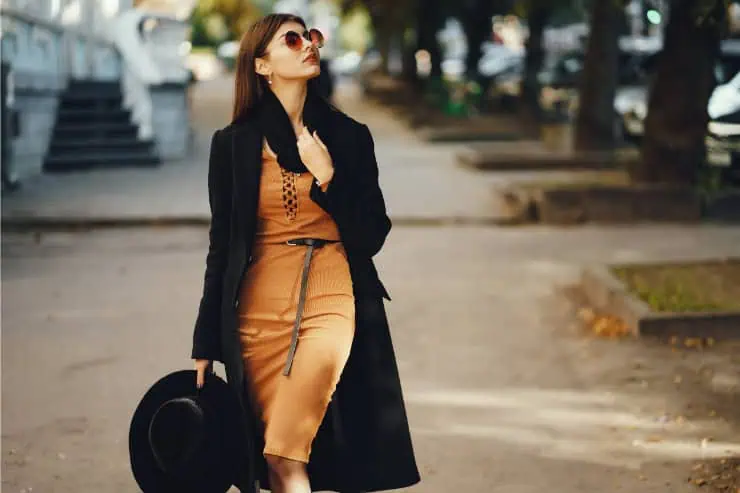
Safe clothes tend to repeat themselves: the same tops, the same cuts, the same proportions year after year. Stylists see this pattern often and it’s one of the quickest ways an outfit starts to feel dated. Fashion evolves not just in trends, but in proportion. Wider legs, softer shoulders, longer hems these shifts matter. Curvy women who never update silhouettes may feel invisible rather than comfortable. Trying one modern proportion at a time like a straighter pant or a slightly cropped jacket can refresh a wardrobe without feeling overwhelming or unsafe.
5. Fear Based Dressing Undermines Confidence

When clothes are chosen primarily to avoid attention, they often communicate discomfort rather than confidence. Stylists note that curvy women feel most powerful when their clothes reflect intention, not fear. Safe outfits can become a kind of armor but armor is heavy, restrictive, and tiring to wear. Clothing that fits well, moves with the body, and feels expressive creates ease. Confidence doesn’t come from hiding curves; it comes from feeling at home in your clothes. Once that shift happens, style becomes less about rules and more about self-trust.
6. Playing It Safe Limits Joy and Style Is Meant to Be Enjoyed

Perhaps the biggest downside of safe dressing is that it strips the joy out of getting dressed. Stylists believe style should feel supportive, expressive, and even a little fun especially for curvy women who’ve been told for years what not to wear. Trying new shapes, textures, or details doesn’t require abandoning comfort or identity. It simply opens the door to clothes that feel more you. The most stylish curvy women aren’t the ones hiding they’re the ones dressing with clarity, curiosity, and confidence.