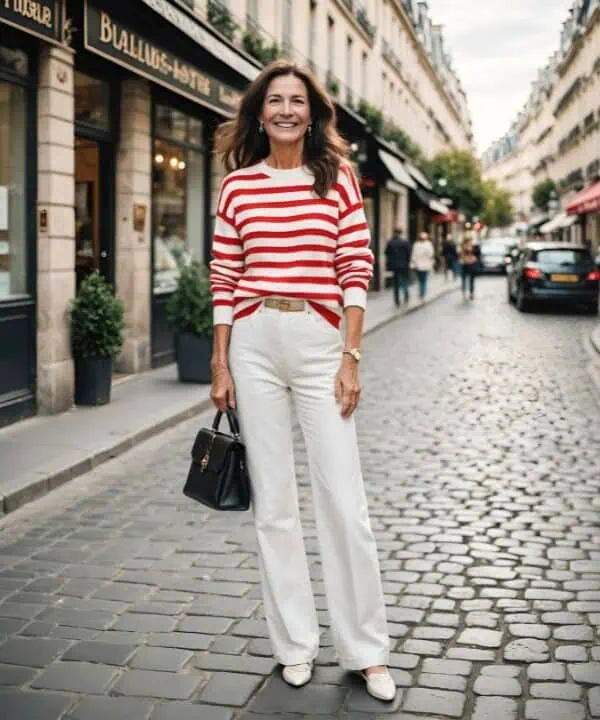
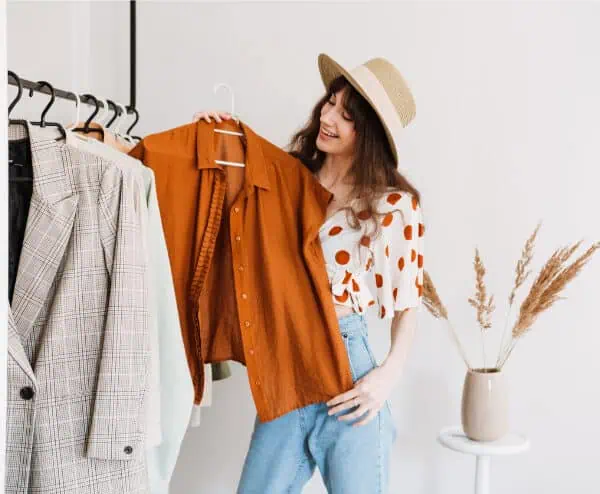
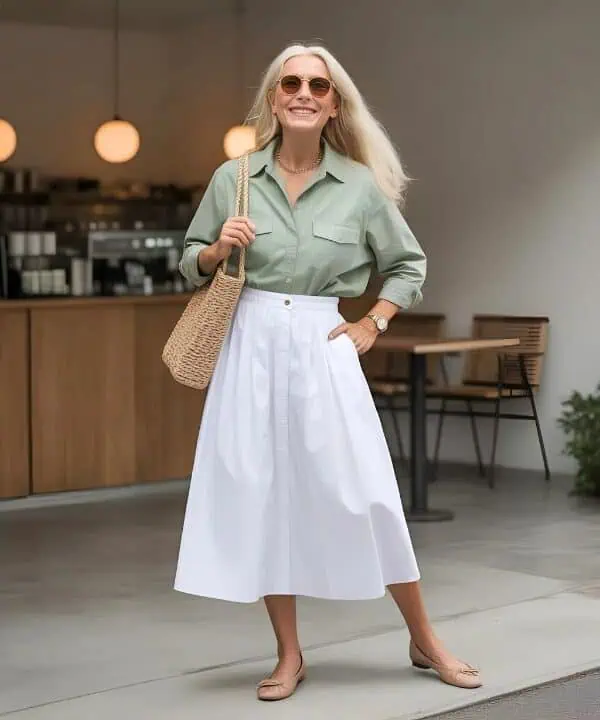
Basics are often marketed as the foundation of effortless style, yet in real life they don’t work equally well for everyone. Two women can wear nearly identical outfits jeans, a white tee, flat shoes and one looks quietly polished while the other looks unfinished. This gap isn’t about body type, age, or budget. From a stylist’s perspective, it comes down to how basics are chosen, fitted, and worn. Because basics are simple, they leave no room to hide mistakes. Every detail matters more. Fit, fabric quality, proportion, grooming, and styling choices all become highly visible. Understanding why basics succeed for some and not others reveals an important truth: simplicity is only powerful when it’s intentional. Basics don’t create polish on their own how they’re handled does.
Table of Contents
1. Fit Is Non Negotiable With Simple Pieces
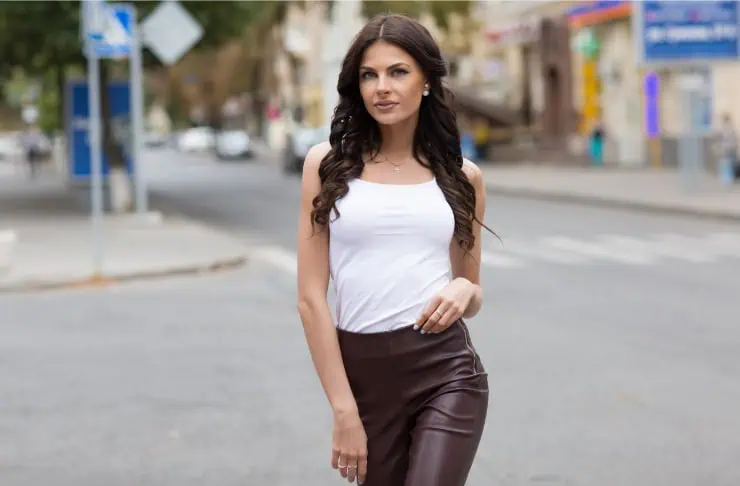
When outfits rely on basics, fit becomes the most critical factor. Without layers, patterns, or statement pieces to distract the eye, the way a garment sits on the body is immediately noticeable. Polished women wear basics that skim rather than cling or collapse. Sleeves hit at deliberate points, waistlines are clear, and hems are intentional. Women who look less polished often wear basics that are slightly off too long, too loose, or too tight assuming simplicity will compensate. Stylists know that tailoring basics creates instant refinement. When fit is right, even the simplest outfit reads as considered rather than accidental.
2. Fabric Quality Does the Heavy Lifting
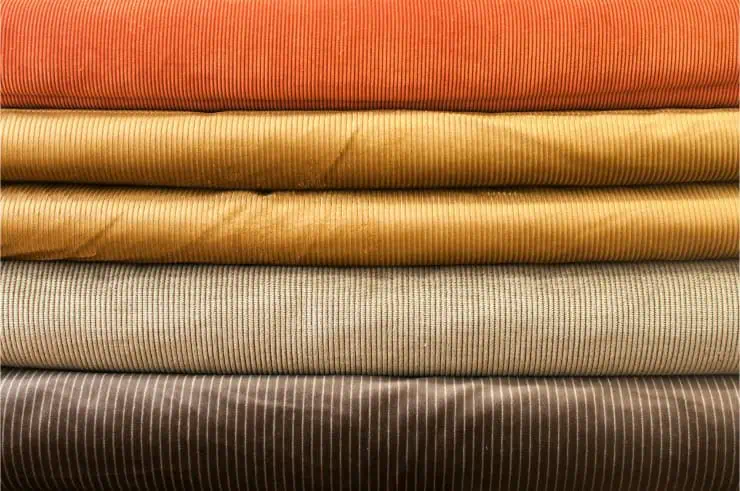
Not all basics are created equal. Fabric quality is one of the first things stylists assess when elevating simple outfits. High quality materials hold their shape, drape well, and age gracefully throughout the day. Lower-quality fabrics wrinkle quickly, stretch out, or cling in unflattering ways, making an outfit look tired within hours. Polished women invest selectively in better fabrics because they understand that basics are worn often and seen up close. A simple tee or knit has nowhere to hide. Fabric that maintains structure and softness signals intention even when the design itself is minimal.
3. Proportion Creates Visual Balance

Stylists pay close attention to proportion when working with basics. A polished look depends on how pieces relate to one another: the length of a top relative to the rise of pants, the volume of a bottom balanced by the shape of the top. Women who look effortless in basics understand this intuitively or through experience. Those who don’t may stack neutral, simple pieces without considering balance, resulting in outfits that feel flat or awkward. Proportion replaces decoration in simple outfits. When shapes are balanced, basics feel modern and refined rather than plain.
4. Grooming and Finishing Details Matter More

The simpler the outfit, the more grooming stands out. Polished women pair basics with clean hair, intentional makeup or a clear choice to go without and well-maintained shoes. These details reinforce that the simplicity is deliberate. When grooming is neglected, basics can quickly read as lazy rather than effortless. Stylists often say that basics amplify everything around them, including grooming. Wrinkled clothing, scuffed shoes, or unconsidered hair undermine even the best pieces. Polish lives in the finishing touches, not the number of items worn.
5. Editing Is What Makes Simplicity Work
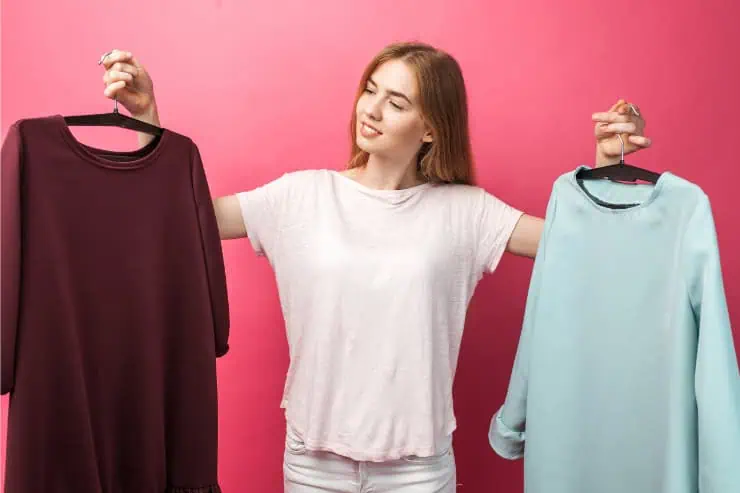
Polished women are selective about which basics they keep and wear. They edit ruthlessly, removing items that stretch out, lose shape, or no longer feel right. Women who struggle with basics often hold onto too many “acceptable” pieces, creating outfits that feel generic or tired. Stylists focus on fewer, better basics that work together consistently. Editing creates cohesion. When every basic earns its place, outfits feel intentional rather than random. Simplicity only works when the wardrobe is curated, not cluttered.