In recent years, many women have begun shifting away from crowded closets toward smaller, more intentional wardrobes. The change is less about minimalism as a trend and more about practicality, clarity, and personal style confidence. Overstuffed wardrobes often create decision fatigue, clutter, and outfits that feel disconnected from real life. By reducing quantity and focusing on pieces that genuinely suit their lifestyle, body, and aesthetic, women often find they dress better not worse. Fewer clothes can mean stronger combinations, clearer identity, and easier daily routines. The result is a wardrobe that works consistently rather than occasionally, making style feel calmer, more authentic, and more satisfying.
Table of Contents
1. Fewer Choices Reduce Decision Fatigue
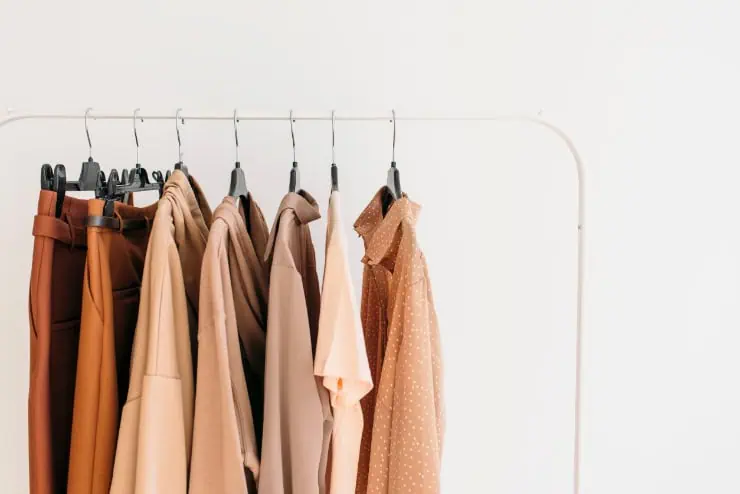
A large wardrobe can paradoxically make getting dressed harder. Too many options dilute clarity, especially when many pieces no longer fit, suit lifestyle needs, or coordinate easily. When women reduce their wardrobes, the remaining items tend to be pieces they truly wear and love. This smaller selection speeds decision-making because most items already work together. Outfits emerge faster and with less second-guessing. The psychological relief is significant mornings feel calmer and more efficient. Instead of searching through rarely worn garments, women engage with familiar, reliable pieces. Over time, this consistency reinforces personal style confidence, since choices feel intentional rather than random or reactive.
2. Repetition Strengthens Personal Style

Wearing fewer pieces more often allows patterns to emerge in how someone dresses. Colors, silhouettes, and combinations become recognizable and cohesive. This repetition builds a signature look that feels authentic rather than trend driven. Instead of constantly introducing new, unrelated items, women refine what already works. Familiar outfits also gain emotional comfort and ease, reducing the urge to experiment in ways that feel forced. Observers often perceive repeated, well coordinated looks as more stylish than constantly changing ones. Consistency communicates clarity. Over time, this focused wardrobe creates visual harmony across outfits, reinforcing the sense that clothing reflects the wearer rather than external trends.
3. Quality Naturally Replaces Quantity

When wardrobes shrink, each item must perform more often, which shifts priorities toward durability, fabric, and fit. Women begin choosing pieces that withstand frequent wear and laundering without losing shape or appeal. Investment shifts from impulse purchases to considered selections. Higher quality fabrics drape better, resist wear, and maintain color, making outfits appear more polished overall. Because each garment carries more responsibility, poor-quality pieces quickly reveal themselves and are phased out. This natural filtering process elevates the entire wardrobe. Over time, fewer but better garments create a consistently refined appearance that large, mixed-quality closets rarely achieve.
4. Coordination Becomes Effortless

A smaller wardrobe encourages cohesion in color palette and silhouette. Pieces are chosen partly for their ability to combine easily with others, so outfits assemble quickly without styling effort. Neutral foundations paired with a few distinctive accents create numerous combinations from limited items. This compatibility reduces the need for special-occasion clothing that rarely integrates with daily wear. Women often discover they can create more outfits from fewer pieces because everything relates visually. Packing, travel, and seasonal transitions also become simpler. The wardrobe functions as a unified system rather than a collection of unrelated garments, making dressing smoother and more reliable.
5. Shopping Becomes More Intentional

With fewer clothes, each addition carries greater impact, so purchases become more deliberate. Women evaluate fit, versatility, and longevity more carefully before buying. Impulse shopping declines because there is less space physically and stylistically for mismatched items. This shift reduces clutter accumulation and financial waste. Instead of chasing trends or sales, choices align with real wardrobe gaps or needs. Over time, this intentional approach builds a collection that reflects lifestyle rather than aspiration. Shopping transforms from accumulation to curation. The result is a wardrobe that evolves slowly but coherently, maintaining clarity rather than drifting into excess.
6. Confidence Comes From Knowing Everything Works

Perhaps the most powerful effect of a smaller wardrobe is trust. When every piece fits, flatters, and coordinates, getting dressed carries less risk. Women know outfits will look appropriate and feel comfortable. This reliability reduces anxiety about appearance and frees attention for daily life. Confidence grows because clothing supports rather than distracts. There is no hidden section of ill fitting or outdated garments undermining choices. Each item earns its place through repeated success. Over time, this trust changes how women relate to clothing from uncertainty to assurance proving that fewer garments can create stronger, more consistent personal style.