Fashion never truly discards anything it pauses, reframes, and reintroduces. Gen Z stylists are particularly skilled at rescuing accessories once dismissed as old-fashioned and making them feel intentional again. The 1970s, a decade rooted in self expression and individuality, produced accessories that feel surprisingly aligned with modern values: personality over polish, texture over perfection, and confidence over conformity. What once felt “dated” now reads as distinctive. Gen Z isn’t reviving these pieces out of nostalgia they’re embracing them because they break from minimal sameness and add character to outfits. Here’s why five accessories from the 70s are suddenly cool again.
Table of Contents
1. Oversized Sunglasses with Soft Shapes

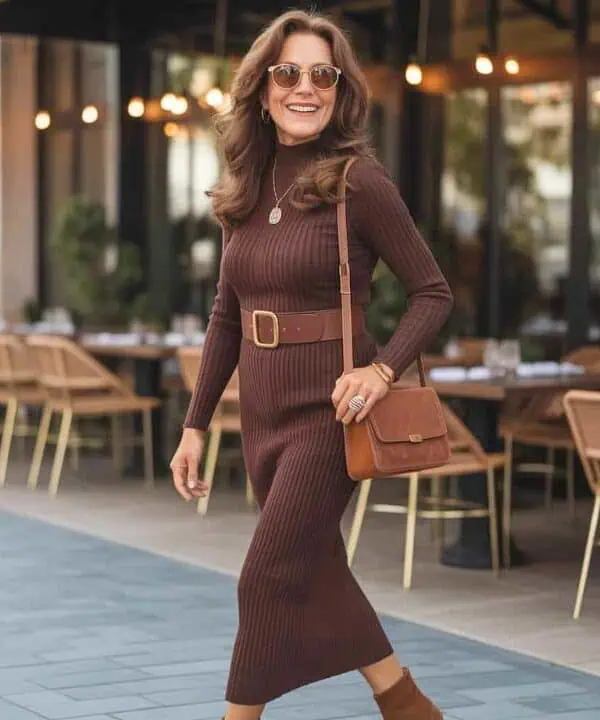
Large, softly shaped sunglasses were once considered aging or impractical, but Gen Z stylists see them as instantly editorial. Unlike sharp, tiny frames that feel trend-bound, oversized 70s-style sunglasses create drama without aggression. They frame the face gently, add mystery, and elevate even casual outfits. Gen Z favors sunglasses as a statement rather than a subtle add-on. The appeal lies in their confidence these frames don’t apologize for taking up space. Modern versions are lighter, more wearable, and often paired with relaxed outfits, which prevents them from feeling costume-like. What once read as “too much” now reads as intentional presence.
2. Wide Belts Worn Over Clothing
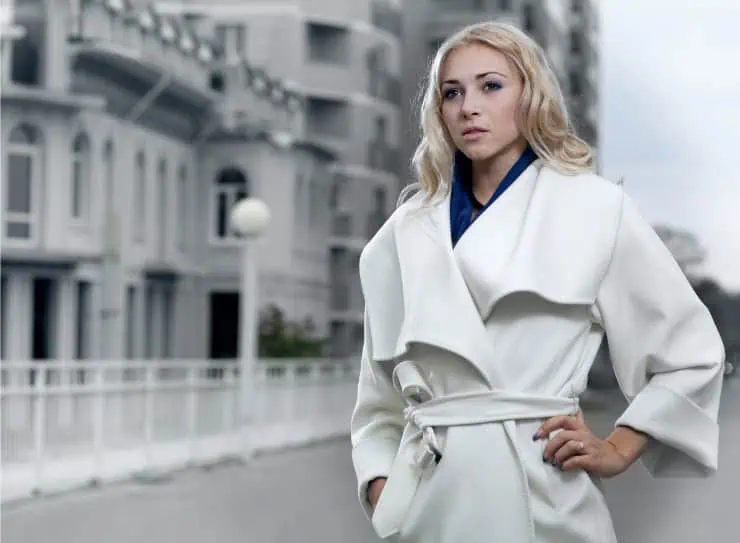
Wide belts were long considered outdated, associated with rigid waist emphasis and overly styled looks. Gen Z stylists have revived them but with a twist. Instead of cinching tightly at the waist, modern styling uses wide belts loosely over blazers, knits, or coats. The goal isn’t to sculpt the body but to add visual structure and contrast. This approach feels relaxed and expressive rather than restrictive. Gen Z appreciates how wide belts create layers and break up monotony. They also introduce texture leather, suede, or woven finishes that make outfits feel richer and more intentional without appearing polished or formal.
3. Scarves as Styling Tools, Not Accessories
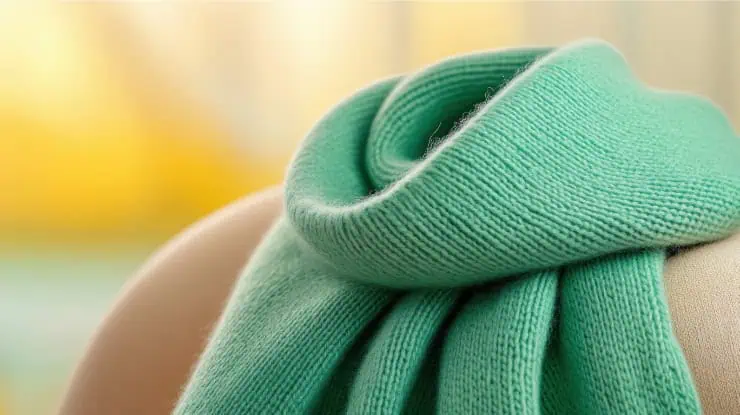
In the 70s, scarves were everywhere around necks, in hair, tied to bags. They later became associated with conservative or overly “done” styling. Gen Z has reimagined scarves as creative tools rather than decorative afterthoughts. Stylists now use them loosely draped, casually knotted, or asymmetrically styled. The appeal lies in their adaptability and personality. Scarves add softness, movement, and individuality to outfits that might otherwise feel plain. Gen Z loves that scarves can be vintage, mismatched, or imperfect. They signal effort without rigidity and bring warmth without heaviness.
4. Statement Jewelry with Organic Shapes
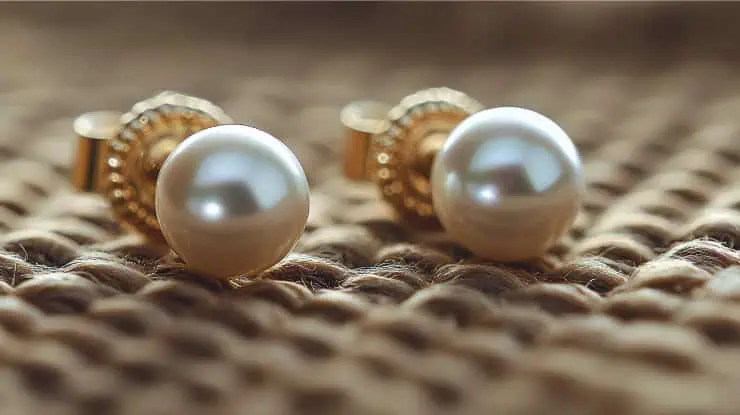
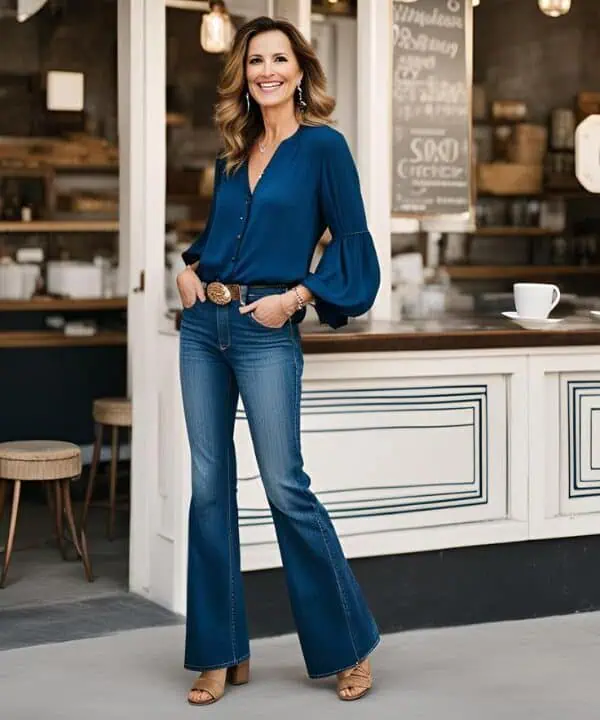
Chunky, sculptural jewelry from the 70s was once dismissed as heavy or overwhelming. Gen Z stylists now embrace these pieces precisely because they aren’t delicate. Organic shapes, irregular forms, and bold materials feel authentic and expressive. Instead of stacking multiple dainty pieces, Gen Z prefers one standout accessory that anchors the outfit. Statement jewelry adds confidence and visual interest without relying on trends. It also pairs beautifully with simple clothing, creating balance. The revival isn’t about excess it’s about intention. One strong piece feels modern, grounded, and personal.
5. Structured Top Handle Bags
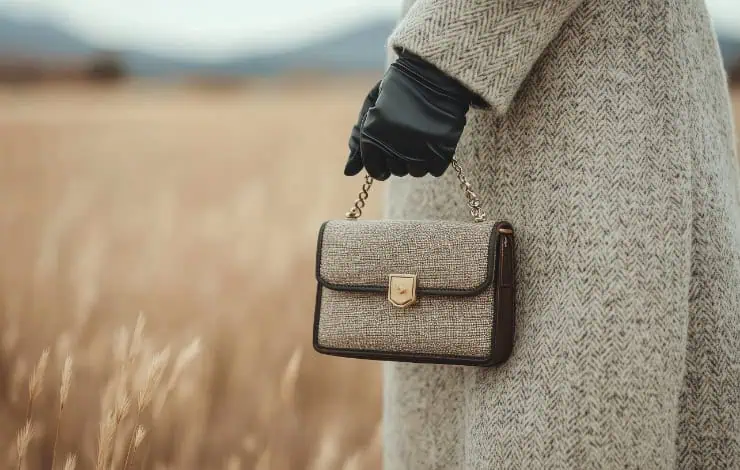
Top-handle bags were often labeled formal or old-fashioned, but Gen Z stylists see them as grounding and chic. These bags add contrast to relaxed, casual outfits, creating an interesting tension. Instead of reserving them for dressy occasions, Gen Z pairs them with denim, oversized coats, and sneakers. The structure of the bag brings polish, while the rest of the outfit keeps things effortless. This styling shift makes the accessory feel relevant again. The appeal lies in quality, shape, and presence not trendiness. A good bag becomes timeless when styled with intention.