The 1960s was more than just a stylish decade it was a turning point in how women approached fashion, identity, and self-expression. As cultural shifts unfolded, so did hemlines, silhouettes, and the very definition of what it meant to dress like a woman. From the rise of youthful mod style to the quiet elegance of minimalism, the fashion of the ’60s reflected a bold new sense of freedom. Decades later, its influence still lingers in closets everywhere. Whether you’re drawn to its classic tailoring or its fearless flair, there’s no denying the ’60s left a lasting and wearable legacy.
Table of Contents
1. The Rise of Individual Expression

The 1960s marked a turning point in fashion history, where self-expression took center stage. Unlike the rigid norms of the ‘50s, women in the ‘60s began exploring clothing as a way to reflect their personalities, values, and lifestyles. Whether through bold prints, rebellious silhouettes, or statement accessories, style became more personal than prescriptive. Today, women still embrace this spirit of individuality in their wardrobes. The freedom to mix vintage with modern, to choose bold or subtle, all traces back to that moment when fashion began to reflect identity, not just conformity.
2. Timeless Silhouettes That Still Work
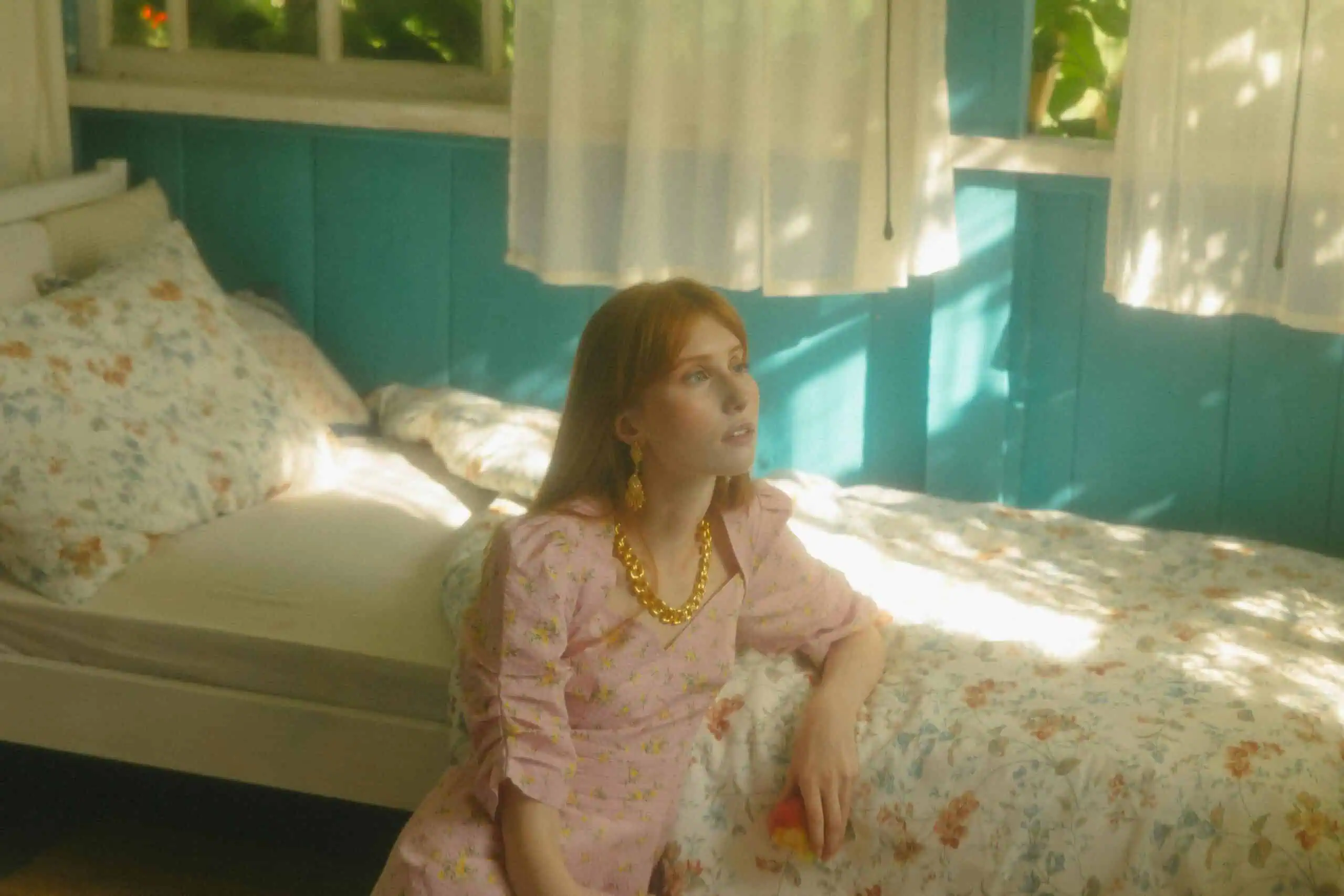
Certain ‘60s silhouettes have proven to be timeless: shift dresses, A-line skirts, cropped jackets, and cigarette pants. These clean, flattering cuts suit a variety of body types and remain popular because they’re easy to wear and endlessly versatile. Women over 50 often gravitate toward these shapes because they offer polish without sacrificing comfort. They can be dressed up or down, and they flatter without clinging. The popularity of these silhouettes today is proof that good design transcends decades and still feels fresh when paired with modern fabrics and styling.
3. The Influence of Iconic Women
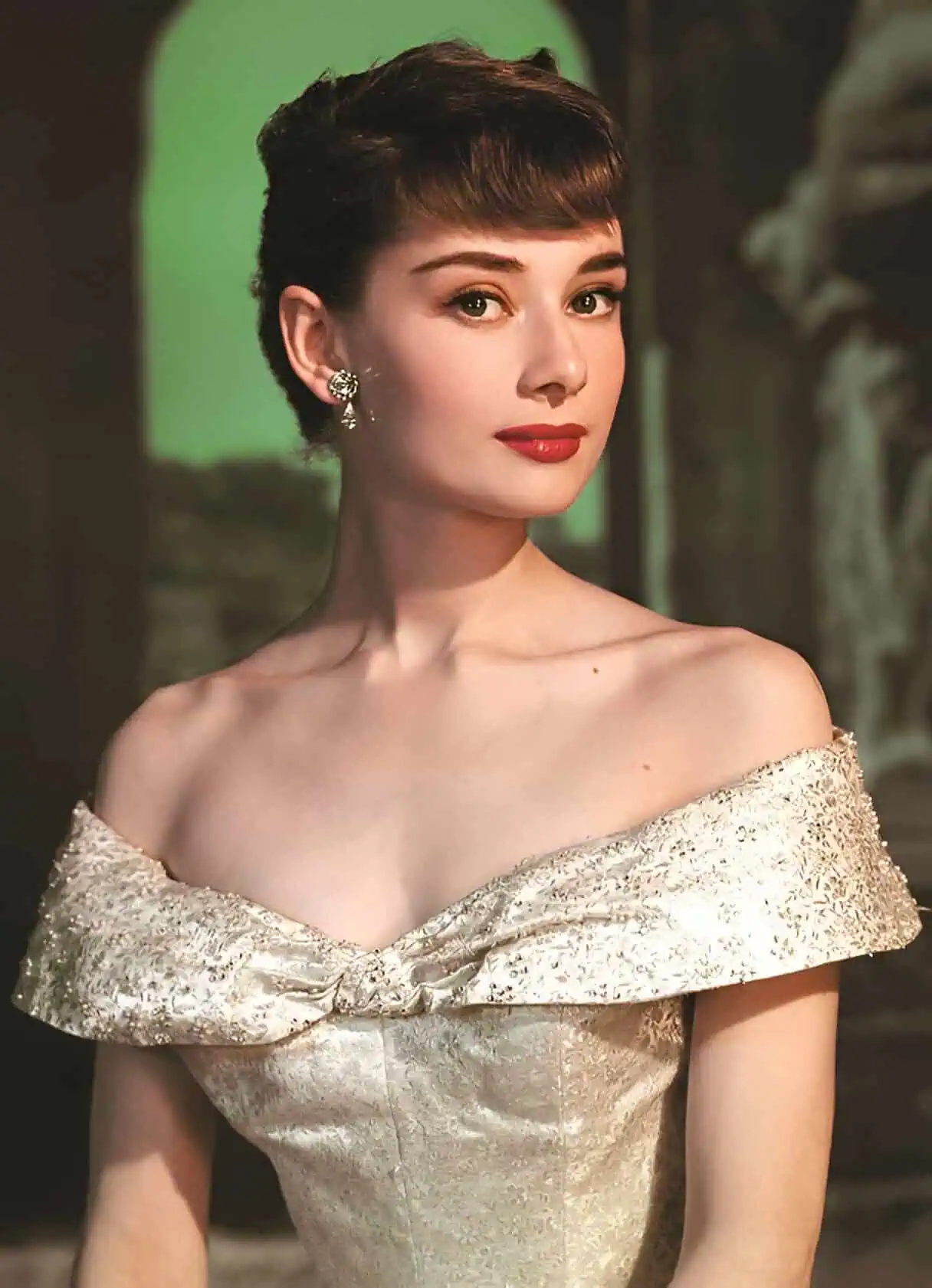
Fashion icons from the 1960s such as Jackie Kennedy, Audrey Hepburn, Brigitte Bardot, and Diana Ross left a lasting legacy not just in what they wore, but how they wore it. Their styles were elegant, smart, and purposeful, with each woman putting her own spin on trends. These figures continue to inspire because they balanced trendiness with class, personality with restraint. Today’s fashion-conscious women still look to them for cues on how to be stylish without being flashy, and how to age with grace, confidence, and timeless taste.
4. The Birth of Youth Culture and Mod Style
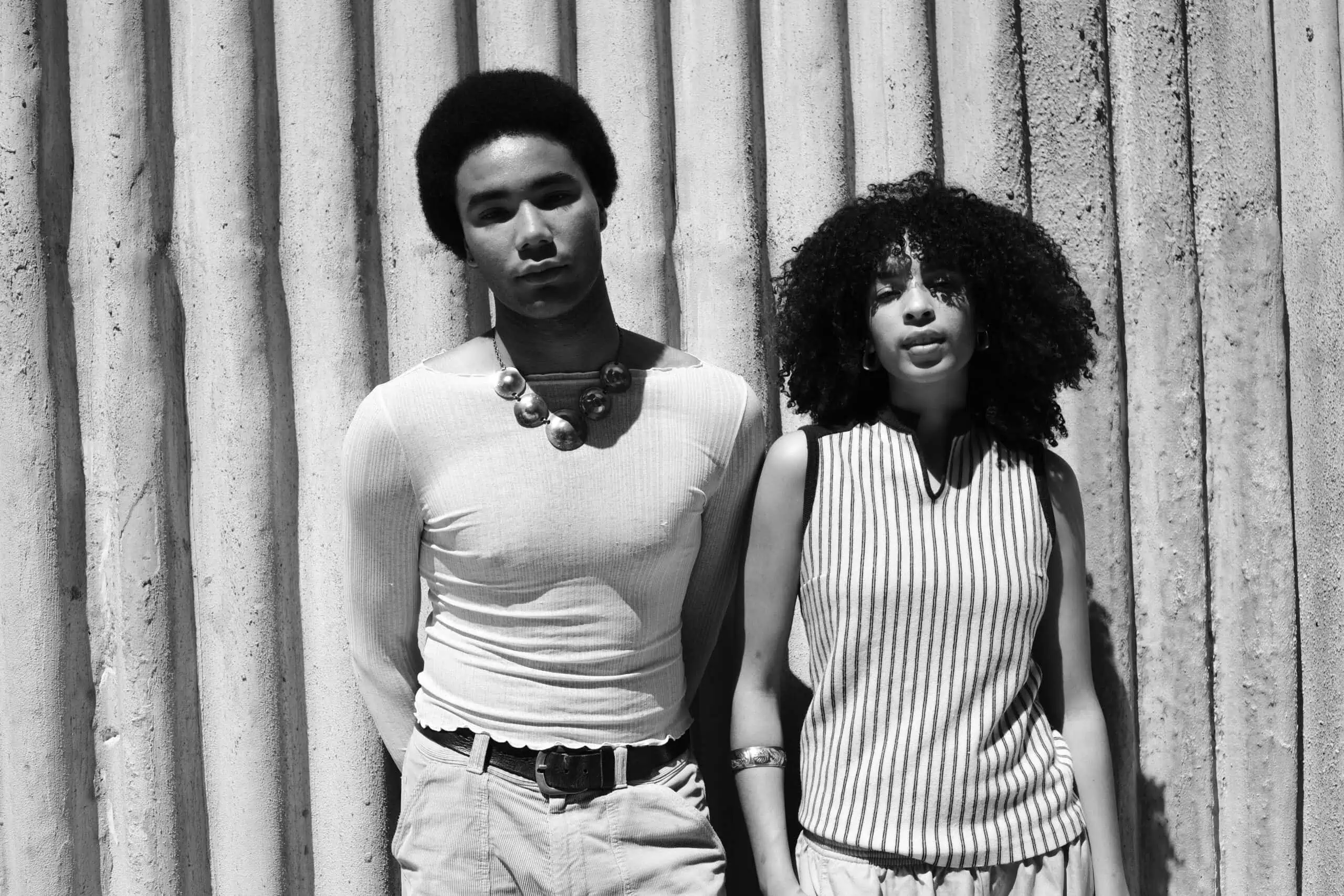
The 1960s were the first time youth culture truly impacted mainstream fashion. The mod movement, led by British designers and trendsetters, embraced playful prints, mini hemlines, and bold color blocking. This vibrant, youthful energy broke down age-based fashion rules, allowing women to dress with more fun and freedom. That same playful spirit is alive today in how women over 50 mix colors, prints, and retro pieces into their looks. The message from the ‘60s still holds: fashion can be fun, no matter your age.
5. The Roots of Modern Minimalism

While the ‘60s are remembered for their daring looks, they also gave rise to minimalist fashion clean lines, monochrome palettes, and simple tailoring. Designers like André Courrèges and Yves Saint Laurent embraced futuristic and streamlined styles that felt modern and functional. This minimalism resonates deeply today, especially with mature women who value elegant simplicity. Neutral tones, sharp cuts, and quality over quantity all trace back to that refined side of ‘60s fashion that continues to define chic, timeless wardrobes.
6. Fashion as a Symbol of Change
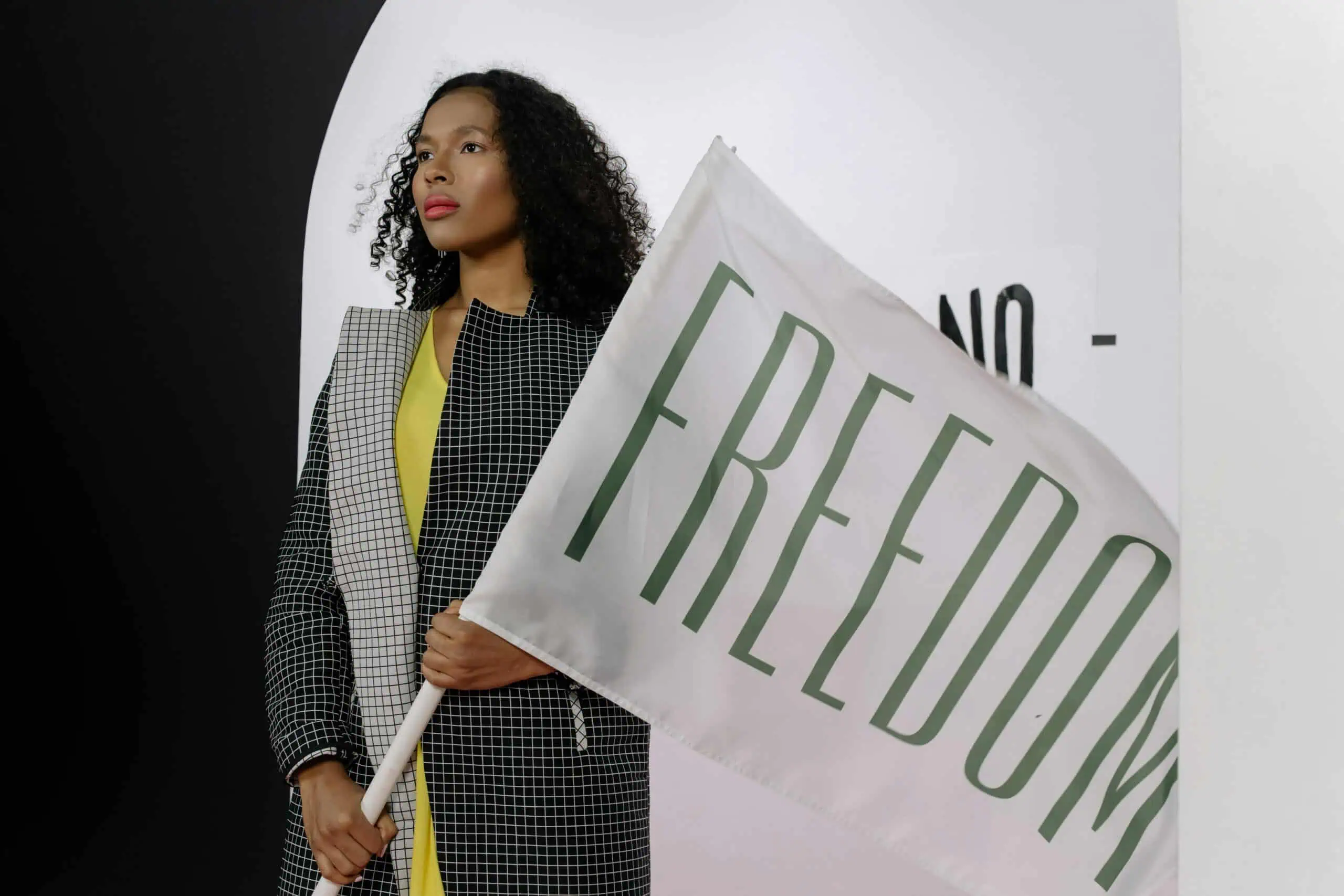
Perhaps the most enduring reason ‘60s fashion continues to inspire is because it symbolized more than style it represented cultural and social change. Women were breaking barriers, entering the workforce, fighting for rights, and questioning tradition. Their clothes followed suit: more daring, freer, and less dictated by old rules. This legacy of fashion as empowerment still speaks to women today, especially those who have lived through their own eras of change. Dressing with confidence, pride, and purpose is a direct echo of the revolutionary spirit of the ‘60s.