Long before fashion became a blur of micro-trends and weekly drops, getting dressed was a more thoughtful and often more meaningful ritual. Clothing was carefully chosen, often tailored, and built to last. People weren’t chasing the next viral look; they were building wardrobes with intention. With fewer choices but more value placed on each one, fashion felt personal, not disposable. For many women over 50 or 60 today, this slower, more elegant way of dressing isn’t just a memory it’s a standard worth remembering. Here’s what fashion looked like before fast trends took over.
Table of Contents
1. Seasonal Collections, Not Weekly Drops
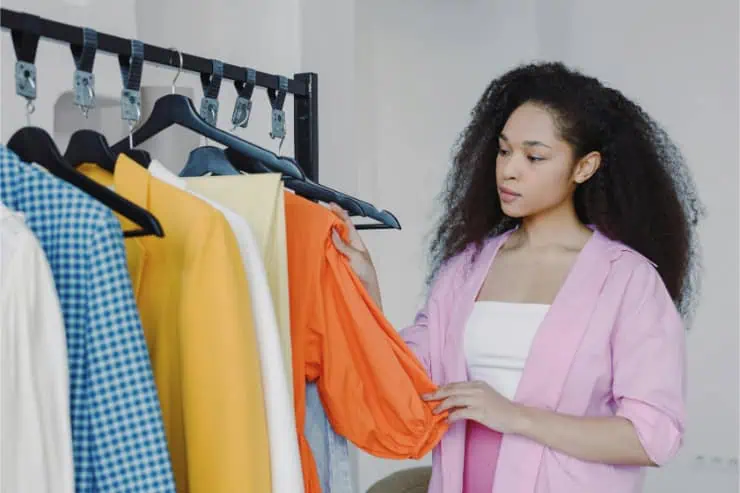
In the decades before fast fashion exploded, clothing followed a predictable and practical rhythm: spring/summer and fall/winter collections defined the style calendar. Designers worked months in advance to release carefully curated collections that captured the season’s essence. Consumers, in turn, eagerly awaited these releases, browsing department store catalogs or window displays to decide on that season’s must-haves. There was time to plan, budget, and truly look forward to purchases. With today’s constant trend turnover, that sense of excitement has dulled. Fashion once moved in meaningful waves now it rushes in like a flood. Back then, patience was part of the pleasure.
2. Quality Over Quantity
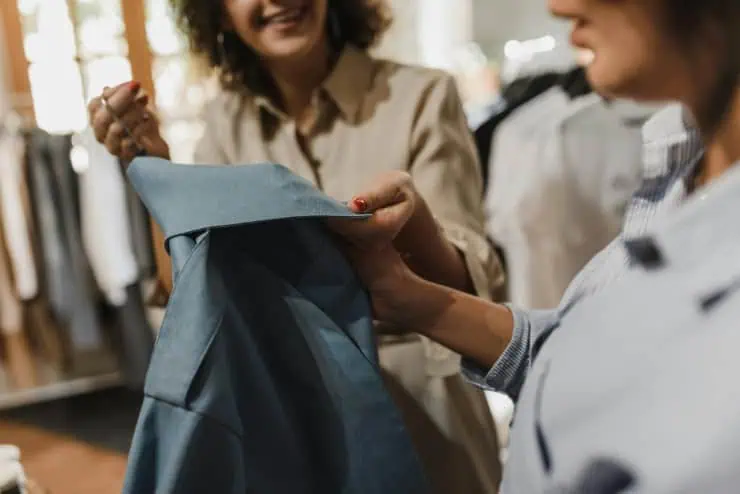
Fashion used to be about owning fewer pieces but making sure they were the right pieces. Clothing was typically made from higher-quality fabrics like wool, cotton, and silk, and garments were built to endure washing, wear, and even the test of time. A well-made coat or dress might be worn for years, handed down, or even repurposed. Today, fast fashion promotes the idea of “more is more,” offering cheap, trendy pieces that rarely last. But in the past, the focus was on longevity shoppers expected their clothes to last through multiple seasons, and they were willing to invest in pieces that did.
3. Tailoring Was the Norm
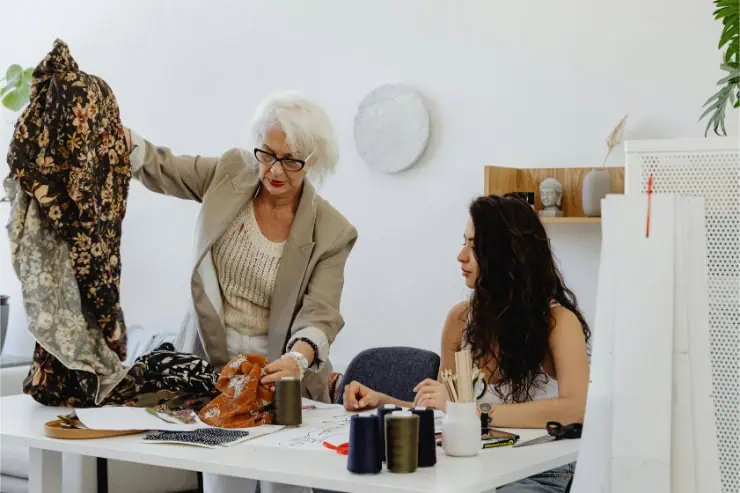
Before mass-market fashion took over, the concept of “one size fits all” didn’t exist. People either sewed their clothes at home or purchased items that were then taken to a tailor for adjustments. A good fit was essential not optional. Even everyday garments were expected to hug the body correctly, and wearing ill-fitting clothes was seen as careless. Tailoring was part of the culture of respectability and pride in appearance. Today, fast fashion has minimized the importance of fit, encouraging people to settle for “close enough.” But in earlier decades, custom fit wasn’t a luxury it was a standard of style.
4. Fewer Trends, More Timelessness
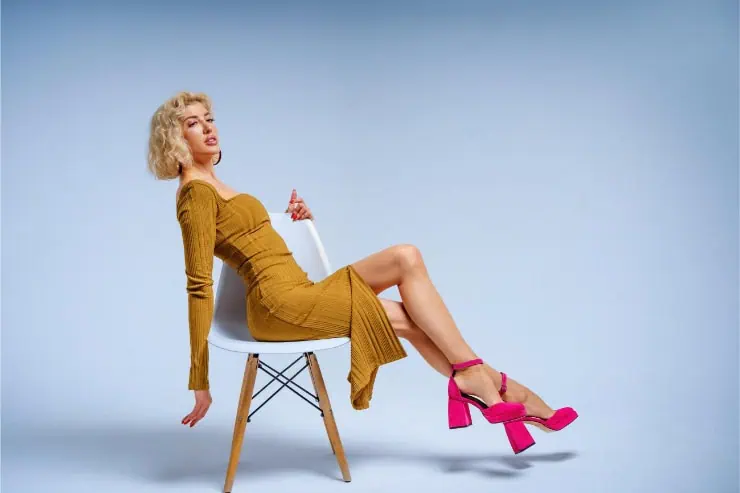
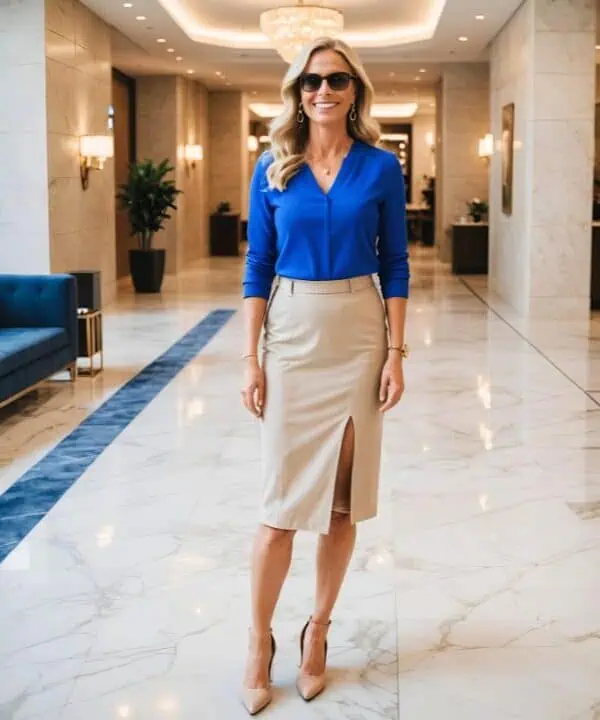
Fashion trends in earlier decades evolved slowly and with intention. Instead of cycling through styles every few weeks, popular looks like the trench coat, pencil skirt, or silk blouse lasted for years. The emphasis was on timeless silhouettes and versatile color palettes, not flash-in-the-pan trends. Women built their wardrobes around reliable, elegant staples they could wear again and again. This made closets more cohesive and made getting dressed simpler. Unlike today’s trend-chasing culture, where yesterday’s style is already passé, fashion used to reward consistency and grace. Style wasn’t about grabbing attention it was about expressing refined, personal taste that never aged out.
5. Emotional Connection to Clothing
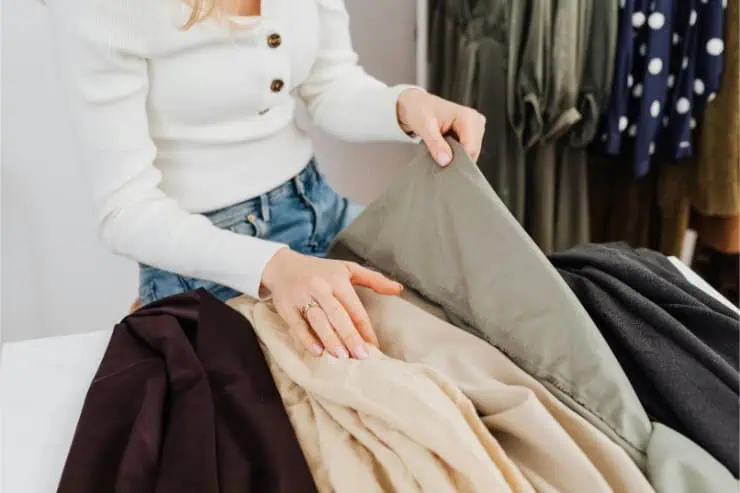
Fashion used to mean something personal. Every dress or coat held a story where it was bought, who gave it, or what special event it was worn to. Because clothing was less abundant, each item held more value. People cherished garments for years, took care of them, and sometimes passed them down. Whether it was a prom dress, a wedding outfit, or a favorite blouse sewn by hand, clothing carried emotional weight. Today’s fast fashion culture often strips garments of meaning by making them disposable. But before the era of instant shopping, clothes weren’t just worn they were remembered.