While fashion trends come and go, some style lessons from the Boomer generation remain unmatched. Born between 1946 and 1964, Boomers grew up during a time when clothing was made to last, silhouettes celebrated the body without overexposing, and accessories completed the outfit rather than overwhelming it. In today’s fast-fashion world, many of these principles are making a quiet comeback—though often with a modern twist. From impeccable tailoring to an appreciation for investment pieces, here are the Boomer fashion elements Gen Z is still learning to master.
Table of Contents
1. Tailoring That Fits Like a Glove
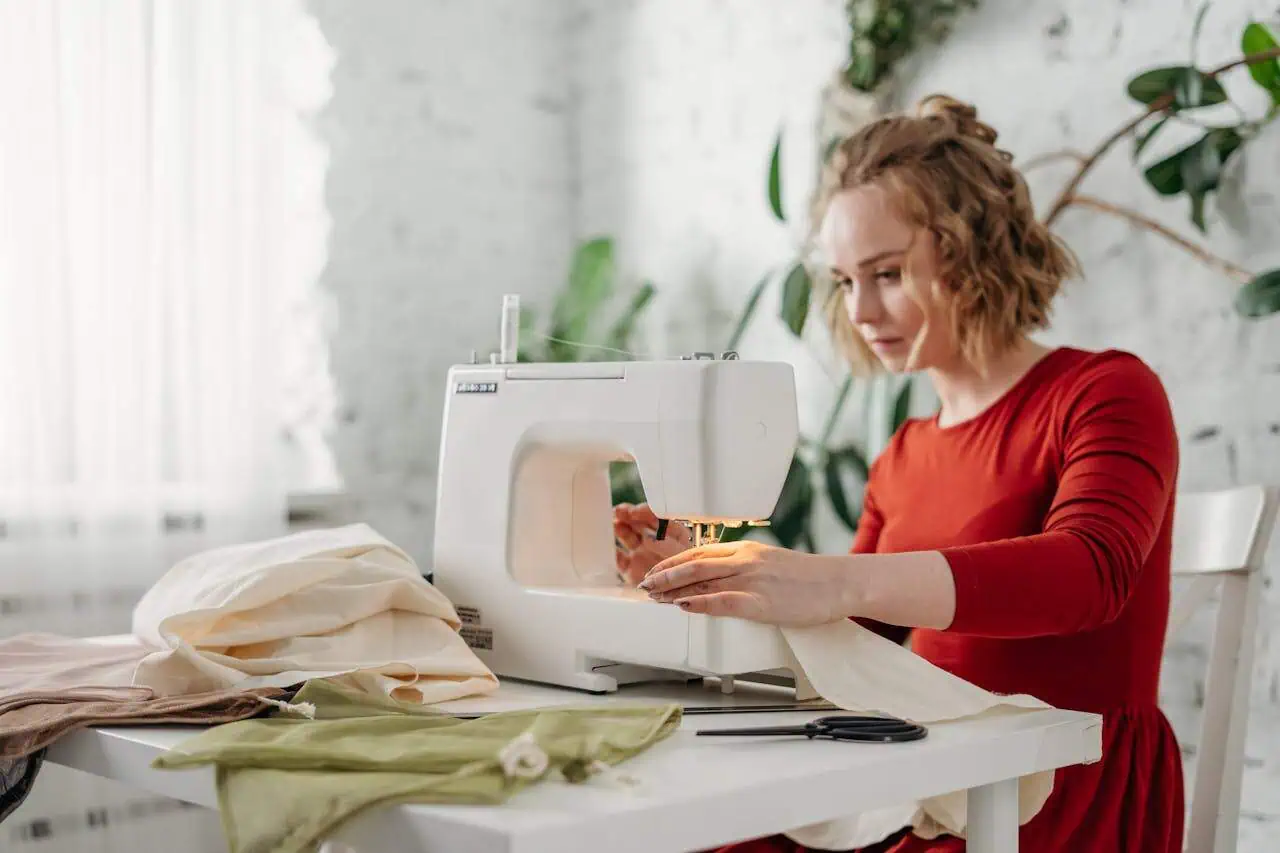
Boomers understood that fit was everything. A blazer wasn’t just bought—it was taken to a tailor for small adjustments that made it feel custom-made. This approach ensured clothes draped perfectly, flattering the body in a natural way. Today, Gen Z often buys oversized or ill-fitting garments for trend’s sake, but many are realizing how transformative a perfectly fitted jacket, pair of trousers, or pencil skirt can be. Tailoring elevates even budget-friendly pieces, giving them a polished, expensive look. It’s a timeless skill Boomers embraced effortlessly, and one that modern fashion lovers are slowly rediscovering.
2. Investing in Quality Over Quantity
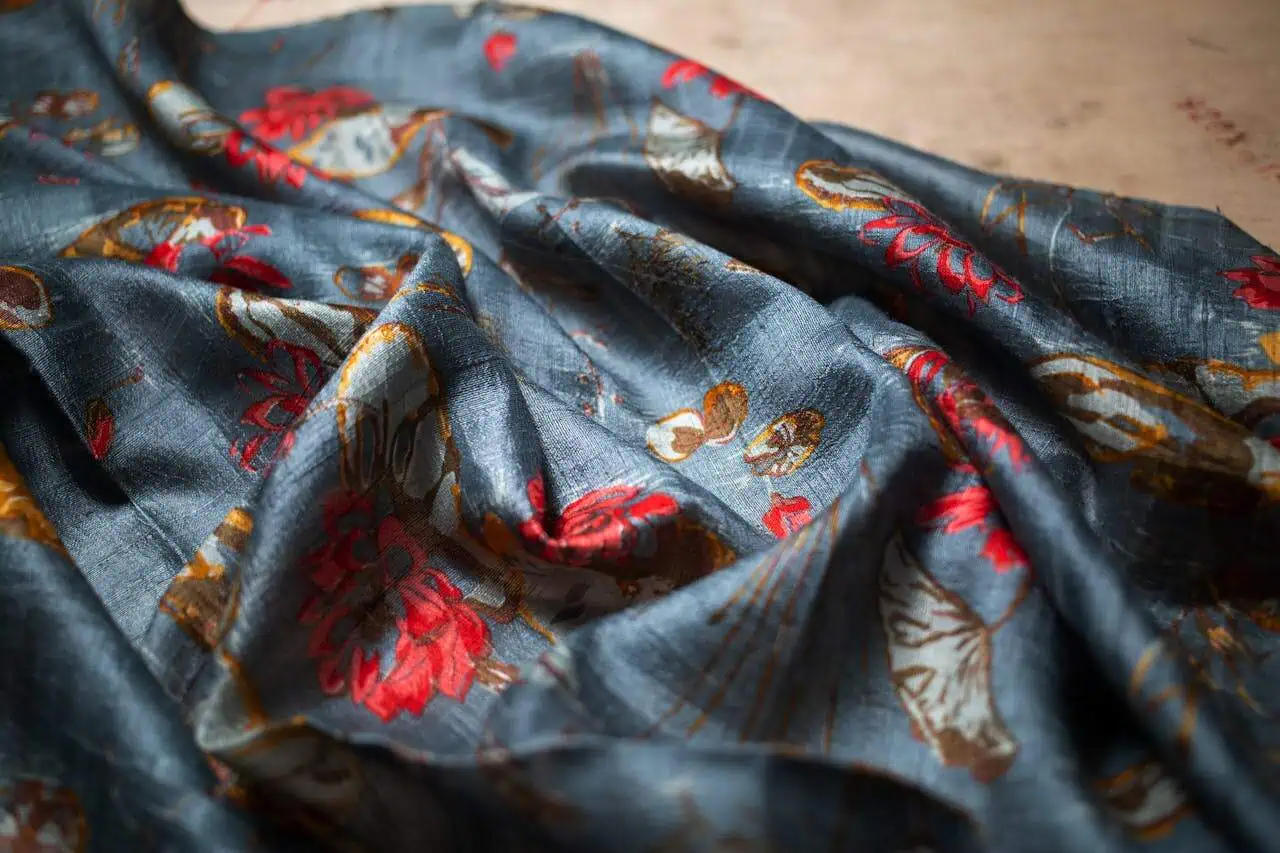
Boomers valued garments that could last a decade, not just a season. Wardrobes were smaller, but each piece was made from durable fabrics—wool, silk, linen, and high-quality cotton—that held their shape and color. Instead of impulse buys, purchases were intentional, with the understanding that quality always outlives trends. In contrast, Gen Z’s fast-fashion culture prioritizes variety over longevity, but many younger shoppers are now leaning toward sustainability and investment dressing. The Boomer habit of spending more upfront for better-made clothes is a mindset shift that’s not only stylish but also eco-friendly.
3. The Art of Dressing for the Occasion
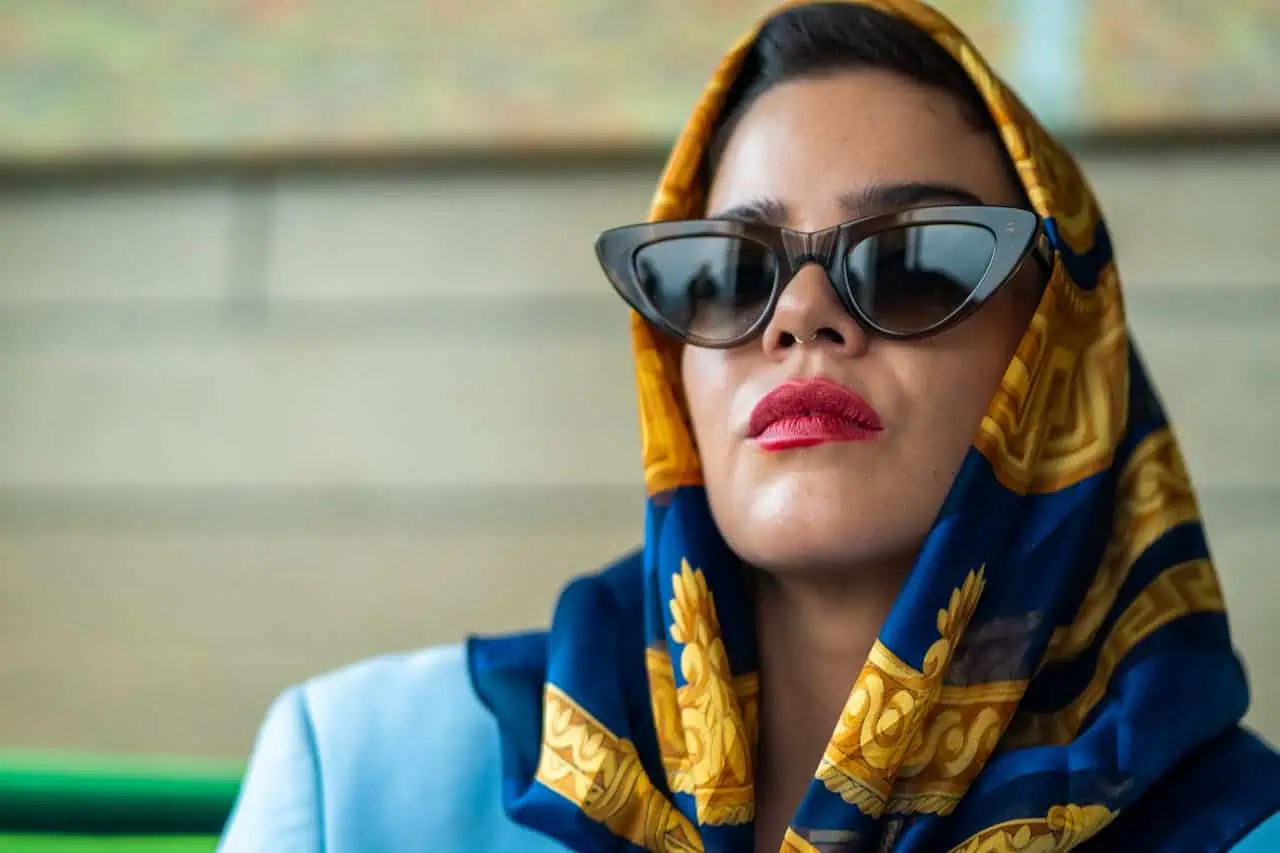
Boomers had an innate sense of appropriateness in their style choices. Work attire meant polished suits or smart dresses, casual weekends meant crisp jeans or slacks, and evening events called for elevated glamour. They rarely blurred these lines, which kept their wardrobes versatile yet purposeful. Today, with casual culture dominating, the line between loungewear and streetwear often gets too thin. Gen Z is starting to rediscover the power of occasion-appropriate dressing—not as a restriction, but as a way to express respect for the moment while showcasing personal style.
4. Neutral Palettes That Never Date
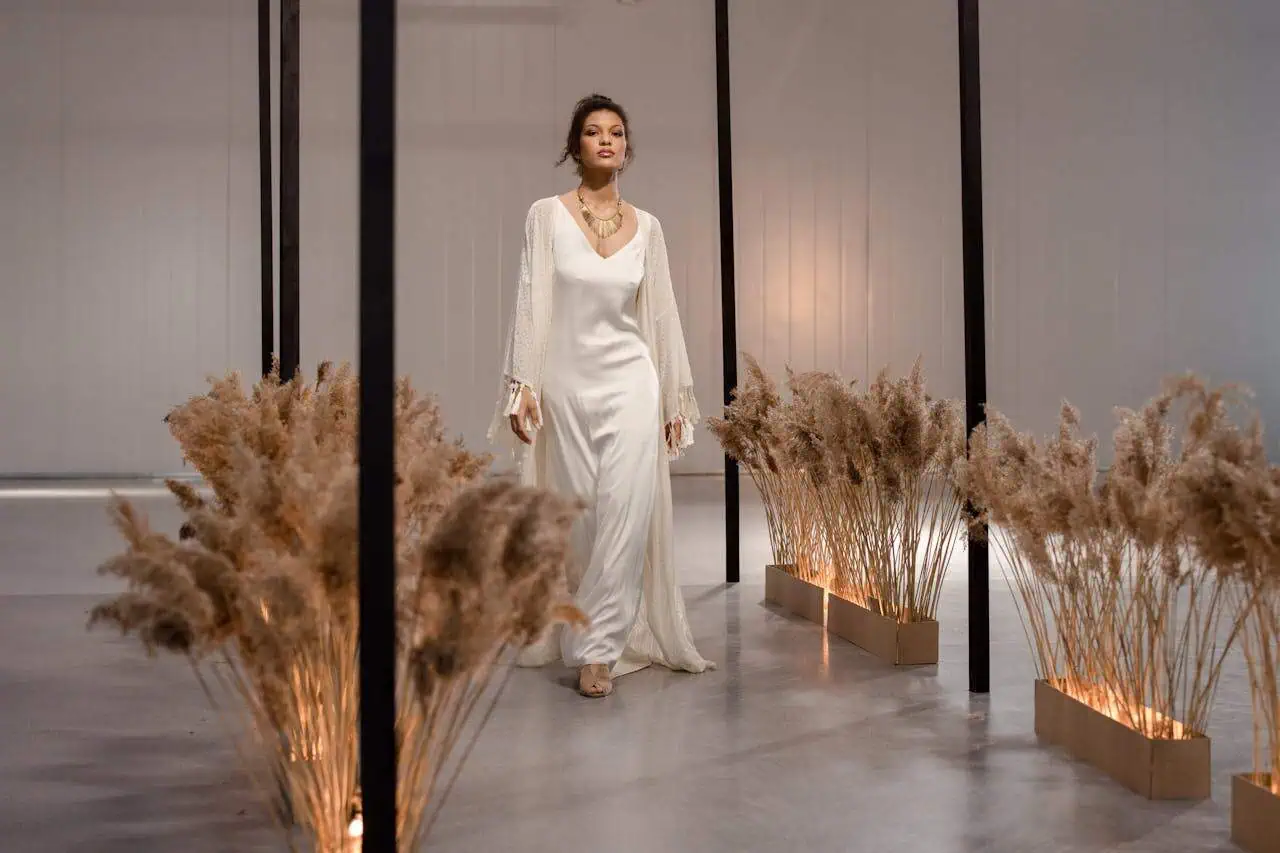
Boomer fashion embraced a foundation of neutrals—camel, navy, cream, charcoal—because they looked elegant, paired well with everything, and never went out of style. These colors made getting dressed easier and allowed statement accessories to shine. In contrast, Gen Z often experiments with bold, ever-changing color trends, which can quickly feel dated. However, more young people are realizing that building a neutral base allows for flexibility, longevity, and a consistently polished look. The Boomer neutral wardrobe was not boring—it was a sophisticated canvas for self-expression.
5. Classic Accessories That Elevate Everything
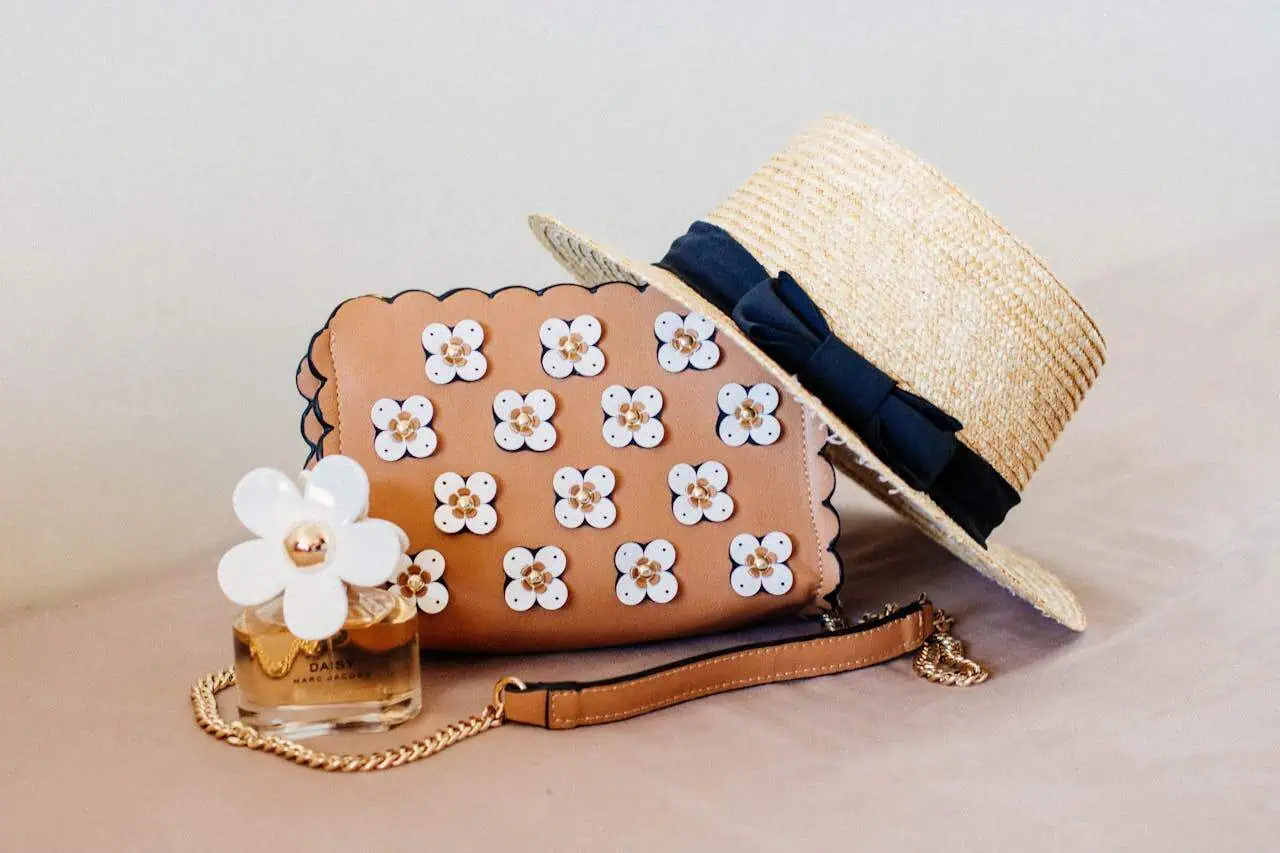
For Boomers, accessories weren’t afterthoughts—they were intentional finishing touches. A silk scarf, a structured handbag, a well-made leather belt, or understated gold jewelry could transform an outfit instantly. These pieces were chosen with care and worn for years, even decades. Today, accessory trends can be fleeting—oversized logos one season, chunky plastics the next—but Gen Z is warming up to the Boomer idea that timeless accessories add more value and style credibility than trendy, disposable ones. Quality accessories have the power to make an outfit feel complete and personal.
6. Shoes Made to Last (and Walk In)
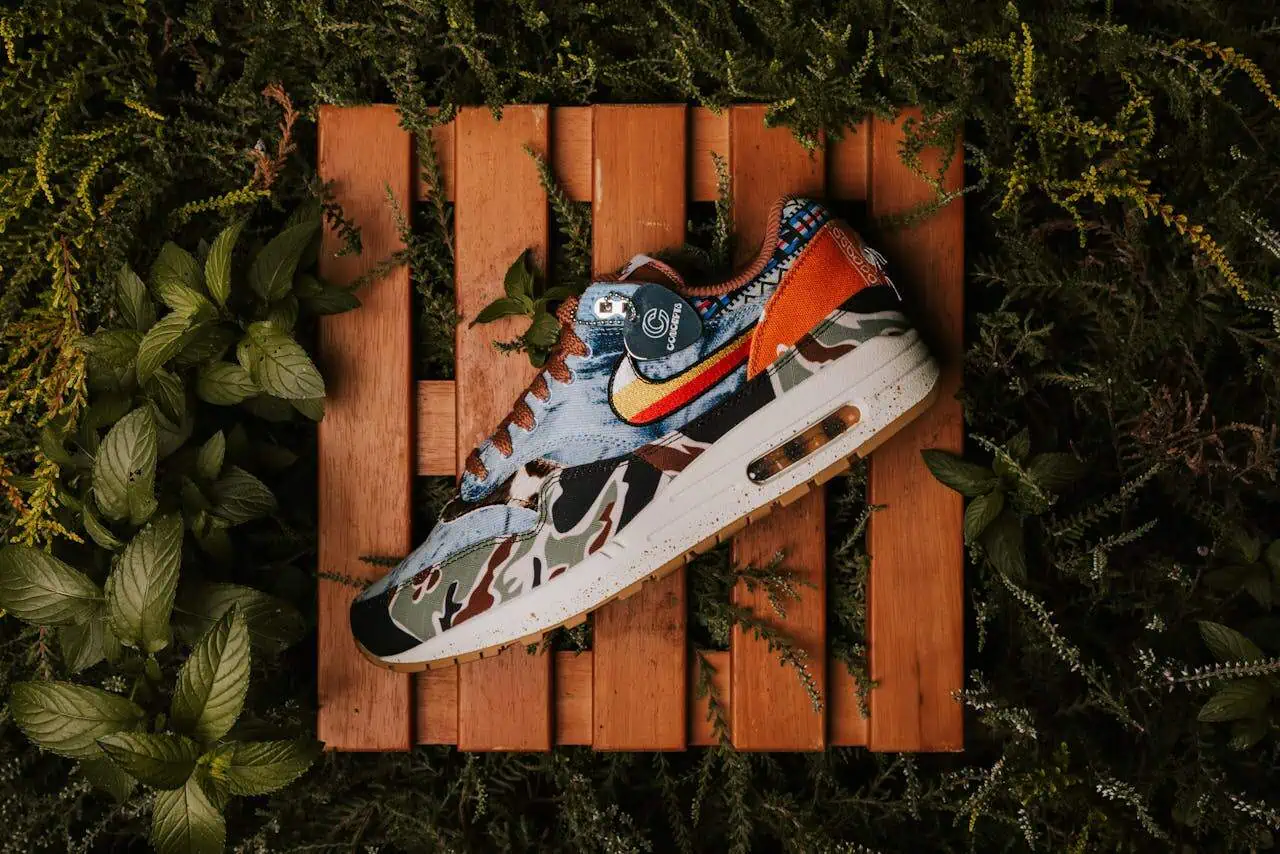
Boomers were practical yet stylish when it came to shoes. They bought fewer pairs but invested in well-crafted leather pumps, loafers, boots, and sandals that could be worn all day without discomfort. These shoes were designed for durability and timeless style, meaning they could be re-soled, polished, and worn for years. Today, shoe trends often prioritize aesthetics over function, leading to pieces that wear out quickly or are painful after an hour. Gen Z is slowly recognizing the long-term benefits—both for style and comfort—of investing in footwear that’s built to last.