When outfits start feeling flat or unfinished, many people assume they need new clothes to refresh their style. In reality, the most effective upgrades often come from how pieces are worn rather than what they are. Stylists consistently rely on small adjustments that change proportion, structure, and intention transformation that take seconds but alter the entire look. Among these techniques, one stands out for its universality and impact: adjusting sleeve length. Rolling, pushing, or cuffing sleeves slightly up the arm creates shape, lightness, and ease across tops, shirts, knits, and jackets.
Table of Contents
1. Sleeves Affect Proportion Strongly
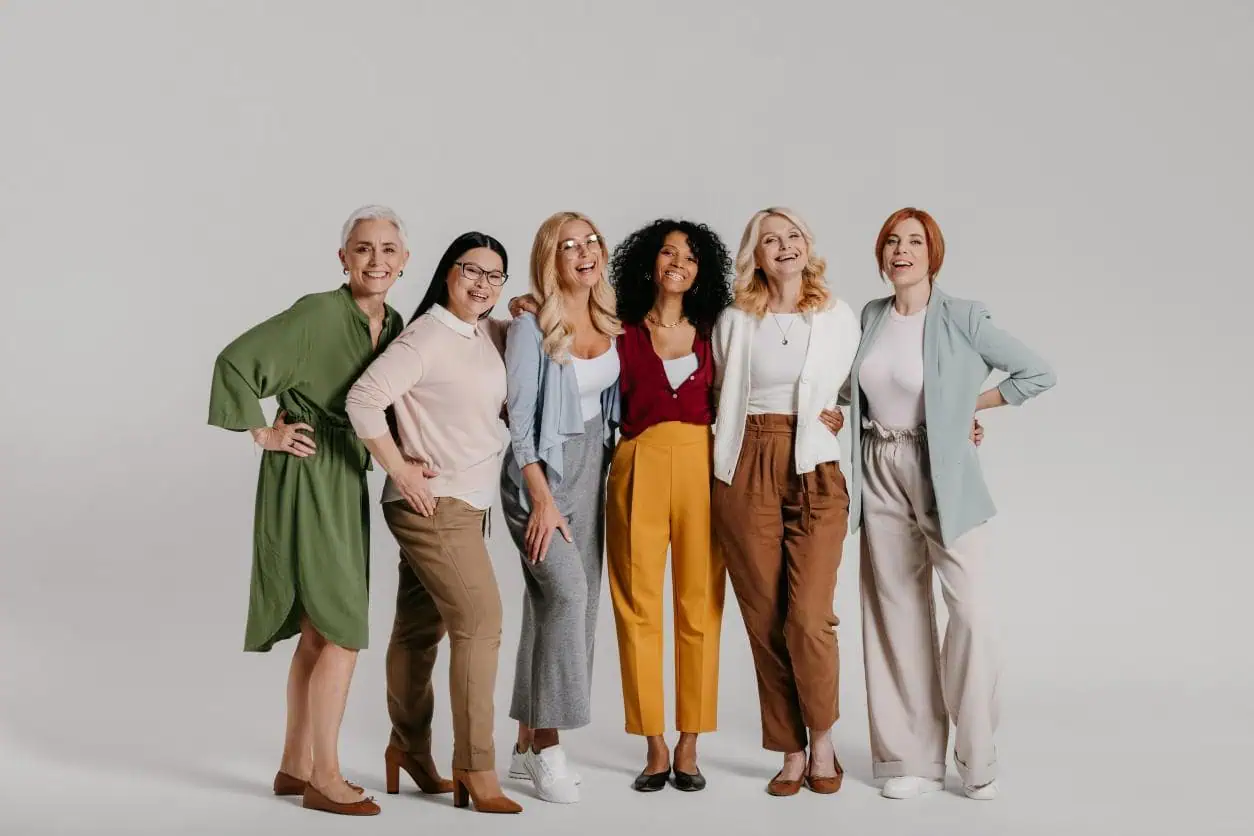
Sleeves frame the torso and connect the upper body to the hands, meaning their length directly influences perceived proportion. Full-length sleeves that extend straight to the wrist can create a continuous block of fabric, especially in heavier winter materials. This visual weight makes the upper body appear larger and less defined. When sleeves are pushed or rolled to reveal part of the forearm, the line breaks into lighter segments, introducing contrast between fabric and skin. This contrast narrows perception and creates shape. Because the wrist and forearm are naturally slimmer than the upper arm, exposing them visually refines the entire silhouette.
2. The Instant “Styled” Effect It Creates

Partially rolled sleeves signal intentionality. They suggest the wearer has actively shaped the garment rather than simply putting it on as-is. This perception shift is powerful: the same sweater or blazer suddenly appears considered and personalized. Stylists often adjust sleeves during fittings for exactly this reason it removes stiffness and adds ease. The slight bunching or cuff introduces texture and movement, preventing garments from looking flat. Even structured pieces like jackets feel more relaxed and contemporary when sleeves are pushed up slightly.
3. It Lightens Heavy Fabrics Instantly

Winter clothing often involves dense materials wool, fleece, thick knits that can visually overwhelm the frame. Exposing a small area of skin at the forearm counterbalances that density, making the garment appear lighter. This works similarly to open necklines or cropped hems, which introduce breathing space within an outfit. The contrast between soft skin and textured fabric creates dimension and reduces bulk perception. Even chunky sweaters appear more refined when sleeves are pushed up slightly. This technique is especially effective for monochrome or dark outfits, where uninterrupted fabric might otherwise read as heavy.
4. Works Across Nearly Every Garment Type
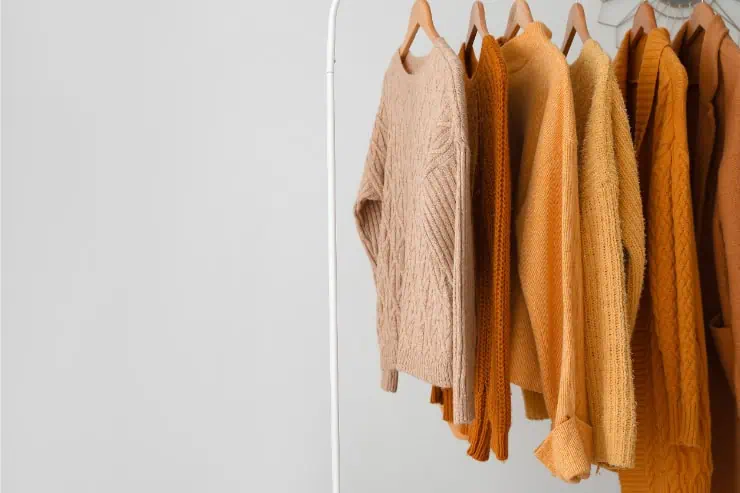
One reason this trick is so effective is its versatility. Shirts can be cuffed once or twice, knits can be gently pushed to mid-forearm, blazers can be ruched slightly, and coats can reveal inner layers at the wrist. Each variation creates the same proportional benefit while adapting to the garment’s structure. Even casual pieces like hoodies gain shape when sleeves are adjusted. Because the wrist area is neutral and non-seasonal, the technique works year-round. It also suits all ages and body types, since it doesn’t rely on fit or trend.
5. How to Do It Without Looking Messy

The key to successful sleeve adjustment is controlled ease rather than random bunching. Sleeves should sit intentionally either softly pushed to the mid-forearm or neatly cuffed just below the elbow. The fabric should create gentle folds rather than tight creases. Structured garments benefit from slight ruching, while shirts look best with clean cuffs. Avoid pushing sleeves too high, which can distort proportions or feel impractical. Balance also matters: if sleeves are shortened, ensure the rest of the outfit maintains clean lines so the look remains polished.