Winter wardrobes often fall into repetition: the same coat, the same boots, the same sweater combinations worn on autopilot. Cold weather encourages practicality, but that can quietly drain creativity and make outfits feel stale long before the season ends. Refreshing winter style doesn’t require shopping it comes from rethinking proportions, layering methods, and styling details already in your closet. Small adjustments can completely change how familiar pieces look and feel.
Table of Contents
1. Change Your Layering Order

Most winter outfits follow predictable layering: base top, sweater, then coat. Reversing or reworking this order instantly creates new visual combinations. For example, wearing a fitted turtleneck under a dress or layering a shirt over a knit instead of beneath it alters proportions and silhouette. Lightweight jackets can be worn indoors as styling pieces rather than outerwear, while coats can be belted over multiple layers to reshape the outfit underneath.
2. Swap Your Shoe Silhouette
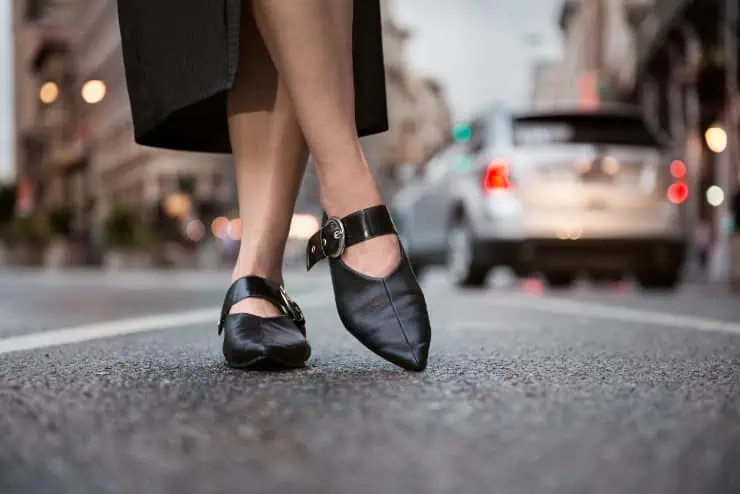
Footwear strongly influences an outfit’s overall mood and proportion. Replacing your usual winter boots with a different silhouette such as sleek ankle boots instead of chunky ones, or structured loafers instead of casual flats reshapes the entire look. Shoes determine how the hemline interacts with the ground and how the leg line appears, so even subtle changes feel impactful. A slimmer shoe can refine bulky knits, while a heavier sole can ground lighter outfits.
3. Define or Shift the Waistline
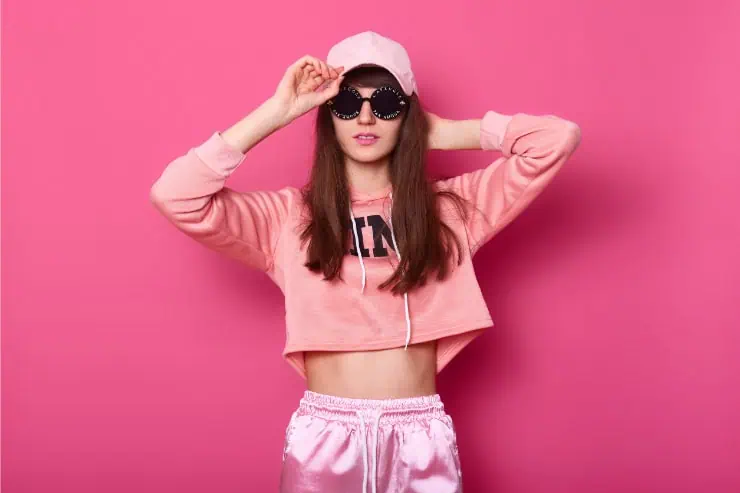
Winter clothing often obscures the waist under layers, leading to boxy silhouettes that feel repetitive. Introducing or repositioning waist definition changes proportions instantly. This can be done by tucking or half-tucking tops, adding a belt over knits or coats, or choosing higher-waisted bottoms with shorter layers. Even subtle waist shaping restores contrast between torso and hips, creating a more dynamic silhouette. Alternatively, intentionally dropping the waist with longer layers creates a relaxed, modern line.
4. Introduce Texture Contrast
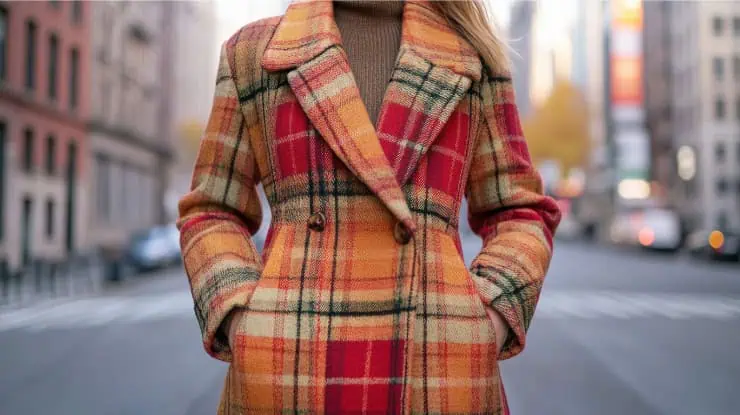
Many winter outfits rely on similar heavy fabrics wool, fleece, or thick knits which can look visually dense when combined. Mixing contrasting textures immediately adds depth and interest. Pairing smooth leather with soft knits, crisp cotton with wool, or structured tailoring with plush fabrics creates tactile variety that catches the eye. Texture contrast separates layers visually, preventing them from blending into a single bulky mass. This makes outfits appear more intentional and styled rather than purely functional. Even monochrome looks become dynamic when materials differ.
5. Restyle Accessories in New Positions
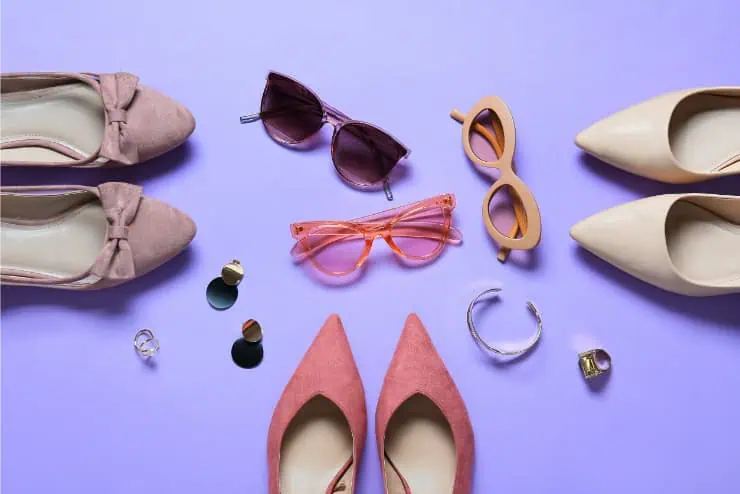
Accessories often stay in habitual placements scarves at the neck, belts at the waist, hats only outdoors. Changing how and where accessories are worn produces fresh styling effects. A scarf can be draped under a coat lapel, worn as a shawl indoors, or tied at the waist over layers. Belts can cinch outerwear or sit loosely over knits for shape. Brooches or pins can secure wraps or gather fabric. Even glove or bag choices can shift an outfit’s tone. Repositioning accessories alters focal points and silhouette lines, making familiar clothing appear different. These small styling adjustments create variety without adding new items.